



Victorian Wood Sign
When you search for a Victorian wood sign, you are looking at substantial trade boards and mercantile furnishings bearing historic hand-painted lettering.
Victorian Wood Sign
When you search for a Victorian wood sign, you are examining practical commercial boards, display cabinets, and shopfittings rendered in solid timbers and later painted with trade advertising.
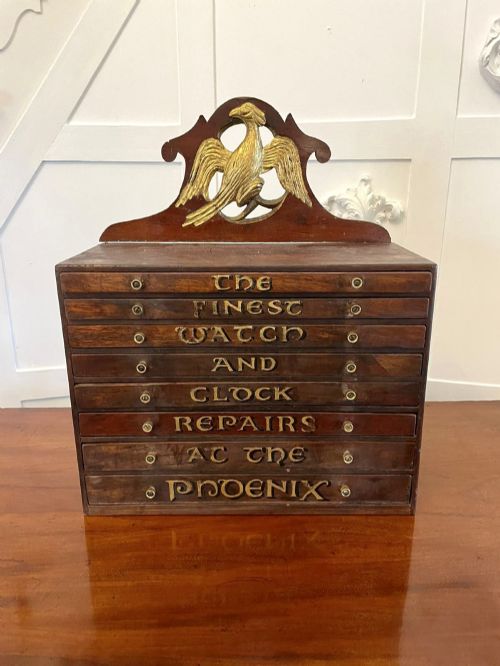
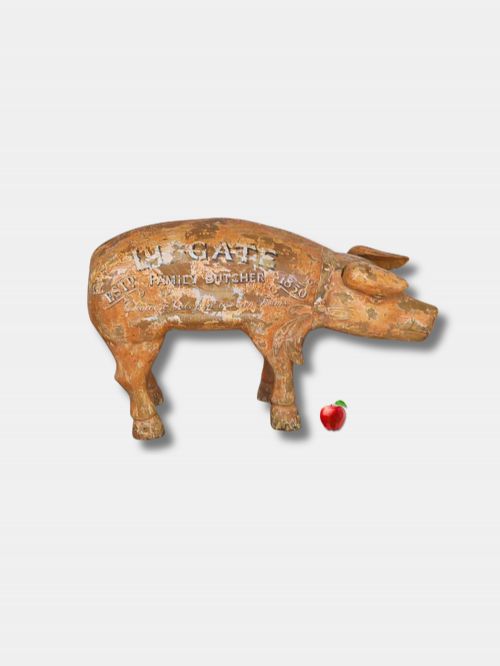
The pieces meeting this description span the nineteenth century, taking the form of large department store shop signs, butcher boards, and repurposed furniture bearing public house or cocoa lettering.
These items originate from British commercial and domestic settings, serving initially to promote tradesmen, grocers, and publicans before entering the antiques market.
How they were made
Makers utilised dense timbers such as solid mahogany, walnut, and hardwood to construct stable boards and cabinetry capable of withstanding heavy daily use in shops and high streets.
Surfaces received layers of oil paint applied by hand to form crisp lettering and trade imagery, often set against darkened or natural wood backgrounds.
Victorian Wood Sign Retail Price Guide 2026
Typical asking prices for victorian wood sign among the pieces listed under this phrase on Sellingantiques today, from the lower quarter to the upper quarter. They describe what is for sale here now, not the wider market.
What varies in quality
The distinction between ordinary and exceptional pieces rests upon the crispness of the hand-painted sign-writing and the integrity of the underlying timber substrate.
Depth of character is determined by the natural patination acquired through decades of commercial wear rather than any decorative embellishment.
The Victorian Wood Sign Glossary
- Sign-written
- The practice of applying lettering and commercial graphics directly to a wooden surface using oil-based paints by hand. This technique defines the lettering found on trade boards and shopfittings.
- Shopfitting
- Permanent or semi-permanent cabinetry and fixtures installed within a retail establishment. These items include glazed display units and sideboards adapted for commercial promotion.
- Trade sign
- A board or shaped wooden object displayed outside or inside a mercantile premises to advertise wares or services. Examples include butcher boards and department store notices.
- Patina
- The surface sheen and tactile quality developed by wood and painted finishes through age and handling. It indicates the genuine history of a commercial artefact.
Victorian Wood Sign: Frequently Asked Questions
What is a Victorian wood sign?
A Victorian wood sign is a hand-painted mercantile board or a piece of repurposed shop furniture bearing historic trade lettering from the nineteenth century.
These pieces reflect the commercial life of the period, ranging from large department store boards to display cabinets carrying grocery and public house advertising.
How were trade signs used?
Merchants and shopkeepers mounted these boards and cabinets inside or outside premises to clearly advertise their specific trade, goods, or family business to the public.
Over time, many functional furniture pieces such as mahogany sideboards and glazed cabinets received later sign-written decoration for commercial promotion.
How do you live with them?
These items require stable indoor environments away from direct heat sources to preserve the stability of both the timber and the historic oil-painted lettering.
Their substantial presence makes them suitable for hanging on large walls or positioning within dining rooms and hallways as focal points.
How do you date a sign?
Dating relies on examining the construction methods of the underlying wood, the formulation of the paint, and the typography style used in the lettering.
Cabinetry details and secondary timbers often provide the clearest chronological indicators for pieces adapted with trade lettering.