

Victorian Wood Shelf
A Victorian wood shelf offers practical display space through rich timber grains and traditional joinery.
Victorian Wood Shelf
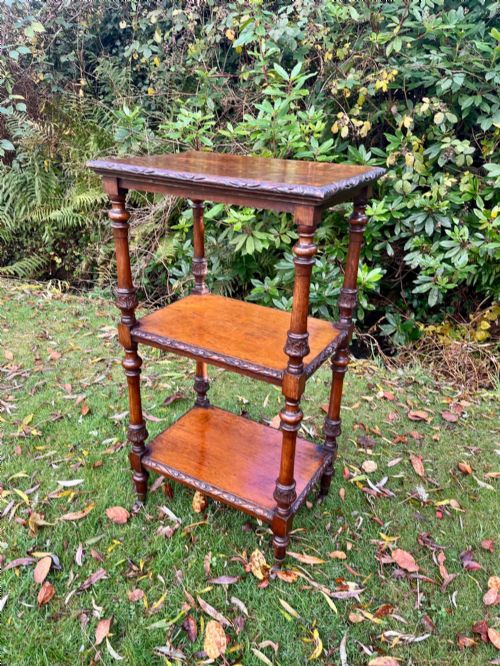
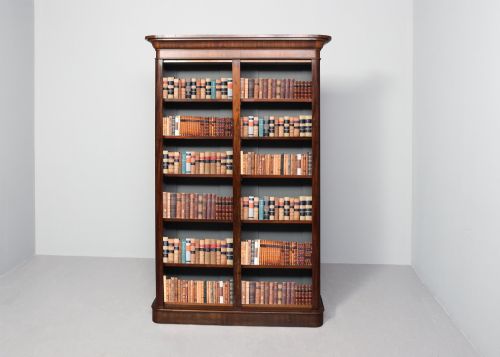
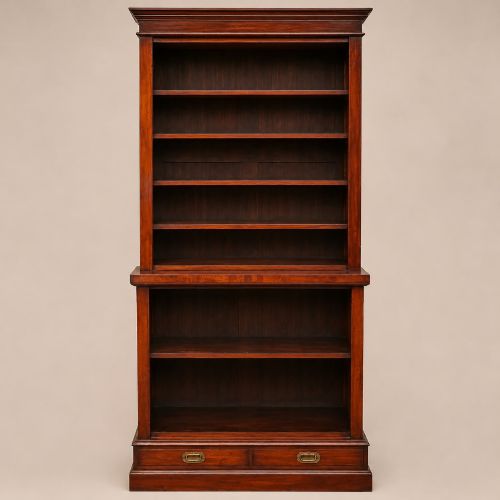
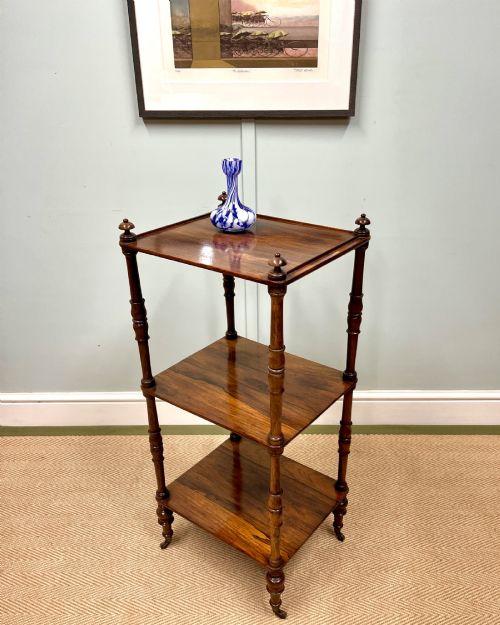
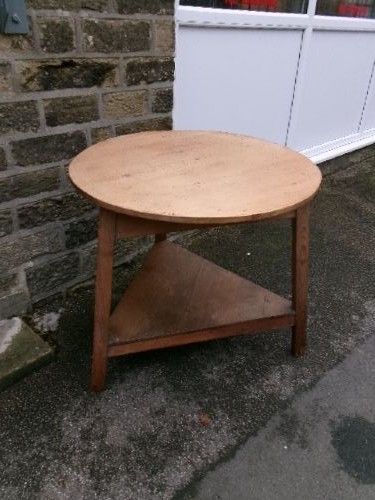
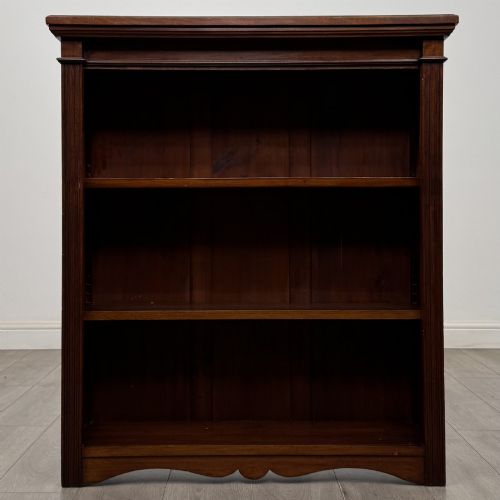
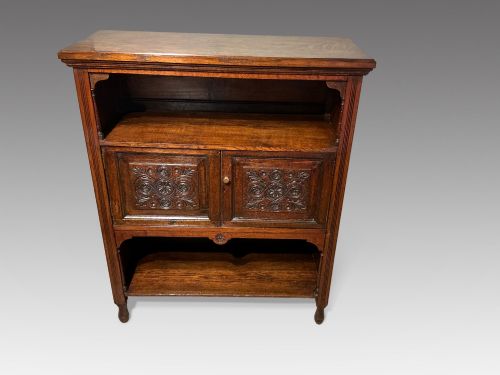
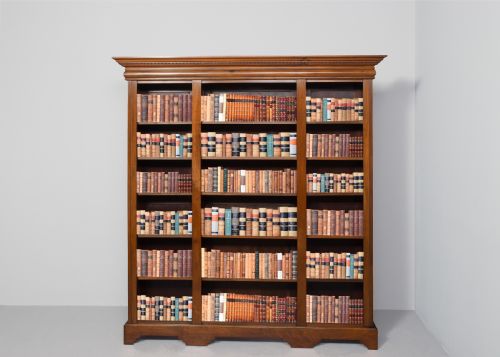
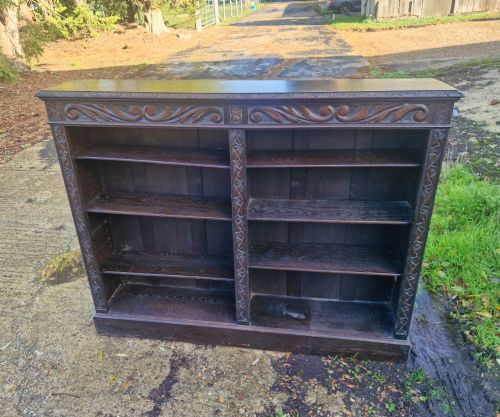
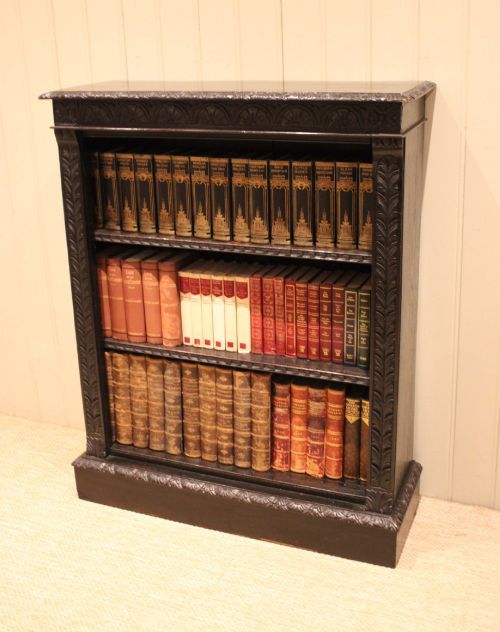
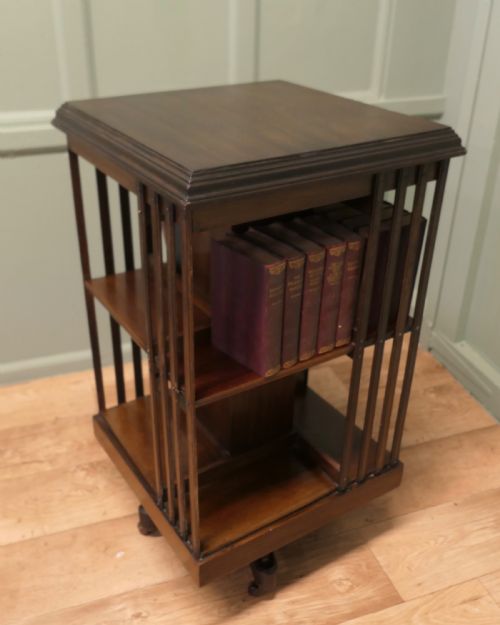
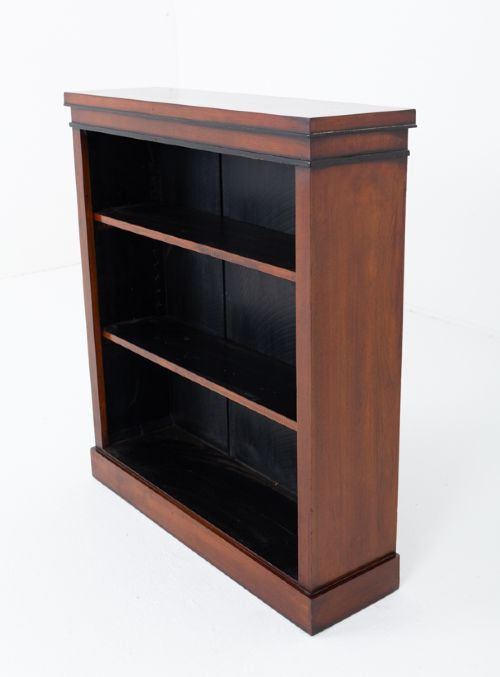
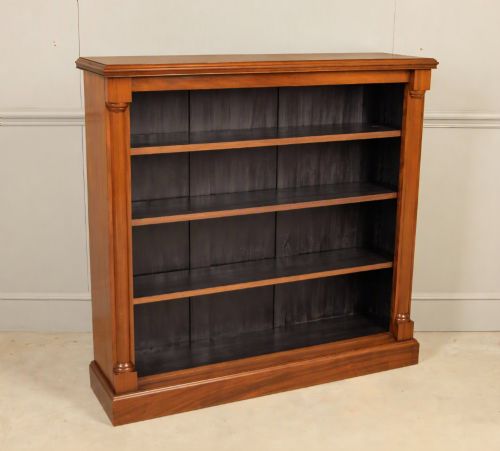
A victorian wood shelf encompasses open bookcases, wall hanging shelves, corner whatnots, and display cabinets originating from the nineteenth century. The most common form met on this page is the open mahogany bookcase featuring adjustable timber shelving.
Makers and craftsmen produced these items using dense hardwoods to support heavy volumes and decorative ornaments in domestic libraries and parlours. Pieces range from compact wall brackets to tall, narrow library shelving designed for specific room layouts.
How they were made
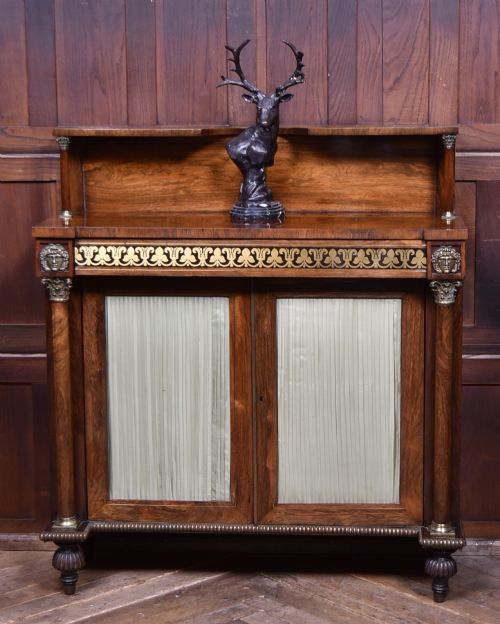
Cabinet makers utilised solid mahogany, dark oak, walnut, and rosewood, frequently incorporating brass fittings and ebonised details. Joinery relied on traditional techniques such as dovetailing for drawers and housing joints for fixed or adjustable shelves.
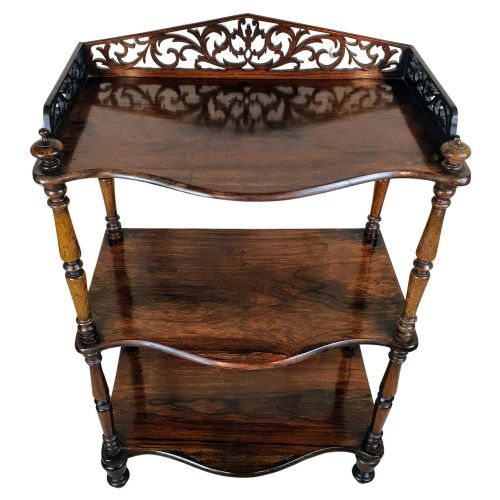
Surface finishes involved hand-applied French polish or wax to seal the timber grain and enhance natural colour variations. Decorative elements included carved mouldings, pierced fretwork, and barley twist turnings.
Victorian Wood Shelf Retail Price Guide 2026
Typical asking prices for victorian wood shelf among the pieces listed under this phrase on Sellingantiques today, from the lower quarter to the upper quarter. They describe what is for sale here now, not the wider market.
Some Victorian wall shelves hide tiny display ledges specifically sized for miniature porcelain teacups.
What varies in quality
Quality rests upon the selection of timber figures, the crispness of hand-carved details, and the integrity of the structural joinery. Superior examples demonstrate thoughtful grain matching across visible surfaces and robust internal framing.
Simpler utility pieces contrast with elaborately styled items featuring brass mounts, inlaid veneers, or complex fretwork panels from the Aesthetic Movement and French workshops.
John Moyr Smith·Gabriel Viardot·Brockbanks And Atkins
The Victorian Wood Shelf Glossary
- Whatnot
- A piece of furniture consisting of open shelves for displaying small objects or books. These tier stands often fit neatly into room corners.
- Open Bookcase
- A shelving unit without doors, allowing direct access to contents. Nineteenth-century versions frequently incorporated adjustable wooden ledges.
- Fretwork
- Ornamental design created by cutting patterns through thin wood using a scroll saw. This technique added delicate ventilation and visual lightness to brackets and cabinets.
- Mahogany
- A durable, reddish-brown tropical hardwood favoured for high-end cabinet making throughout the Victorian era. Its stable nature suited intricate carving and fine polishing.
Victorian Wood Shelf: Frequently Asked Questions
How do I adjust wooden shelves?
Many nineteenth-century bookcases utilise traditional wooden ratchets, brass pins, or metal side strips to support movable tiers. Simply lift the board and relocate the supports into adjacent slots.
Take care not to force tight timbers when adjusting heights to prevent splitting the interior lining boards.
Where should I place a wall shelf?
Wall-hanging shelves require secure fixing into solid masonry or direct timber studs using appropriate brackets and screws. Avoid damp exterior walls to protect the dry antique wood.
Keep pieces away from direct heat sources such as radiators to prevent timber shrinkage and veneer lifting.
How do I clean mahogany?
Dust surfaces regularly with a soft, dry, lint-free cloth to prevent particulate accumulation. Apply a pure beeswax polish occasionally to nourish the polished grain.
Avoid silicon-based sprays and commercial wet cleaners which can permanently degrade the traditional French polish finish.
Are these shelves suitable for heavy books?
Solid mahogany and oak versions offer robust structural integrity capable of supporting standard library collections. Ensure the vertical uprights and shelf supports remain firmly seated before loading heavy volumes.
Distribute weight evenly across the board to prevent long-term timber sagging over time.