


Victorian Wood Rack
A Victorian wood rack brings honest period utility to an entrance hall or bedroom, holding coats, hats, and books with straightforward nineteenth-century charm.
Victorian Wood Rack
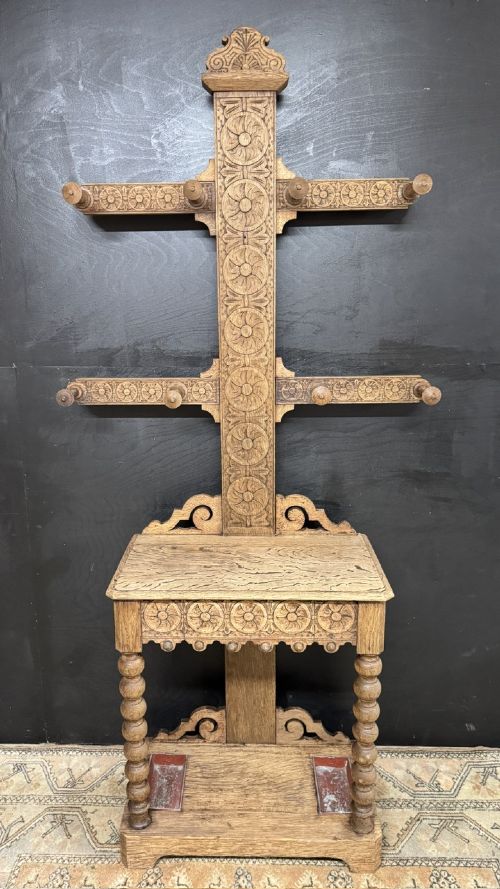
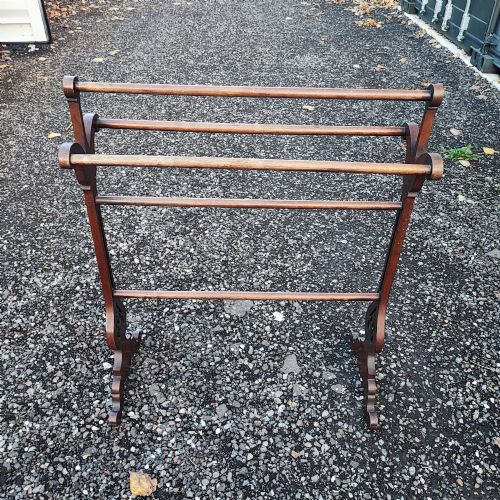
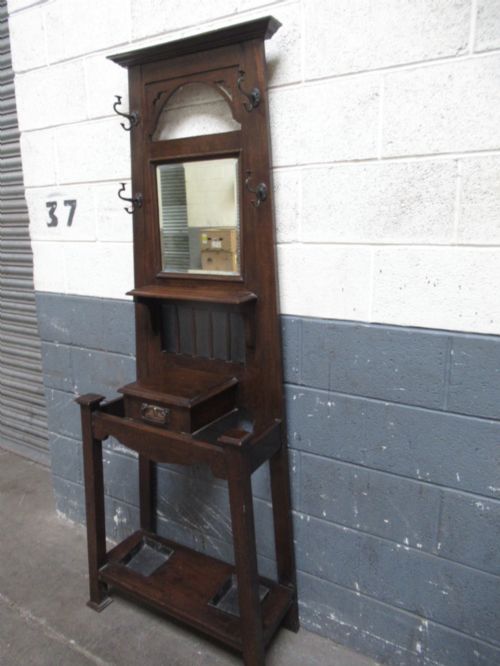
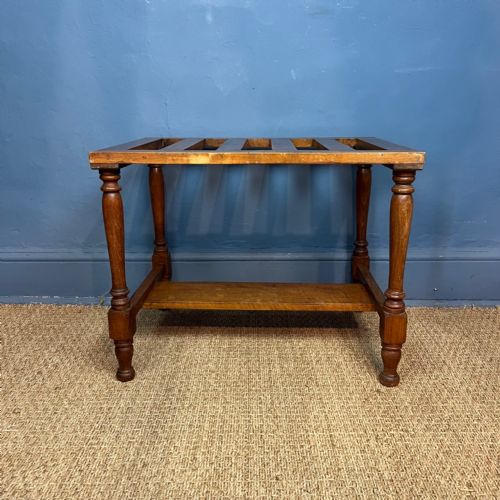
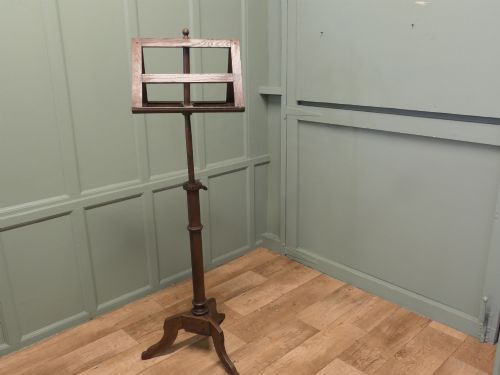
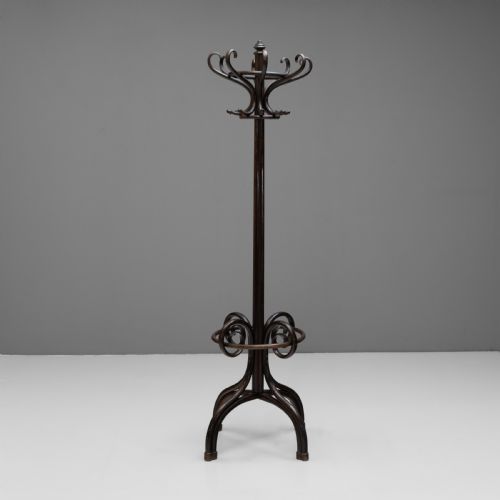
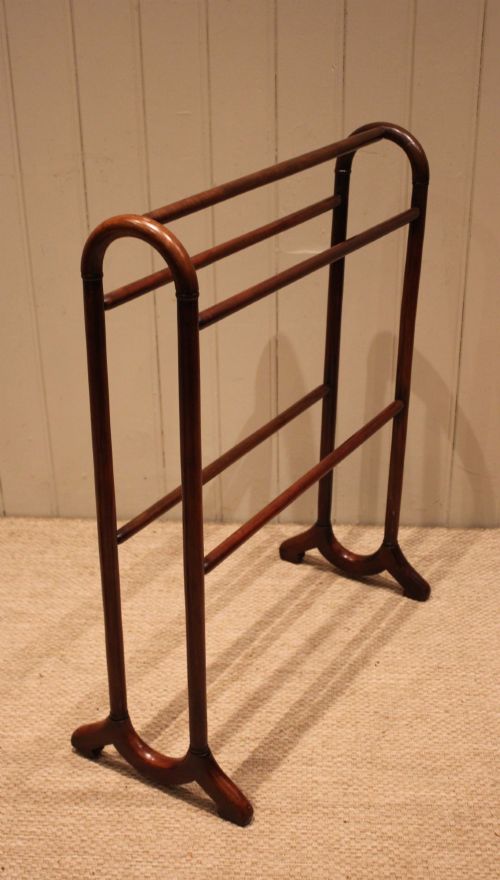
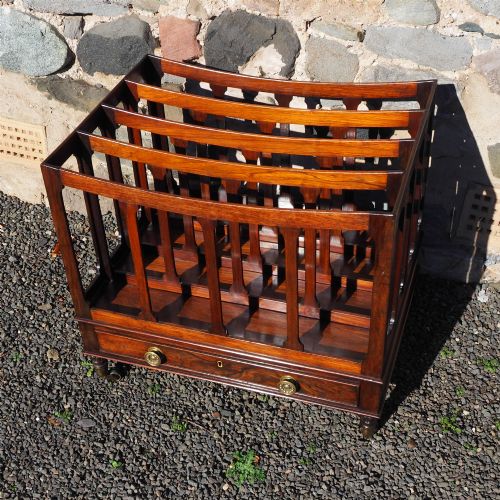
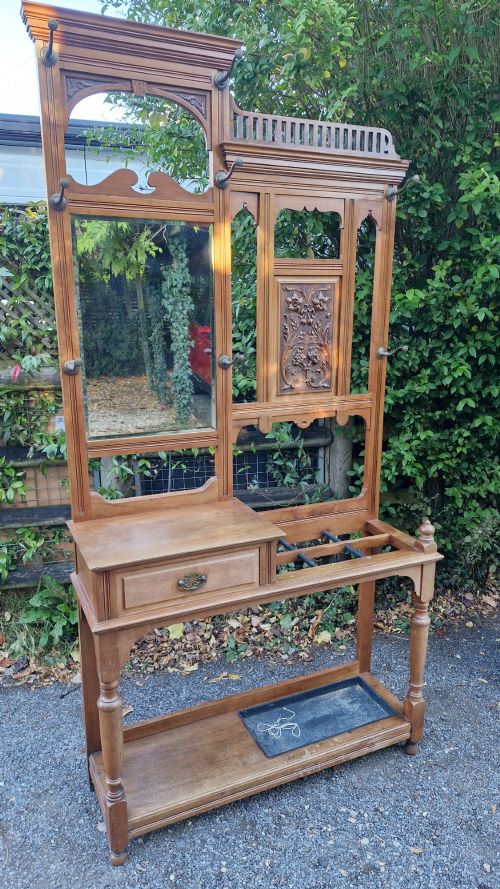
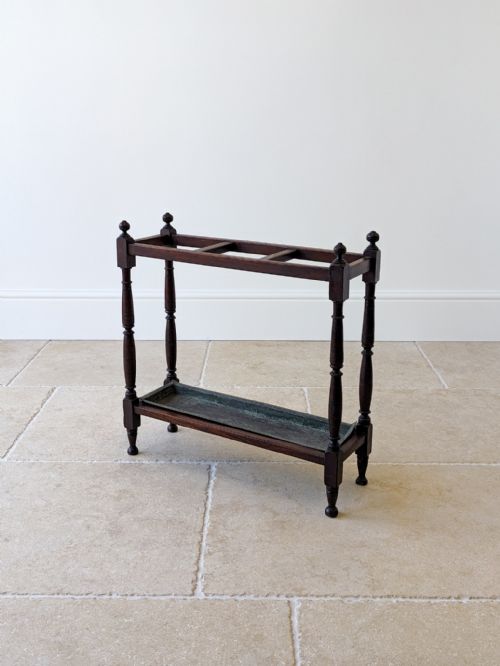
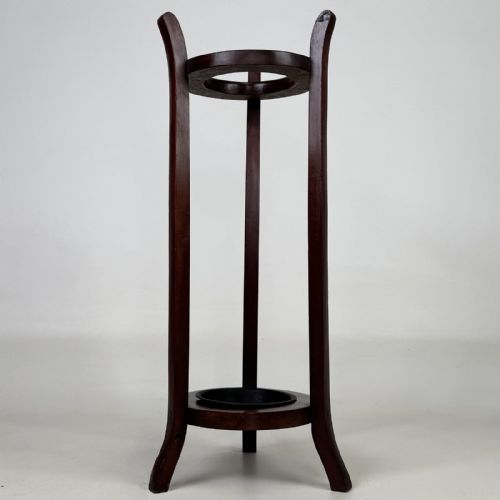
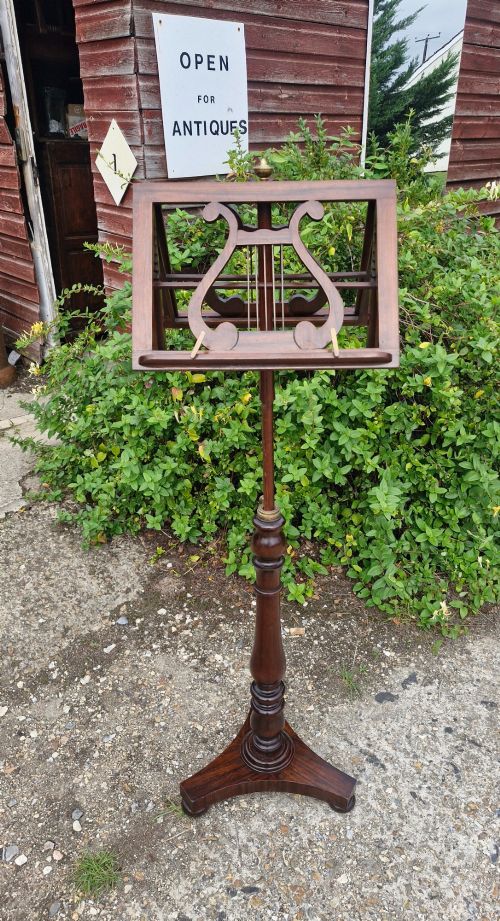
When you search for a victorian wood rack, you encounter a practical category spanning hall stands, coat rails, towel rails, luggage stands, and canterburys. These pieces served domestic organisation in the nineteenth century, utilising dense timbers to manage outerwear, reading material, and linens.
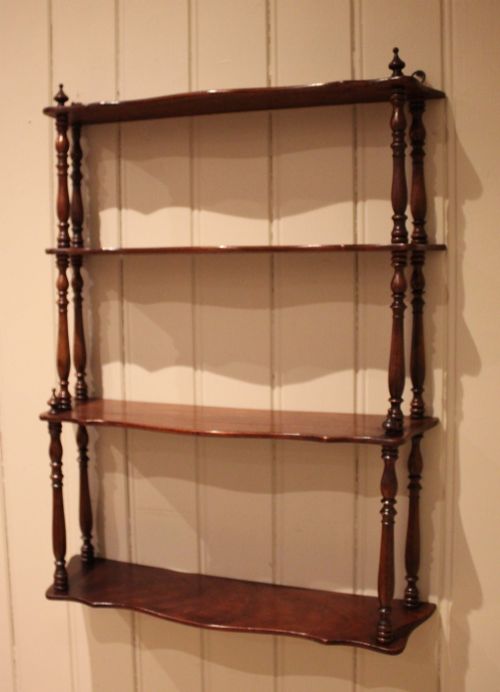
The pieces on this page lean heavily towards mahogany, walnut, and oak constructions dating from the Victorian era alongside adjacent nineteenth-century periods. You will frequently find wall-mounted shelves, freestanding coat trees, and compartmented book carriers among the selections.
Makers of the period applied these functional forms to hallways, bedrooms, and libraries alike, pairing durable timbers with brass hooks or ceramic details. Each format addresses a specific domestic need, from holding wet umbrellas to displaying folio volumes.
Materials and construction
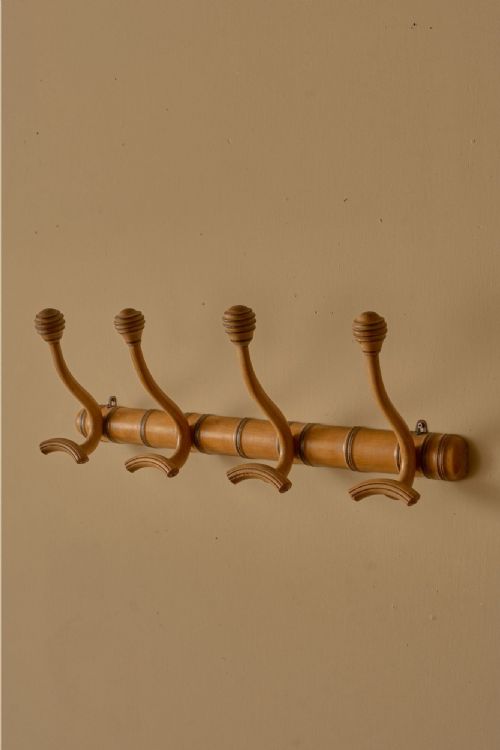
Cabinetmakers relied on sturdy hardwoods such as mahogany, walnut, oak, and rosewood, often figuring the grain for visual depth on prominent surfaces like canterburys and hall stands. Beech and bentwood provided flexible strength for curved coat stands and hat racks.
Metal and ceramic elements supplemented the woodwork, incorporating brass coat hooks, hanging rails, and porcelain footing details. Joinery was built to bear weight, supporting heavy garments, boots, and stacked volumes without failure.
Victorian Wood Rack Retail Price Guide 2026
Typical asking prices for victorian wood rack among the pieces listed under this phrase on Sellingantiques today, from the lower quarter to the upper quarter. They describe what is for sale here now, not the wider market.
Listings feature woods including mahogany, walnut, oak, beech, rosewood, and yew across the nineteenth and early twentieth centuries.
Evaluating quality in timber fittings
The distinction between standard utility items and finer examples rests on timber selection and decorative restraint. Pieces featuring highly figured burr walnut or rich rosewood veneers stand apart from plain utilitarian softwood frames.
Execution of detail defines the upper tier, seen in well-turned spindles, crisply carved brackets, and original brass or ceramic hardware. Retention of original finishes and integrated structural fittings preserves the integrity of the piece.
Brown & Lamont
The Victorian Wood Rack Glossary
- Canterbury
- A low wooden stand fitted with partitions for holding sheet music, magazines, or books, often featuring a small drawer below.
- Hall stand
- A tall freestanding piece designed for entrance halls, combining coat hooks, umbrella wells, and frequently a mirror or glove box.
- Bentwood
- Wood softened by steam and bent into curved structural forms, commonly used in lightweight coat and hat stands.
- Luggage stand
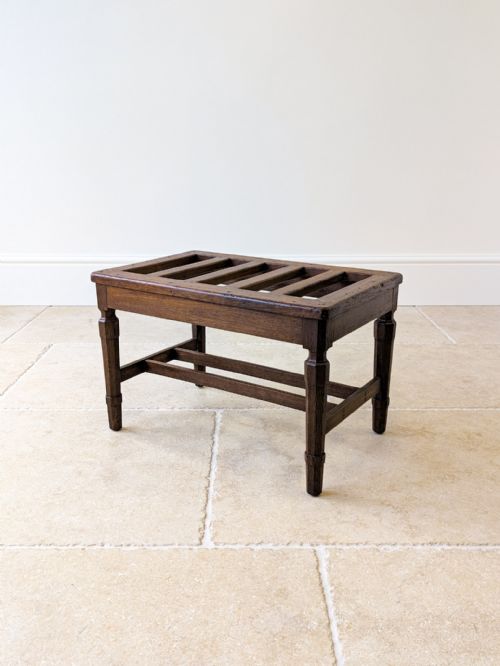
- A low folding or rigid wooden frame used in guest bedrooms to hold trunks and travel bags off the floor.
- Stags horn
- Natural antler material utilised in country house hall stands and coat racks for hanging garments.
Victorian Wood Rack: Frequently Asked Questions
Where should I place a wood rack?
Wall-mounted coat rails and hall stands suit entrance hallways, while towel rails and luggage stands function well in bedrooms and bathrooms.
Freestanding canterburys and book stands fit naturally beside seating areas in living rooms or studies to manage reading material.
How do I care for nineteenth-century wood?
Maintain the timber by dusting regularly with a dry cloth and occasionally applying a suitable beeswax to nourish the polished surface.
Avoid placing pieces near direct heat sources or in damp areas to prevent the wood from splitting or warping.
Are these pieces sturdy enough for daily use?
Nineteenth-century utility furniture was built for robust domestic service using solid hardwoods, making them well-suited for everyday coat and hat storage.
Check wall fixings on hanging shelves and coat racks to ensure they anchor securely into structural studs or masonry.
How do I distinguish Victorian from Edwardian pieces?
Victorian pieces tend to feature heavier proportions, darker finishes, and denser timbers like rosewood and burr walnut with elaborate turning.
Edwardian designs often exhibit lighter construction, simpler lines, and brighter mahogany or satinwood tones reflecting changing domestic tastes.