

Victorian Wood Armchair
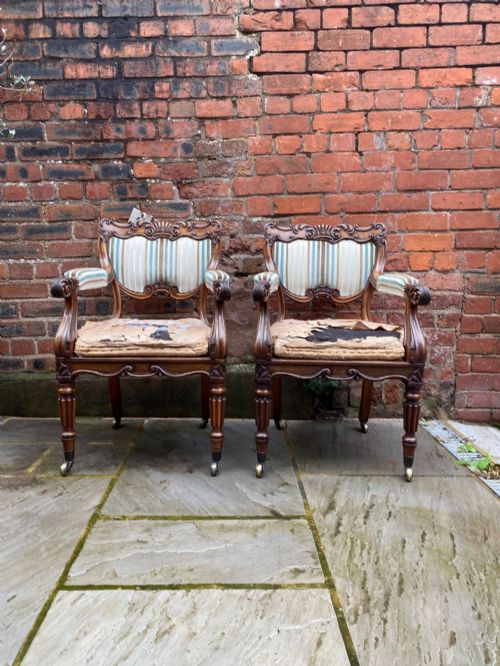
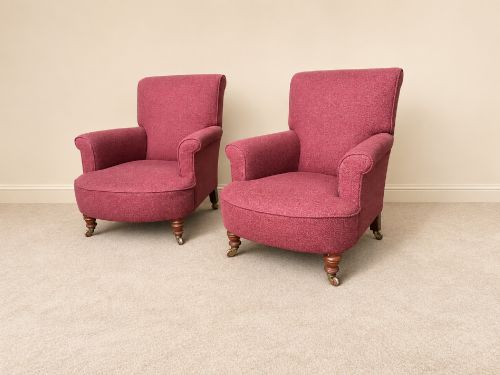
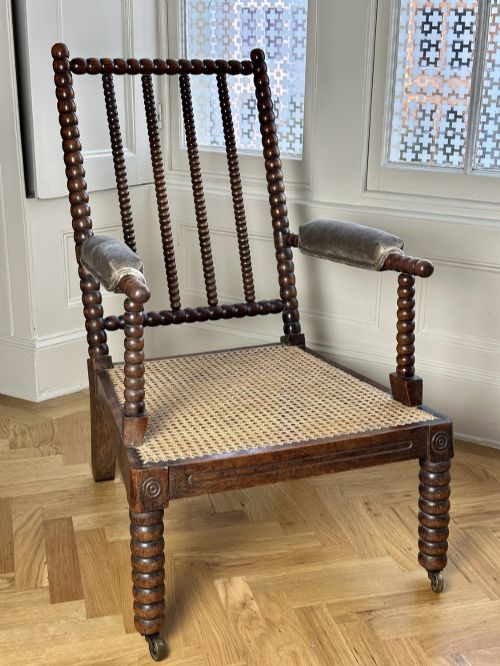
A victorian wood armchair offers sturdy nineteenth-century construction in timbers like elm, ash, and mahogany, serving as a practical seating choice for daily use.
Victorian Wood Armchair
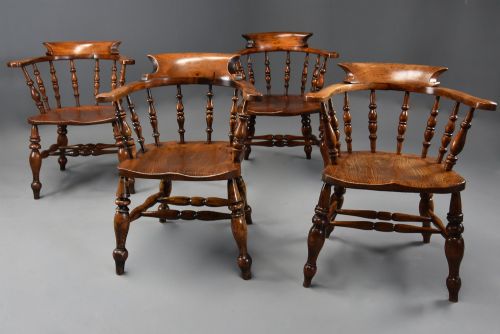
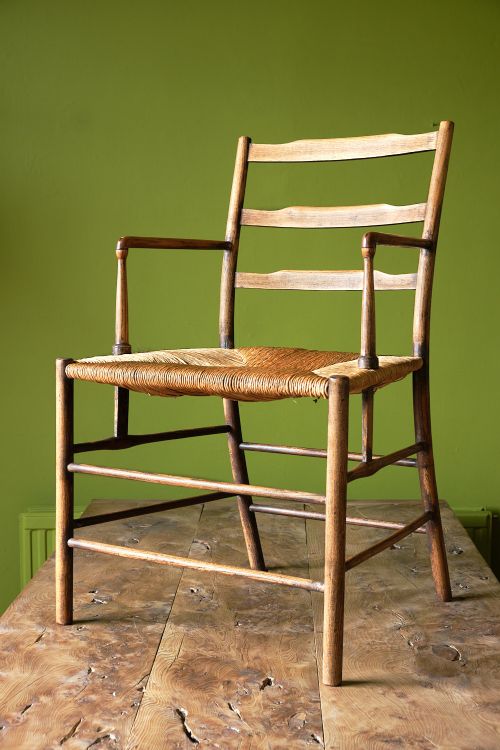
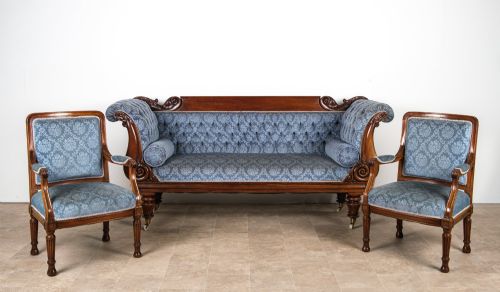
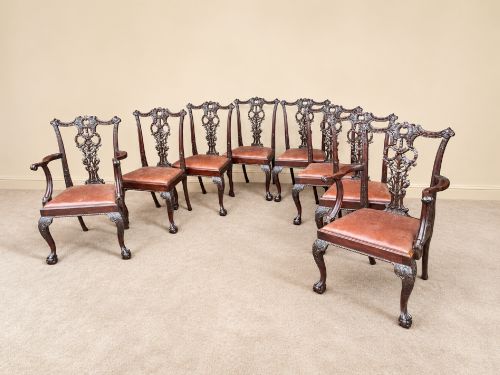
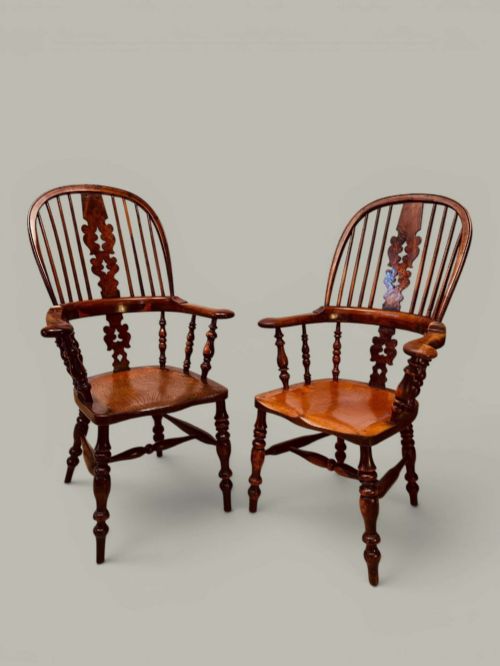
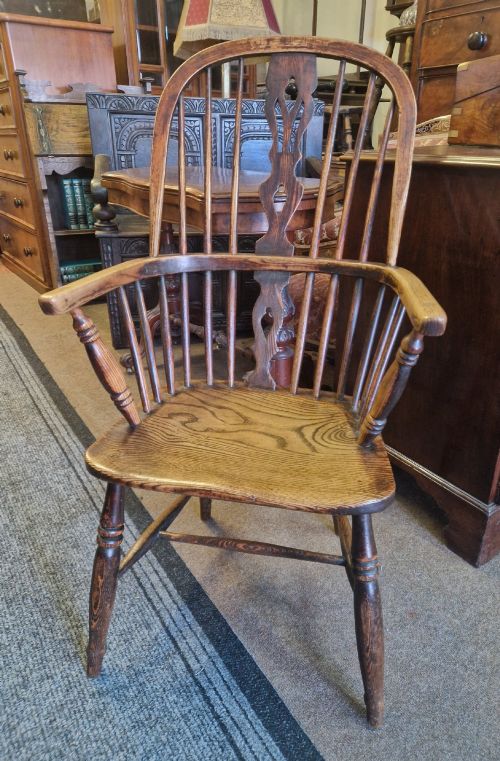
A victorian wood armchair encompasses a broad assortment of nineteenth-century seating, ranging from country Windsor forms to formal library and desk chairs. Buyers seeking this phrase encounter sturdy timber frames shaped by regional craft traditions across the period.
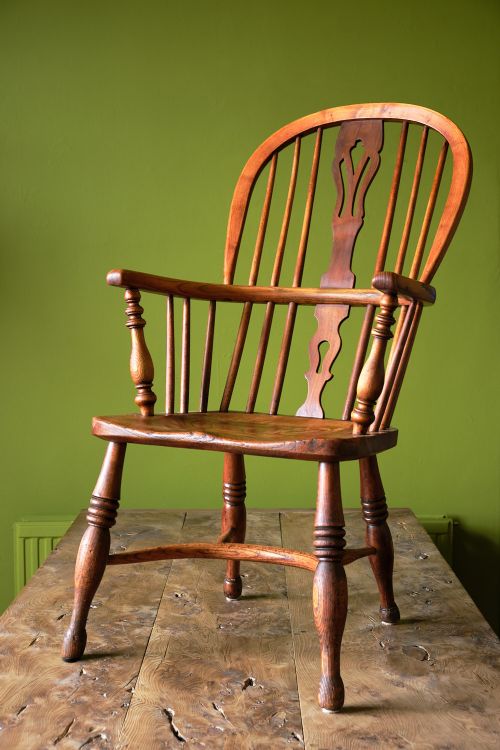
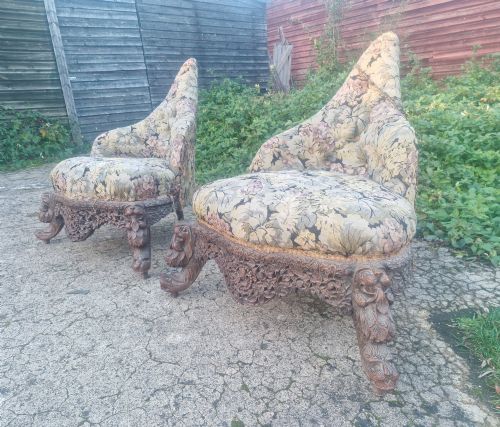
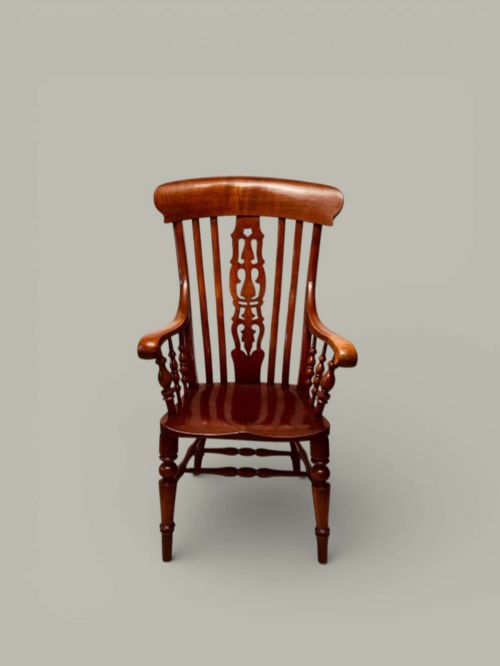
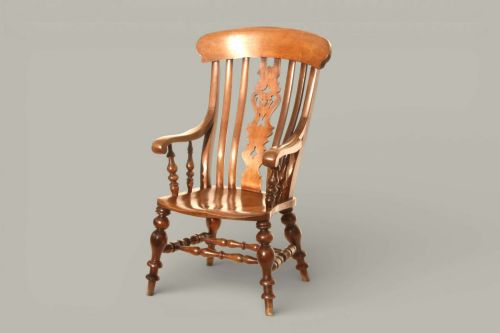
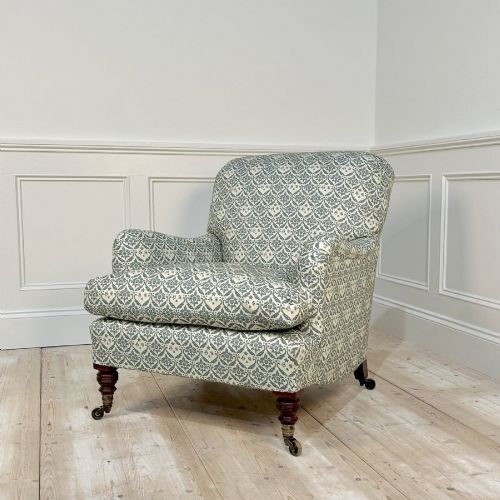
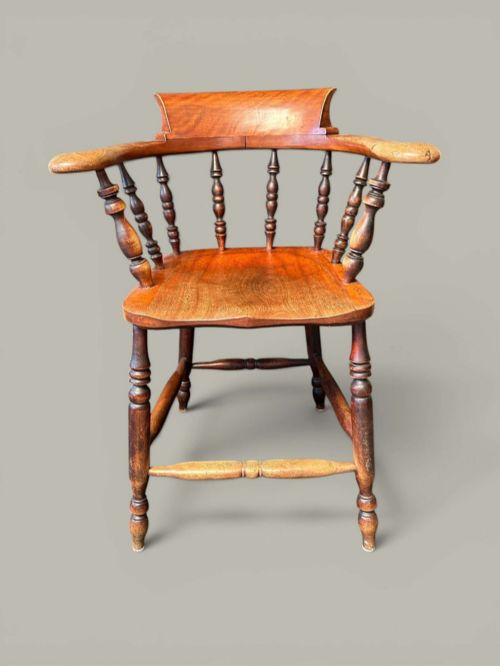
The selection on this page leans heavily towards regional English Windsor chairs built from mixed native woods, alongside upholstered mahogany salon seats and turned oak office chairs. These seating options reflect both rural vernacular traditions and formal urban design trends of the era.
Makers utilised available local timbers to construct practical seating intended for studies, dining rooms, and farmhouse kitchens. Each piece demonstrates the functional requirements of nineteenth-century households through varied back styles, arm designs, and wood combinations.
How they were made
Makers combined native hardwoods such as elm, ash, beech, and yew, often pairing a dense timber like elm for the seat with flexible ash for the spindle backs and bent bows. Cabinet makers also employed mahogany, walnut, and oak for formal parlour and office seating.
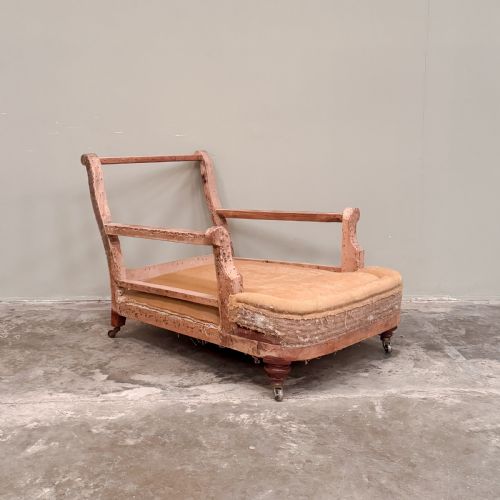
Joinery methods depended on the chair type, utilising traditional wedged tenons for Windsor structures and pegged mortise joints for heavy oak framework. Turned components were shaped on lathes, while steam-bending techniques formed continuous back bows and curved armrests.
Victorian Wood Armchair Retail Price Guide 2026
Typical asking prices for victorian wood armchair among the pieces listed under this phrase on Sellingantiques today, from the lower quarter to the upper quarter. They describe what is for sale here now, not the wider market.
Listings feature nineteenth-century seating constructed from elm, ash, mahogany, beech, yew, and oak across diverse forms including Windsors, desk chairs, and hall benches.
What varies in quality
Gradations in quality depend largely on the selection of timber and the crispness of the turning and carving work. Chairs featuring dense, well-figured yew wood or carefully matched elm and ash demonstrate superior craftsmanship compared to simpler utilitarian builds.
Structural integrity and the retention of original surface finishes dictate the standing of individual examples. Pieces that maintain their original timber patination and tight joinery without excessive modern replacement parts command greater regard from collectors.
The Victorian Wood Armchair Glossary
- Windsor chair
- A wooden chair constructed with a thick carved wooden seat into which the legs, back spindles, and bow are separately inserted. This vernacular form developed regional variations across England during the eighteenth and nineteenth centuries.
- Broad arm
- A chair design featuring one significantly widened wooden armrest intended to provide a writing surface. These seats frequently appear in office or captain's chair configurations.
- Bowback
- A chair back formed from a single continuous piece of steam-bent wood secured directly into the seat. This method provides robust structural support for vernacular seating.
- Turner's armchair
- A heavy chair constructed predominantly from turned wooden spindles and posts using medieval joinery traditions. Surviving nineteenth-century examples revive earlier seventeenth-century stylistic formats.
Victorian Wood Armchair: Frequently Asked Questions
What woods are common in these armchairs?
Makers relied on native British hardwoods such as elm, ash, beech, and yew for country Windsor chairs. Formal parlour and desk variants frequently utilise mahogany, walnut, and oak.
Craftsmen often combined timbers within a single piece, using a dense wood for the seat plank and flexible varieties for the spindle construction.
How do I distinguish regional Windsor styles?
Regional attribution depends on specific structural markers, such as the distinctive comb-pieces or turned leg profiles associated with Thames Valley workshops. Local makers utilised the timber species readily available in their surrounding woodlands.
Examining the under-seat wedging and spindle turning yields further clues regarding the specific provincial workshop origin.
Are revolving desk chairs period correct?
Nineteenth-century workshops produced mechanical revolving office and library chairs utilising wooden pillar-and-claw bases or iron screw mechanisms. These pieces served professionals in studies and counting houses.
They display the same timber characteristics and carved details found on stationary armchairs of the corresponding decade.
How should I care for antique wood finishes?
Preserving the original surface requires occasional applications of traditional beeswax rather than modern silicone polishes. Keeping the timber away from direct heat sources prevents the wood from drying and splitting.
Gentle dusting with a soft cloth maintains the natural patination built up over generations of use.