



Victorian Wine Cup
These victorian wine cup examples bring distinct nineteenth-century craftsmanship to the table, offering a tangible connection to historical dining and drinking traditions.
Victorian Wine Cup
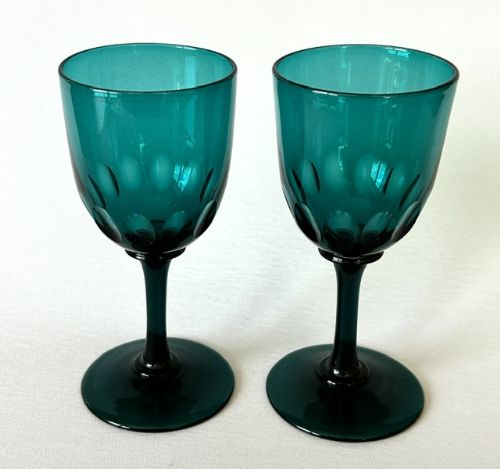
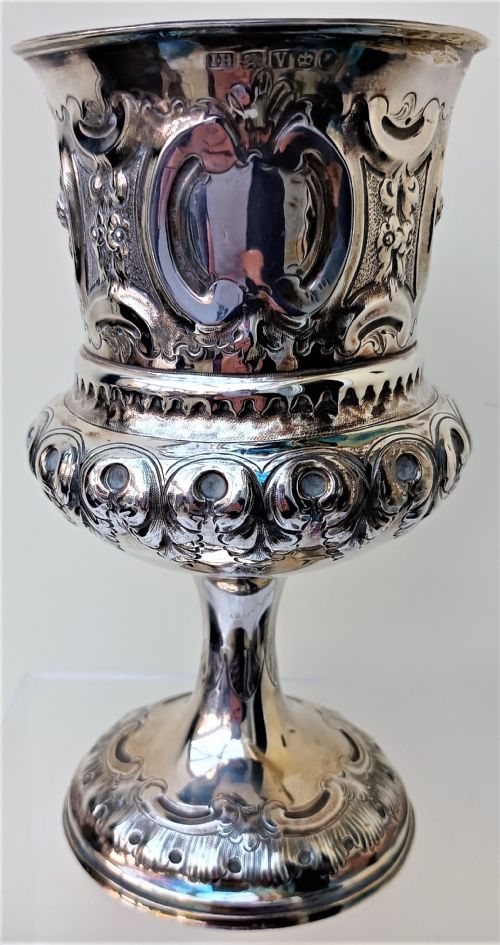
When you search for a victorian wine cup, you encounter a diverse array of drinking vessels spanning the nineteenth century, including silver goblets, chalices, and hand-blown glass items. The pieces documented here range from English sterling silver presentations to Venetian revival glassware and French silver wine tasters.
The most common forms on this page include sterling silver goblets and coloured glass wine glasses, often dating from the 1860s through to the turn of the twentieth century. Makers and manufacturers utilised various stylistic revivals, incorporating French rococo and Venetian motifs into barware and tableware.
Buyers also encounter specialised forms such as communion chalices, presentation goblets, and Staffordshire Bacchus figures. These objects reflect the varied social, religious, and domestic contexts in which nineteenth-century drinking vessels were produced and used.
Materials and Making
Silversmiths employed sterling silver and silver plate, often adding gold gilt interiors to parcel-gilt goblets, alongside specialised techniques for French silver wine tasters. Assay offices in locations such as Sheffield marked many of these metal items to denote their standard.
Glassware production relied on hand-blown methods, creating aqua green and Bristol green coloured glass pieces, occasionally associated with Italian Murano workshops like Salviati. Brass and ceramic materials also appear, as seen in trophy vases and Staffordshire pottery figures.
Victorian Wine Cup Retail Price Guide 2026
Typical asking prices for victorian wine cup among the pieces listed under this phrase on Sellingantiques today, from the lower quarter to the upper quarter. They describe what is for sale here now, not the wider market.
Materials across these listings include sterling silver, silver plate, brass, parcel gilt, and hand-blown coloured glass.
Markers of Quality
Quality in these pieces rests upon the crispness of chased or engraved ornamentation on silver items, such as presentation inscriptions or heraldic details. Heavy gauge metal and balanced proportions distinguish finer sterling silver goblets from standard production wares.
In glassware, the depth of colour, clarity of the hand-blown material, and delicacy of form determine the standard. Pieces bearing clear hallmarks or attributed to notable workshops demonstrate superior provenance and execution.
George Unite·Salviati
The Victorian Wine Cup Glossary
- Sterling silver
- A silver alloy containing 92.5 percent pure silver by mass, widely utilised for nineteenth-century drinking vessels and presentation pieces.
- Parcel gilt
- An object made of silver with selected areas coated in a thin layer of gold, commonly seen on the interior bowls of Victorian goblets.
- Wine taster
- A small, shallow silver vessel historically used by merchants and connoisseurs to sample wine, featuring decorative dimples or repoussé patterns.
- Chalice
- A large cup or goblet, often with a stem and foot, utilised in both ecclesiastical settings for communion and secular contexts.
- Hand-blown glass
- Glass shaped by inflating molten glass on the end of a blowpipe, resulting in subtle variations characteristic of nineteenth-century production.
Victorian Wine Cup: Frequently Asked Questions
What defines a Victorian wine cup?
A Victorian wine cup encompasses a range of nineteenth-century drinking vessels, from sterling silver goblets to coloured hand-blown glass wine glasses.
These pieces reflect the stylistic preferences of the era, drawing on Gothic revival, French rococo, and Venetian traditions.
How were silver goblets marked?
Silversmiths stamped their creations with hallmarks indicating the assay office, such as Sheffield, alongside maker marks and date letters.
These stamps provide documentation regarding the origin and year of manufacture for sterling silver items.
What is coloured glass used for?
Coloured glass formed dessert wine glasses, liquor glasses, and table services in aqua green and Bristol green hues during the late nineteenth century.
Glassmakers utilised hand-blown techniques to achieve rich tones suited for formal dining.
How do wine tasters differ?
French silver wine tasters are shallow bowls designed for examining the colour and clarity of wine prior to serving.
They frequently feature embossed coin inserts, serpent handles, and dimpled surfaces that reflect light.