




Victorian Welsh Folk Art
Victorian welsh folk art pieces are vernacular domestic objects carrying intense local character and material history that collectors prize for their unpretentious charm.
Victorian Welsh Folk Art
Victorian welsh folk art encompasses a rich variety of hand-carved treen, regional pottery, and architectural slate models made across the nineteenth century. These domestic and maritime objects reflect the distinct domestic traditions and industrial heritage of Wales.
Buyers most frequently encounter carved treen items such as lovespoons and snuff boxes alongside architectural slate models and regional pottery. Pieces range from intimate personal tokens to substantial decorative models of local landmarks and furnaces.
Materials and Working Methods
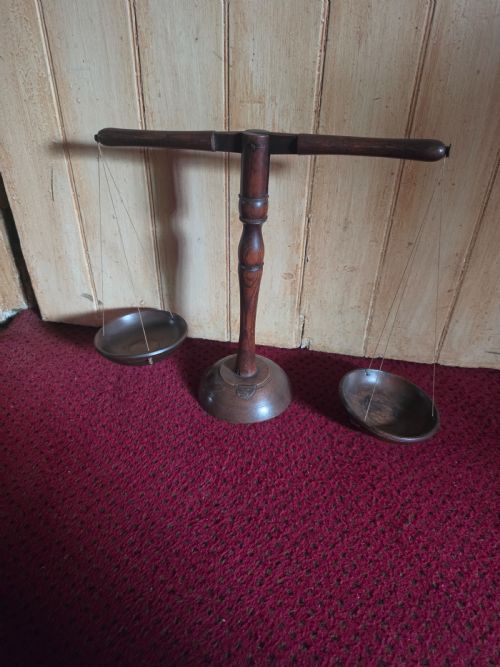
Local artisans utilised indigenous materials, predominantly shaping items from native hardwoods, regional slate, and brass. Woodworkers employed hand-carving and chip-carving techniques to decorate treen and spinning chairs.
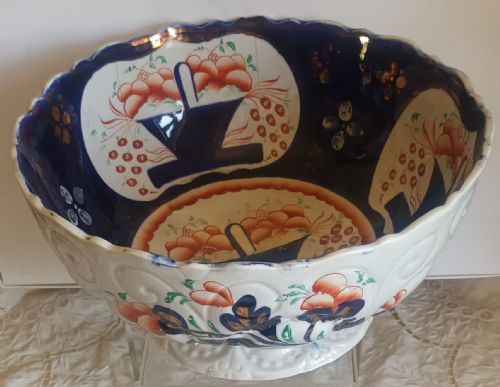
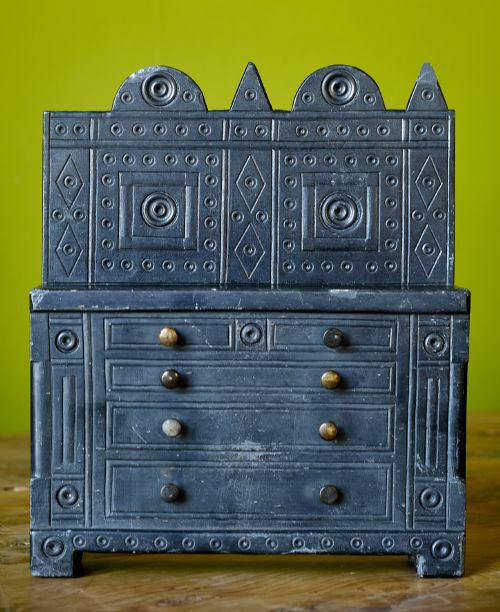
Slate workers transformed quarried stone into miniature chests of drawers, fire surrounds, and architectural columns using precise cutting and incision methods. Potters shaped earthenware bowls and jugs, frequently finishing them with traditional polychrome or gaudy patterns.
Victorian Welsh Folk Art Retail Price Guide 2026
Typical asking prices for victorian welsh folk art among the pieces listed under this phrase on Sellingantiques today, from the lower quarter to the upper quarter. They describe what is for sale here now, not the wider market.
One remarkably patient maker tucked an entire sailing ship inside a glass bottle, complete with rigging and a dedicated display stand.
Assessing Craftsmanship
Quality rests upon the ambition of the carving and the fidelity of the regional detail, separating simple utility items from highly decorative presentation pieces. Makers who incorporated named dates, initials, or specific architectural subjects achieved a higher standard of craftsmanship.
The preservation of original painted surfaces, distinct polychrome wax decoration, and untouched patination on wood and slate elevate individual examples. Finer specimens display superior proportion and precise incision work that reflect advanced bench skills.
The Victorian Welsh Folk Art Glossary
- Lovespoon
- A traditional wooden decorative spoon carved as a token of affection. Makers frequently embellished these pieces with intricate symbols, initials, and dates.
- Gaudy Welsh
- A distinctive type of Staffordshire-style pottery featuring vibrant cobalt blue, copper lustre, and iron-red glazes. This ware was widely exported to and popular within Wales.
- Vernacular
- Architecture and objects built or made by local people using traditional methods and local materials. Such pieces ignore academic architectural styles in favour of practical utility.
- Chip carving
- A technique where small chips are removed from the surface of wood to create geometric patterns. Artisans applied this method extensively to decorate small boxes and household items.
Victorian Welsh Folk Art: Frequently Asked Questions
What is a lovespoon?
A lovespoon is a traditional wooden decorative token carved by hand to celebrate romance or betrothal.
Makers often incorporated intricate motifs such as hearts, chains, and initials into the handle.
Why are slate models common?
Slate models reflect the immense influence of the Welsh slate industry upon local domestic culture.
Quarrymen and masons utilised waste material to carve miniature furniture and architectural replicas.
How should I display treen?
Treen pieces benefit from stable indoor environments away from direct sunlight and fluctuating humidity.
Displaying them on open shelving or within cabinets allows the varied patination of the hardwood to remain visible.
What is Gaudy Welsh pottery?
Gaudy Welsh pottery consists of earthenware items decorated with vibrant cobalt blue, copper lustre, and pink highlights.
These colourful patterns were produced specifically for the Welsh domestic market during the nineteenth century.