

Victorian Watercolour Portrait Painting
A victorian watercolour portrait painting captures the likenesses of individuals through pigment on paper, offering collectors a direct link to nineteenth-century life.
Victorian Watercolour Portrait Painting
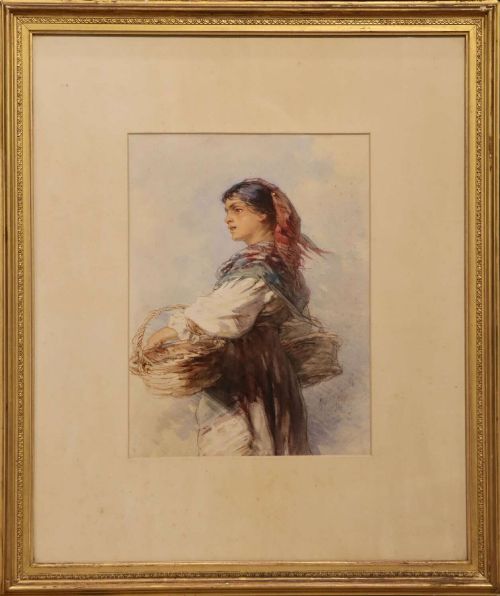
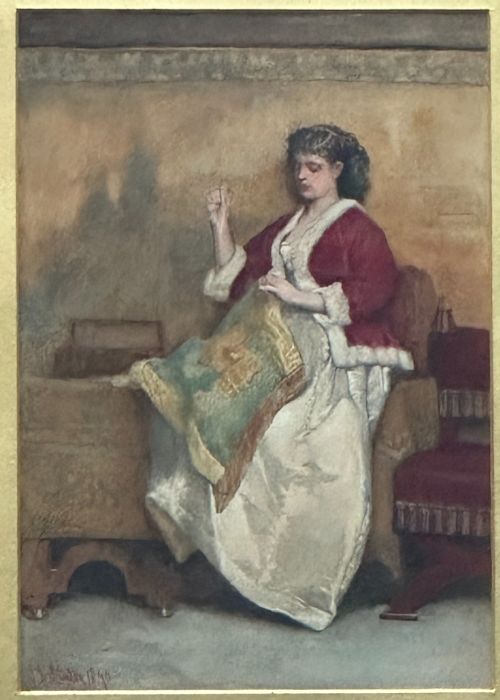
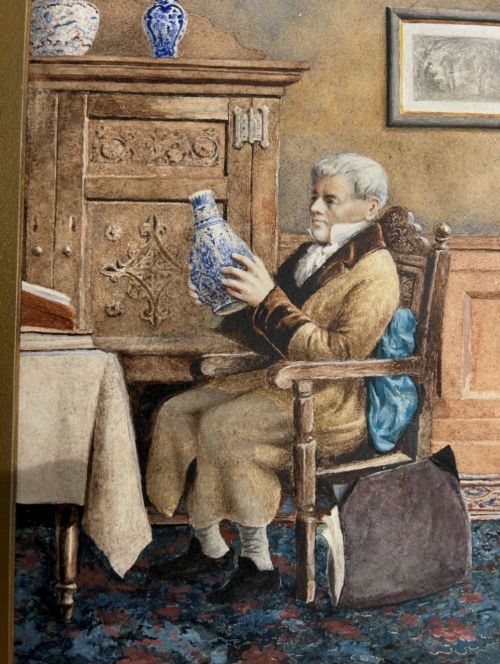
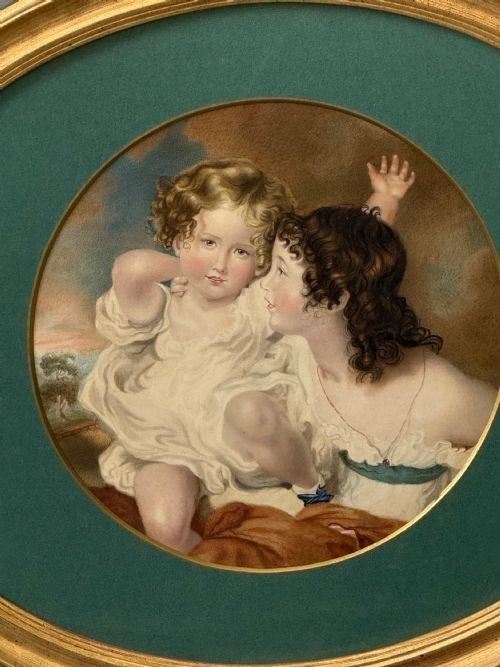
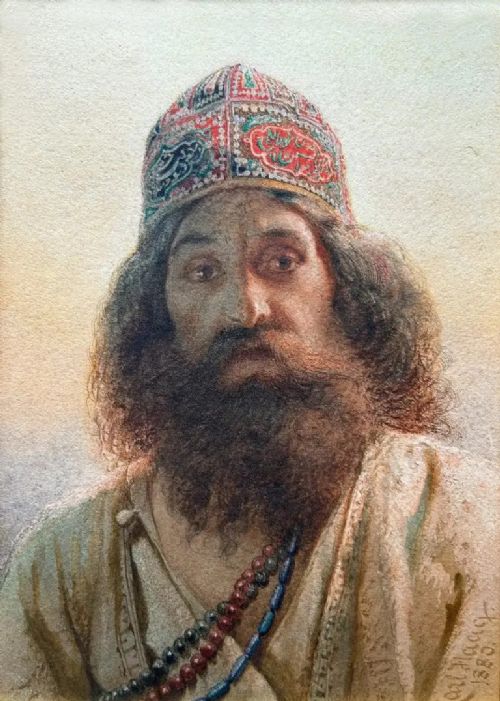
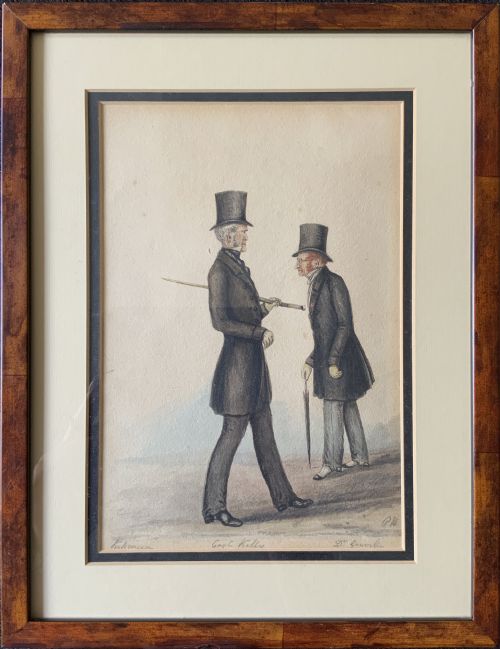
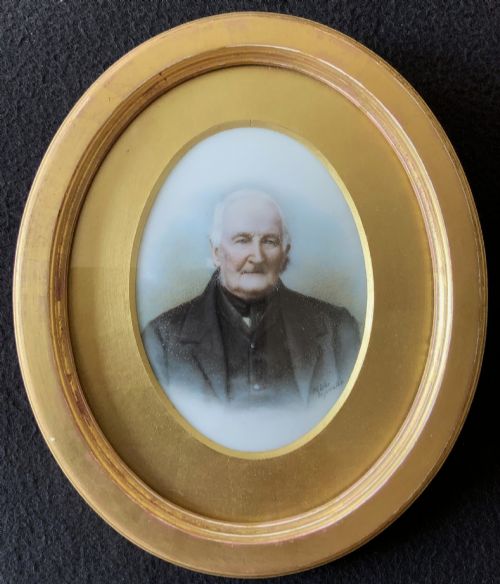
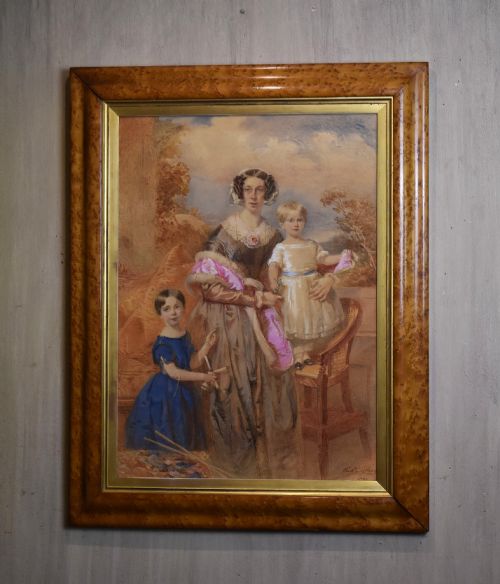
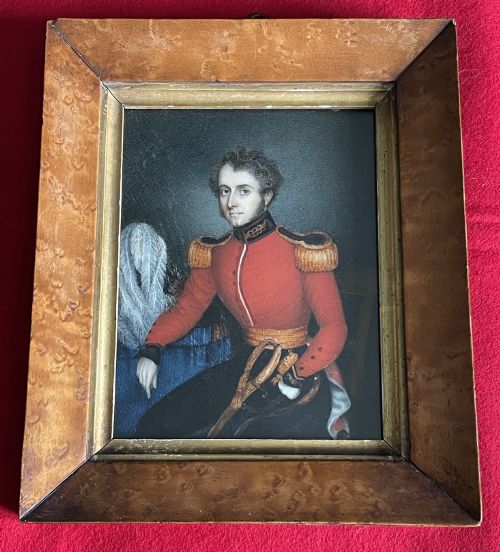
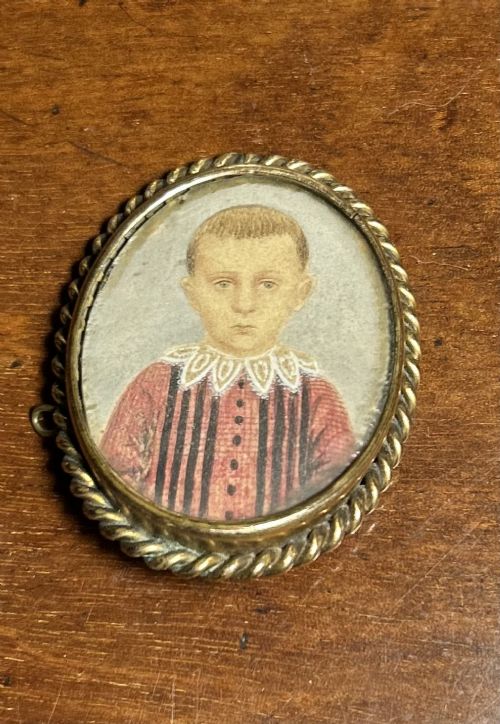
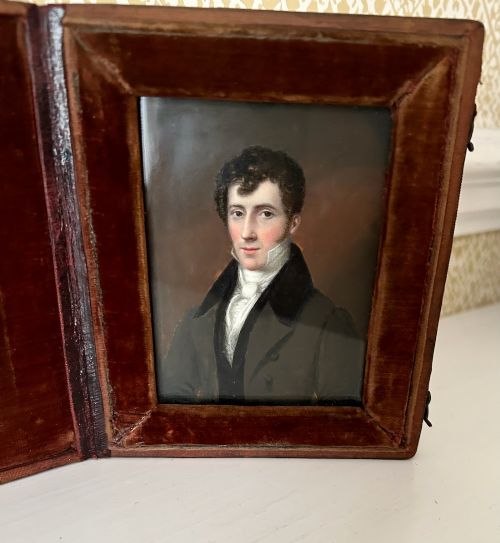
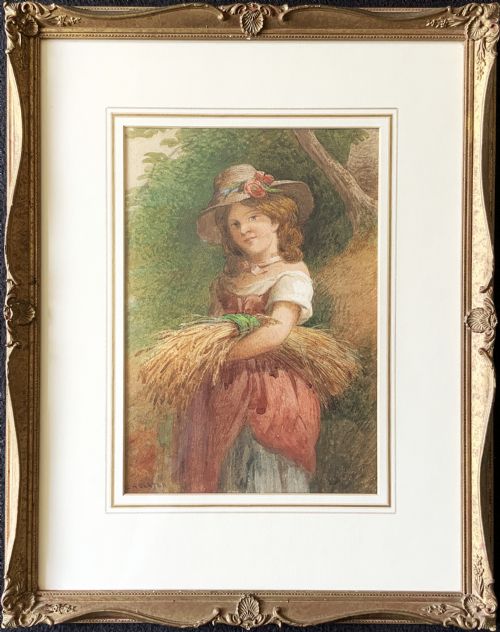
A victorian watercolour portrait painting encompasses works executed on paper during the nineteenth century, ranging from intimate miniature studies set in brooches or frames to larger framed works. Buyers encounter subjects from children and officers to peasants and literary figures, recorded with varying degrees of formality.
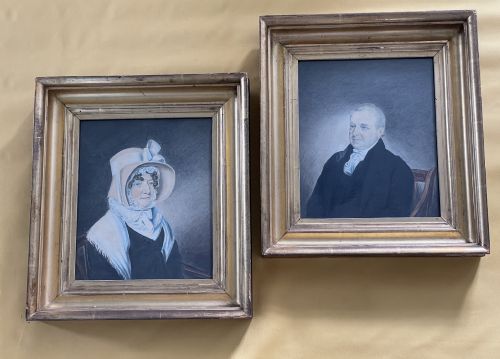
The selections on this page bridge several aesthetic movements, drawing on Regency roots, Early Victorian traditions, and later Pre-Raphaelite or Orientalist developments. Many works exist as single framed paintings or paired studies, occasionally accompanied by pencil underdrawings or gouache highlights.
Makers and regional schools represented span British practitioners alongside continental European artists. These images record personal histories, family groups, and character studies set against domestic or exotic backgrounds.
How They Were Made
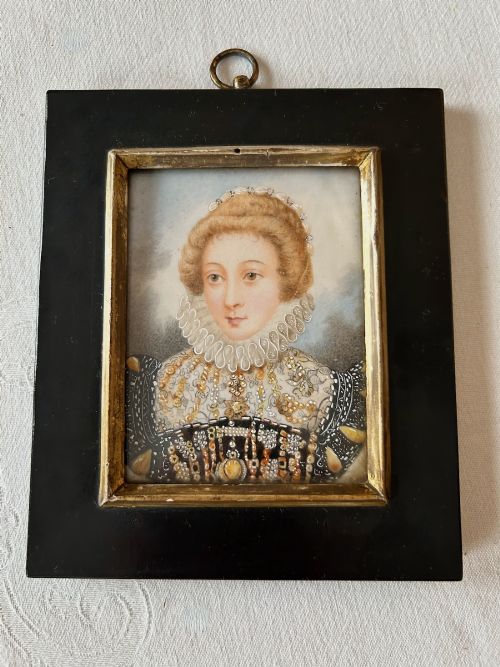
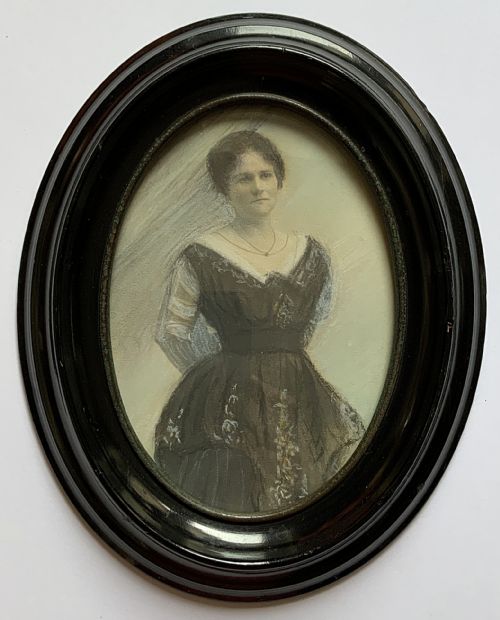
Artists applied watercolour pigments onto paper, sometimes combining bodycolour or gouache to achieve opaque highlights and rich texture on the surface. Miniature portraits often utilised paper or ivory housed behind glass within protective housings such as ebonised wooden frames, papier-mâché surrounds, or metal brooch mounts.
Listings feature works spanning the nineteenth century into the early twentieth century, utilising paper, watercolour, glass, and gilt wood.
What Varies in Quality
Preservation of the delicate pigment and the surrounding mount significantly influences the standing of a piece. Works retaining their original giltwood frames, glass, and untruncated paper margins command greater appreciation among collectors.
Guido Bach·Henri Fradelle·Sir James Dromgole Linton·Henry Stacy Marks·Carl Haag·Frederick Tatham·Charles Henry Slater·Philip Richard Morris·Alice Anne Renshaw·Charles Bellay·Arthur Wardle·J Hardy·Filipo Indoni·J Bizo·Henry E Hobson·Basil Nightingale·William Egley·J Moffat
The Victorian Watercolour Portrait Painting Glossary
- Gouache
- An opaque watercolour medium containing pigment mixed with a water-bound binding agent and inert white material. It provides dense, matte coverage for highlights in portraiture.
- Miniature
- A small-scale portrait designed for personal carriage or intimate display. These are frequently set into lockets, brooches, or specialised small frames.
- Bodycolour
- Another term for gouache or watercolours mixed with white pigment to achieve opacity. Artists used it to add solidity and light to fabric and flesh tones.
- Ebonised
- Wood treated to imitate ebony, producing a dark, uniform black finish. This technique was common for nineteenth-century portrait frames to create strong contrast with the paper.
- Pre-Raphaelite
- An artistic movement associated with detailed observation, bright colour, and complex literary or moral themes. Practitioners within this sphere brought intense naturalism to portraiture.
Victorian Watercolour Portrait Painting: Frequently Asked Questions
What subjects appear in these portraits?
The sitters range from family members and children to military officers, agricultural workers, and literary or exotic figures. Artists recorded individuals from various social strata, capturing both formal likenesses and informal character studies.
Many works document specific historical costumes, uniforms, and regional dress associated with the nineteenth century. Others depict named individuals alongside anonymous sitters styled as peasants or historical figures.
How were portrait miniatures displayed?
Miniatures were frequently housed in small protective cases, framed in birdseye maple, or mounted into wearable pieces such as brooches. These formats allowed owners to carry likenesses of loved ones close to them.
Larger versions typically received standard wall framing utilising wood, gilt, or ebonised mouldings under glass to protect the paper from dust and moisture.
How do you date a watercolour portrait?
Dating relies on recorded artist lifespans, inscribed dates on the reverse or front, and stylistic markers such as clothing fashions and hair arrangements. Specific framing styles and mounting techniques also provide clues to the period of execution.
Archival records and signatures help attribute works to particular decades within the nineteenth century, from Regency origins through the Victorian era into the early twentieth century.
What materials make up these works?
The primary components consist of watercolour paint applied to paper, occasionally supplemented with pencil underdrawing or gouache highlights. Frames incorporate wood, giltwood, paper mâché, and gold leaf, with glass protecting the painted surface.
Backings often feature contemporary inscriptions, artist notes, or trade labels that verify the origins of the framing and the identity of the sitter.