

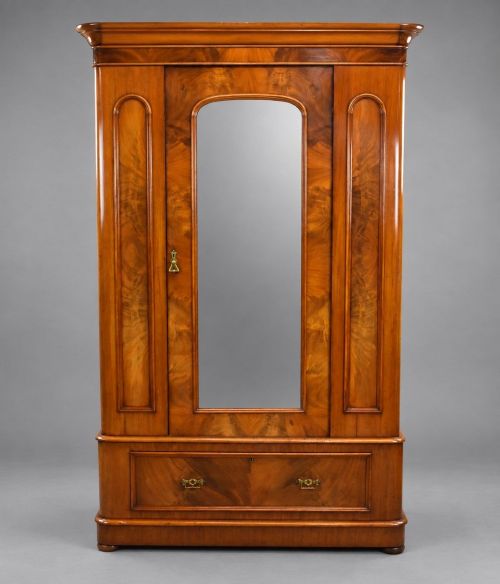
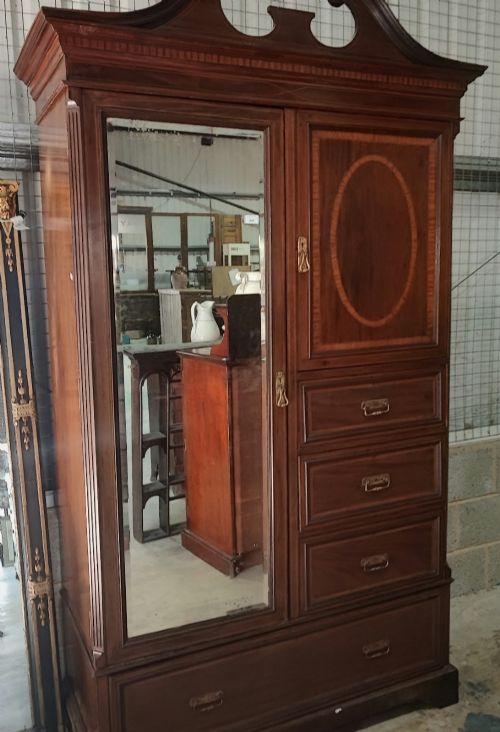
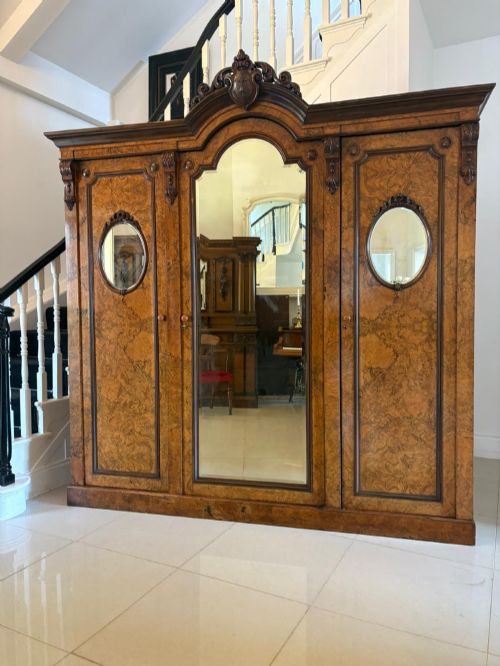
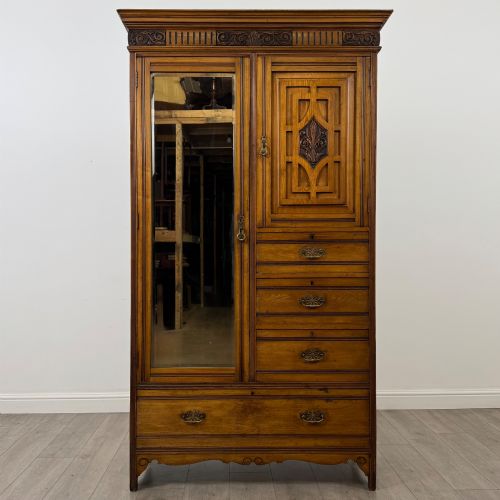
Victorian Wardrobe with Mirror
A victorian wardrobe with mirror offers grand scale and practical reflection, bringing nineteenth-century presence to the modern bedroom.
Victorian Wardrobe with Mirror
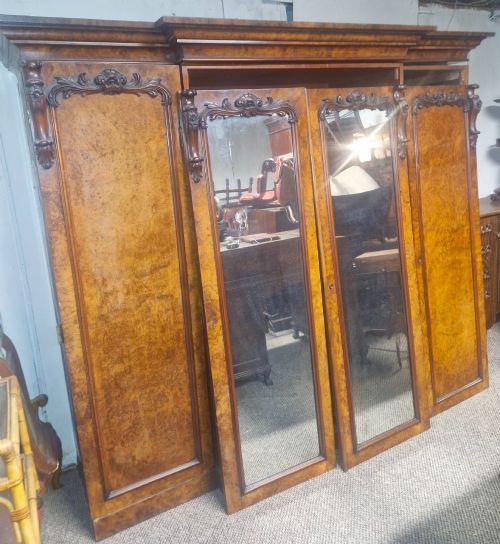
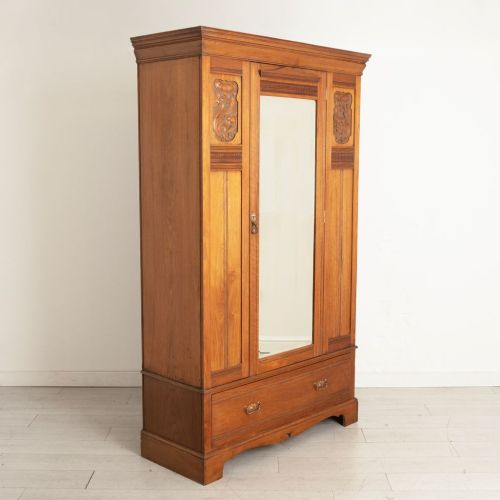
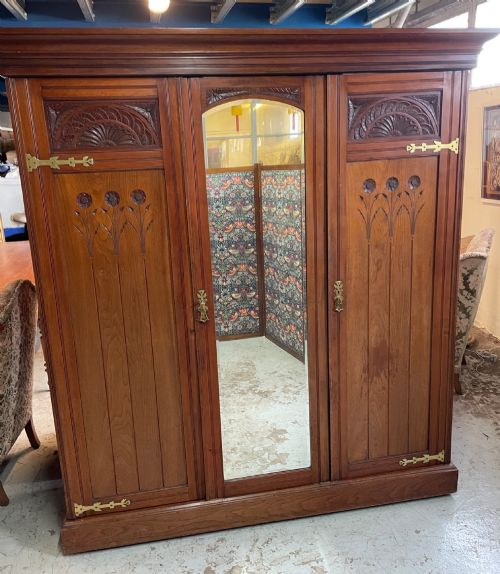
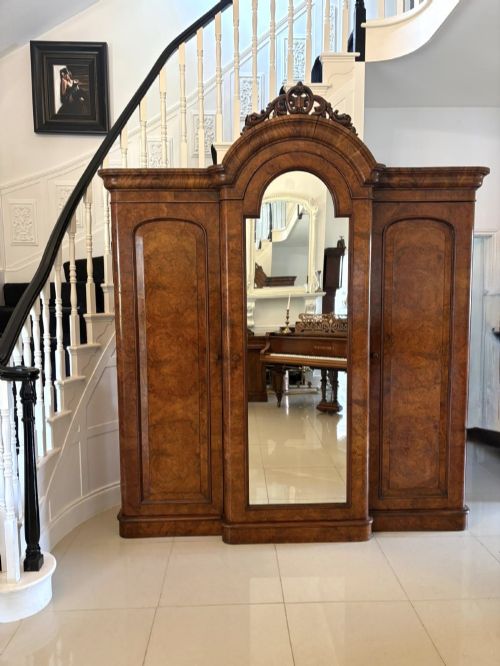
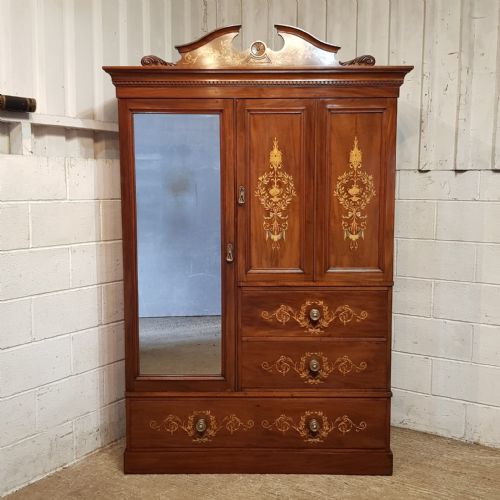
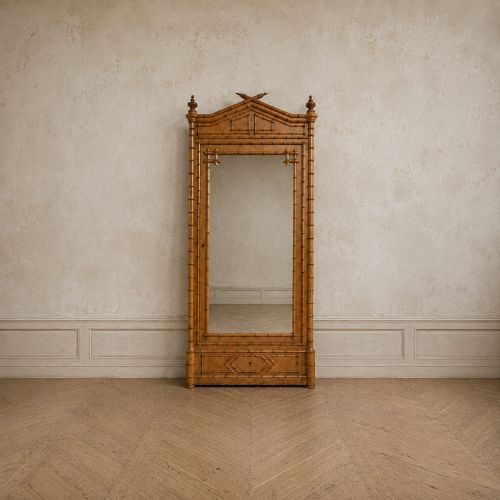
A victorian wardrobe with mirror combines robust nineteenth-century storage with functional glass plates, spanning simple single door pieces to expansive multi-piece combinations. These large bedroom furnishings appear across the Victorian period, emerging from workshops in dense hardwoods and softer timbers alike.
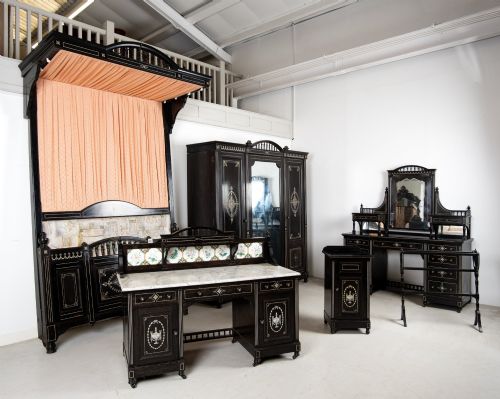
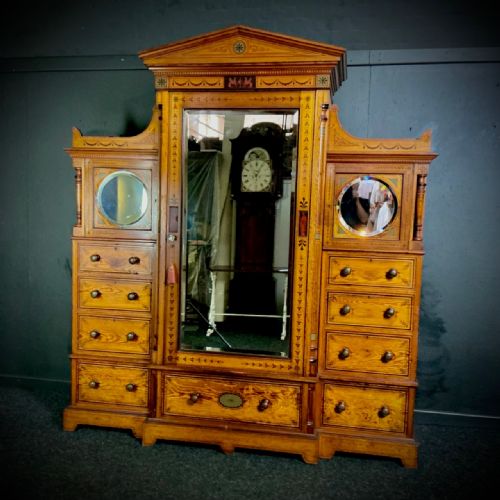
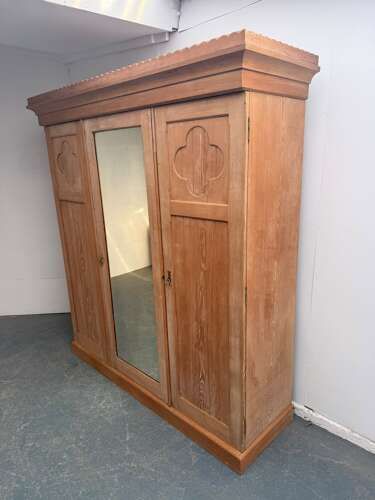
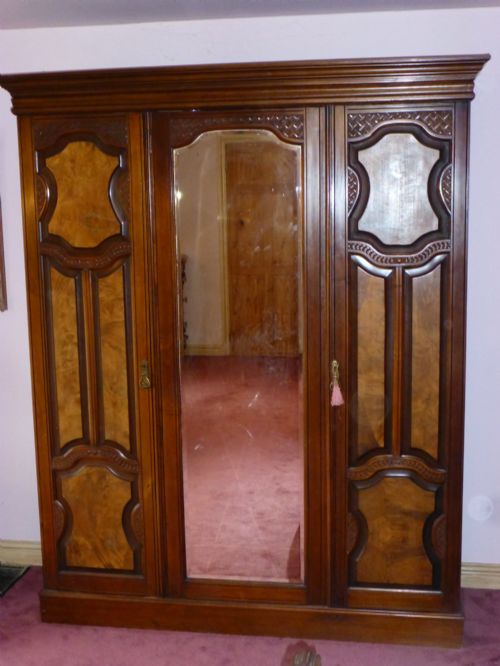
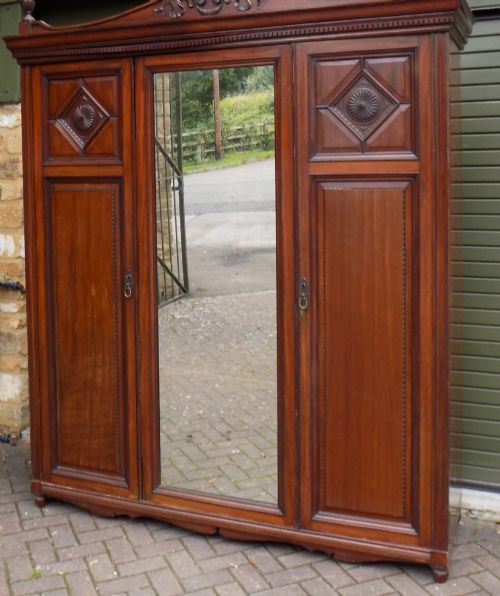
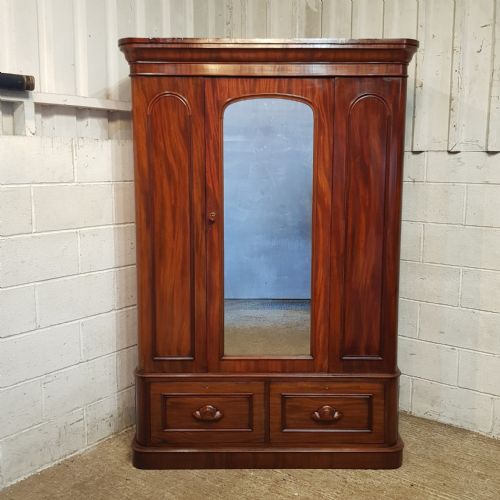
The most common examples on this page are substantial mahogany or pine constructions featuring full-length mirrored doors alongside internal hanging space and drawers. Buyers will also encounter compactum versions, ash and burl walnut builds, and larger bedroom suites dating from the 1870s to the close of the century.
Makers of the period utilised architectural proportions and timber veneers to create striking silhouettes for domestic interiors. Whether configured as a single piece or a dismantlable unit, each item addresses traditional clothing storage needs with period character.
Materials and construction
Makers constructed these wardrobes using solid timbers such as mahogany, pine, ash, and pitch pine, frequently applying flame mahogany veneer or ebonised and inlaid details to prominent surfaces. Brass hardware secures the doors and internal fittings, while glass forms the reflective mirror plates inset into the timber framing.
Joinery techniques accommodated the sheer weight of these large carcasses, incorporating dismantlable designs in pine and mahogany to facilitate transport and placement. Internal fitted compartments, drawers, and combination spaces utilised secondary timbers to organise clothing effectively.
Victorian Wardrobe with Mirror Retail Price Guide 2026
Typical asking prices for victorian wardrobe with mirror among the pieces listed under this phrase on Sellingantiques today, from the lower quarter to the upper quarter. They describe what is for sale here now, not the wider market.
Listings feature pieces spanning the Victorian period, utilising materials including mahogany, pine, ash, pitch pine, and brass.
Assessing quality and craftsmanship
Quality in these pieces rests upon the selection of timber figures, such as flame mahogany or burl walnut, and the precision of inlaid decorative work. Superior examples demonstrate refined proportions and harmonious integration of the mirror door within the overall timber facade.
Construction methods also distinguish finer wardrobes, particularly in the complexity of fitted interiors and combination compartments. The handling of secondary woods and the integrity of the original glass mirror plate further separate standard workshop production from more ambitious cabinet work.
The Victorian Wardrobe with Mirror Glossary
- Compactum
- A multi-compartment wardrobe designed for efficient storage, combining hanging space, shelves, and internal drawers within a single carcass.
- Flame Mahogany Veneer
- A thin layer of mahogany sliced to reveal a distinctive flame-like grain pattern, applied to primary surfaces for visual impact.
- Ebonised
- Timber treated with a dark finish to imitate expensive ebony, popular in late nineteenth-century cabinet making.
- Pitch Pine
- A durable resinous softwood utilised during the Victorian period for robust domestic furniture.
- Aesthetic Movement
- A late nineteenth-century style focusing on artistic design values, visible in the decorative details of certain wardrobes.
Victorian Wardrobe with Mirror: Frequently Asked Questions
What is a compactum wardrobe?
A compactum is a specialised form that packs multiple storage functions, including hanging sections, shelves, and internal drawers, into a unified footprint.
These pieces offer varied internal organisation compared to standard single or double door wardrobes.
How do I distinguish pine from mahogany pieces?
Pine is a lighter softwood often finished with wax or paint, whereas mahogany is a dense hardwood featuring deep reddish-brown tones and prominent grain patterns.
Pine wardrobes generally suit more rustic or country interiors, while mahogany provides a formal aesthetic.
Are the mirror plates original?
Mirror plates in nineteenth-century furniture can be original or later replacements depending on the history and survival of the piece.
Original glass frequently displays subtle imperfections and silvering wear consistent with age.