

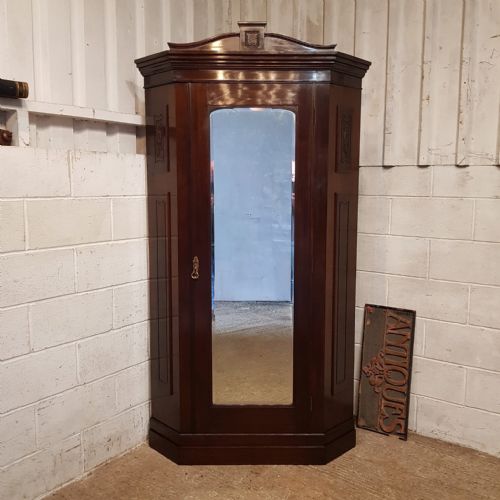


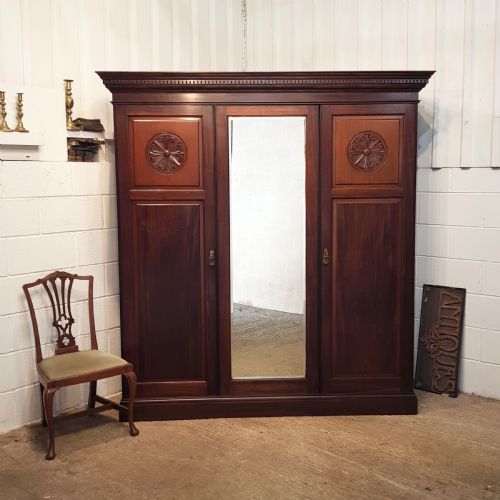
Victorian Wardrobe C1890
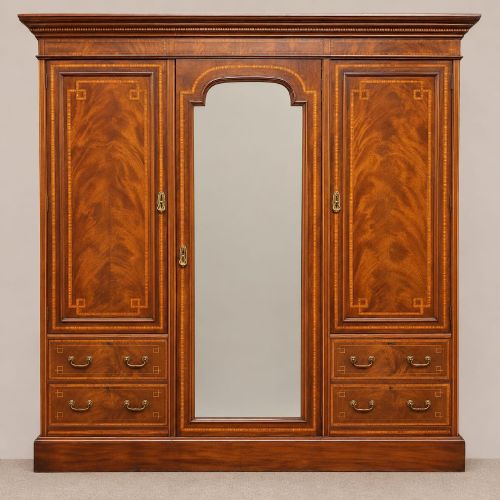
A victorian wardrobe c1890 offers substantial period storage in mahogany, walnut, or pine, combining deep hanging space with practical interior drawers.
Victorian Wardrobe C1890
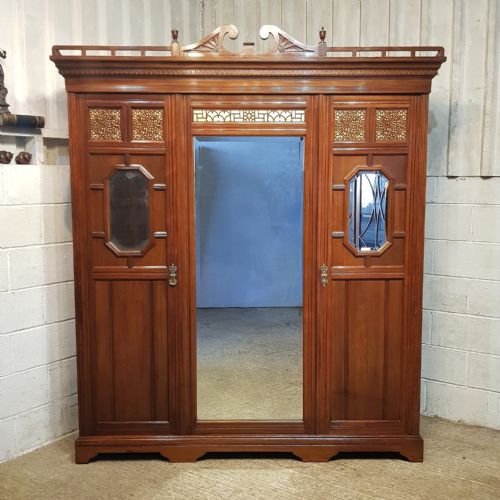
A victorian wardrobe c1890 is a large bedroom piece originating from the late nineteenth century, appearing in formats ranging from single door cupboards to expansive triple wardrobes. These heavy wooden items were built to handle the extensive clothing collections of the period.
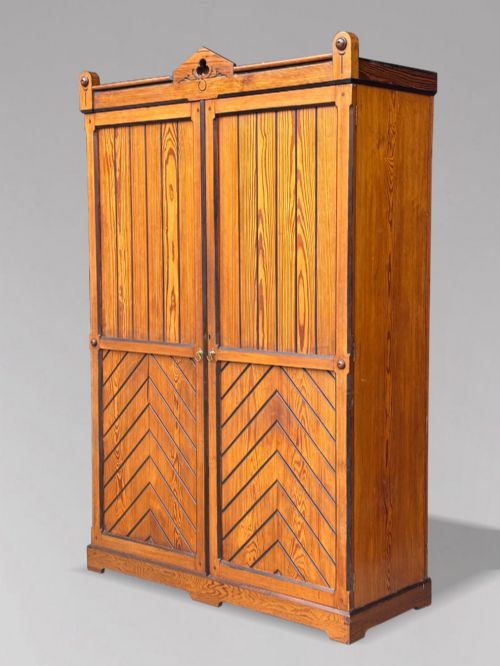
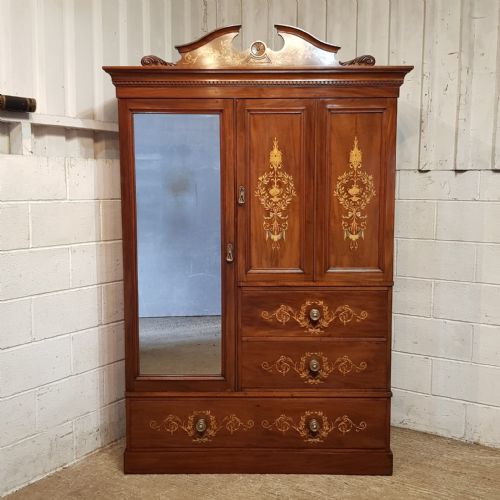
The pieces on this page include mahogany, walnut, burr walnut, and pine constructions, alongside specialised forms like combination wardrobes, corner units, and compactums. Scottish Arts & Crafts examples also appear alongside standard Late Victorian designs.
Buyers seeking a victorian wardrobe c1890 will encounter configurations that often integrate gentleman's dressing chests or sentry box formats. These variations reflect how bedrooms were fitted out during the 1890s.
Materials and Construction
Cabinet makers built these wardrobes predominantly using solid mahogany and walnut, frequently applying burr walnut veneers to door panels for distinctive grain patterns. Pitch pine and standard pine also served as structural timbers, particularly in regional pieces.
Glass mirrors and cast brass hardware functioned as standard fittings on late nineteenth-century doors and internal drawers. Construction relied on traditional joinery techniques to support the considerable weight of large timber panels.
Victorian Wardrobe C1890 Retail Price Guide 2026
Typical asking prices for victorian wardrobe c1890 among the pieces listed under this phrase on Sellingantiques today, from the lower quarter to the upper quarter. They describe what is for sale here now, not the wider market.
Listings feature mahogany, walnut, burr walnut, pine, and satin walnut across Victorian and Arts & Crafts styles.
Distinctions in Quality
Quality in a victorian wardrobe c1890 is determined by the choice of timbers and the sophistication of the internal configuration, such as fitted trays and separate drawer sections within compactum designs. Finer examples utilise figured burr walnut or select mahogany veneers across large surfaces.
The architectural execution of cornices, panel mouldings, and the integration of specialised units like corner wardrobes or combination pieces set superior cabinet work apart from simpler utility items.
The Victorian Wardrobe C1890 Glossary
- Combination Wardrobe
- A multi-section bedroom piece that integrates hanging space with drawers, shelves, or a central dressing area.
- Compactum
- A large wardrobe featuring a partitioned interior that combines hanging compartments with multiple internal drawers.
- Burr Walnut
- A decorative wood veneer harvested from the warted growths of walnut trees, prized for its swirling grain patterns.
- Pitch Pine
- A durable resinous softwood utilised in nineteenth-century furniture construction, known for distinct growth ring patterns.
Victorian Wardrobe C1890: Frequently Asked Questions
What is a combination wardrobe?
A combination wardrobe brings together multiple storage functions within a single piece of furniture, incorporating hanging spaces alongside banks of drawers or internal shelving.
These layouts provided Victorian users with comprehensive bedroom storage before fitted wardrobes became standard in domestic architecture.
How do I use a compactum?
A compactum functions as an all-in-one bedroom storage unit designed to hold folded garments, accessories, and hanging clothes in dedicated internal compartments.
Their segmented interior layouts allow for efficient organisation of a complete wardrobe within a single large cabinet.
What is satin walnut?
Satin walnut refers to the timber of the American sweetgum tree, which gained popularity in British cabinet making during the late nineteenth century for its warm tone.
Furniture makers utilised this wood as a distinct alternative to native British timbers for bedroom suites.
Are these wardrobes easy to move?
Late nineteenth-century wardrobes were constructed as substantial, heavy items of furniture, often built in sections to facilitate installation in period bedrooms.
Most triple and combination formats require partial dismantling to be successfully transported between rooms.