



Victorian Walnut Washstand
A victorian walnut washstand combines practical nineteenth-century hygiene with rich timber grain and polished stone, offering a striking bedroom surface for modern interiors.
Victorian Walnut Washstand
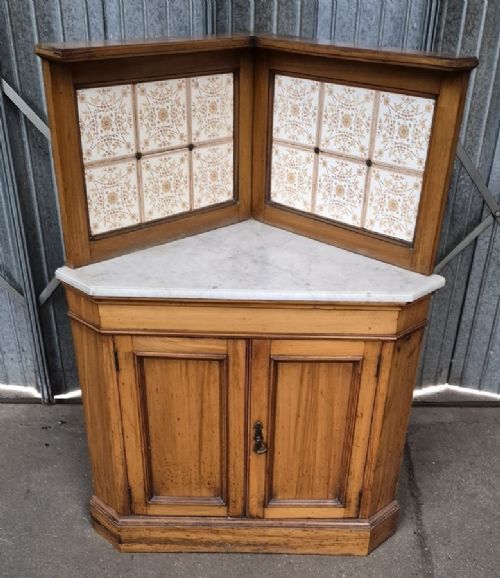
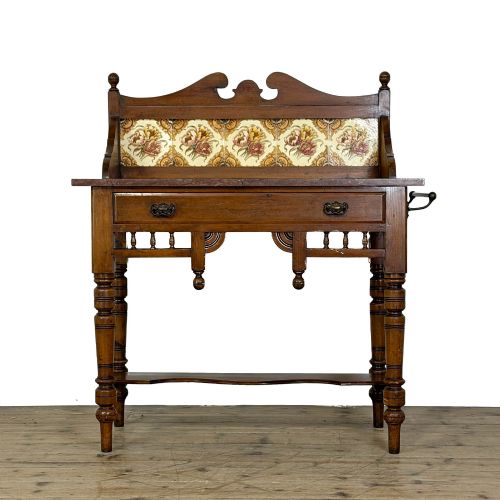
A victorian walnut washstand serves as a functional bedroom cabinet designed to hold a basin and jug before modern plumbed bathrooms became standard. These pieces range from simple corner iterations to elaborate marble-topped variants featuring tiled splashbacks, drawers, and lower shelves.
The versions most commonly met on this page span the Victorian era, utilising standard walnut, burr walnut, and satin walnut alongside contrasting timbers like oak. Surviving examples frequently incorporate stone surfaces or ceramic tiles intended to protect the wooden structure from water splashes during daily use.
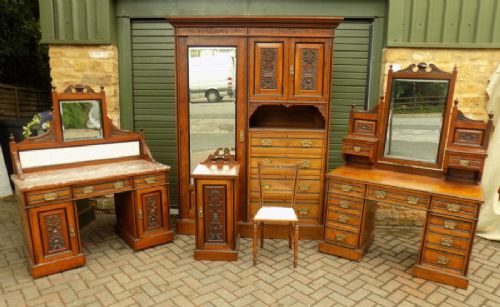
Beyond standard washstands, related forms in the record include bedroom suites, dressing tables, and sideboards that share similar architectural details and timber choices. Makers often applied stylistic influences ranging from the Aesthetic movement and French Rococo revival to Gothic Revival and Art Nouveau.
Judging Quality and Craftsmanship
Quality in a victorian walnut washstand rests upon the selection of the timber, particularly the choice of figured burr walnut or satin walnut veneer against plain carcase elements. Superior pieces display meticulous floral marquetry inlay and substantial, well-veined marble slabs rather than simple timber tops.
The integration of useful components, such as large fitted drawers, original brass hardware, and intact mirror glass or decorative ceramic tiles, separates standard utilitarian examples from finer chamber furniture. Master workshops like Gillows imparted a distinct refinement through balanced proportions and crisp carved details.
Victorian Walnut Washstand Retail Price Guide 2026
Typical asking prices for victorian walnut washstand among the pieces listed under this phrase on Sellingantiques today, from the lower quarter to the upper quarter. They describe what is for sale here now, not the wider market.
Recorded listings show these washstands span from eighteen-sixty to nineteen-ten, utilising walnut, burr walnut, satin walnut, marble, brass, and ceramic tiles.
Walker & Sons·Gillows
The Victorian Walnut Washstand Glossary
- Burr walnut
- A prized timber harvested from tree growths that produces highly swirled, decorative grain patterns. Cabinetmakers used these veneers on prominent drawer fronts and panels.
- Marquetry
- The art of applying decorative pieces of wood veneer to a structure to form intricate floral or geometric designs. This technique elevates the visual richness of the cabinet.
- Aesthetic Movement
- A late nineteenth-century design style focusing on visual beauty rather than narrative meaning. Pieces from this movement often feature clean lines and disciplined ornament.
- Campaign washstand
- A portable piece designed for travel, typically featuring folding elements and brass mounts. These items were built for easy dismantling by military officers or travellers.
- Washstand
- A dedicated bedroom item designed to hold washing equipment before running water became common. They usually incorporate marble tops and tiled backs for water protection.
Victorian Walnut Washstand: Frequently Asked Questions
What was a washstand used for?
A washstand provided a dedicated bedroom station for morning washing before plumbed bathrooms existed in homes. It held a ceramic basin, water jug, and soap dishes.
The marble tops and tiled splashbacks protected the wooden frame from water damage during use. Lower shelves and drawers stored chamber pots, towels, and personal grooming items.
How do I care for marble and walnut?
Clean walnut surfaces using a soft cloth and mild furniture polish while avoiding excessive moisture. Protect the timber finish from standing water and heat.
Treat marble tops with gentle soap and warm water, avoiding acidic cleaners that etch the stone. Re-sealing the marble periodically helps prevent stains from toiletries.
How do I date a walnut washstand?
Examine the construction methods, hardware, and secondary timbers used in the carcase interior. Mid-Victorian pieces often display rich burr walnut veneers, while later examples incorporate art nouveau tiles or satin walnut.
Stylistic cues such as Gothic Revival pointed arches or Aesthetic movement linear details provide further chronological markers. Maker stamps, where present, offer direct confirmation of the production period.
Can I use a washstand in a modern bathroom?
A vintage washstand adapts well as a vanity unit in modern bathrooms with appropriate plumbing adjustments. The marble top naturally accommodates basin cutouts and tap fittings.
Ensure that proper waterproof sealants protect any exposed wood edges near the plumbing. The lower storage space remains useful for holding towels and toiletries.