
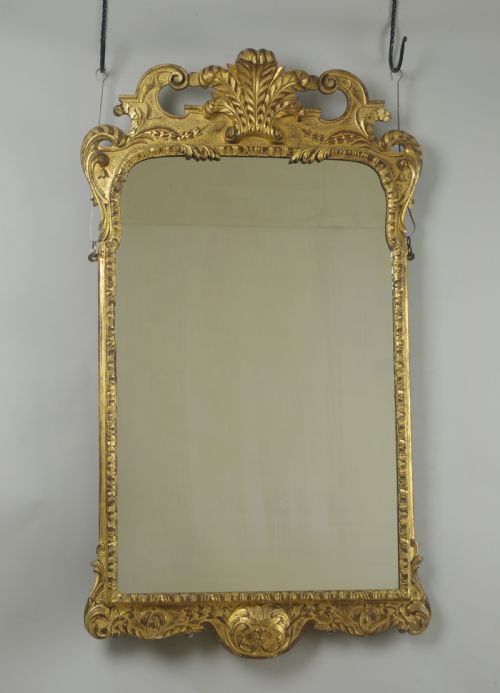
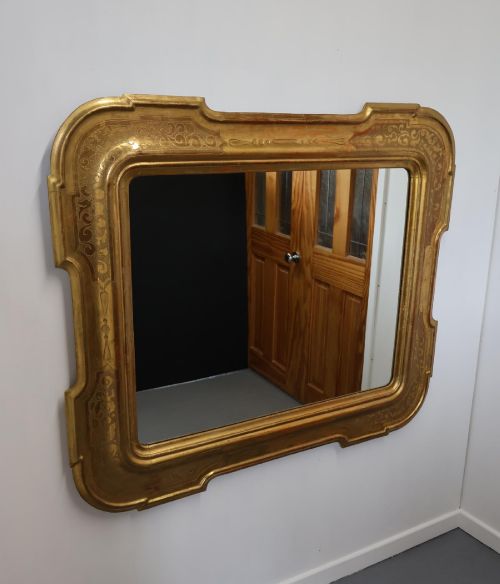
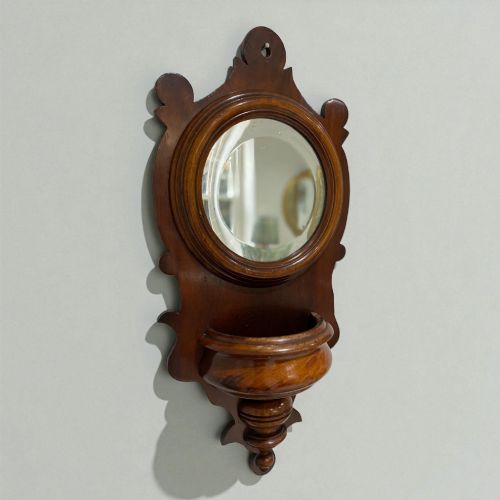
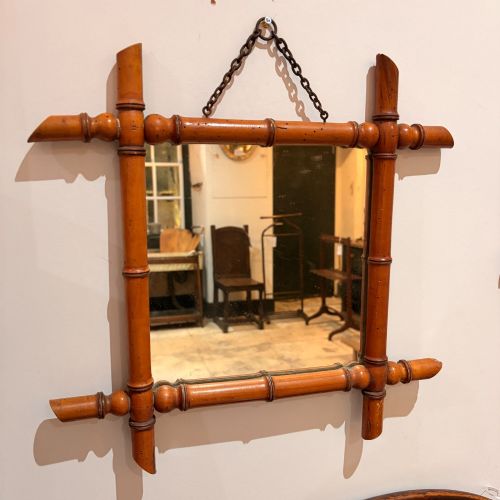


Victorian Wall Hanging Mirror
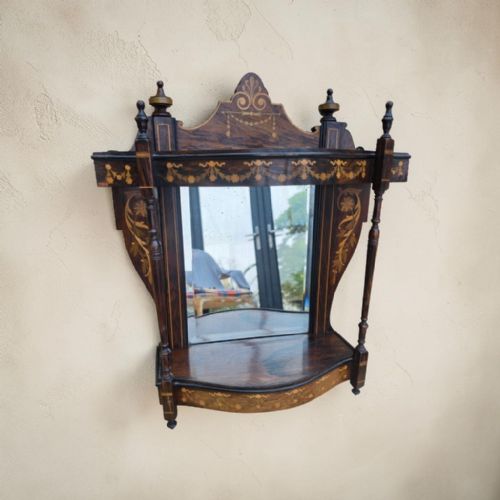
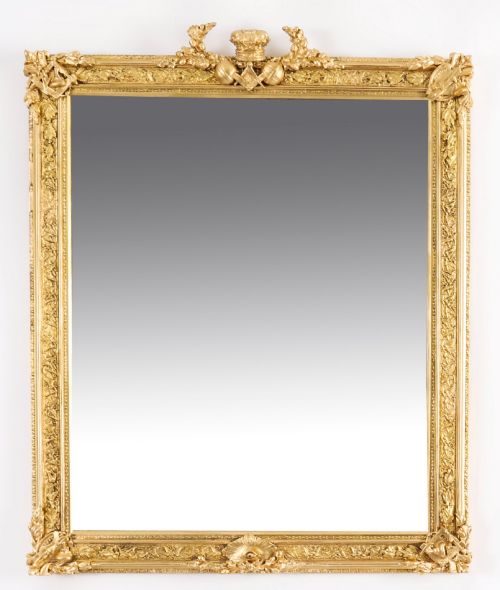
A victorian wall hanging mirror brings nineteenth-century craftsmanship and reflective depth into a hallway, parlour, or dressing room.
Victorian Wall Hanging Mirror
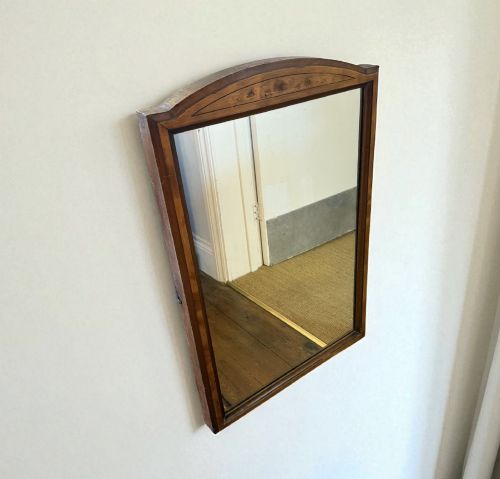
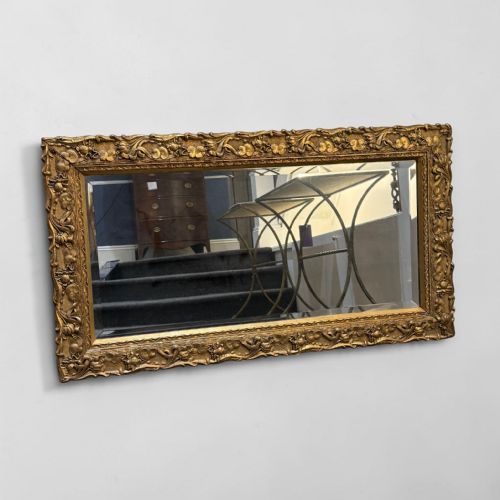
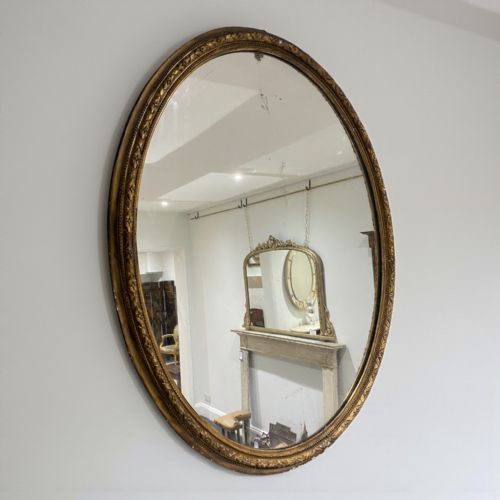
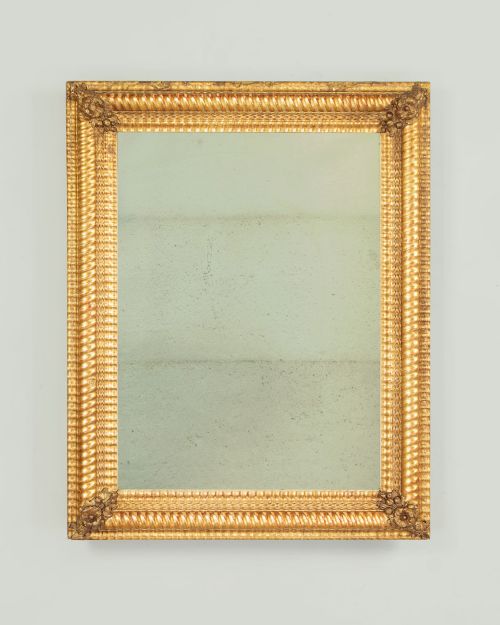
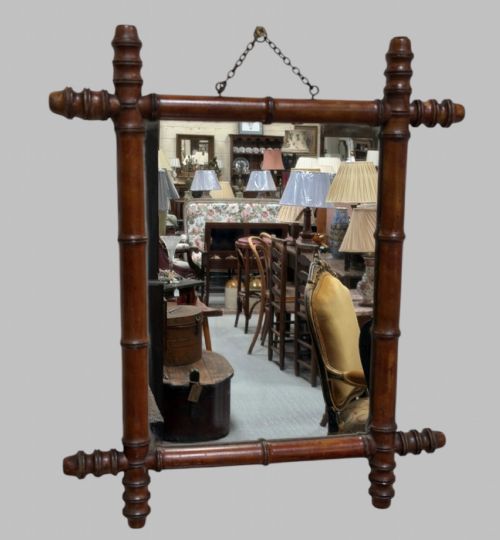
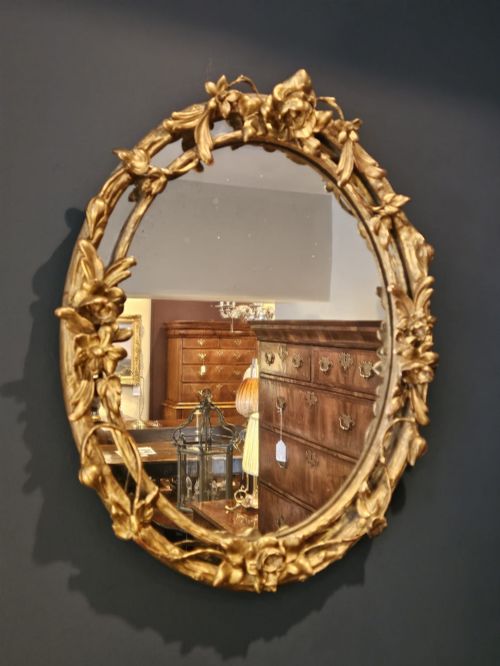
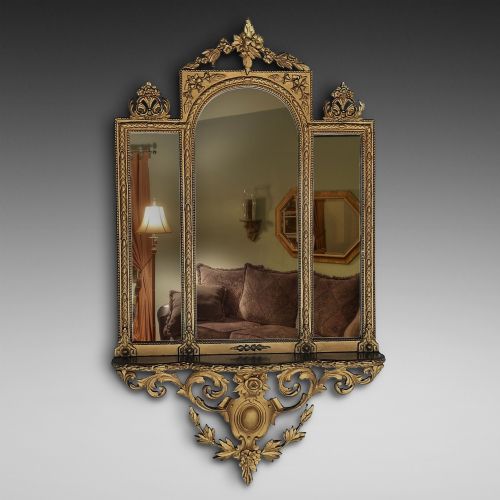
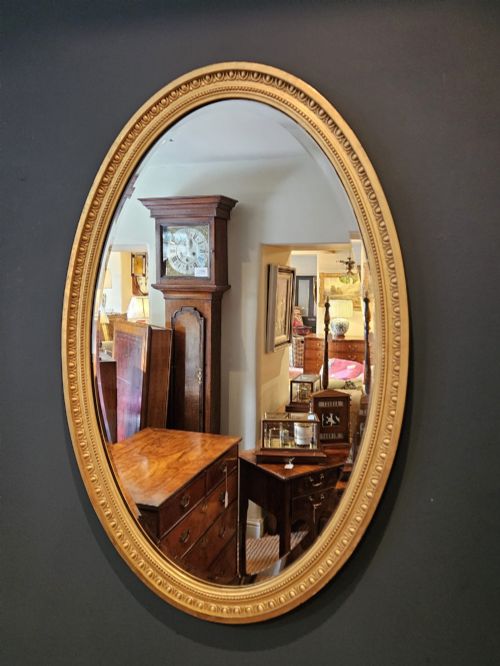
A victorian wall hanging mirror encompasses a wide selection of nineteenth-century looking glasses designed to mount directly onto domestic walls. The pieces on this page span from the middle decades of the eighteen-fifties through to the turn of the twentieth century, with occasional revivals reaching into the nineteen-thirties.
Most examples meet the eye as rectangular, oval, or architectural overmantle frames shaped from timber or moulded ornament. Alongside standard wall mirrors, the selection includes related forms such as hanging cabinets, coat racks incorporating mirror plates, and pier glasses designed to sit between windows.
Judging the work
Quality rests in the crispness of the carved detail and the integrity of the underlying joinery. Hand-carved wooden foliage displays depth and undercut edges, whereas pressed composition moulds appear uniform and blunt upon close inspection.
The preservation of the original mercury or early silvered glass plate dictates the authenticity of the piece. Deep oxidation, foxing, and heavy distortion in the reflection separate untouched period glass from later replacements.
Look closely for Masonic symbols and Gothic horseshoe frames tucked among the floral carvings.
The Victorian Wall Hanging Mirror Glossary
- Gesso
- A plaster-like mixture applied to wooden frames as a smooth base for gilding. It allows artisans to carve or mould intricate decorative reliefs.
- Composition
- A moulded mixture of whiting, resin, glue, and oil pressed into ornamental shapes. It was widely utilised as a cheaper alternative to hand carving.
- Giltwood
- Timber that has been coated in gold leaf. The underlying wood shows warmth where the delicate leaf has thinned over time.
- Pier glass
- A tall mirror designed specifically to hang on the narrow wall space between two windows. They often sat above matching console tables.
- Overmantle
- A large horizontal mirror scaled to fit directly above a fireplace mantelpiece. These pieces frequently anchored the decorative scheme of a Victorian reception room.
Victorian Wall Hanging Mirror: Frequently Asked Questions
Where should I hang a heavy mirror?
Heavy nineteenth-century mirrors require secure fixing directly into solid masonry or substantial wall studs to support the combined weight of timber and glass.
Using appropriate steel brackets or heavy-duty mirror plates distributes the downward pull safely across the wall structure.
How do I clean antique mirror glass?
Clean the glass surface gently with a soft microfiber cloth and a minimal amount of distilled water or mild vinegar solution. Avoid spraying liquid directly onto the edges, as moisture can seep behind the silvering and accelerate foxing.
Are the mirror plates original?
Original nineteenth-century glass often exhibits characteristic signs of age, including small dark spots, minor surface scratches, and soft distortion in the reflection. Perfectly clear, uniform glass usually indicates a later replacement.
How do I identify revival styles?
Revival pieces borrow decorative motifs from earlier eras, such as eighteenth-century Chippendale fretwork or Louis XVI neoclassical symmetry, executed with nineteenth-century manufacturing methods.
Examining the construction joints and backing timbers helps distinguish a period revival from an authentic older piece.