



Victorian Walking Stick Rack
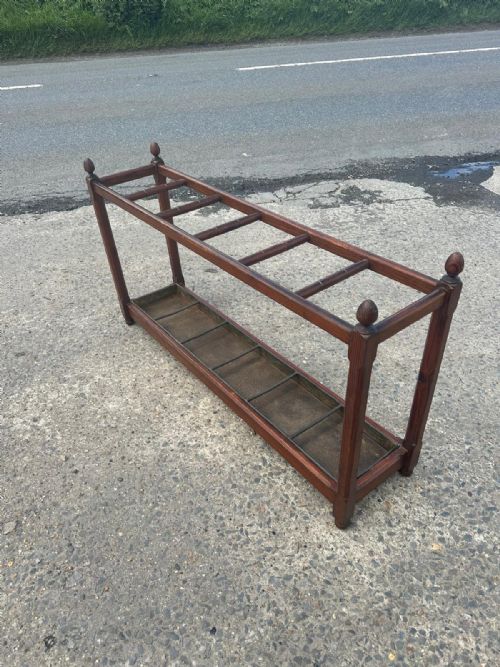
A victorian walking stick rack keeps hallway floors clear while framing the entrance with the weight and purpose of the period.
Victorian Walking Stick Rack
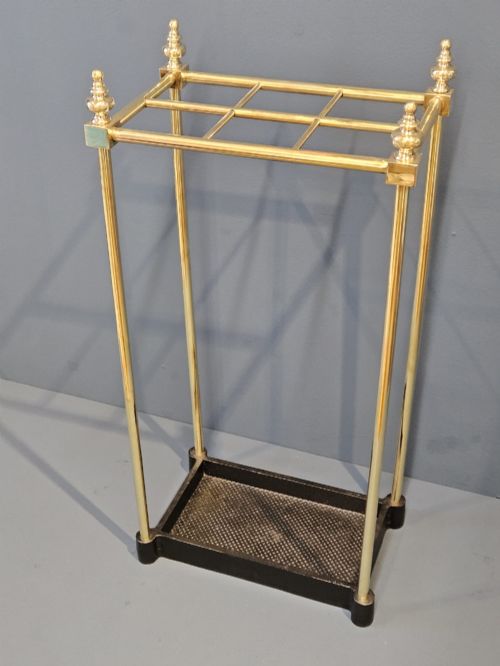
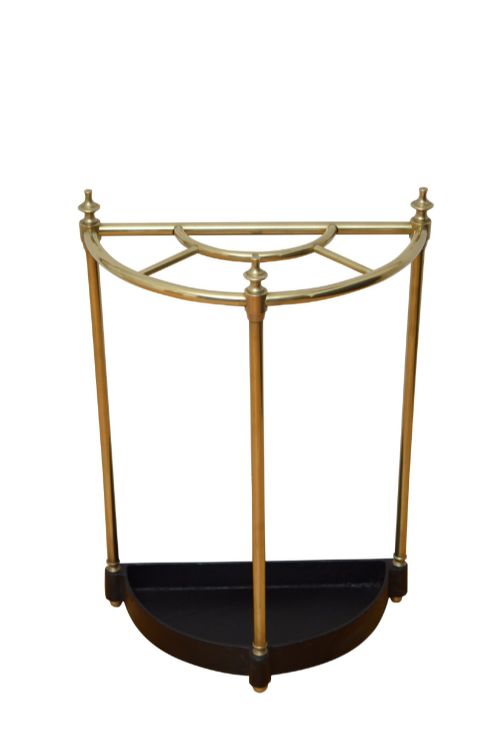
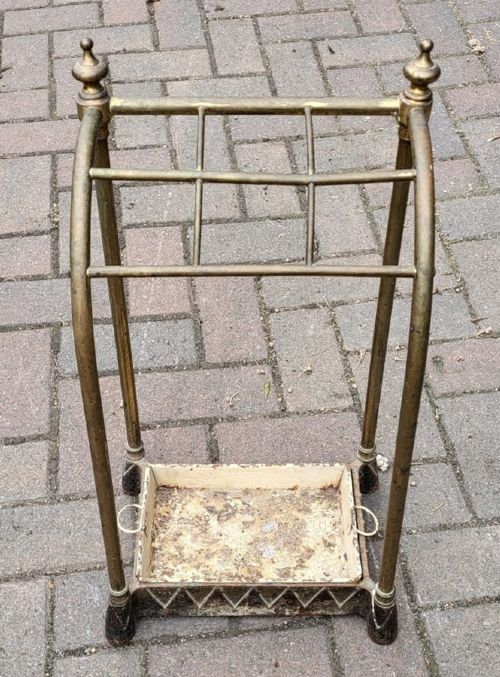
A victorian walking stick rack appears in various hall formats, most commonly as demi-lune or circular brass and cast iron frames designed to hold canes and wet umbrellas near the front door. These pieces span the nineteenth century into the Edwardian era, taking the shape of compact narrow stands or large country house hall furniture.
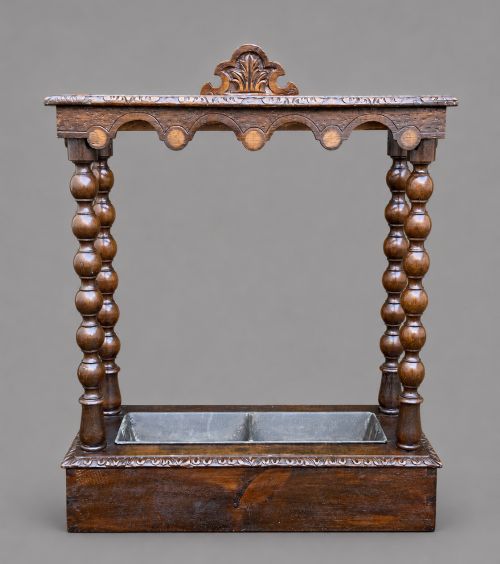
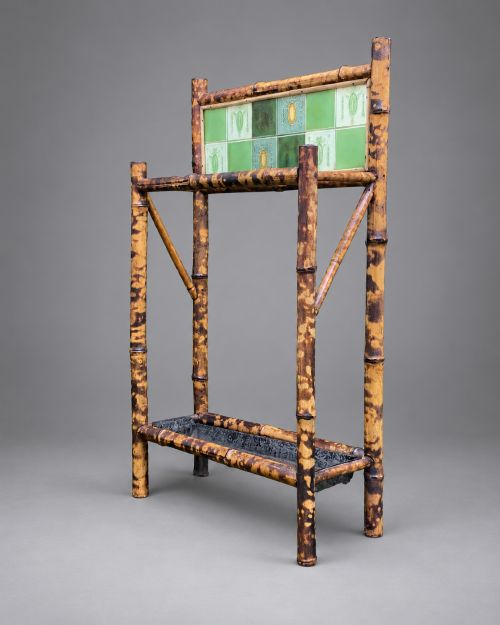
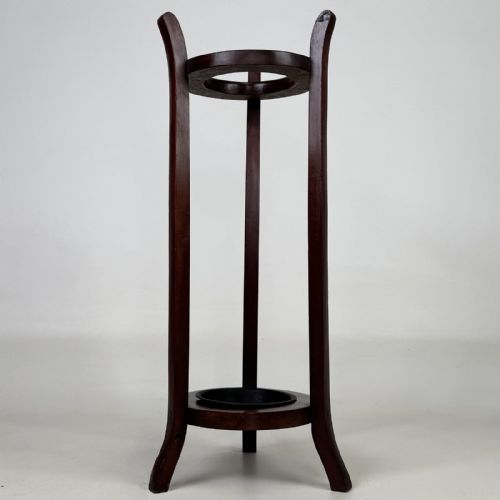
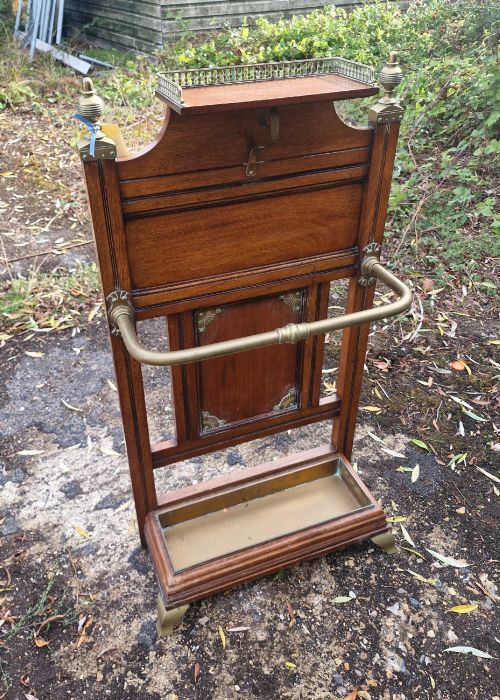
Makers utilised timber such as oak, mahogany, pitch pine, and walnut alongside heavy metal frames to create sturdy receptacles for reception halls. Styles range from plain utility to gothic revival and aesthetic movement designs, often incorporating stick loops or drip trays at the base.
Materials and Technique
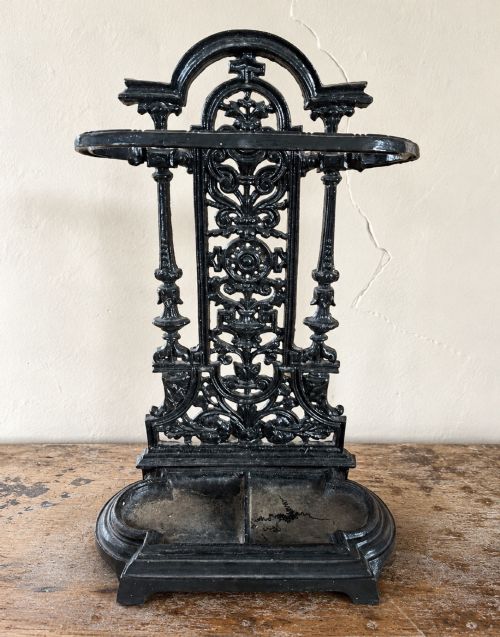
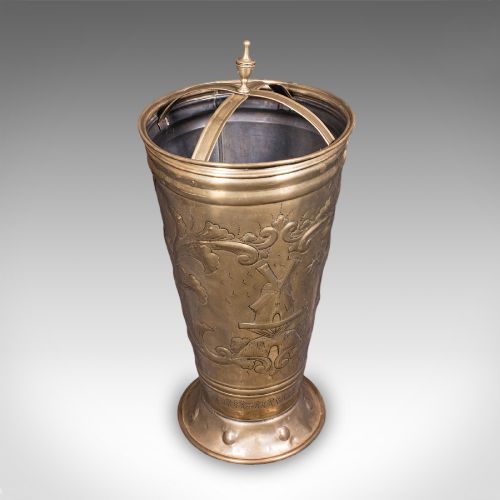
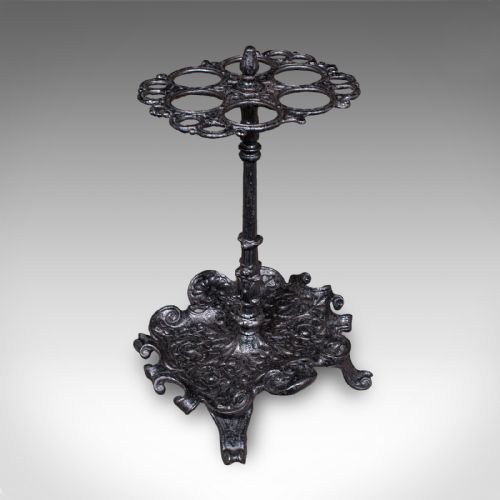
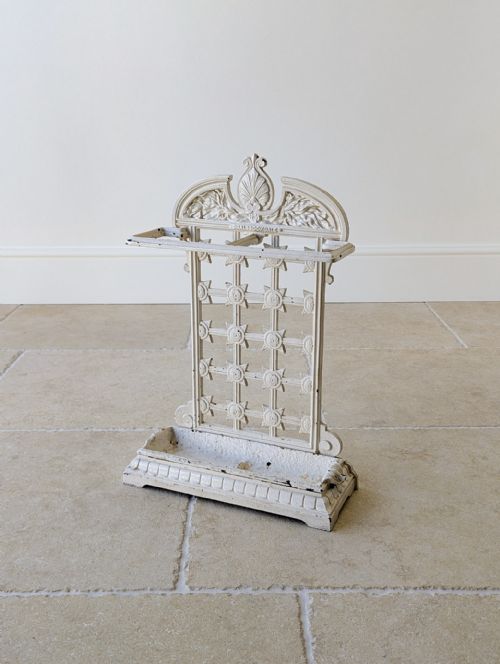
Foundries cast iron and brass into structural frames and decorative loops, often combining both metals to give the stand the necessary weight at the base to prevent tipping. Cast components frequently feature moulded patterns, botanical motifs, or figurative elements like gun dogs.
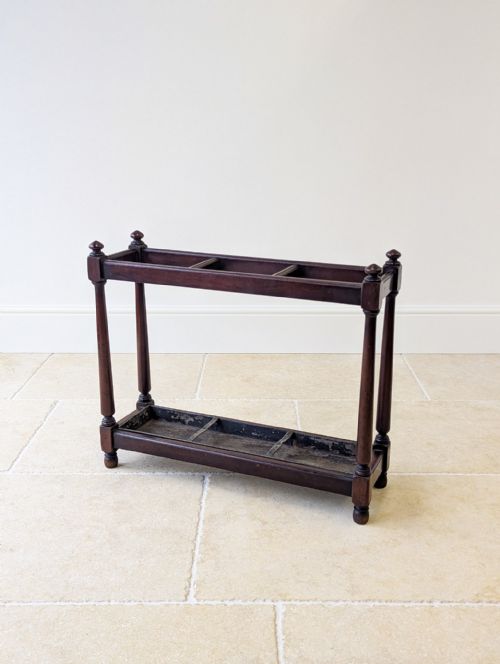
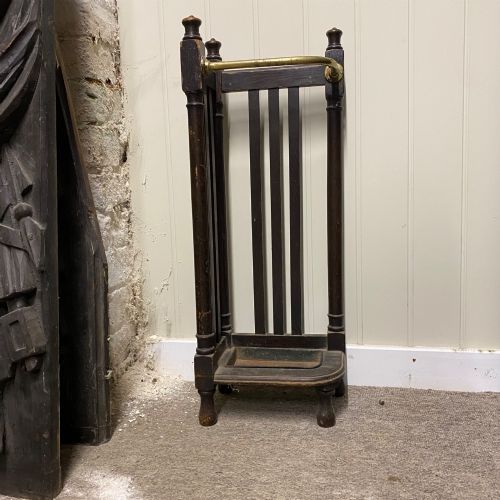
Carpenters joined timbers like oak and mahogany for upright hall stands, occasionally employing pitch pine or ebonised finishes for country house interiors. Zinc liners and trays were integrated into the wooden and metal bases to catch water from wet sticks and umbrellas.
Victorian Walking Stick Rack Retail Price Guide 2026
Typical asking prices for victorian walking stick rack among the pieces listed under this phrase on Sellingantiques today, from the lower quarter to the upper quarter. They describe what is for sale here now, not the wider market.
Styles span from plain nineteenth century utility pieces to gothic revival and aesthetic movement hall furniture.
Craft and Proportion
Quality rests in the casting crispness of the ironwork and the thickness of the brass, where finer examples display sharp relief and solid gauge metal rather than thin stamped plates. Maker attribution, such as pieces bearing foundry marks from Coalbrookdale or Falkirk, elevates the standing of an iron rack.
Timber construction shows quality through the joinery of the frame and the retention of original zinc drip pans, which often suffer from corrosion or replacement over time. Proportion matters greatly in hall furniture, distinguishing simple utility items from substantial country house pieces.
Coalbrookdale·Falkirk Ironworks·Shoolbred
The Victorian Walking Stick Rack Glossary
- Demi-lune
- Half-moon shape designed to sit flush against a hallway wall. This profile allows the stand to occupy minimal depth in narrow spaces.
- Stick loop
- Metal divider ring or hoop that keeps individual walking sticks and umbrellas upright. They prevent the contents from leaning awkwardly against the wall.
- Gothic revival
- Architectural and decorative style popular during the nineteenth century. It draws inspiration from medieval forms, pointed arches, and heavy structural elements.
- Aesthetic movement
- Late nineteenth century design style emphasising visual beauty over narrative content. Pieces in this style often feature stylised natural forms and refined proportions.
- Zinc liner
- Removable metal tray placed at the base of the stand to catch water. It protects the floor and the lower frame from moisture damage.
Victorian Walking Stick Rack: Frequently Asked Questions
Where should I place a stick stand?
These pieces belong in a hallway or entrance lobby where they served historically to receive coats, hats, walking canes, and wet umbrellas upon entering the house.
Position the stand against a flat wall or in a corner, allowing enough surrounding floor space to access the sticks without crowding the walkway.
How do I protect my floor from water?
Most stands include an original metal drip pan or zinc liner at the bottom to catch moisture running down from wet umbrellas and walking sticks.
Check that the liner is watertight and empty it periodically to prevent moisture accumulation from damaging both the floor beneath and the base of the stand.
Can these hold heavy walking sticks?
Iron and brass frames possess considerable weight and robust construction designed specifically to bear the heavy loads of loaded walking canes and sturdy umbrellas.
Wooden versions rely on solid timber frames and secured dividers to keep heavy items stable without straining the joinery.
How do I date a cast iron stand?
Dating relies on stylistic clues such as gothic revival motifs, aesthetic movement linear patterns, or manufacturer stamps cast into the iron frame.
Nineteenth century examples typically exhibit heavier casting and simpler forms compared to later decorative variations produced near the turn of the century.