

Victorian Vanity with Mirror
When you want a victorian vanity with mirror, you are looking for period dressing pieces that anchor a bedroom with timber and glass.
Victorian Vanity with Mirror
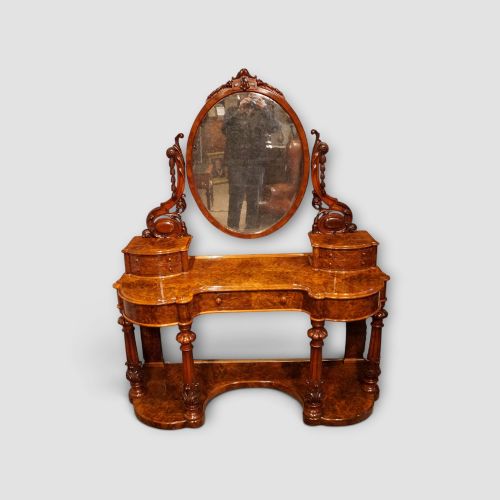
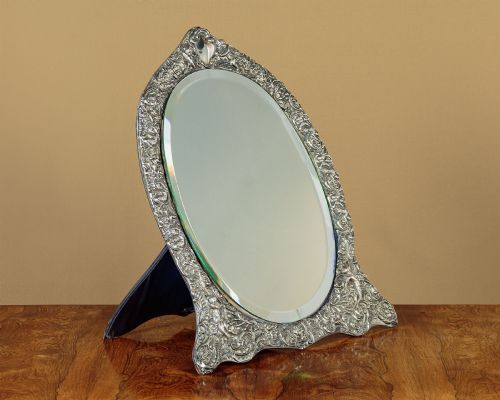
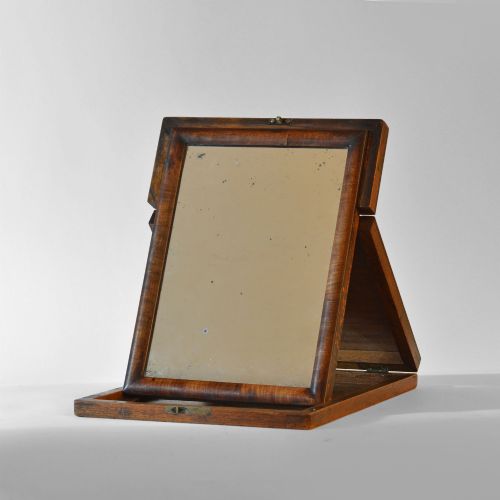
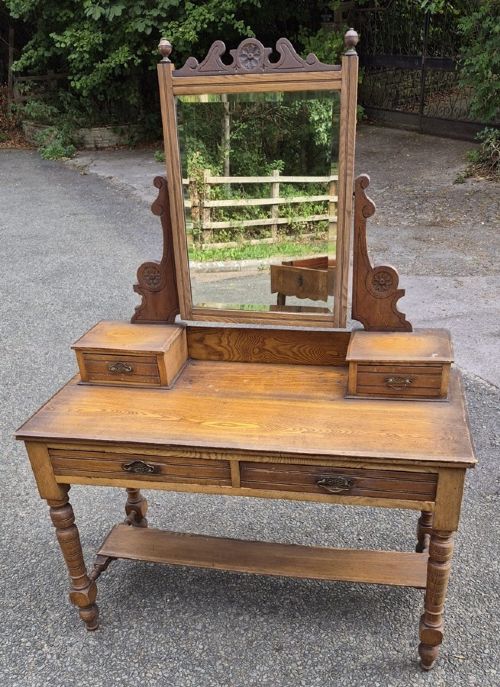
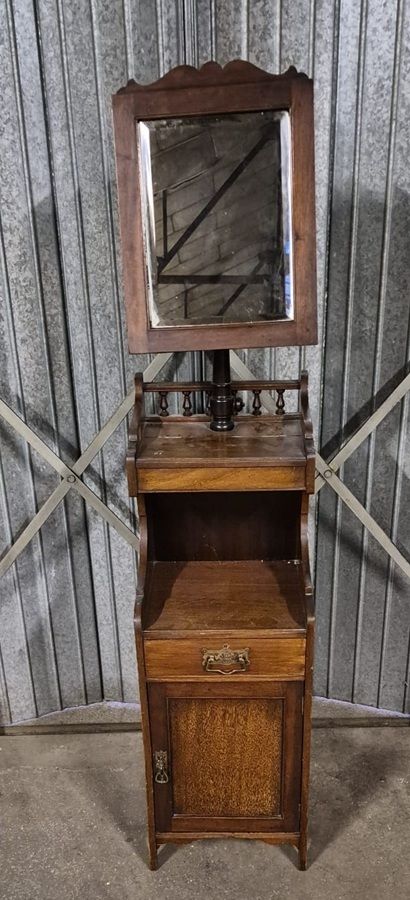
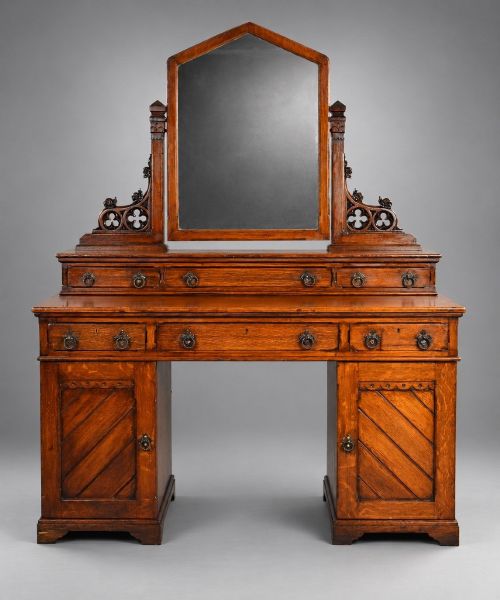
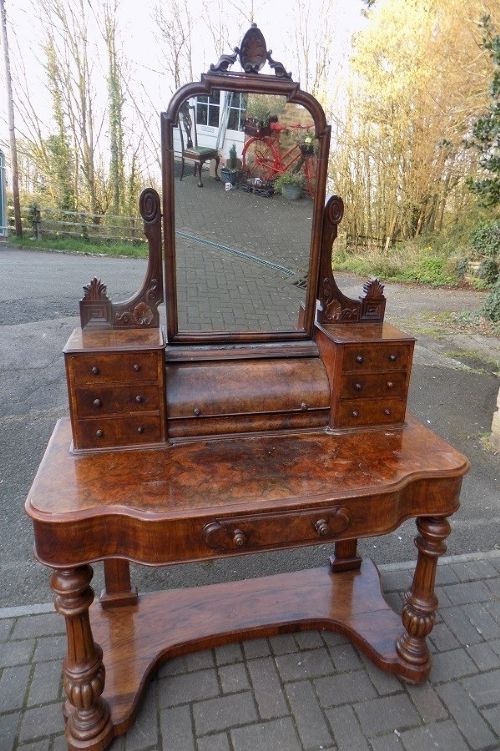
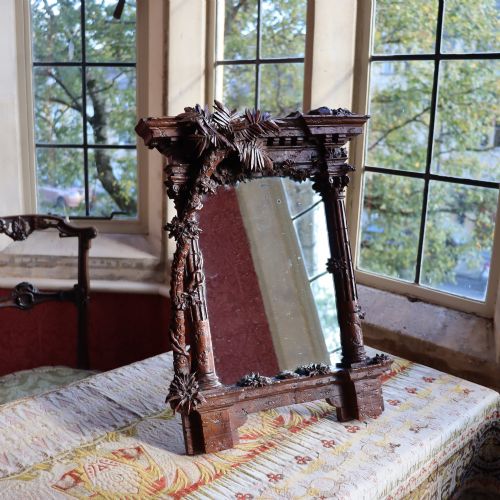
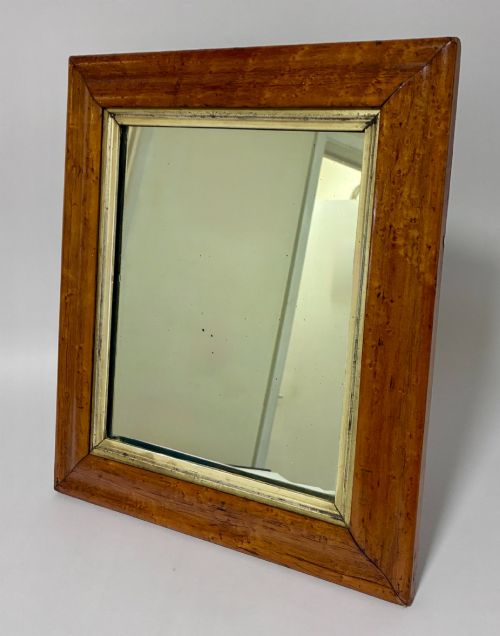
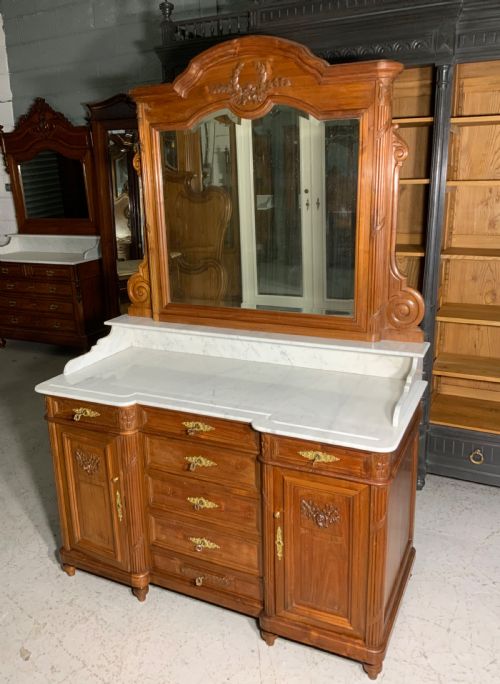
A victorian vanity with mirror encompasses dressing tables, swing mirrors, and shaving stands originating across the nineteenth century. These pieces range from grand burr walnut duchess tables to simple pine dressing chests.
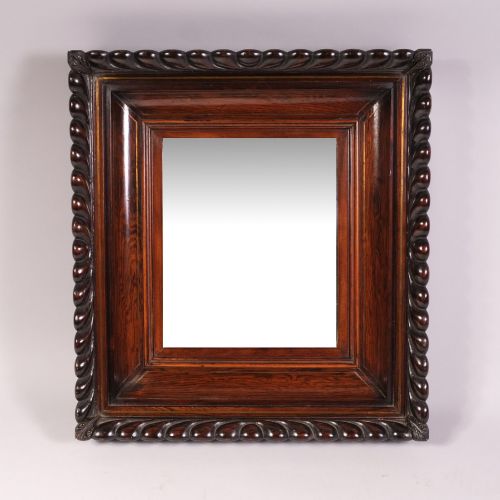
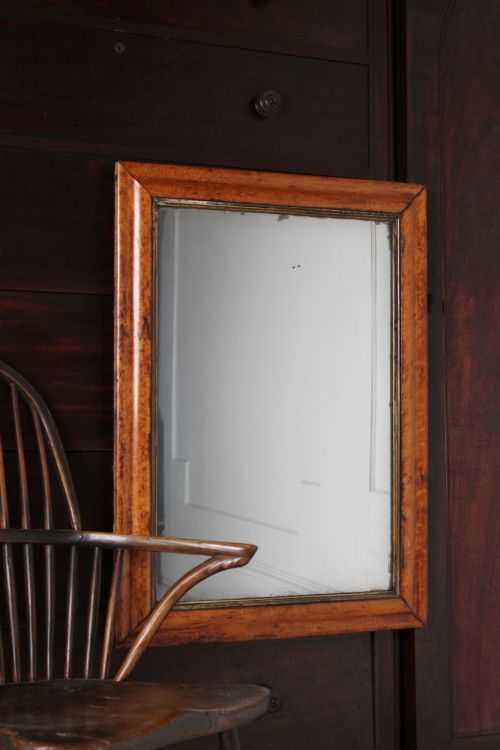
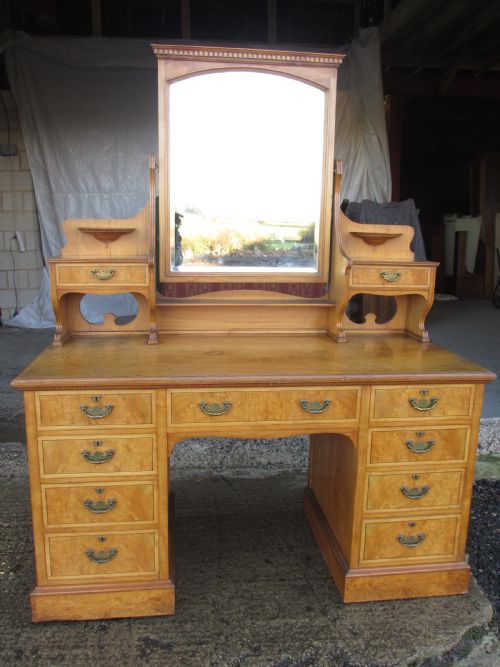
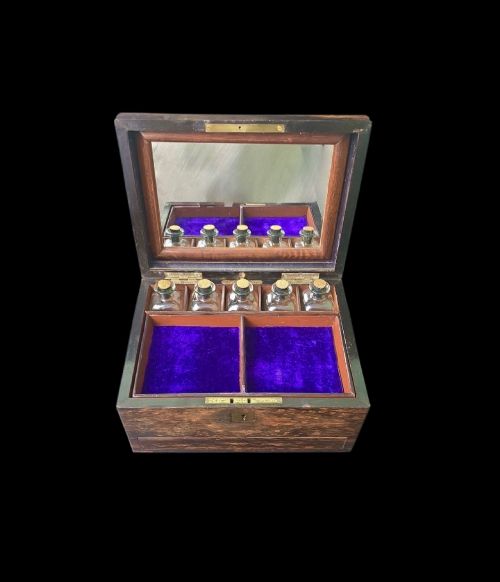
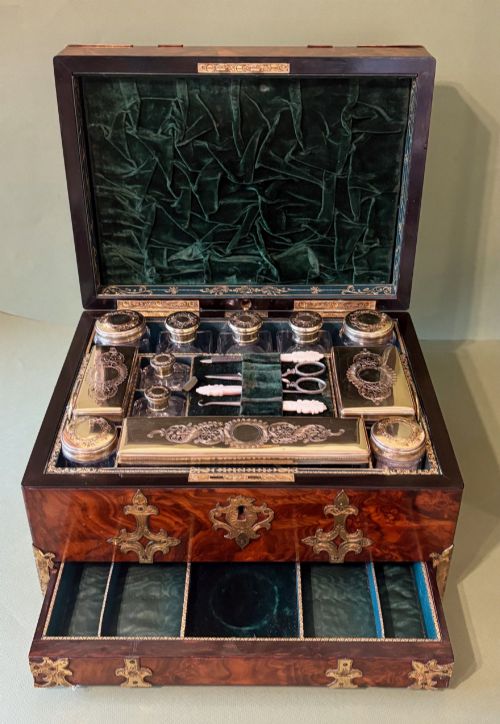
The selection on this page relies heavily on mahogany, walnut, and pine constructions. Pieces frequently pair large tilting mirror plates with fitted jewellery drawers or small trinket compartments.
Makers and workshops of the era employed styles spanning from heavy Rococo Revival curves to clean Arts and Crafts oak frameworks. Buyers often encounter pedestal forms alongside table-top mirrors designed for chest placement.
Materials and Construction
Cabinet makers utilised dense hardwoods like mahogany and burr walnut, often applying decorative veneers over secondary timbers such as pine. Brass fittings, candle sconces, and cast metal crests frequently accent the woodwork.
Mirror plates rely on early float glass or bevelled glass techniques set into pivoting wooden frames. Inlaid details incorporate contrasting timbers, whilst painted finishes and scumble glaze appear on regional or domestic pieces.
Victorian Vanity with Mirror Retail Price Guide 2026
Typical asking prices for victorian vanity with mirror among the pieces listed under this phrase on Sellingantiques today, from the lower quarter to the upper quarter. They describe what is for sale here now, not the wider market.
Several mirrors retain tiny candle sconces, ready for when evening grooming relied entirely on candlelight.
Craftsmanship and Proportion
Quality rests in the selection of figured wood veneers and the crispness of hand-carved mouldings. Superior examples maintain balanced proportions where the mirror frame complements the base furniture without heavy distortion.
The integrity of original brass hardware, smooth drawer runners, and intact mirror silvering separate standard production items from finer workshop commissions. Original stencilled decoration and fitted interior compartments elevate the standing of a piece.
Wright & Hunter of Belfast·Harris Lebus of London·Maple & Co.
The Victorian Vanity with Mirror Glossary
- Swing mirror
- A glass plate mounted on vertical pivots within a frame that tilts forward and back. This allows users to adjust their reflection during grooming.
- Duchess dressing table
- A large nineteenth-century vanity featuring a prominent central mirror supported by smaller jewellery drawers and side supports. It typically includes a lower tier or kneehole space.
- Shaving stand
- A specialist pedestal or tripod stand fitted with an adjustable mirror designed for upright grooming. They often incorporate small shelves or candle sconces.
- Scumble glaze
- A decorative paint technique applied over a base coat to simulate the grain of more expensive timbers. It is commonly found on pine furniture from the period.
- Bonheur du jour
- A small, light writing desk featuring a raised superstructure of small drawers and pigeonholes. Some variants incorporate mirrors or vanity fittings.
Victorian Vanity with Mirror: Frequently Asked Questions
How do I date a victorian vanity with mirror?
Dating relies on observing timber choices, construction methods, and prevailing decorative styles across the nineteenth century. Earlier pieces often feature solid mahogany and hand-cut dovetails, whilst later examples lean towards burr walnut or oak with machine-cut components.
Changes in mirror plate thickness and glass bevelling techniques also help narrow down the decade of production. Maker labels and stamps, when present, provide the most direct confirmation of origin.
Are the mirror plates original?
Original mirror plates frequently display minor foxing, dark spots, or slight silver degradation due to age. These characteristics indicate genuine period glass rather than modern replacements.
Replacement glass is clean and uniform, whereas antique mercury or early silvered plates show subtle imperfections near the edges.
How do I care for antique veneer?
Burr walnut and mahogany veneers require stable indoor humidity away from direct sunlight and heat sources. Sudden temperature shifts can cause the thin wood layers to lift or crack from their pine or oak bases.
Applying microcrystalline wax periodically helps nourish the timber and protects the polished surface from moisture damage.
Can I separate the mirror from the base?
Most dressing tables and chests allow the upper mirror assembly to detach from the base for easier transport. Screws, wooden pegs, or metal brackets typically secure the upright supports to the back of the lower drawers.
Keep track of original hardware when dismantling these components to ensure a secure reassembly.