
Victorian Umbrella Rack Drip Tray
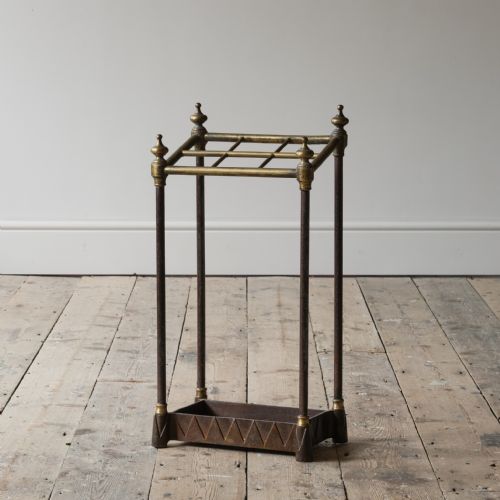
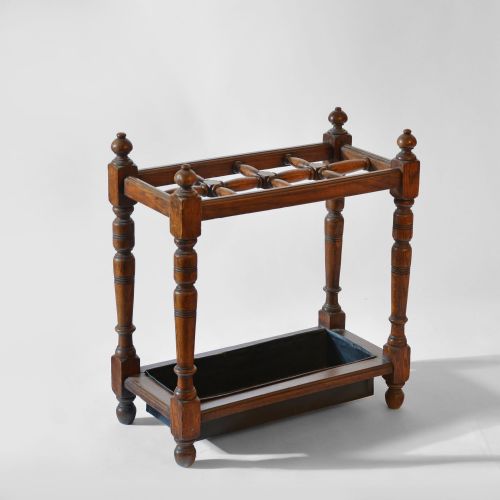
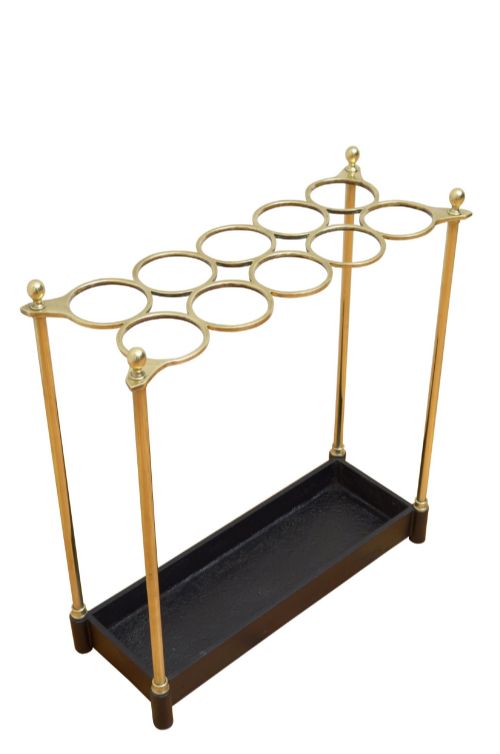
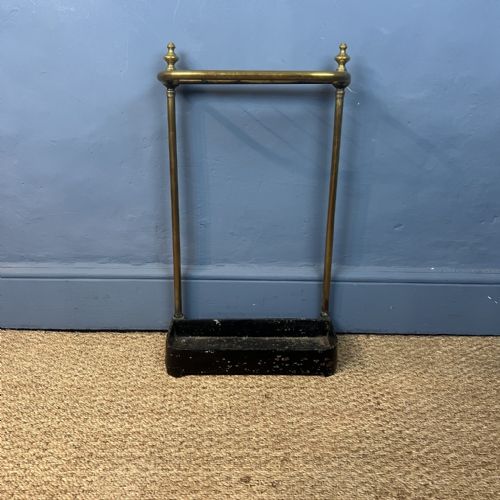
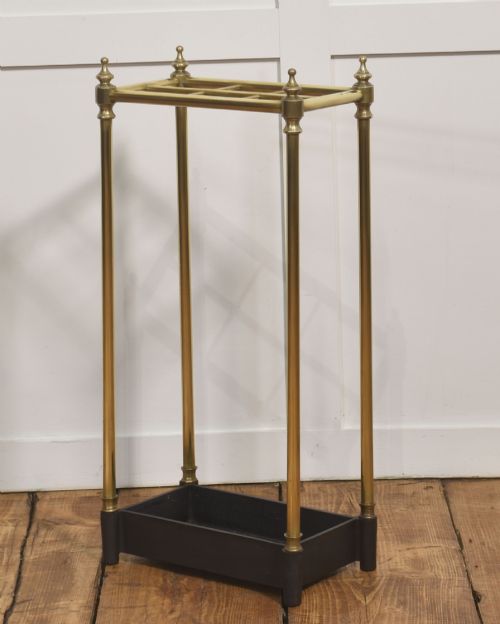
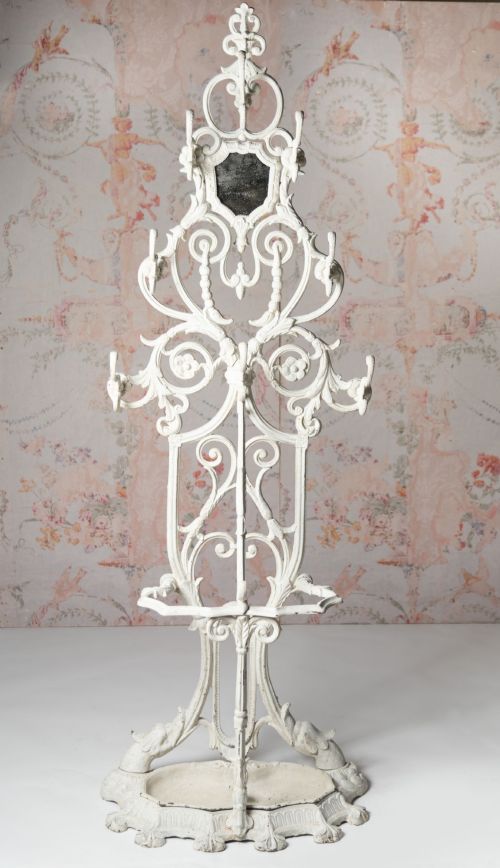
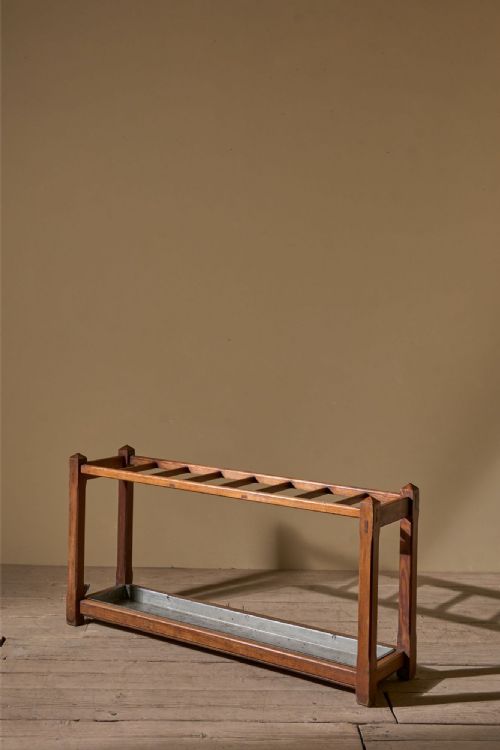
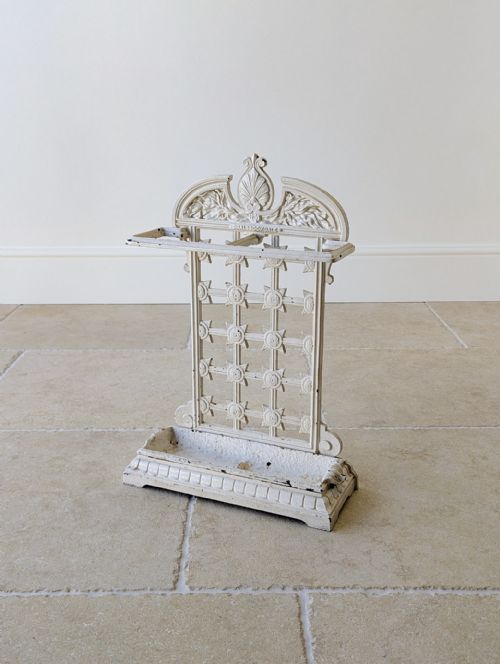
These Victorian umbrella rack drip tray pieces are sturdy hall furniture designed to catch rainwater from wet sticks, bringing robust utility and period charm to an entryway.
Victorian Umbrella Rack Drip Tray
A victorian umbrella rack drip tray search reveals hall furniture designed to organise walking canes, umbrellas and parasols while protecting flooring from moisture. The items on this page span the nineteenth and early twentieth centuries, encompassing Victorian, Edwardian and later periods.
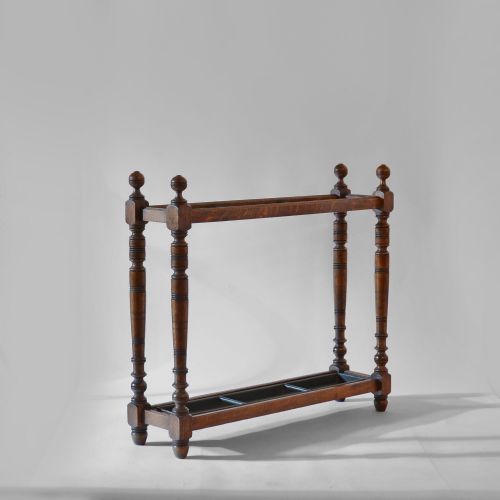
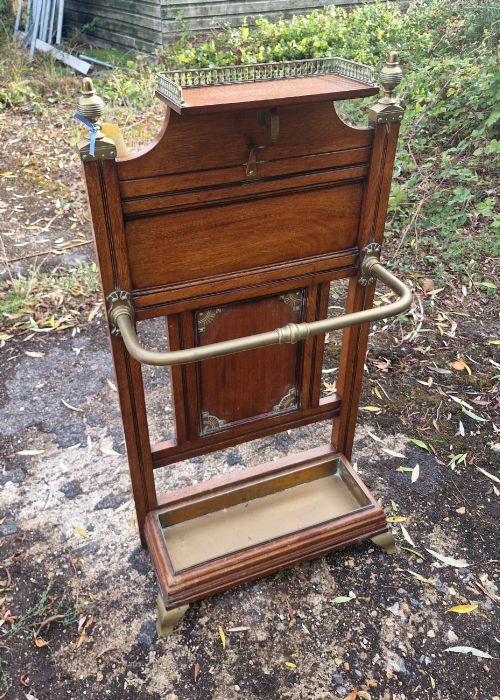
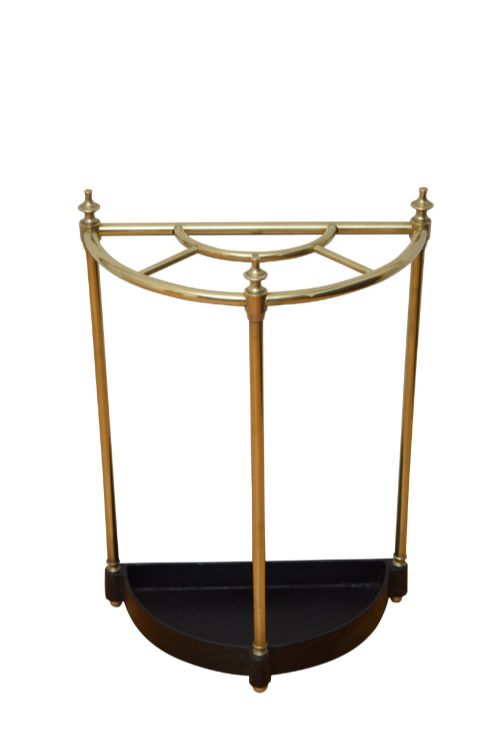
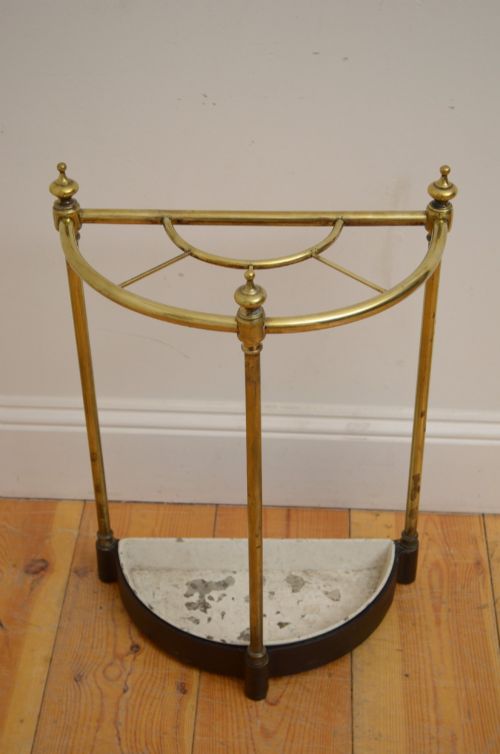
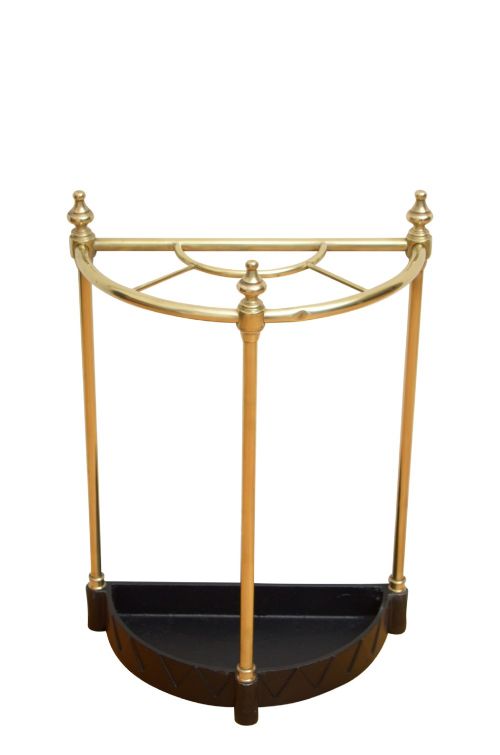
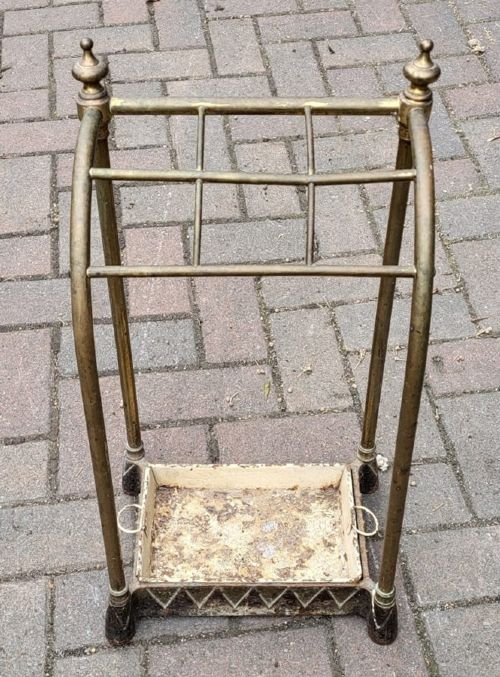
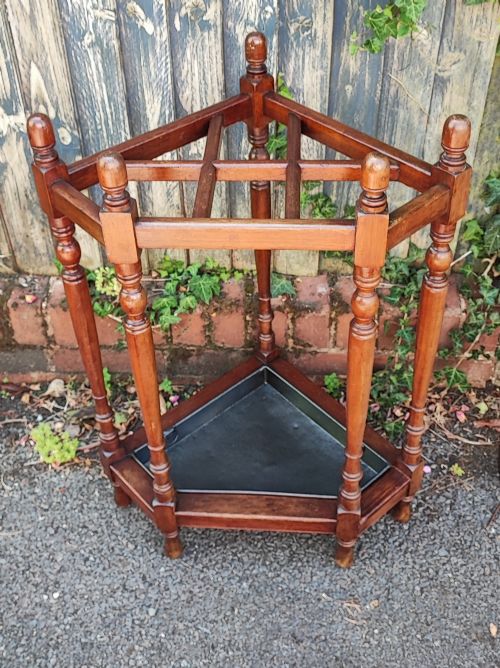
Most examples take the form of half moon or demi lune stands that sit flush against a wall, alongside corner units and substantial freestanding frames. Timber models utilise oak, mahogany and pitch pine, while metal versions incorporate cast iron, brass and steel.
Makers integrated removable metal trays at the base to catch water runoff from wet tips. These practical additions define the category, appearing across simple country house pieces and ornate gothic revival designs alike.
Factors of quality
The refinement of the casting and the crispness of decorative detail separate standard foundry work from superior examples. Elaborate ornamentation, such as figural motifs or registered design numbers, indicates higher production standards.
Completeness dictates utility and authenticity, particularly the presence of the original matching drip tray beneath the frame. The structural integrity of the timber joints and the retention of original surface patination also influence the standing of the piece.
Listings include cast iron, brass, oak, mahogany and pitch pine across Victorian, Edwardian and later periods.
Coalbrookdale·A. Kenrick & Sons·Thonet
The Victorian Umbrella Rack Drip Tray Glossary
- Demi-lune
- A half-moon shape designed to stand flat against a hallway wall. This configuration saves valuable floor space in narrow corridors.
- Finial
- A decorative terminal ornament topping the upright posts of a stand. They often take the form of brass spheres or cast iron knobs.
- Bentwood
- Wood softened by steam and bent into curved structural forms. This technique created lightweight yet resilient frames.
- Gothic Revival
- An architectural and decorative style drawing on medieval ecclesiastical forms. Pieces in this aesthetic feature pointed arches and quatrefoil motifs.
Victorian Umbrella Rack Drip Tray: Frequently Asked Questions
Where were these stands placed in the home?
These pieces sat directly inside the front entrance or hallway of nineteenth century houses. Guests and residents placed their wet walking gear into the racks upon entering.
The location kept moisture away from interior floorboards and carpets while ensuring umbrellas remained accessible for departure.
Why do some stands feature half-moon shapes?
The demi-lune or half-moon profile allowed bulky hallway furniture to sit flush against a wall. This reduced the footprint in narrow Victorian corridors.
Despite the shallower depth, the curve provided adequate space for multiple umbrella shafts and walking sticks.
How do I care for a metal and wood stand?
Keep the metal drip tray clean and dry to prevent corrosion from accumulated rainwater. Ensure the surrounding timber or iron avoids prolonged exposure to standing water.
Regular dusting preserves the surface finish without stripping the historic patination accumulated over generations.
Are these umbrella stands suitable for daily use?
Solid construction from cast iron, brass and dense hardwoods makes these pieces durable for everyday service. Their original purpose was heavy domestic use, so modern utility poses little structural threat.
Checking that the interior drip tray remains watertight ensures floors stay protected during wet weather.