



Victorian Turquoise Glass
Victorian turquoise glass brings together vibrant nineteenth-century colour and hand-blown form, offering collectors striking scent bottles, jugs and decorative tableware.
Victorian Turquoise Glass
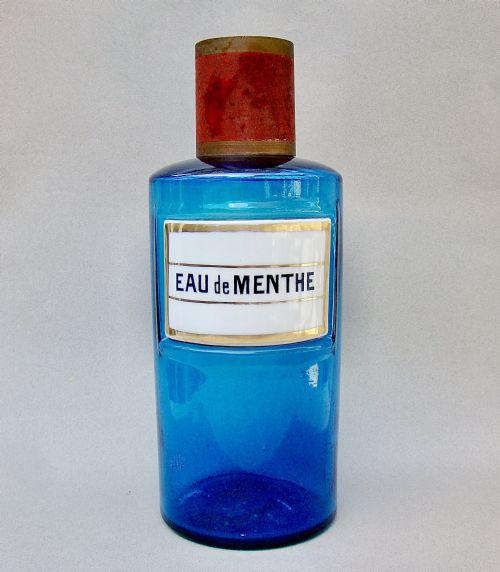
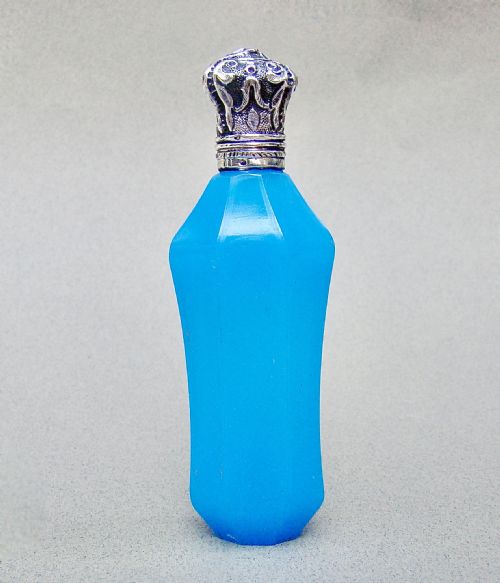
Victorian turquoise glass encompasses a diverse range of domestic and decorative objects produced during the nineteenth century, including scent bottles, water jugs, wine glasses and oil lamps. The examples encountered most frequently on this page reflect British, French and Bohemian manufacture from roughly 1850 to 1900.
Scent bottles form a substantial portion of these pieces, often fitted with silver mounts, hinged lids or screw caps supplied by silversmiths. Other functional forms range from liqueur decanters and tumblers to posy vases and mantel clock linings, demonstrating how deeply this vivid hue penetrated everyday domestic interiors.
The aesthetic reaches across multiple stylistic influences of the period, spanning French Second Empire elegance, Venetian Revival techniques and Bohemian layered glass production. Buyers encounter both plain cased vessels and richly enamelled or gilt decorated items designed to catch the candlelight of the Victorian parlour.
Materials and Techniques
Makers achieved the distinct blue-green shade by introducing specific metallic oxides into the molten batch during hand-blowing. Hand-blown glass formed the essential body for vessels such as decanters, vases and jugs, often shaped into moulds or left to free-form manipulation.
Cased glass constructions combined layers of different glass densities, such as triple-cased Bohemian goblets, allowing artisans to cut through outer layers and reveal contrasting tones underneath. Sliced-cut and faceted cutting further manipulated the refraction of light across the turquoise surface.
Metal ornamentation played an integral role, with silver, ormolu, brass and gold leaf applied as mounts, collars, lids and delicate exterior gilding or surface enamelling. Makers frequently combined ceramic, porcelain or uranium elements to complete complex presentation pieces.
Victorian Turquoise Glass Retail Price Guide 2026
Typical asking prices for victorian turquoise glass among the pieces listed under this phrase on Sellingantiques today, from the lower quarter to the upper quarter. They describe what is for sale here now, not the wider market.
Listings for Victorian turquoise glass frequently feature scent bottles with silver mounts alongside decorative tableware like decanters, goblets and posy vases.
Assessing Craftsmanship and Distinction
Quality rests primarily in the crispness of the glass-cutting, the weight of the metal mounts and the precision of the hand-applied gilding or enamel work. Finer scent bottles and decanters display sharp, clean facets that interact cleanly with light, whereas lesser pieces show softer, more rounded edges in the glass.
The integration between the glass body and its hardware defines the upper tier of production, particularly in silver-mounted scent bottles where hallmarks confirm precise silversmith collaboration. Elaborate double-casing and intricate enamel detailing require advanced technical skill that separates standard utilitarian glassware from high-end display items.
Mappin And Webb·Charles May·The Mousley Brothers·William Comyns·Levi And Salaman·George Howson·Whitefriars
The Victorian Turquoise Glass Glossary
- Cased glass
- Glass formed of two or more distinct layers of different colours or opacities, sometimes cut away to reveal the contrasting underlayer. This technique added depth and visual complexity to nineteenth-century decorative wares.
- Opaline glass
- An opaque or translucent glass with a delicate, milky appearance that softens transmitted light. It provided a popular pastel canvas for Victorian decorative objects.
- Ormolu
- Gilded bronze or brass used widely for decorative mounts, stands and clock fittings during the nineteenth century. It added metallic contrast to coloured glass bodies.
- Vaseline glass
- Glass containing uranium dioxide that exhibits a characteristic greenish-yellow or turquoise fluorescence under ultraviolet light. It was produced in various forms throughout the Victorian era.
- Enamelling
- The application of fused glass powders onto the surface of a finished vessel to create raised coloured patterns. This technique frequently embellished nineteenth-century scent bottles and water jugs.
Victorian Turquoise Glass: Frequently Asked Questions
How do I identify Victorian turquoise glass?
Look for characteristic nineteenth-century manufacturing traits such as pontil marks on the base, hand-cut facets, and traditional forms like hinged silver-mounted scent bottles or opaline jugs. The turquoise colour ranges from pale Robins-egg shades to deep opaque hues influenced by Victorian chemical formulations.
Associated hallmarks on attached silver or gold mounts frequently provide definitive date letters and maker marks. Comparing the weight, clarity and decorative enamel or gilt patterns against known period examples helps confirm authenticity.
Were these pieces used for daily dining?
Many turquoise glass items, such as wine glasses, water jugs, tumblers and liqueur decanters, served practical functions during Victorian meals and social gatherings. Their vibrant colour made them striking additions to formal tables and sideboards.
Other items like scent bottles, fairy lights and mantel clock linings fulfilled purely decorative or personal grooming roles within the private chambers of the home. Their survival often depends on whether they remained in daily service or were kept safely displayed in cabinets.
How should I care for antique glass?
Wash pieces gently by hand using lukewarm water and a mild detergent, avoiding harsh scrubbers or abrasive cloths that can scratch the surface. Take particular care with pieces featuring exterior gilding, enamel decoration or metal mounts.
Keep silver and brass hardware polished lightly with appropriate cloths while ensuring cleaning agents do not contact the glass directly. Store items away from direct, continuous sunlight to protect delicate enamels and coloured glass tones over time.
What caused the variation in turquoise shades?
Different glasshouses utilised varying chemical recipes and mineral additions, such as copper oxides or cobalt blends, when melting their batches. Minor fluctuations in furnace temperatures and raw material purity created natural shifts from pale blue-greens to vivid opaque turquoise.
Techniques like casing clear glass over a coloured core or combining opaline properties further altered how light passed through each finished object.