
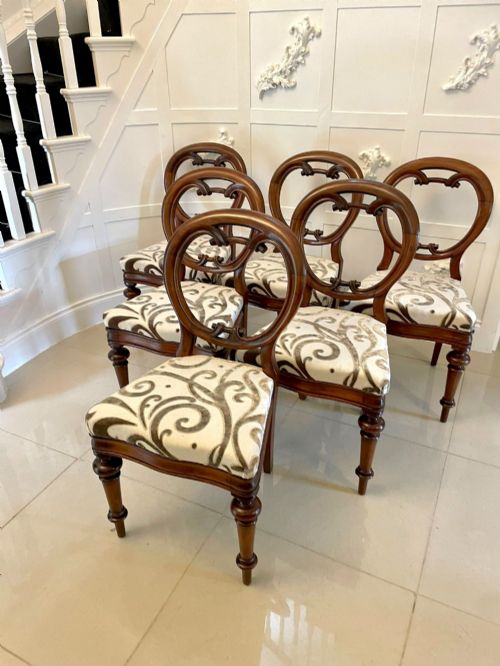
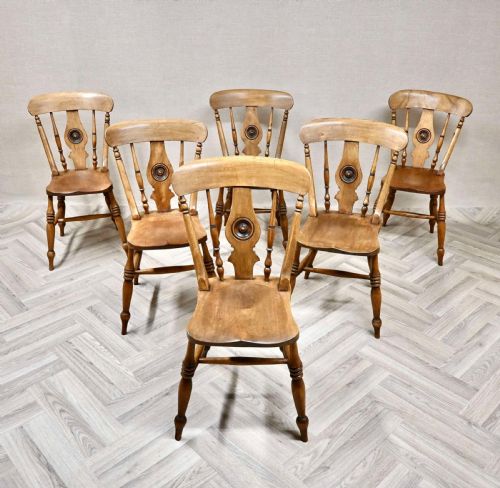
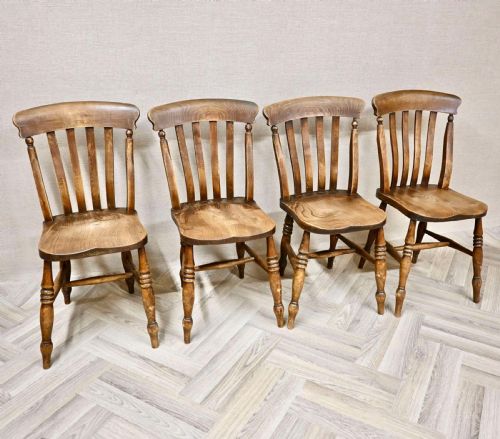
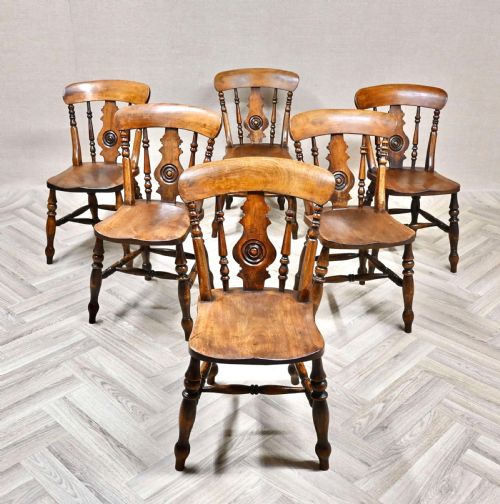
Victorian Turned Wooden Chair
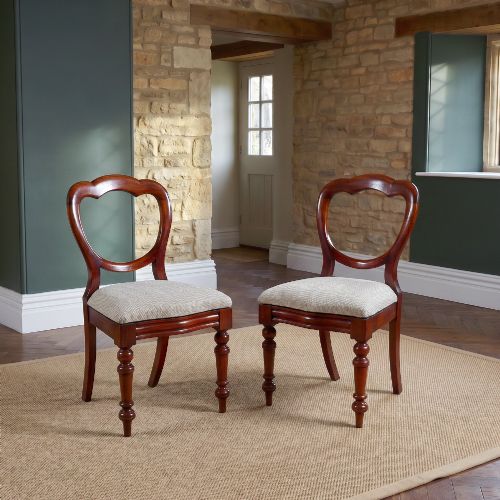
A victorian turned wooden chair brings tactile warmth and vernacular character to a room, offering sturdy charm shaped by nineteenth-century craft.
Victorian Turned Wooden Chair
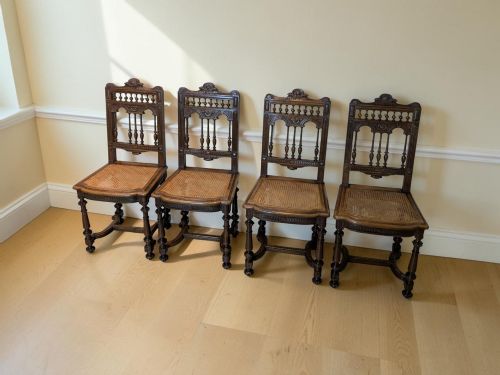
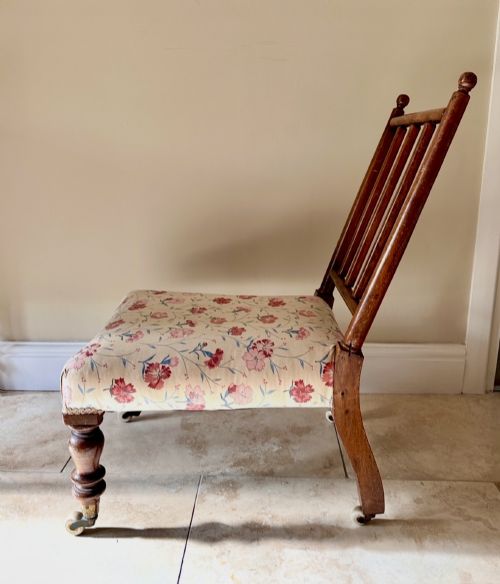
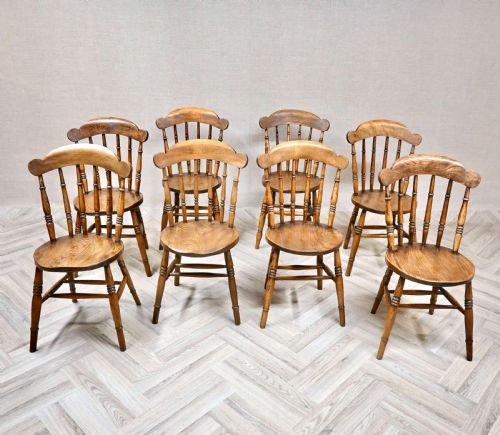
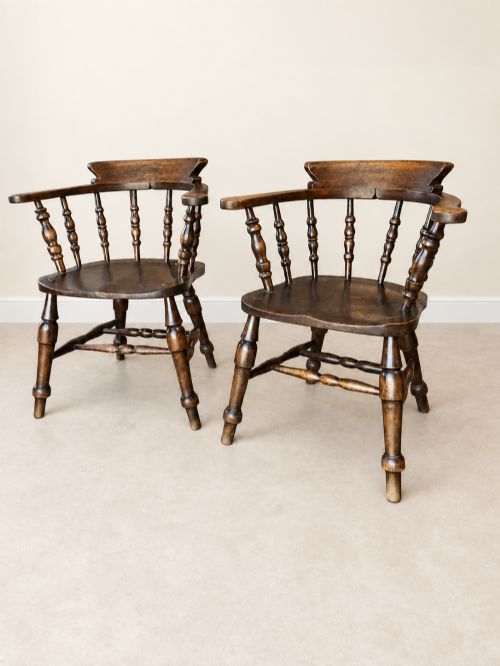
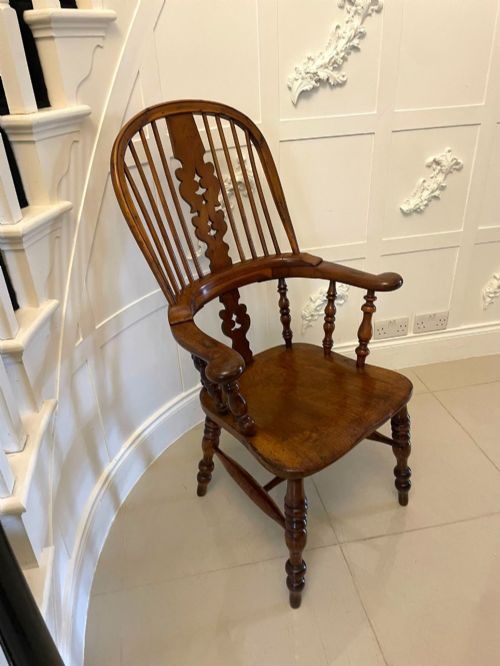
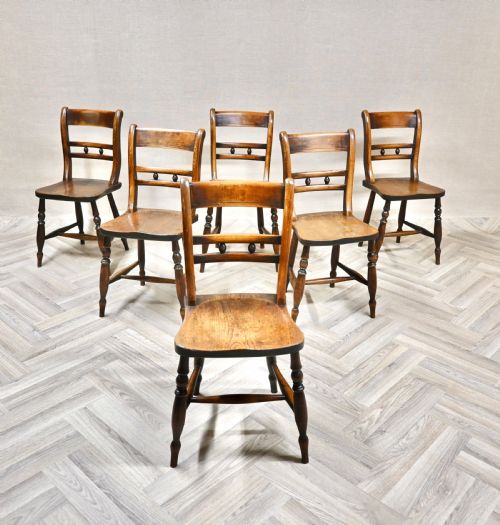
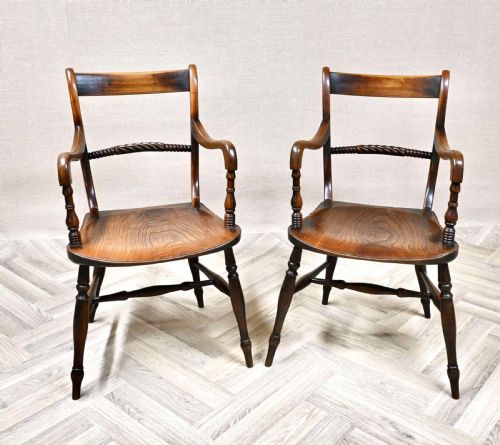
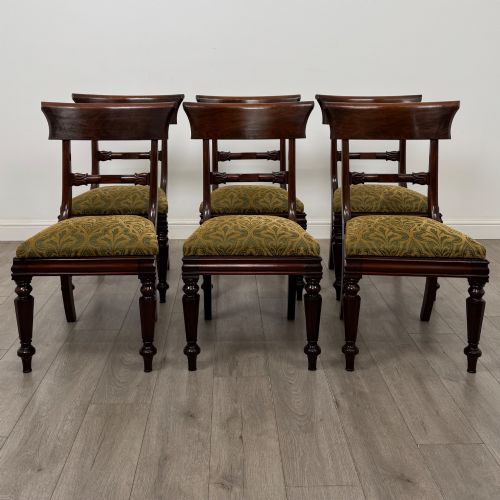
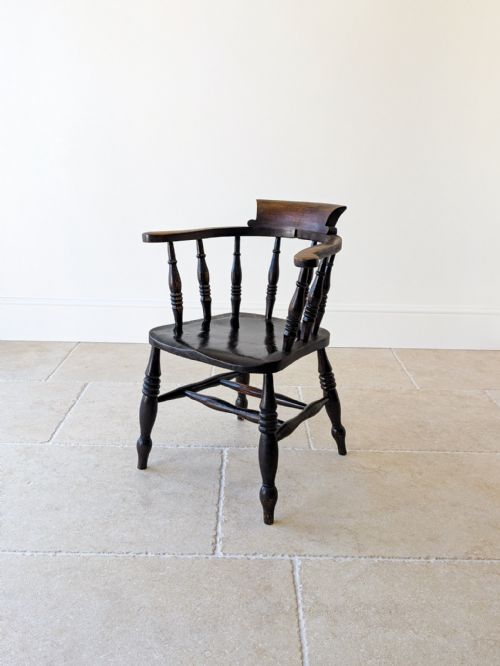
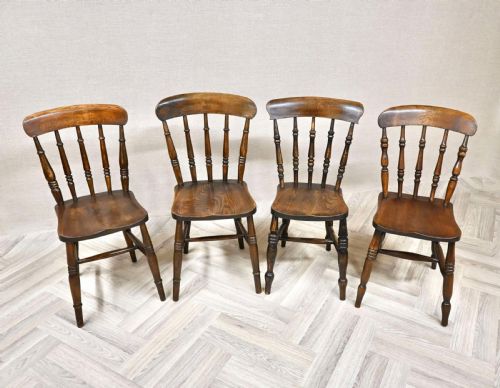
A victorian turned wooden chair encompasses a wide variety of domestic seating, from kitchen Windsors and smokers bows to captain's chairs and rocking chairs. The listings show forms originating predominantly in the nineteenth century, including Victorian, Edwardian, Regency, and William IV periods, alongside specific regional types such as Thames Valley Oxford chairs.
Buyers will most frequently encounter nineteenth-century elm, ash, and beech examples built for country kitchens, morning rooms, and farmhouses. These pieces range from low-back and high-back armchairs to sets of dining chairs and occasional hall chairs.
The aesthetic vocabulary spans traditional country vernacular, Arts and Crafts, and Art Nouveau influences. This diversity reflects both everyday domestic utility and specific designer output, such as ebonised Sussex chairs.
Materials and construction
Makers utilised native hardwoods such as elm for solid seats, ash for bent spindles and bows, and beech or oak for turned legs and framing. Yew and mahogany appear in select pieces, combining durability with distinct grain patterns and colour.
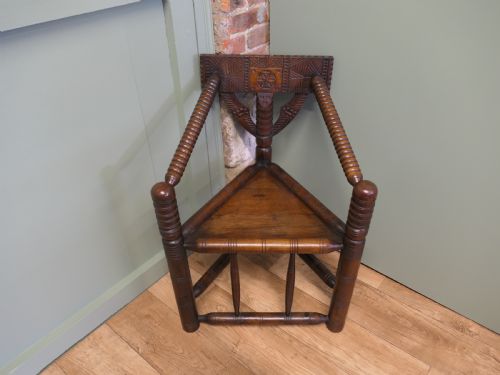
Construction relies heavily on traditional turning and joinery techniques, using tapered spindles fitted into bored seats and reinforced with bent-wood elements like lathbacks, barbacks, and ropetwists. Bobbin framing and steam-bent components provide structural strength while maintaining slender profiles.
Several pieces feature turned bobbin frames that resemble strings of wooden beads, bringing a cheerful rhythmic texture to nineteenth-century seating.
Evaluating the pieces
Quality rests in the integrity of the timber selection and the harmony of the turned components, where dense grain and a deep natural patina elevate a piece far above standard utilitarian production. The skill of the turner shows in crisp spindle profiles and robust joint construction that survives centuries of daily use.
Proportion and comfort distinguish superior examples, particularly in regional Windsor forms where the rake of the legs and the sweep of the arm bow achieve a balanced posture. Original finishes and untouched surfaces preserve historical character better than stripped or heavily restored timber.
Morris & Co·Philip Webb·J Spencer
The Victorian Turned Wooden Chair Glossary
- Smoker's Bow
- A sturdy, low-backed armchair with a continuous curved arm rail resting on short spindle supports, commonly found in nineteenth-century settings. These chairs were widely used in domestic parlours and commercial smoking rooms.
- Windsor
- A chair built with a solid wooden seat into which the legs, back spindles, and comb or bow are separately inserted. This construction method produces a resilient seat suited to everyday kitchen and dining use.
- Captain's Chair
- A low-backed armchair featuring a rounded top rail supported by numerous spindles, designed for compact seating. They frequently appeared in offices, captain's cabins, and nineteenth-century studies.
- Rush
- A natural seating material woven from dried marsh plants to create durable, textured seat pads. It appears on traditional frames requiring flexible yet supportive seating.
- Vernacular
- Objects designed and built by local craftspeople following regional traditions rather than academic architectural styles. These pieces prioritise functional utility and local materials over high-style ornament.
Victorian Turned Wooden Chair: Frequently Asked Questions
Where were these chairs originally used?
These chairs served primarily in domestic kitchens, farmhouses, morning rooms, and studies throughout the nineteenth century. Their robust construction made them suitable for continuous daily work and relaxation.
Over time, many migrated from utilitarian workspaces into reception rooms and living spaces as collectors prized their vernacular aesthetic and tactile wooden surfaces.
How do I identify a Windsor chair?
A Windsor chair is defined by its thick solid wood seat, which directly receives the legs below and the back spindles above. Unlike framed chairs, the structural members are tenoned straight into the seat slab.
Variations include low backs, high backs, wheelbacks, and lathbacks, but the distinct method of socketed construction remains consistent across them all.
What woods were commonly used?
Elm, ash, and beech form the backbone of these nineteenth-century seating pieces, chosen for their specific working properties. Elm provided a tough, non-split surface for shaped seats.
Ash offered the necessary flexibility for steam-bent bows and slender spindles, while beech and oak supplied rigid framing for turned legs and stretchers.
How should I care for a wooden chair?
Maintain these pieces by keeping them away from direct heat sources and extreme humidity fluctuations, which can dry out ancient timbers and loosen old joints. Dust them regularly with a soft, dry cloth.
Feed the wood sparingly with traditional beeswax to preserve the surface sheen and nourish the historic patina without sealing the pores.