





Victorian Turned Wood Treen
Victorian turned wood treen brings domestic utility and artisan craft together through small wooden objects shaped by the lathe.
Victorian Turned Wood Treen
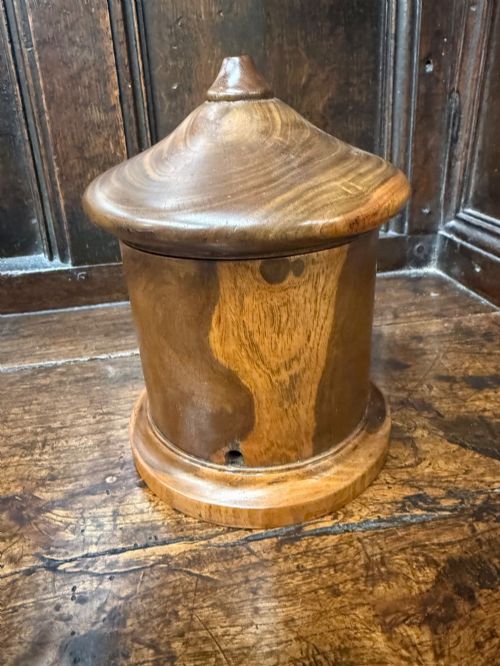
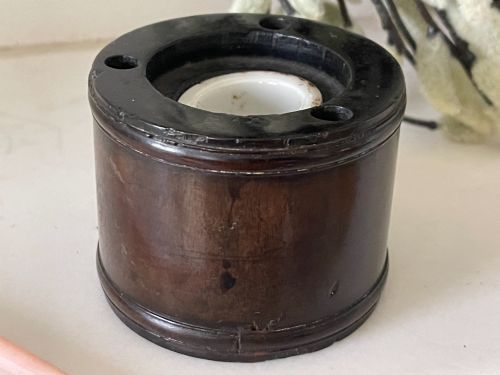
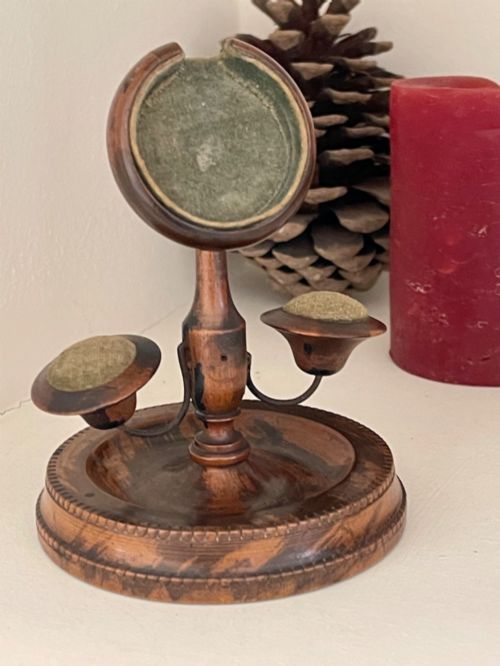
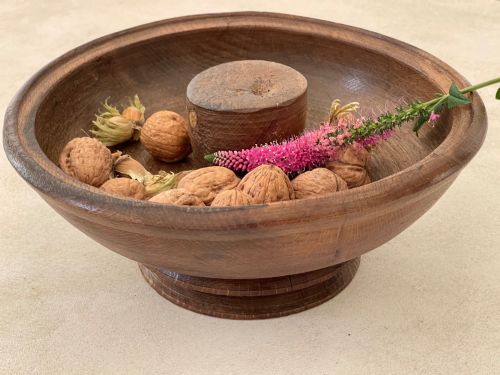
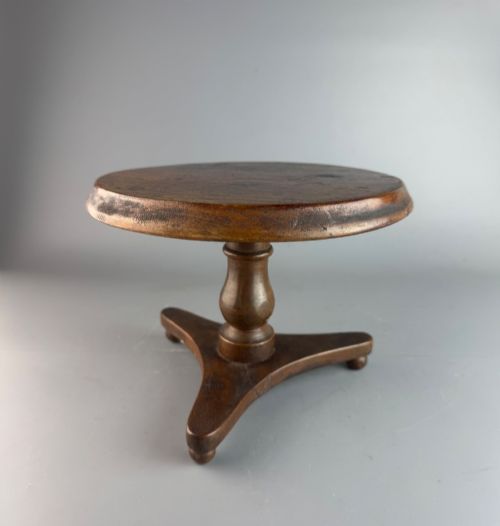
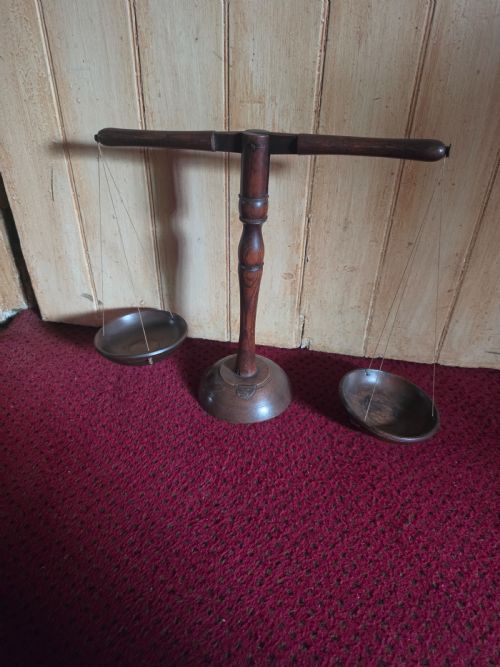
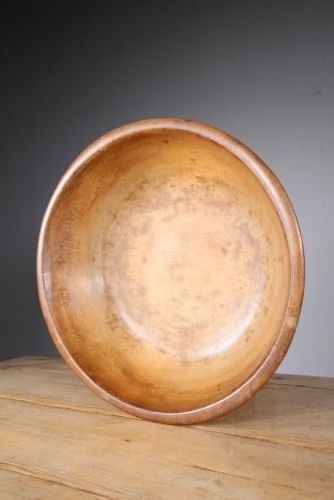
Victorian turned wood treen covers everyday wooden household items, kitchenalia, and small containers shaped on a lathe during the nineteenth century. These pieces range from utilitarian dairy bowls and spice towers to playful items like rattles, puzzles, and gaming cups.
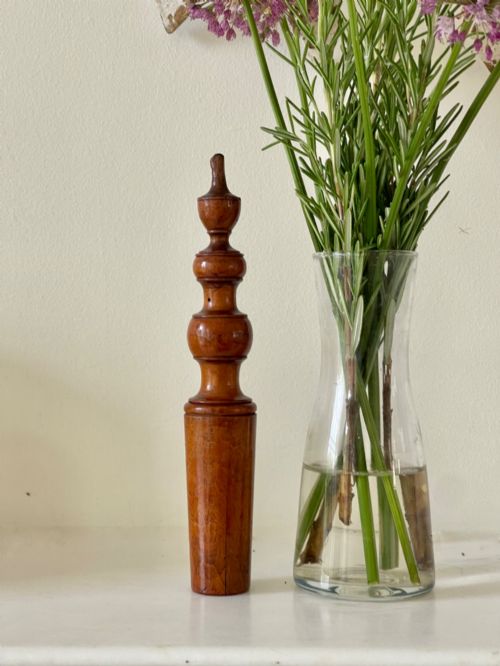
Most examples originate from British country workshops or domestic settings, reflecting practical daily life in walnut, sycamore, boxwood, and lignum vitae. Kitchen and table objects dominate the selection, alongside personal items such as nutmeg graters, snuff containers, and candlesticks.
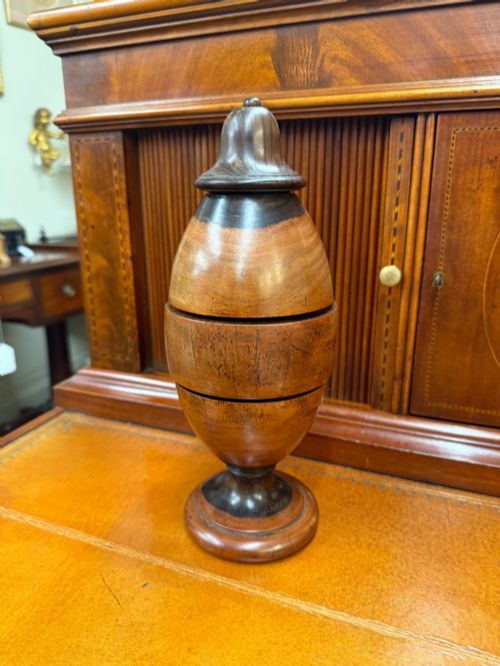
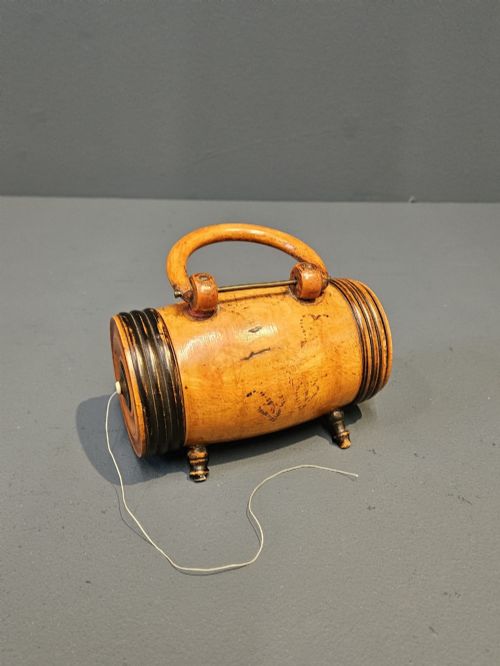
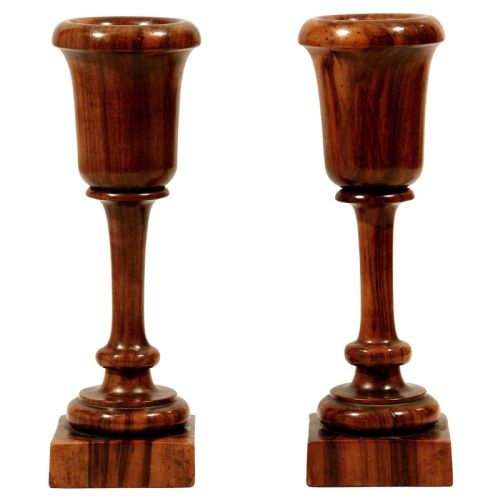
Makers produced these utilitarian objects in diverse forms including mortars, string holders, egg cup stands, and spill vases. The selection balances sturdy utilitarian pieces with curious pocket items designed for household and personal use.
Materials and turning methods
Craftsmen shaped these items using a lathe from dense native hardwoods chosen for durability and grain pattern. Lignum vitae, boxwood, sycamore, walnut, mahogany, and fruitwood provide the structural integrity required for items subjected to heavy use.
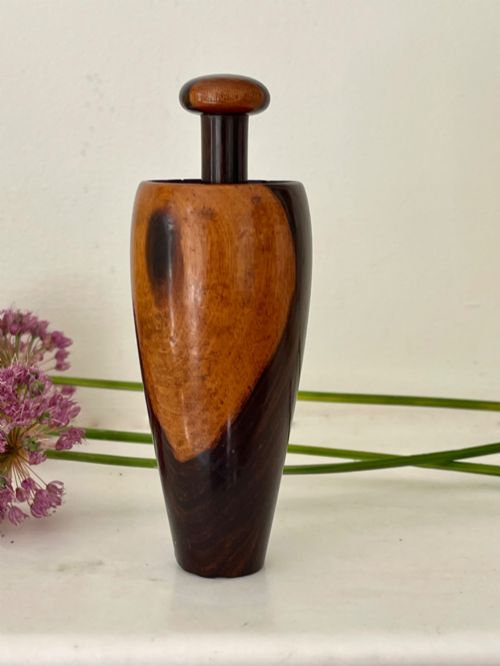
Turning on a lathe produced symmetrical forms such as urns, vessels, and stems, while other items incorporated coopered staves or carved details. Sycamore served well for dairy bowls, whereas dense lignum vitae suited mallets, mortars, and candlesticks.
Victorian Turned Wood Treen Retail Price Guide 2026
Typical asking prices for victorian turned wood treen among the pieces listed under this phrase on Sellingantiques today, from the lower quarter to the upper quarter. They describe what is for sale here now, not the wider market.
Among the turned treen are specialised items for entertaining mice-fearing guests and rolling wooden eggs.
Distinctions in craftsmanship and condition
Quality rests upon the precision of the turning, the suitability of the chosen timber, and the preservation of the surface. Master turners achieved crisp mouldings, balanced proportions, and walls thin enough to showcase the natural figure of the wood without compromising strength.
Patina distinguishes superior examples that have gained depth and warmth through handling and age. Pieces retaining original tool marks and unblemished structural forms command greater appreciation than those altered by later repairs or heavy cleaning.
The Victorian Turned Wood Treen Glossary
- Treen
- Small wooden objects made for domestic or personal use, shaped by turning or carving. The term originates from the old English word for tree.
- Lignum Vitae
- A remarkably dense and heavy tropical hardwood often used for turned items requiring high impact resistance, such as mallets and mortars.
- Patina
- The surface sheen and colour developed on wood through years of handling, exposure, and natural ageing.
- Kitchenalia
- Domestic utensils and equipment used in food preparation and household tasks, frequently collected as treen.
- Spill Vase
- A small container designed to hold tapered spills of paper or wood used for lighting candles and fires.
Victorian Turned Wood Treen: Frequently Asked Questions
What is Victorian treen?
Victorian treen encompasses small, functional wooden objects made during the nineteenth century using a lathe or hand tools.
These items served everyday domestic, professional, and recreational purposes in British homes and workplaces.
How were these wooden items used?
People utilised treen for food preparation, storing spices, holding string, lighting fires, and playing games.
Many objects performed specific household tasks before mass-produced metal and plastic alternatives replaced them.
Which woods were commonly used?
Turners selected dense hardwoods like lignum vitae, boxwood, sycamore, walnut, mahogany, and fruitwood.
Each timber suited particular functions based on its weight, grain density, and resistance to splitting.
How do I care for treen?
Protect antique treen from direct sunlight and sudden humidity changes to prevent the wood from cracking.
Apply occasional appropriate wax to maintain the surface finish without softening the historic patina.