

Victorian Turned Wood Lamp
These Victorian turned wood lamp and table pieces bring nineteenth-century cabinet-making directly into modern rooms.
Victorian Turned Wood Lamp
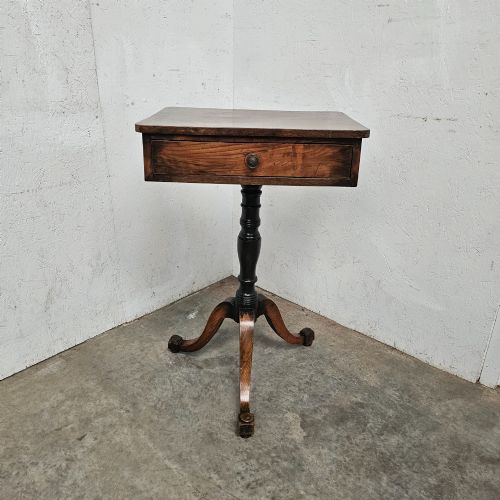
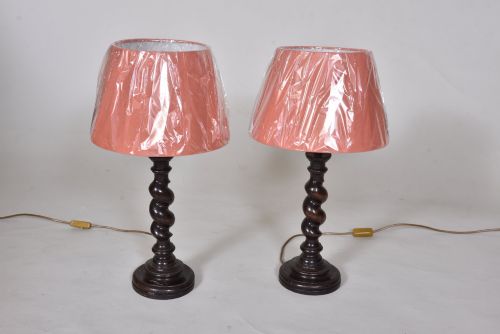
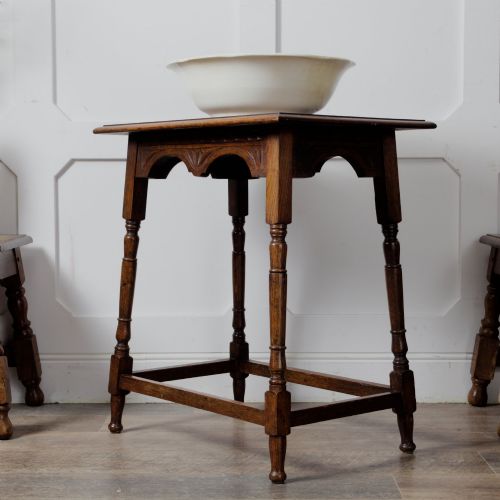
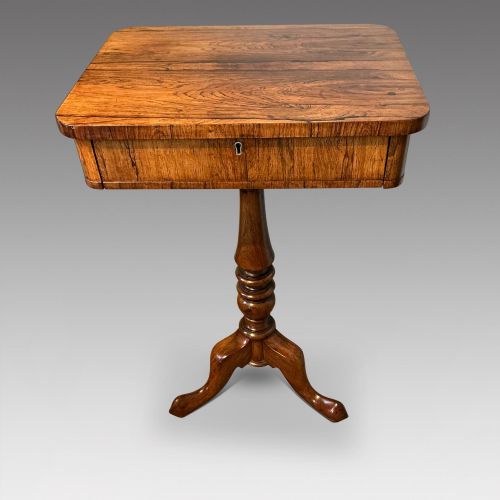
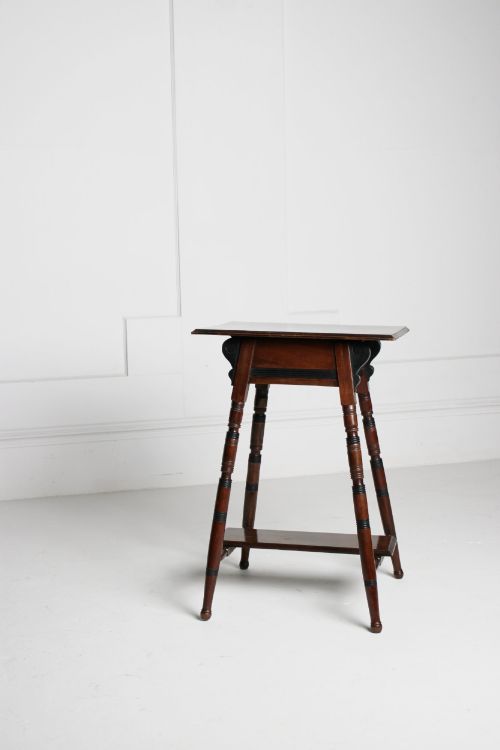
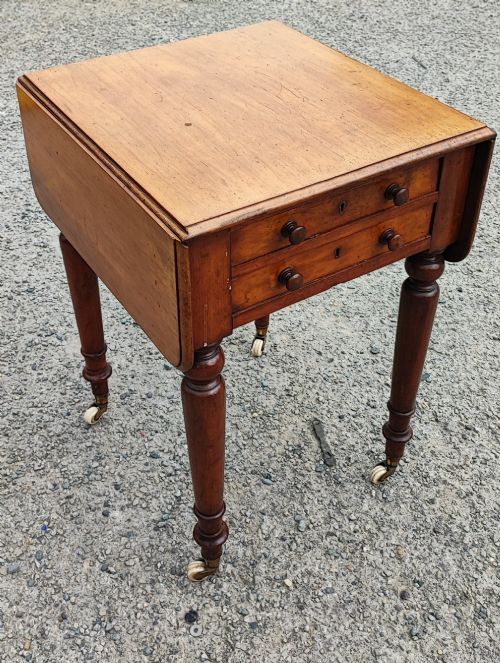
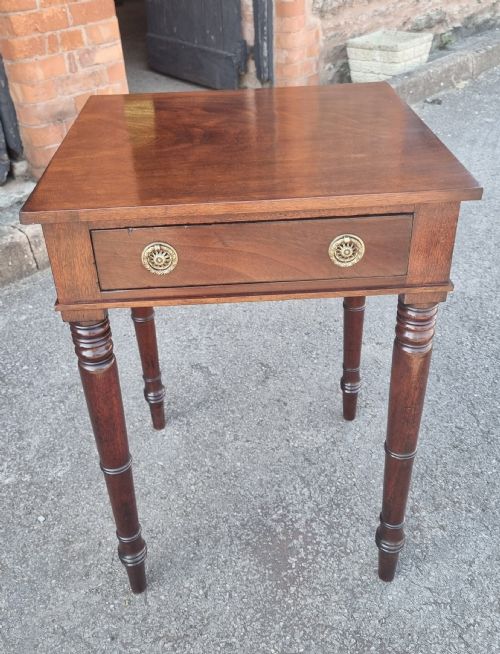
A victorian turned wood lamp or lamp table provides a sturdy surface or lighting fixture shaped by nineteenth-century carpentry techniques. The listings show forms ranging from heavy oak table lamp bases to slender mahogany wine tables and occasional tables utilised for illumination.
Makers and workshops of the period frequently adapted side tables and pedestals into lamp supports. Buyers meet pieces originating from the nineteenth century up to the Edwardian era, often fashioned from dense hardwoods with turned legs or central columns.
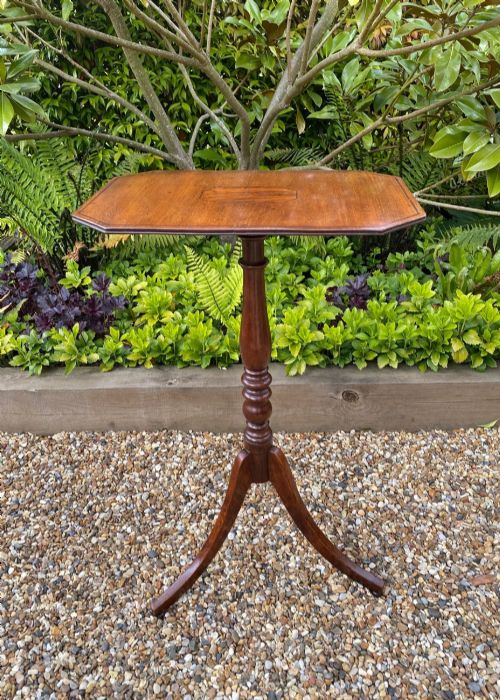
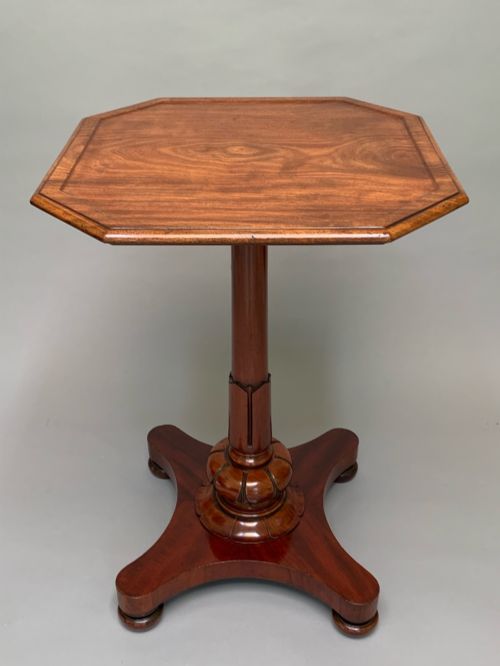
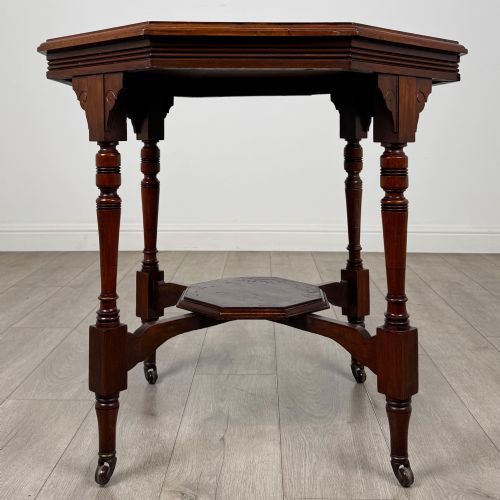
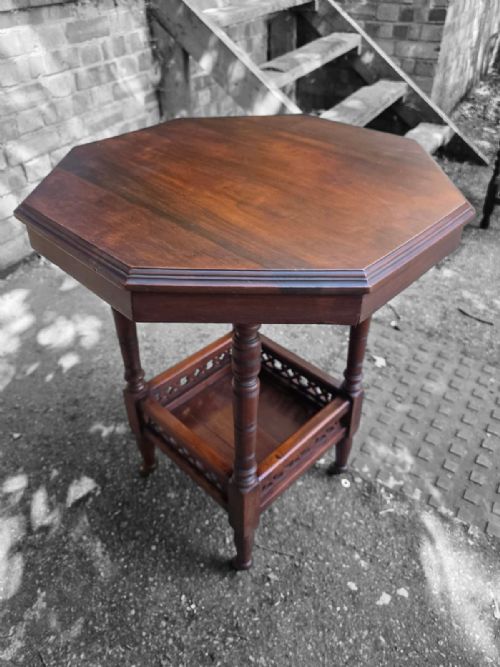
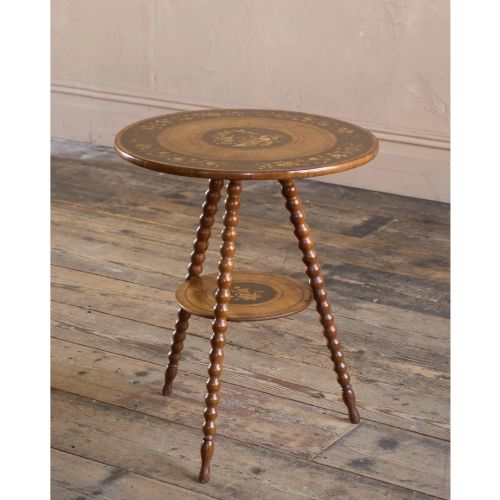
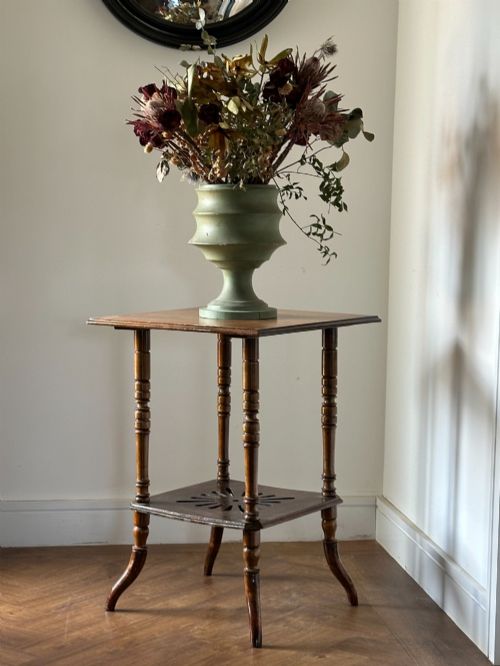
The selection leans heavily toward round, square, or octagonal occasional tables alongside dedicated lamp bases carved from timber. Walnut, mahogany, and rosewood dominate the surviving examples on this page, reflecting standard British parlour furnishings.
How they were made
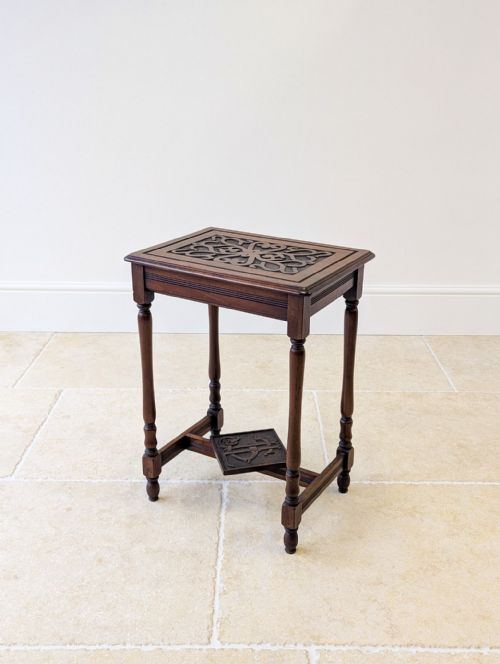
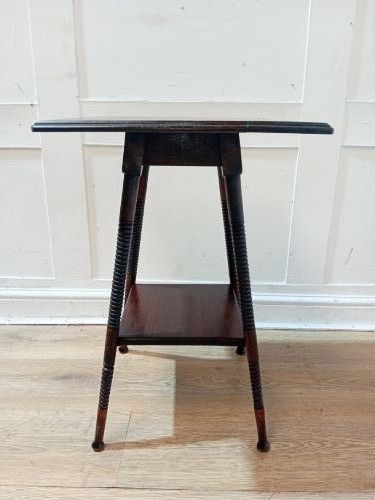
Cabinet-makers relied on dense timbers such as mahogany, walnut, oak, and rosewood, often pairing solid woods with decorative veneers. Turned components like bobbin legs and cylindrical columns required lathe work, while tabletops incorporated marquetry, inlay, or sunburst patterns in specimen woods.
Construction methods involved traditional joinery, including tripod bases, pedestal supports, and carved detailing typical of the Aesthetic Movement and late Victorian periods. Brass fittings and painted pine also appear among the lamp bases and side tables.
Lignum vitae makes an appearance as a heavy, dense timber capable of grounding a Victorian reading room.
What varies in quality
The degree of craftsmanship shows in the crispness of the turning on the wooden stems and legs. Finer examples display precise joinery, well-figured timber grains such as burr walnut or rosewood, and balanced proportions.
Provenance and decorative detailing elevate certain pieces, particularly those bearing maker attributions or complex marquetry. Simpler country styles in elm or ash contrast with the more ornate London-made tables.
Liberty of London·William Birch·Druce & Co London
The Victorian Turned Wood Lamp Glossary
- Turned wood
- Timber shaped on a lathe to create cylindrical, bobbin, or spindle profiles. This technique defines the legs and columns of nineteenth-century lamp tables.
- Occasional table
- A small, versatile table designed to be moved around a room as needed. These often double as lamp stands in Victorian interiors.
- Marquetry
- Inlaid patterns of wood veneers applied to a surface to create decorative motifs. It appears frequently on the tops of late Victorian tables.
- Tripod base
- A support structure resting on three feet or legs. This configuration provides stability for slender wine tables and pedestals.
- Aesthetic Movement
- A late nineteenth-century design style emphasising visual beauty over narrative content. Pieces from this movement often feature ebonised or dark wood finishes.
Victorian Turned Wood Lamp: Frequently Asked Questions
How were these tables used originally?
Victorian households placed these small tables beside seating to hold oil lamps, books, or decorative items. Their compact footprints made them easy to reposition within parlours and drawing rooms.
As artificial lighting evolved, many of these sturdy wooden tables and carved pedestals naturally transitioned to holding electric lamps.
What woods are most common?
Mahogany, walnut, and oak appear most frequently across the surviving nineteenth-century examples. Cabinet-makers also utilised rosewood and ash for specific decorative effects.
Dark hardwoods dominate the period, often finished to highlight natural grain patterns and rich colour variations.
How do I date a Victorian table?
Dating relies on observing construction methods, timber choices, and prevailing stylistic shifts like the Aesthetic Movement. Reference to specific decades often stems from documented cabinet-making traits.
Hardware, joinery style, and secondary woods help narrow down the period of manufacture between the early nineteenth century and the Edwardian era.
Can these hold modern lamps?
The solid construction of nineteenth-century occasional tables provides stable support for modern lighting fixtures. Their surfaces easily accommodate contemporary lamp bases and shades.
Original lamp bases wired for modern electric bulbs also integrate smoothly into current domestic spaces.