
Victorian Turned Oak Table
A victorian turned oak table brings sturdy nineteenth-century utility and shaped timber into a room, offering both practical surface space and distinct period character.
Victorian Turned Oak Table
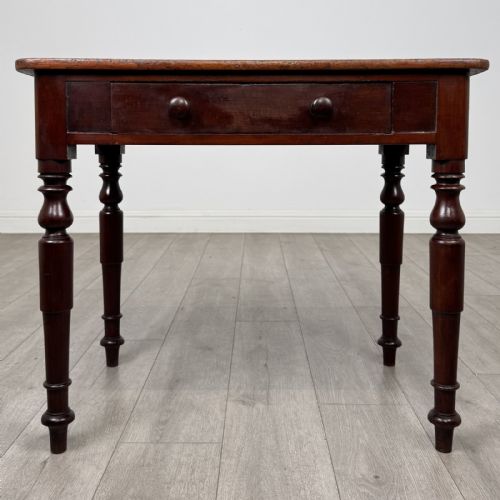
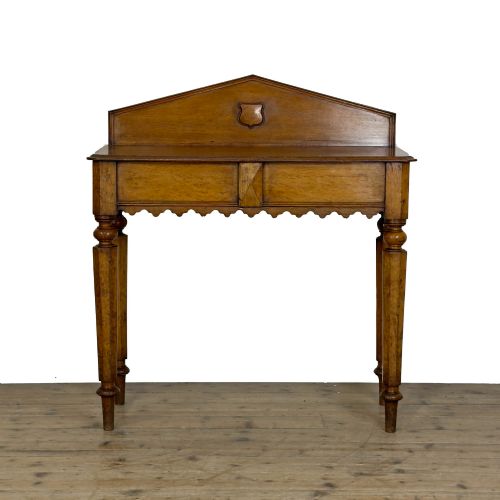
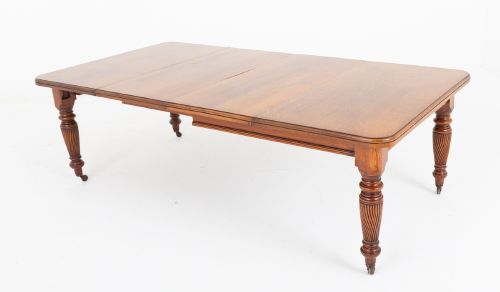
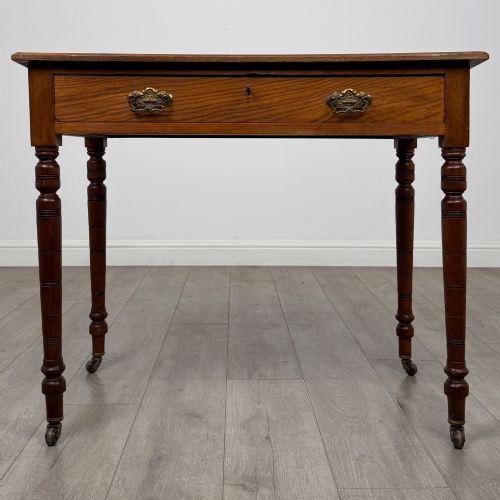
A victorian turned oak table encompasses various domestic forms from the nineteenth century, ranging from compact side tables and occasional stands to large extension dining tables and writing desks. These pieces originate primarily from British workshops, spanning the Victorian era alongside related nineteenth-century production years.
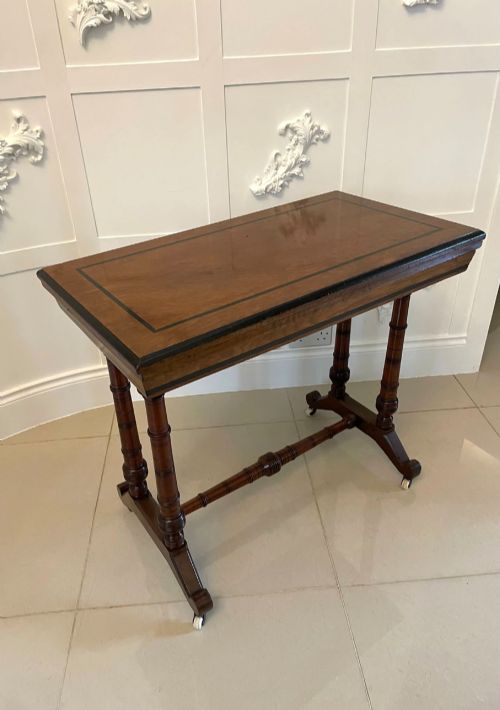
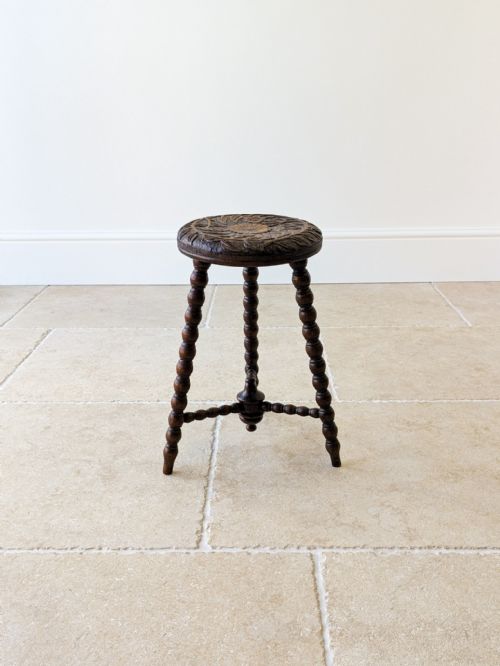
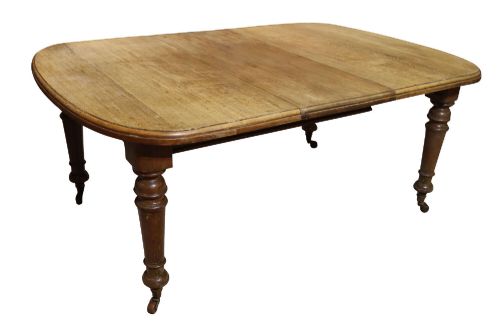
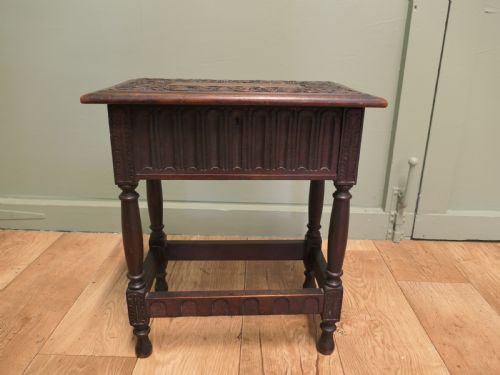
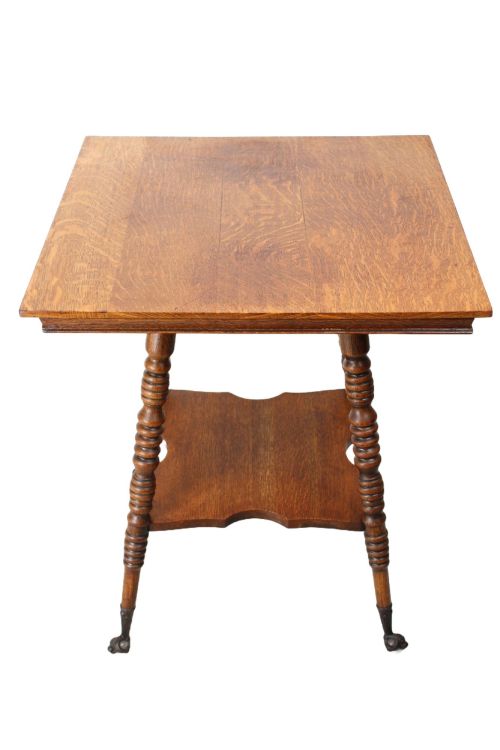
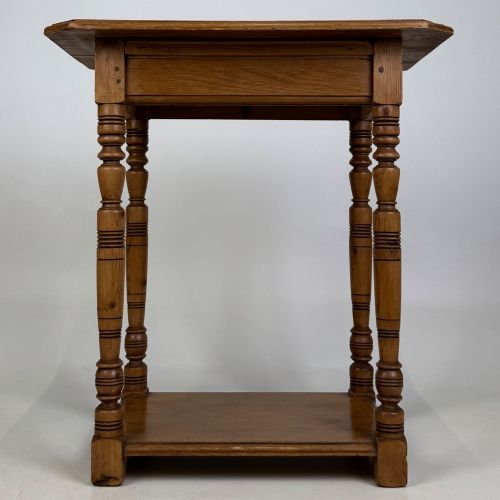
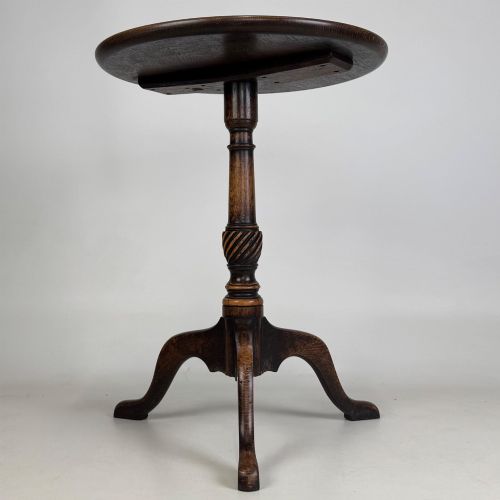
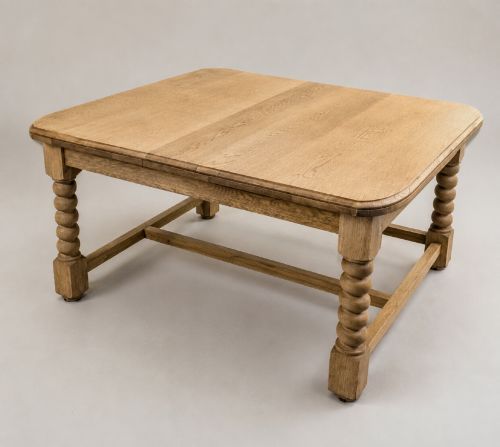
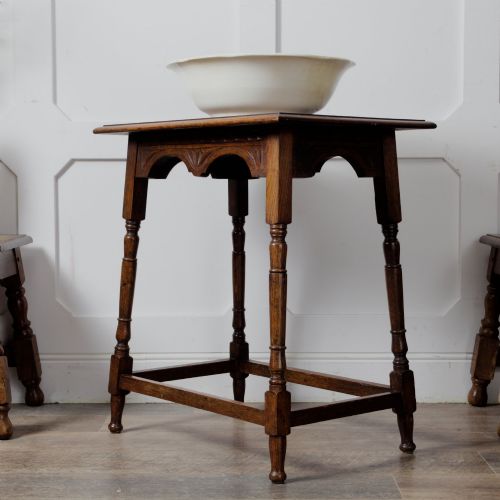
The version most commonly encountered on this page is the side table or occasional table, frequently featuring characteristic spool or bobbin turnings along the legs and stretchers. Larger formats, including refectory, gateleg, and extending dining tables, also appear regularly, alongside specialised writing desks fitted with drawers.
Stylistic influences vary across the selection, drawing upon Jacobean revival motifs, Arts and Crafts simplicity, Gothic elements, and Aesthetic Movement design. The timber employed shifts from dark and golden oak to bleached and blonde varieties, reflecting changing domestic tastes throughout the period.
Judging Quality
Quality rests upon the crispness of the timber turning and the integrity of the joinery, distinguishing sturdily constructed examples from looser, purely utilitarian pieces. Superior items display well-figured oak timber, balanced proportions, and careful integration of carved details or decorative elements.
The degree of original retention matters significantly, where tables retaining their authentic hardware, uncompromised patination, and stable stretcher bases command greater regard than heavily altered or excessively restored specimens.
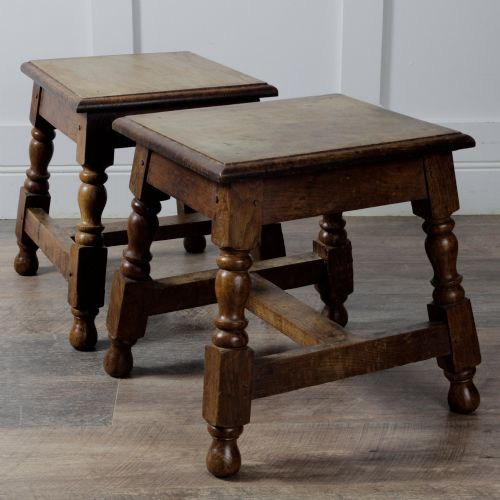
One tiny, highly figured oak Sutherland table squeezed extra charm into the collection with bobbin turned legs and stretcher.
William Birch·James Shoolbred
The Victorian Turned Oak Table Glossary
- Bobbin turning
- A form of lathe work producing a series of rounded, spool-like shapes along the length of a leg or stretcher. This decorative turning style is characteristic of many nineteenth-century side and writing tables.
- Stretcher
- A horizontal wooden brace connecting the legs of a table to provide structural stability. On these pieces, stretchers frequently share the turned patterning of the legs.
- Gateleg table
- A dining or occasional table with hinged drop leaves supported by swing-out legs that operate like a gate. This form allows the table to expand or fold down for compact storage.
- Refectory table
- A long, narrow dining table traditionally used for communal meals, constructed here in solid oak with sturdy supports. These tables often date from the mid to late nineteenth century.
- Tilt top table
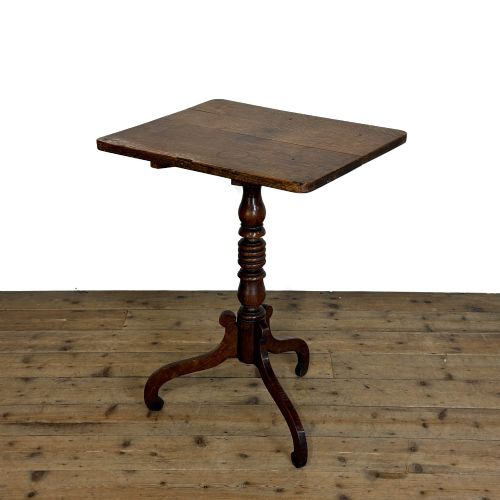
- A occasional table featuring a mechanism that allows the top to pivot vertically when not in use. This design saves floor space in smaller rooms.
Victorian Turned Oak Table: Frequently Asked Questions
How do I use an occasional table?
An occasional table provides a movable surface for lamps, books, or decorative objects within a living room, hallway, or bedroom. Their compact proportions allow them to fit easily beside seating or against walls.
Many examples feature single drawers or lower tiers, offering modest storage alongside surface utility for daily household needs.
Are these tables suitable for daily dining?
Extended dining tables and refectory formats provide robust surfaces constructed from solid oak, making them entirely practical for everyday meals. Their sturdy frames withstand regular use while adding period presence to a dining space.
Care should be taken to use appropriate protection against heat and moisture to preserve the polished or waxed oak surfaces during meals.
How can I tell the period of an oak table?
Dating relies on observing construction methods, timber patination, hardware, and stylistic cues such as Arts and Crafts simplicity or Jacobean revival carving. Nineteenth-century pieces often combine machine-assisted preparation with hand finishing.
Examining the underside, drawer construction, and wear patterns helps distinguish genuine Victorian production from later revival pieces.