


Victorian Turned Column Stand
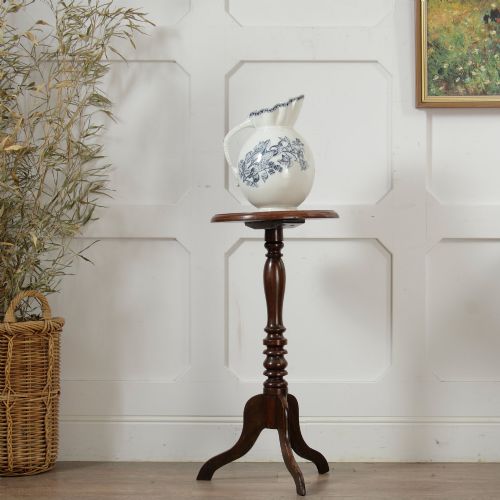
These Victorian turned column stand examples bring upright display and vertical timber grain into a room with genuine period presence.
Victorian Turned Column Stand
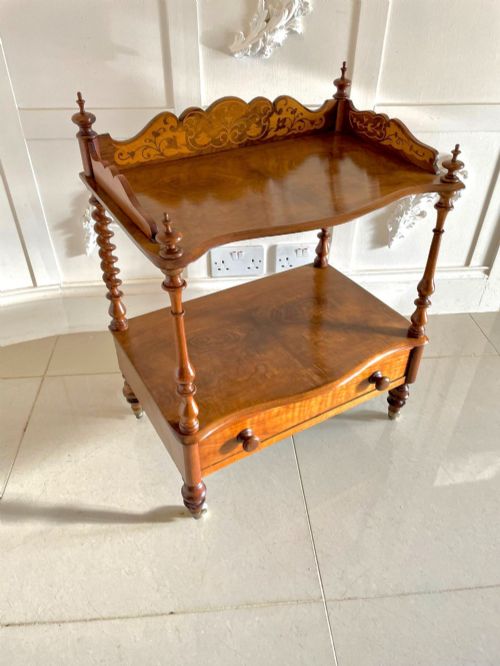
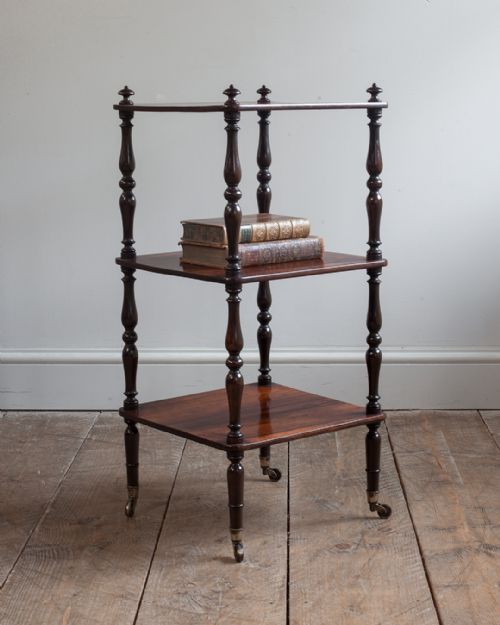
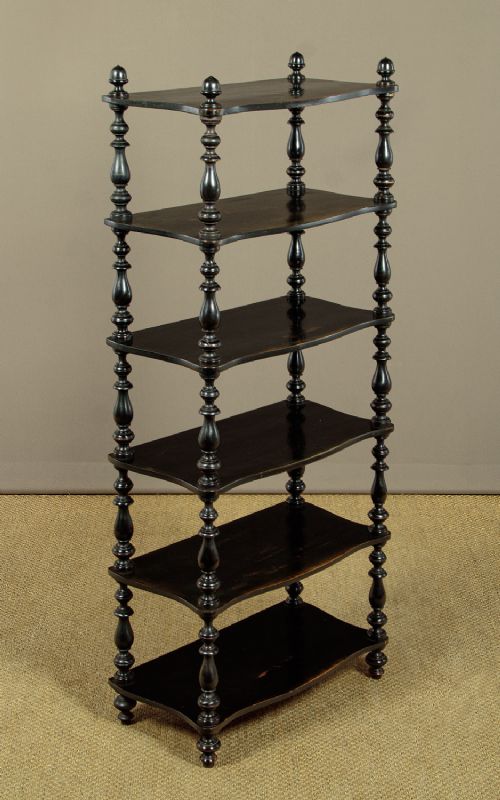
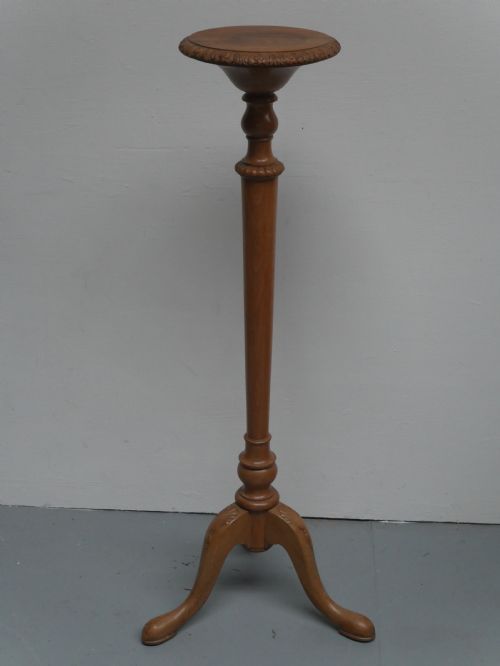
A victorian turned column stand combines vertical timber supports with elevated display surfaces, drawing the eye upward in a domestic interior. These pieces function as torchères, plant stands, pedestals, and multi-tiered whatnots designed to hold lamps, ceramics, or botanical specimens.
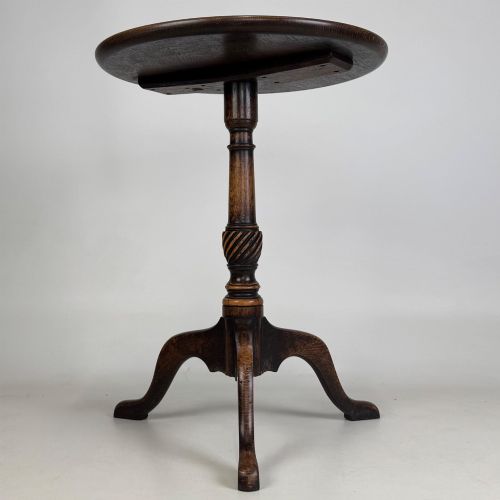
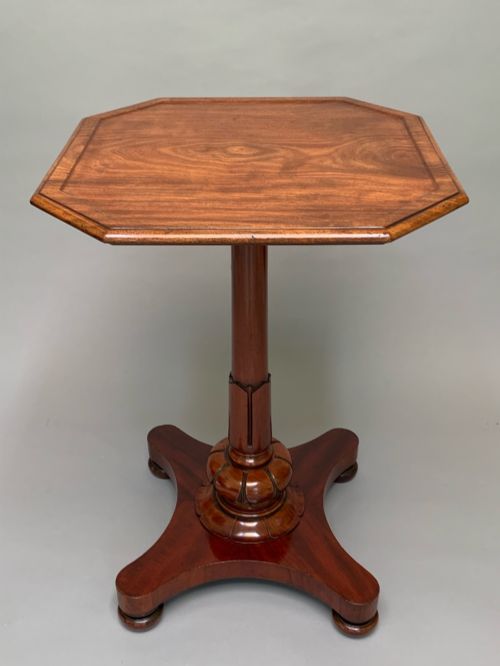
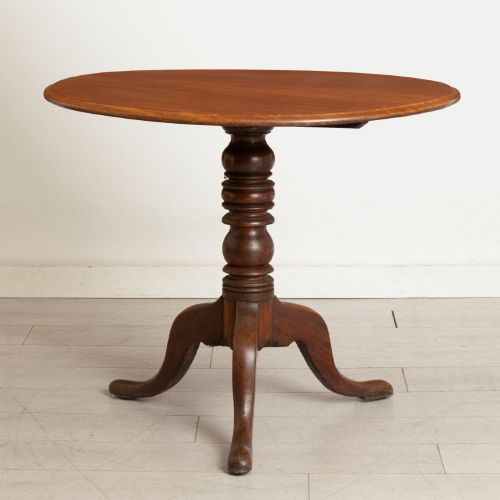
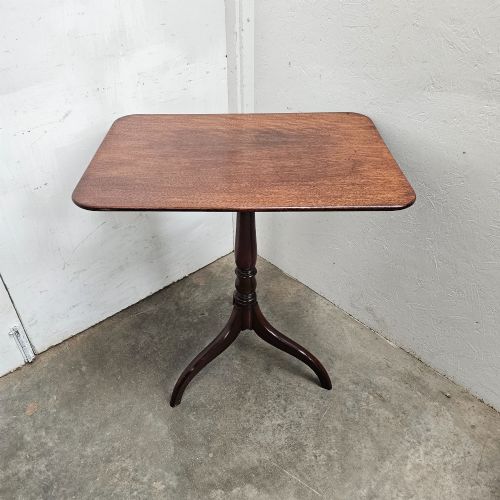
The evidence shows these forms emerging primarily through the nineteenth century, including specific Victorian examples alongside related pieces from the Georgian, William IV, and Edwardian eras. Makers utilised mahogany, walnut, oak, and rosewood to construct sturdy shafts terminating in tripod bases or platform feet.
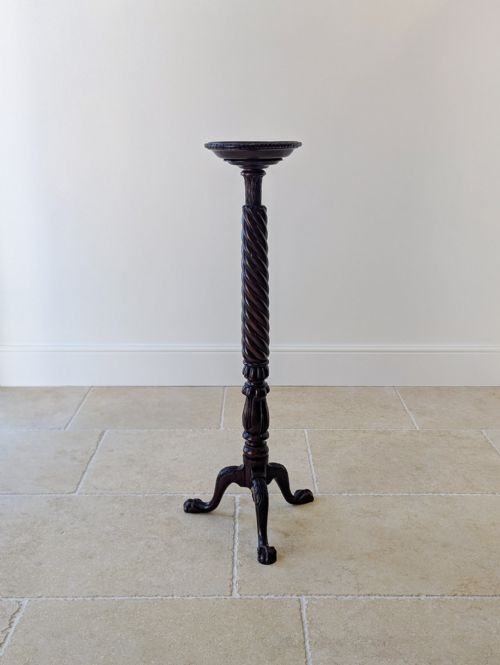
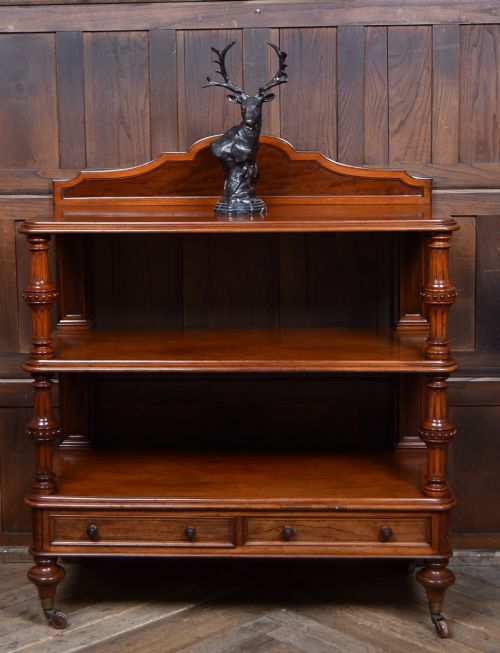
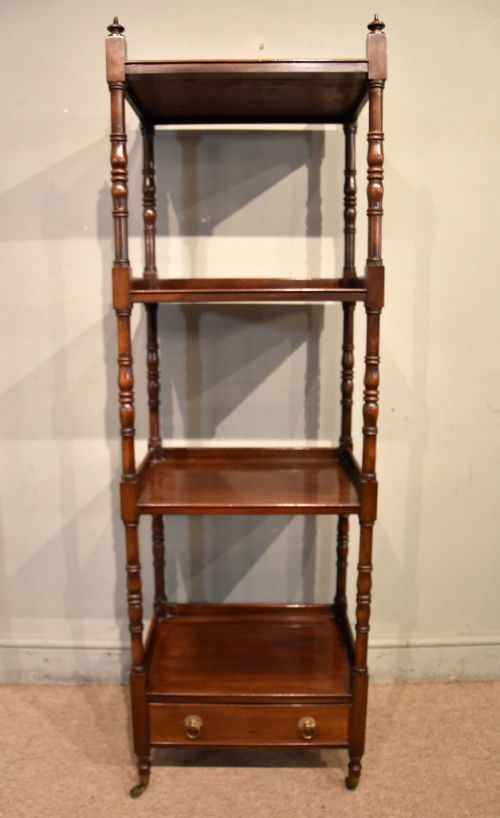
Buyers encountering this category will find various iterations ranging from single-column torchères to tiered étagères and dumb waiters. The turned column provides the structural backbone, often featuring decorative reeding, spiral twisting, or carved bulbous sections.
Materials and construction methods
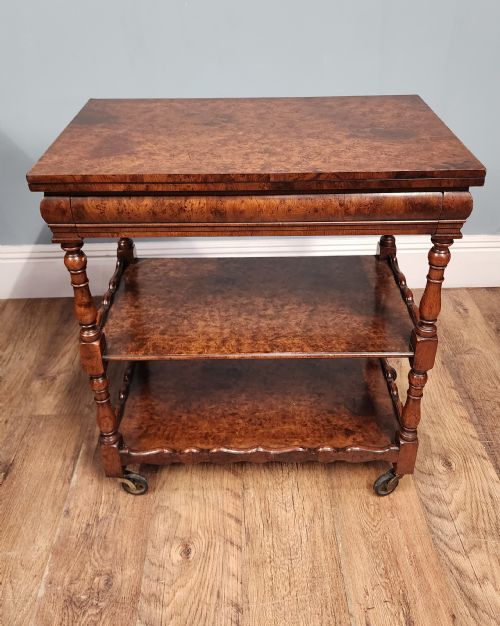
Cabinetmakers relied heavily on dense hardwoods like mahogany, walnut, and rosewood, frequently selecting figured timbers such as burr walnut and birdseye maple for visual contrast. These materials were turned on lathes to create the characteristic central columns, then polished or waxed to highlight the natural grain.
Structural integrity relied on traditional joinery, including precise tenons and sturdy tripod leg arrangements secured to the central shaft. Multi-tiered items incorporated vertical corner supports or central columns to distribute weight evenly across shelves without sagging.
A solitary umbrella stick stand in the archive proves that even humble hallways demanded a turned column.
Judging quality in turned stands
Quality rests in the crispness of the turning on the central column and the weight of the timber selected for the base. Finer examples display harmonious proportions where the diameter of the column supports the top platform without appearing overly heavy or spindly.
The choice of surface veneer marks the distinction between standard production and superior craftsmanship, particularly on inlaid walnut or burr walnut surfaces. Superior items retain stable joints and original timber surfaces rather than heavy modern refinishing.
Shoolbred
The Victorian Turned Column Stand Glossary
- Torchere
- A tall ornamental stand designed specifically to support a lamp or candle. These pieces feature slender columns rising to small display platforms.
- Whatnot
- An open multi-tiered piece of furniture used for displaying ornaments or books. Shelves are supported by slender vertical columns or corner posts.
- Tripod base
- A three-legged support structure commonly found on tables and stands. This design ensures stability on uneven floor surfaces.
- Étagère
- A set of open shelves for displaying small objects. The form prioritises vertical display space over enclosed storage.
Victorian Turned Column Stand: Frequently Asked Questions
What is a Victorian turned column stand used for?
These stands serve as elevated platforms for displaying decorative objects, lamps, and plants within living spaces. Their vertical design allows them to occupy minimal floor area while adding architectural height to a room.
Historically, similar column stands and torchères held lighting devices or floral arrangements to brighten dark corners. Today, collectors utilise them similarly to showcase ceramics, bronzes, or table lamps.
How do I identify a Victorian piece?
Victorian pieces typically display specific timber choices such as mahogany, walnut, and rosewood, often combined with hand-turned columns and traditional joinery. Examining the underside and interior joints reveals hand-cut elements characteristic of nineteenth-century workshop production.
Stylistic revivals during the period incorporated Gothic, Chippendale, and Queen Anne motifs onto standard structural forms. The presence of dense hardwoods and patinated surfaces further points toward nineteenth-century manufacture.
Where should I place a plant stand?
Plant stands function best in corners, beside seating, or near windows where natural light highlights the timber grain and the foliage. Their compact footprints allow them to fit into spaces where larger tables cannot go.
Ensure the surface finish is protected from moisture when displaying live plants. Using saucers beneath pots prevents water rings from damaging the antique wood.
How do I care for mahogany and walnut stands?
Maintain these hardwood surfaces by dusting with a soft, dry cloth and applying periodic coats of quality beeswax. Avoid placing stands near direct heat sources or in strong sunlight to prevent timber shrinkage and fading.
Checking tripod leg fixings gently over time ensures the stability of the central column. Careful handling prevents knocks to the delicate turned profiles.