


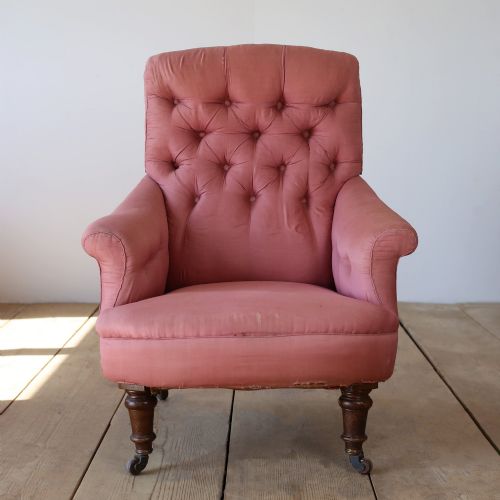
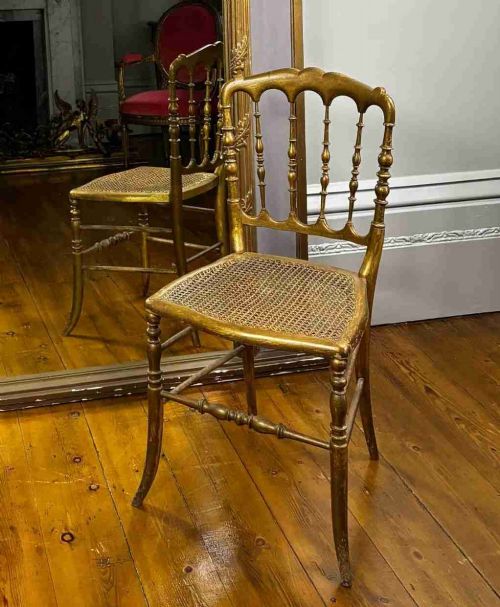
Victorian Turned Accent Chair
A victorian turned accent chair brings nineteenth-century seating into modern rooms through distinctive wooden spindles and characterful frames.
Victorian Turned Accent Chair
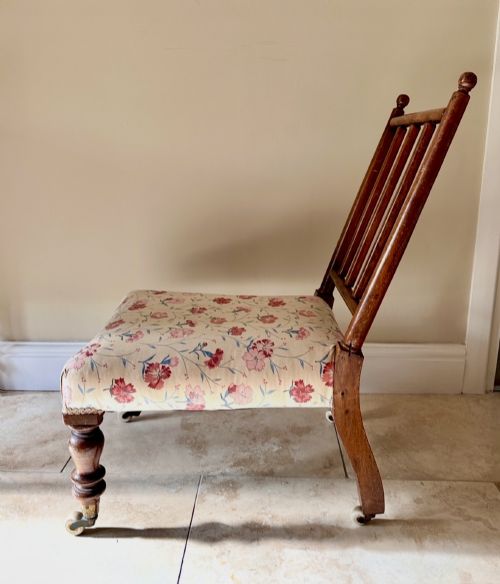
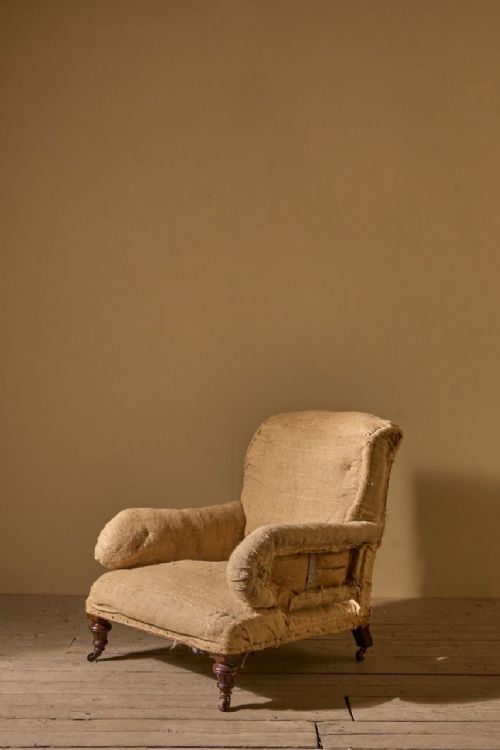
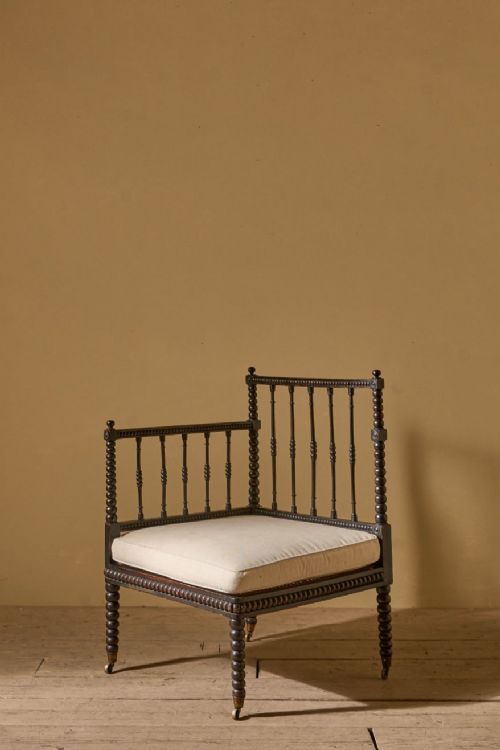
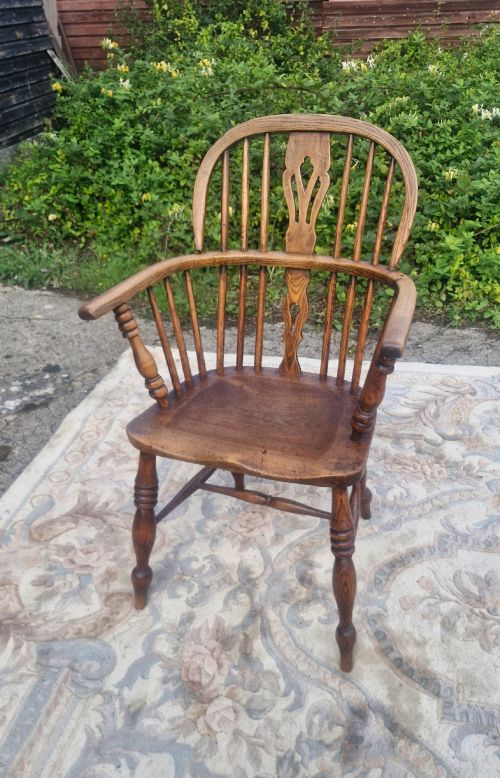
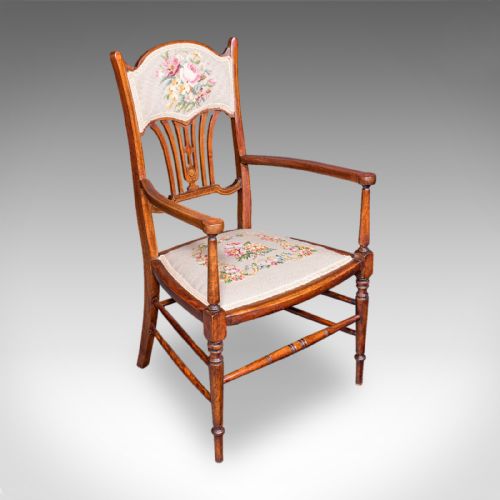
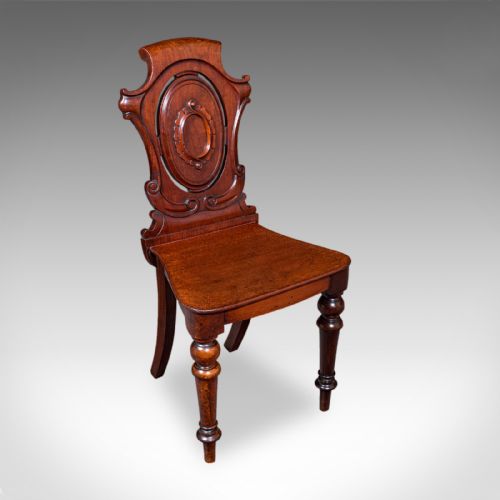
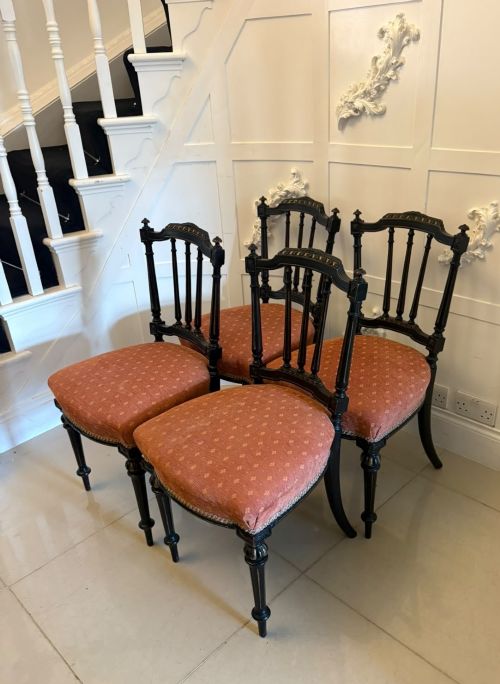
A victorian turned accent chair draws on nineteenth-century vernacular and aesthetic styles, ranging from robust country windsors to slender parlour seats. Buyers encounter numerous variations here, including low-backed bedroom chairs, bobbin-framed seating, and spindle-backed fireside designs.
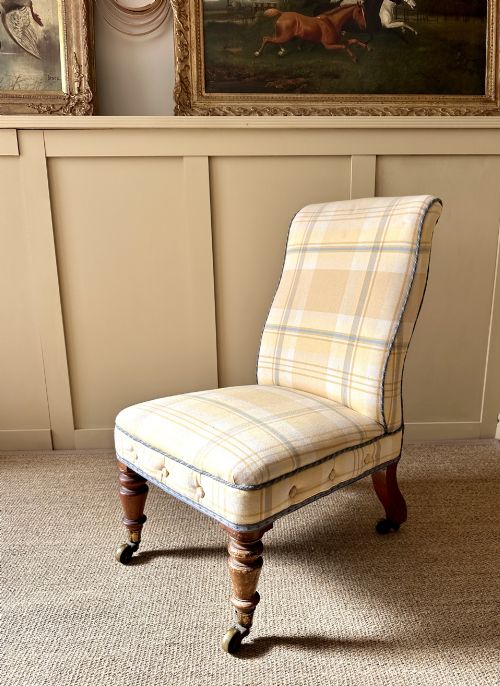
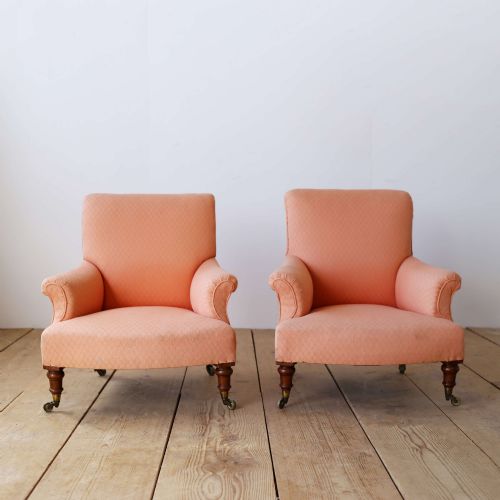
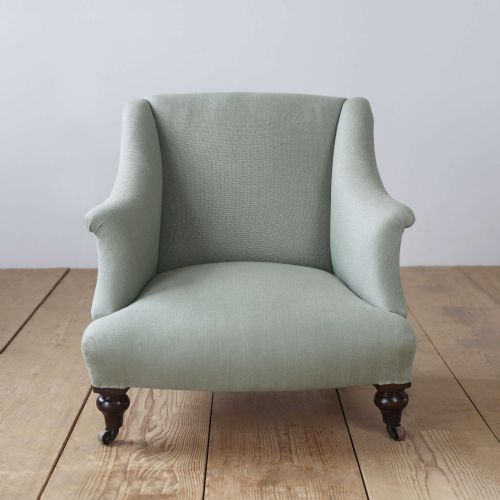
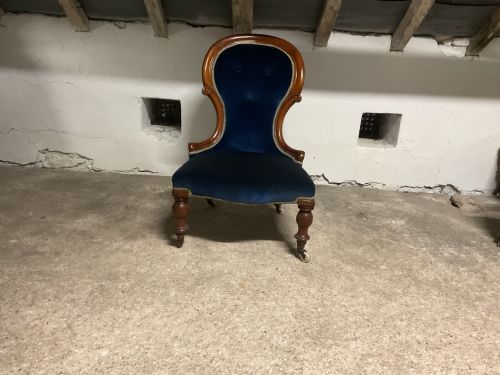
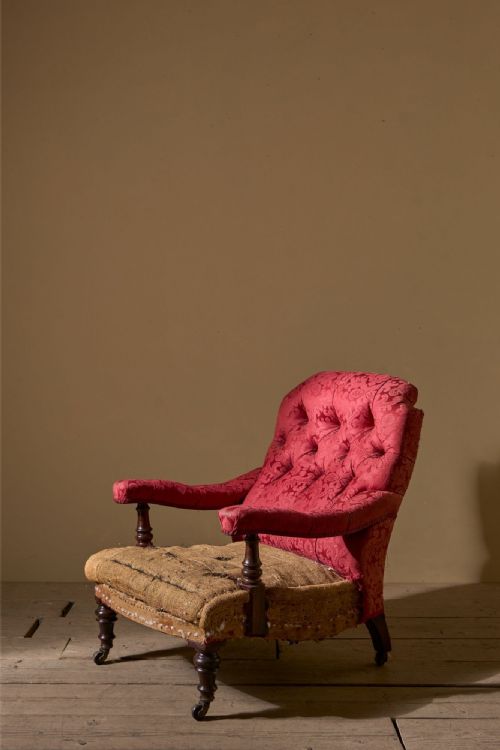
The form encompasses diverse seating types such as nursing chairs, elbow chairs, and slipper chairs, reflecting the varied domestic spaces of the period. These pieces frequently utilise turned wooden framing, bobbin work, or spindle details to create visual lightness within compact footprints.
Materials and construction
Cabinet makers and turners utilised native hardwoods such as beech, oak, elm, walnut, and mahogany, often shaping structural elements on a lathe. Bobbin and spindle components required precise turning to achieve uniform profiles across uprights, stretchers, and arm supports.
Upholstered examples combine traditional stuffing methods with period textiles including velvet, tapestry fabric, and modern specialist prints. Open timber frames frequently feature rush seats or cane panels secured within the wooden framework.
Periods represented across the inventory range from mid-nineteenth-century examples to the Edwardian era.
Assessing quality and craftsmanship
Quality rests in the precision of the turning work and the integrity of the timber joinery, where tight joints and well-seasoned woods ensure lasting stability. Superior examples display crisp detail in turned spindles and balanced proportions that maintain structural strength without excessive bulk.
The refinement of the carving, the selection of figured timbers like birds-eye maple or yew wood, and the quality of secondary framing separate standard production from finer workshop output. Upholstered versions depend equally on the retention of supportive internal webbing and appropriate period-sympathetic fabric choices.
Howard and Sons·Hampton and sons·E W Godwin·Liberty and Co·Mellier and Co
The Victorian Turned Accent Chair Glossary
- Turned
- Woodwork shaped on a lathe by rotating the piece against cutting tools to create cylindrical, bobbin, or spindle profiles. This technique defines the structural framing of many nineteenth-century seats.
- Windsor
- A traditional chair construction featuring timber seats into which legs and back spindles are wedged directly. These sturdy forms often incorporate steam-bent backbows.
- Bobbin
- A style of turning characterised by a series of rounded spheres or beads resembling spools of thread. It appears frequently on frames from the aesthetic and arts and crafts movements.
- Nursing chair
- A low-seated chair historically designed for comfort during infant feeding or domestic tasks. They often feature upholstered button backs and compact proportions.
- Rush
- Dried marsh grass twisted into cords and hand-woven to create resilient seat platforms. This traditional seating material is common on arts and crafts and country chairs.
Victorian Turned Accent Chair: Frequently Asked Questions
Where should I place a turned accent chair?
These compact seats suit bedrooms, reading corners, or hallways where space is limited yet decorative character is desired.
Their lightweight frames allow for easy movement between rooms depending on seating needs.
How do I care for antique wood frames?
Maintain timber surfaces by applying quality beeswax periodically to nourish the grain and protect the original polish.
Avoid placing chairs in direct sunlight or near heat sources to prevent timber splitting.
Are these chairs comfortable for daily use?
Low seats and upright spindle backs provide supportive upright posture rather than deep lounging comfort.
Upholstered variants with button backs offer softer cushioning suited to occasional sitting.
How do I distinguish between Victorian and Edwardian periods?
Victorian pieces often display heavier timber profiles, darker finishes, and intricate turnings including bobbin work.
Edwardian examples tend toward lighter woods, simpler spindle arrangements, and more restrained decorative details.