



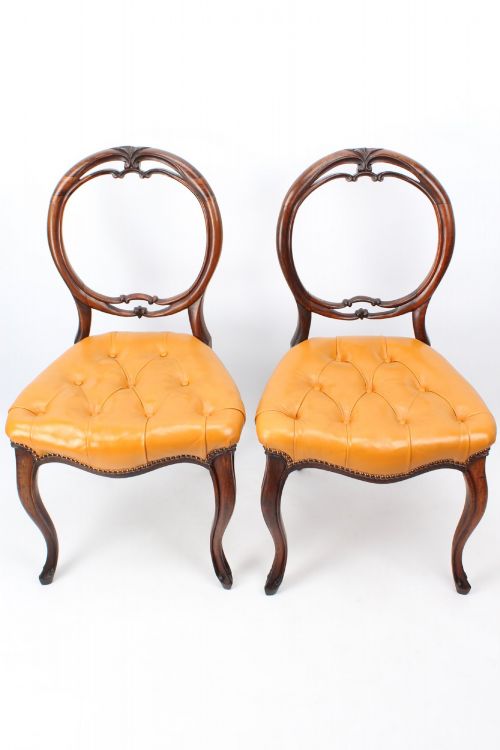
Victorian Tufted Leather Chairs
Victorian tufted leather chairs bring substantial comfort and deep buttoned character to a study or library.
Victorian Tufted Leather Chairs
Victorian tufted leather chairs encompass a range of heavy seating from the nineteenth century, built for libraries, studies and drawing rooms. Buyers seek these pieces for their deep buttoned upholstery, robust frames and the rich patina developed by aged hides over generations.
Frames span the nineteenth century, including specific decades such as eighteen eighty and eighteen ninety, alongside broader periods like late Victorian and Regency. Timber choices include mahogany, oak and rosewood, providing solid structural foundations for the padded upholstery.
Materials and construction
Frames utilise dense hardwoods such as mahogany, oak and rosewood, often carved or turned by hand to support the heavy internal padding. Joinery relied on traditional methods to ensure durability under daily use in nineteenth century interiors.
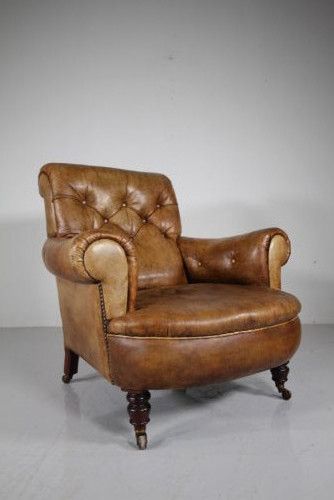
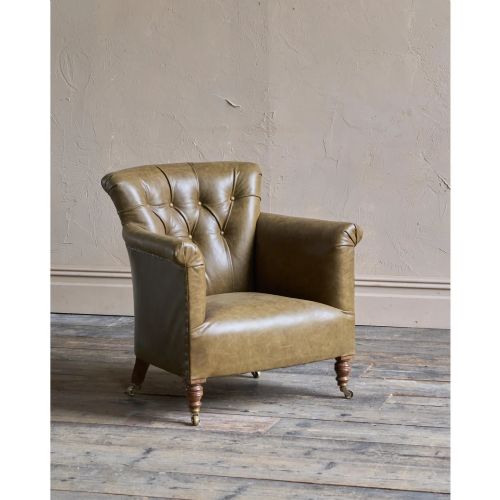
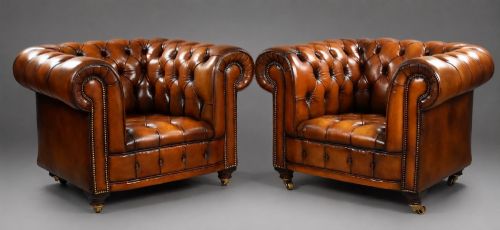
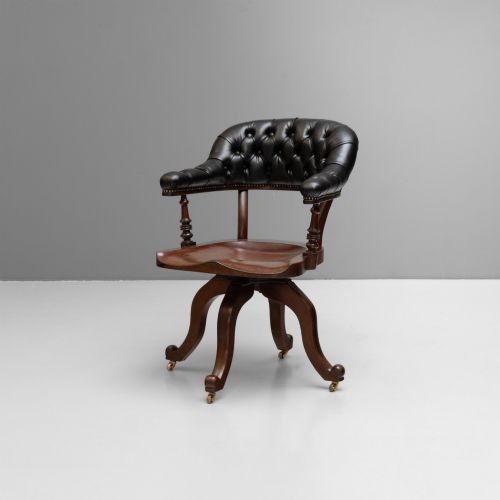
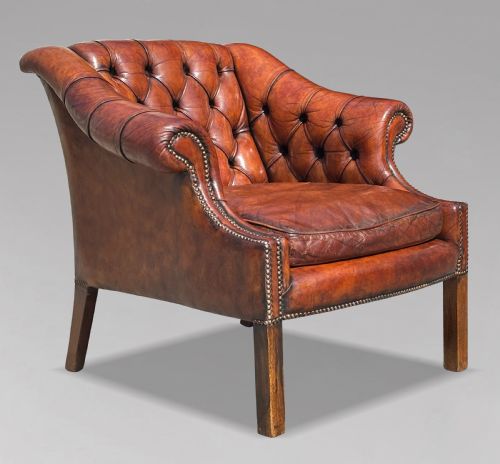
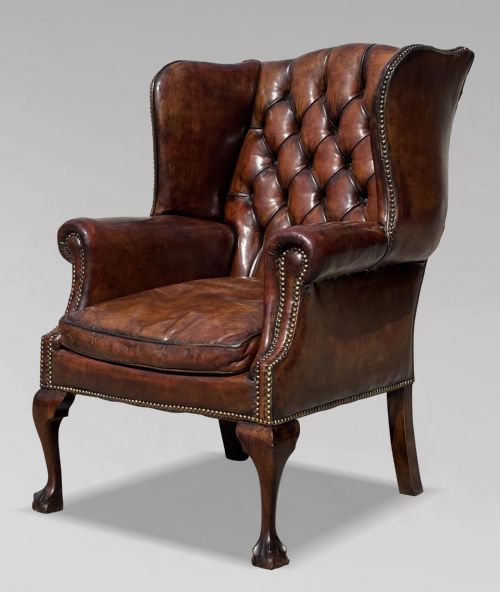
Upholstery centres on leather, secured with deep buttoning techniques that create the characteristic tufted surface. Brass detailing frequently appears along the edges, anchoring the hide to the wooden framework with neat rows of tacks.
Internal webbing, springs and stuffing provided the deep comfort expected in library and club armchairs. Makers selected resilient materials to maintain the structured shape of the seat and back over decades of service.
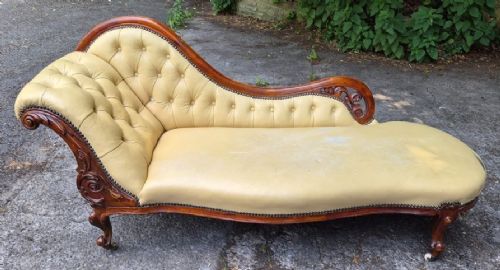
Listings feature nineteenth century pieces constructed from mahogany, oak, rosewood and metal, spanning armchairs, desk chairs and chaise longues.
Quality differences
The refinement of the wooden frame separates standard seating from exceptional examples. Carved details, finely turned legs and the use of superior timbers like rosewood or figured mahogany indicate superior craftsmanship.
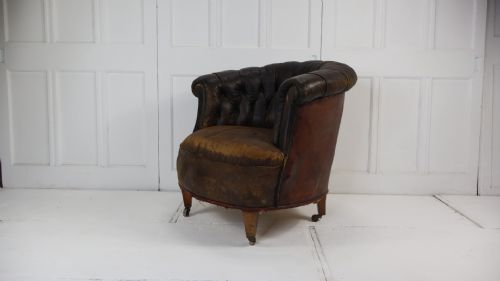
The depth and execution of the button tufting dictate the visual impact of the upholstery. Even folds, secure tension and high grade leather that retains a natural texture distinguish finer pieces from simpler utilitarian seating.
Howard and Sons
The Victorian Tufted Leather Chairs Glossary
- Buttoning
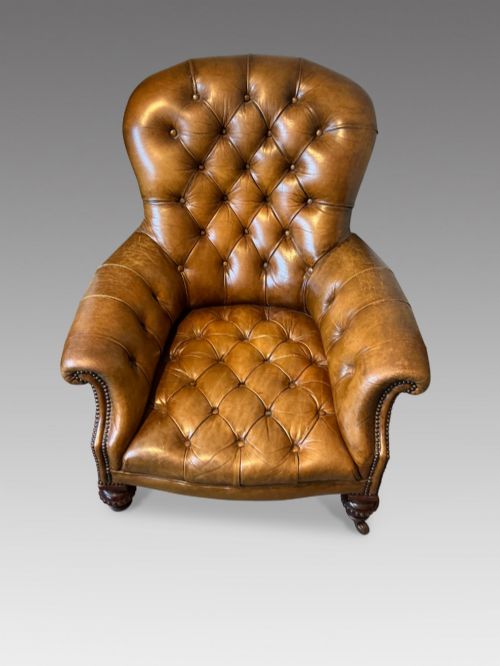
- A method of upholstering where twine pulls the leather deep into the padding to secure rows of buttons. This creates the characteristic tufted diamond pattern seen across the backrests.
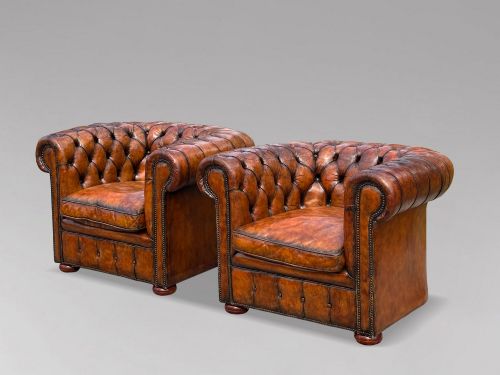
- Chesterfield
- A traditional style of heavily upholstered seating featuring arms and backs of the same height. These club chairs are known for deep buttoning and studded leather trim.
- Library armchair
- A sturdy, wide seat designed for long hours of reading in nineteenth century domestic libraries. They typically combine a solid mahogany or oak frame with comfortable leather padding.
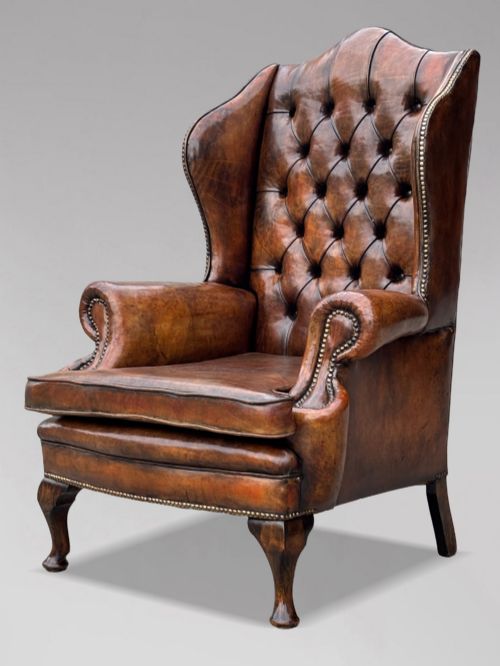
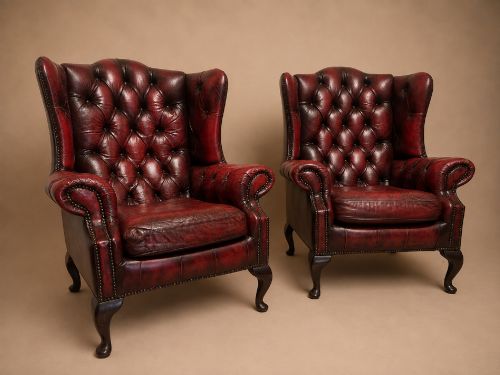
- Wing armchair
- A high backed seat with projecting side panels designed to shield the user from draughts. Versions from the Victorian period frequently feature tufted leather upholstery.
- Library desk chair
- A revolving or stationary seat intended for office and study use, often mounted on a timber or metal swivel base. They combine ergonomic support with traditional leather finishes.
Victorian Tufted Leather Chairs: Frequently Asked Questions
How do I care for antique leather?
Apply suitable leather balms periodically to keep the hide supple and prevent cracking. Avoid placing antique seating near direct heat sources or strong sunlight.
Regular dusting with a soft cloth maintains the surface. Professional conservation ensures the structural integrity of the leather remains intact.
Where were these chairs used?
Library armchairs and desk chairs found places in domestic studies, private libraries and offices during the nineteenth century. Wing chairs and club chairs suited drawing rooms and smoking rooms.
Larger club seating provided comfortable lounging spaces in country houses and gentlemen's clubs. Smaller side chairs and nursing chairs furnished bedrooms and parlours.
Are these chairs comfortable?
Nineteenth century seating prioritized substantial padding, deep springs and ergonomic support for long periods of reading or work. The materials used provided a firm yet accommodating seat.
Original internal stuffing and springs offer a supportive sit tailored to traditional library use. Many pieces remain practical for daily relaxation.
How do I identify a Victorian chair?
Look at the timber frame, construction techniques and upholstery style characteristic of the nineteenth century. Mahogany, oak and rosewood were standard choices for frames during this era.
Deep buttoned leather upholstery and turned wooden legs offer clear visual markers of the period. Maker marks or stamps occasionally appear on the underside of the frame.