
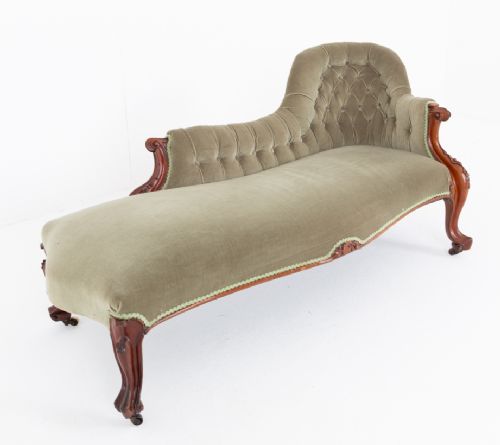


Victorian Tufted Back Daybed
A victorian tufted back daybed offers deep, reclining comfort, combining nineteenth-century elegance with practical day-long lounging.
Victorian Tufted Back Daybed
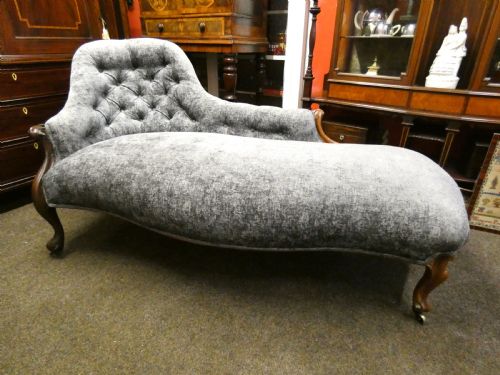
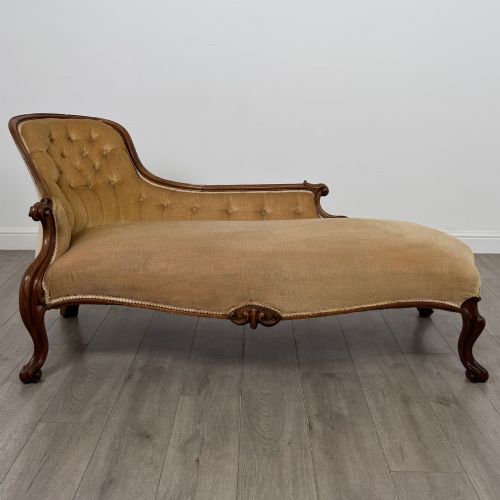
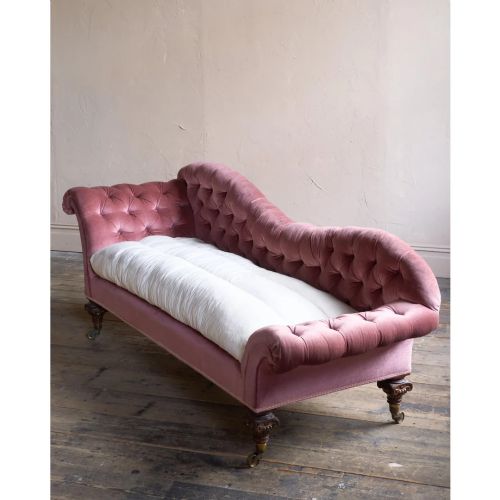
When you search for a victorian tufted back daybed, you are looking at nineteenth-century chaise longues, daybeds, and settees designed for reclining. These pieces combine long wooden frames with upholstered seats and raised ends, created for daytime rest in formal parlours and libraries.
The versions you are most likely to meet on this page hail from the Victorian period, spanning the mid-to-late nineteenth century around 1850 to 1870. They appear in forms such as open arm sofas, kidney sofas, and double spoonback chaise longues.
Originating largely from British and French nineteenth-century workshops, these seating pieces reflect the era's taste for plush comfort and ornate woodwork. They function as both statement furniture and practical lounging seats in modern homes.
Materials and construction
Makers built the structural frames of these pieces using solid timbers such as mahogany, rosewood, walnut, and general wood. These hardwoods provided the necessary strength for curved backs, carved rails, and structural legs like ionic columns.
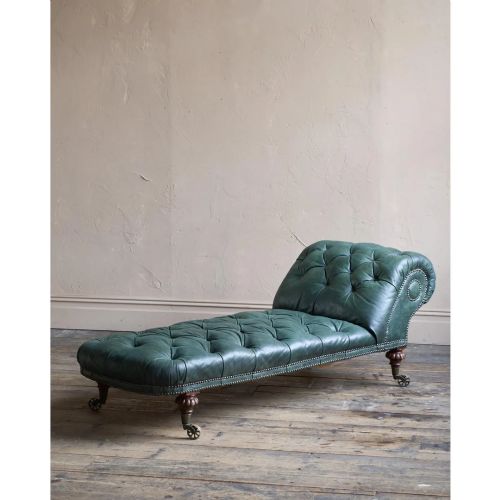
Upholstery defines the surface character, utilising buttoning and tufting techniques across materials like velvet, leather, and various fabrics. Metal components, specifically brass and general metal elements, occasionally appear in castors and decorative mounts.
Listings span the nineteenth century, including specific dates from 1850 to 1870, utilising rosewood, mahogany, walnut, leather, and velvet.
What separates the best from the rest
The distinction between standard and superior pieces lies in the crispness of the timber carving and the depth of the frame's timber selection. Denser rosewood and richly figured mahogany frames command greater attention than plain wood structures.
Upholstery execution also dictates standard, particularly the regularity of the buttoning and the hand-tailoring of the fabric or leather. Finely sculpted details, such as ionic column legs or double spoonbacks, elevate the architectural merit of the piece.
Holland and Sons·Miles and Edwards·Howard and Sons
The Victorian Tufted Back Daybed Glossary
- Chaise longue
- A long upholstered chair for reclining, literally translating from French as long chair. These forms form the majority of the daybeds on this page.
- Spoonback
- A chair or sofa back shaped like the bowl of a spoon, providing ergonomic support. Double spoonback examples feature two adjacent rounded backrests.
- Bobbin
- A style of turned furniture leg resembling a string of bobbins or spools. This decorative turning technique appears on nineteenth-century daybed frames.
- Buttoning
- A method of upholstery where buttons are pulled deep into the padding to create a tufted, diamond pattern. This technique secures the stuffing and provides structural resilience.
Victorian Tufted Back Daybed: Frequently Asked Questions
How do I style a daybed?
Position the piece against a primary wall in a living room, study, or large bedroom to let the carved timber frame and upholstered back serve as a focal point. Pair it with low tables to maintain clear sightlines across the room.
Keep surrounding furniture balanced by avoiding overly bulky seating nearby. Let the daybed function as a standalone spot for reading or resting.
Where were daybeds placed originally?
Nineteenth-century households placed these lounging pieces in private withdrawing rooms, morning rooms, and master bedrooms. They served daytime resting needs before the widespread adoption of dedicated loungers.
Their placement allowed inhabitants to recline without retiring to a bedchamber during daylight hours. They combined social seating with horizontal comfort in formal settings.
How do I care for leather upholstery?
Maintain leather surfaces by dusting regularly with a soft, dry cloth and avoiding placement near direct heat sources. Conditioning treatments help preserve the suppleness of nineteenth-century leather.
Protect the finish from sharp objects and excessive sunlight to prevent drying and cracking. Professional cleaning ensures the longevity of antique hides.