



Victorian Trophy Plaque
A victorian trophy plaque brings the dramatic spirit of nineteenth-century sporting and hunting lodges directly into modern interiors.
Victorian Trophy Plaque
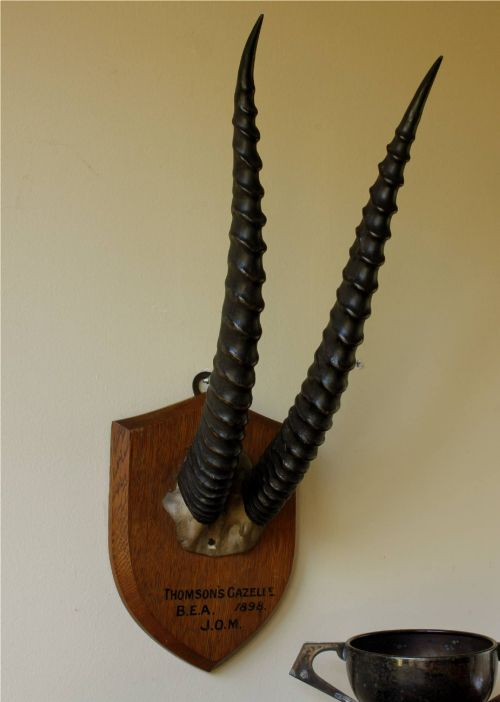
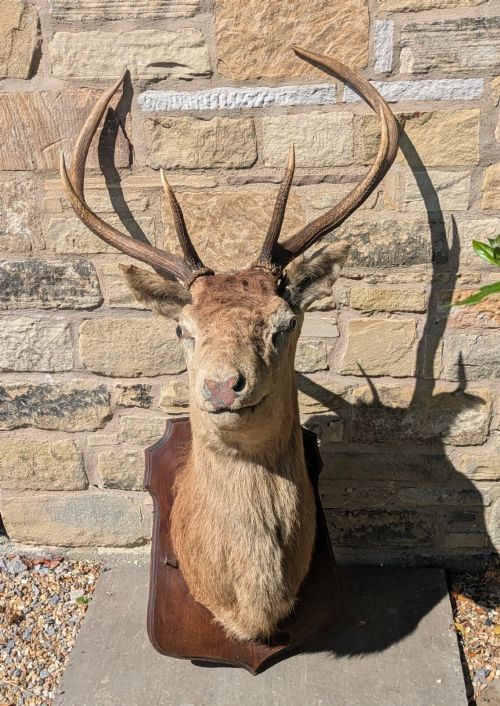
A victorian trophy plaque combines taxidermy mounts and carved woodwork to celebrate sporting achievements and natural history. These wall-mounted displays reflect the aesthetic of nineteenth-century hunting lodges and domestic studies.
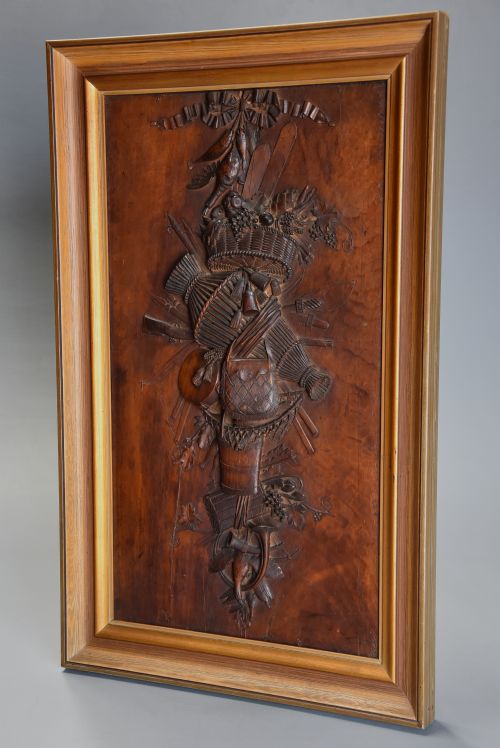
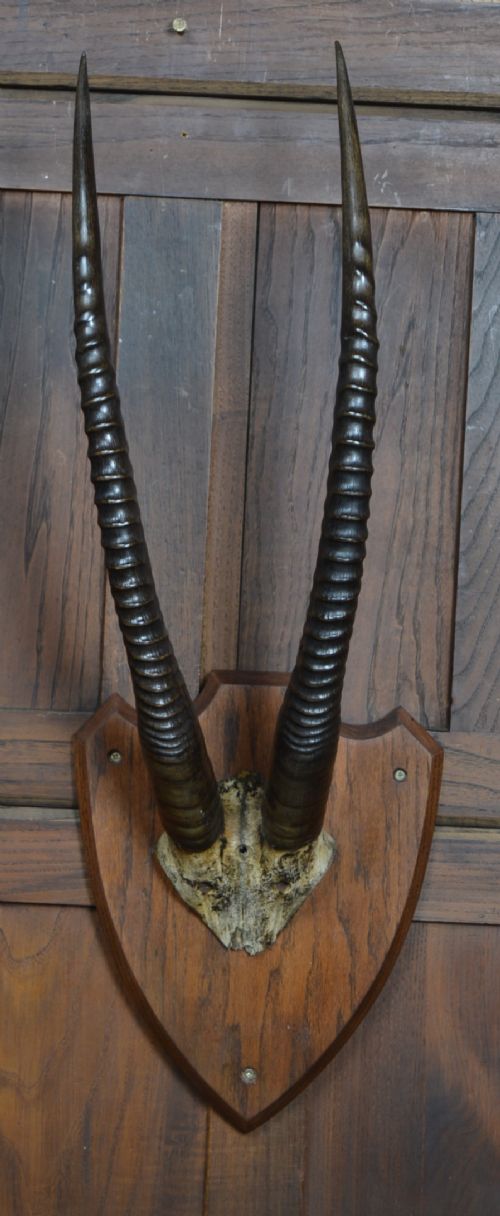
The selections on this page encompass mounted horns, taxidermy masks, and carved wooden panels. Common forms include stags' heads, antelope horns, and detailed wooden plaques executed in styles ranging from Victorian to Black Forest.
Originating predominantly from the nineteenth century, these objects range from domestic taxidermy to Continental wood carvings. Buyers encounter items featuring natural hide, bone, and timber shields designed for wall display.
Materials and Construction
Taxidermy elements combine natural horn, bone, hide, and antlers with preserved animal specimens. These biological materials are meticulously prepared and mounted onto wooden backing shields.
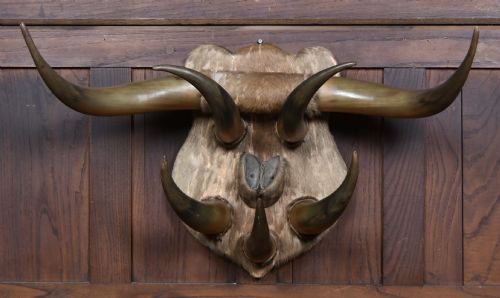
Carpenters and carvers shaped oak, fruitwood, and general timber to create supportive plaques and decorative wall art. Skilled hands rendered detailed animal heads and foliage using traditional hand-carving techniques.
Silver-plating appears on specialised commemorative plaques, introducing polished metallic elements alongside organic textures. Assemblages frequently secure animal horns and hooves directly to carved wooden mounts using hidden metal fixings.
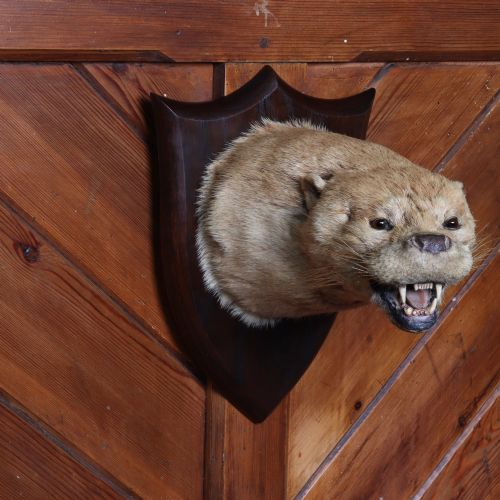
An otter mask gazes across the room with glass eyes, preserving a Victorian riverbank encounter in meticulous detail.
Markers of Distinction
The finesse of the carving on wooden shields and animal masks dictates the primary tier of craftsmanship. Crisp, deep relief work on oak or fruitwood distinguishes superior panels from simpler mass-produced variants.
The preservation state of biological materials such as hide, horn, and hair influences overall desirability. Expert taxidermy taxidermy work ensures anatomical accuracy and stable long-term preservation of the specimen.
Attribution to known workshops elevates certain examples above unmarked pieces. Master taxidermists bring documented provenance that distinguishes their output within the broader field.
Peter Spicer & Sons
The Victorian Trophy Plaque Glossary
- Taxidermy
- The art of preparing, stuffing, and mounting the skins of animals for display. This practice preserves biological specimens for study and interior decoration.
- Black Forest
- A nineteenth-century carving style originating in the mountainous region of Germany. These works typically feature naturalistic animals and foliage rendered in rich dark timber.
- Shield
- A wooden backing board shaped like a heraldic shield to support mounted horns or animal heads. They provide structural stability for wall suspension.
- Mask
- The preserved head and upper neck of a hunted animal used in taxidermy displays. These mounts capture the alert expression of the creature.
Victorian Trophy Plaque: Frequently Asked Questions
How should I clean antique taxidermy?
Gentle dusting with a soft, dry brush or a low-suction vacuum fitted with a mesh guard removes surface particles safely. Avoid using water, chemical sprays, or household detergents on preserved hide, hair, horns, or feathers.
Keep mounted specimens away from direct sunlight and damp environments to prevent fading and material degradation. Stable indoor humidity protects both the taxidermy and the wooden backing shields.
What periods do these pieces span?
The listings on this page span the nineteenth century and the early twentieth century, with particular concentration in the Victorian era. Pieces date from the eighteen-seventies through to mid-twentieth-century examples.
Stylistic shifts reflect changing interior tastes from grand Highland hunting lodge aesthetics to intricate Continental wood carving traditions.
Are the antlers and horns removable?
Most horns and antlers are permanently fixed to their wooden shields or skull plates during the initial taxidermy process. Attempting to detach them risks damaging the historic mounting structure and the natural material.
Some larger specimens may utilise internal metal bolting, but disassembly should generally be avoided to preserve the integrity of the piece.