


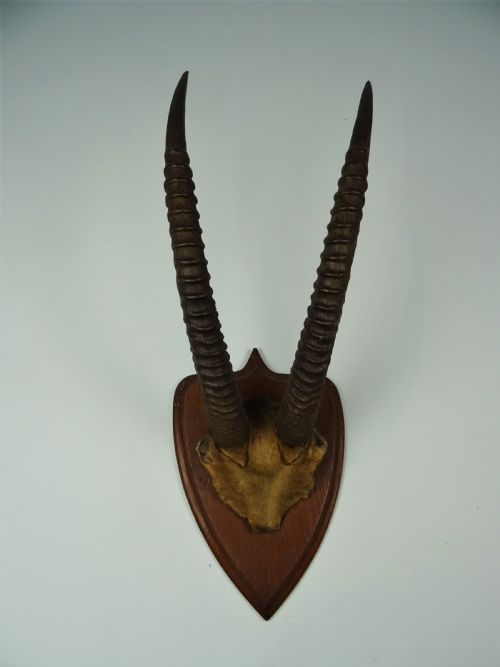
Victorian Trophy Mount
These Victorian trophy mount pieces bring nineteenth century natural history into the room, offering preserved horns, heads and mounts for interior display.
Victorian Trophy Mount
When you search for a victorian trophy mount, you find taxidermy specimens and animal parts prepared for wall and table display. The selections span the nineteenth century and into the Edwardian period, capturing sporting culture and natural history interests.
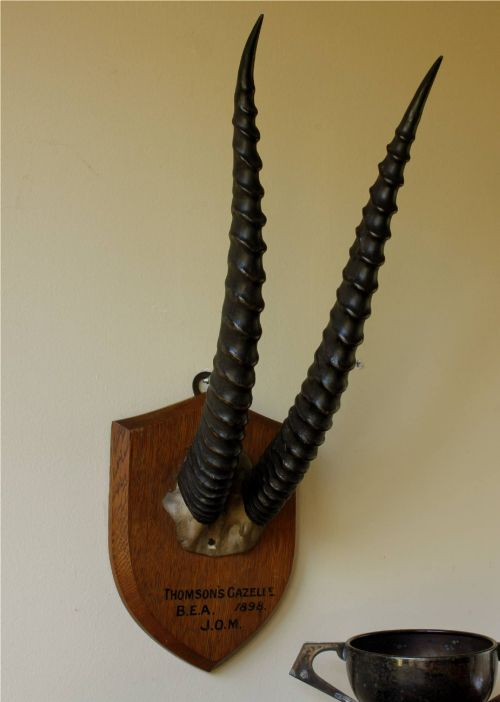
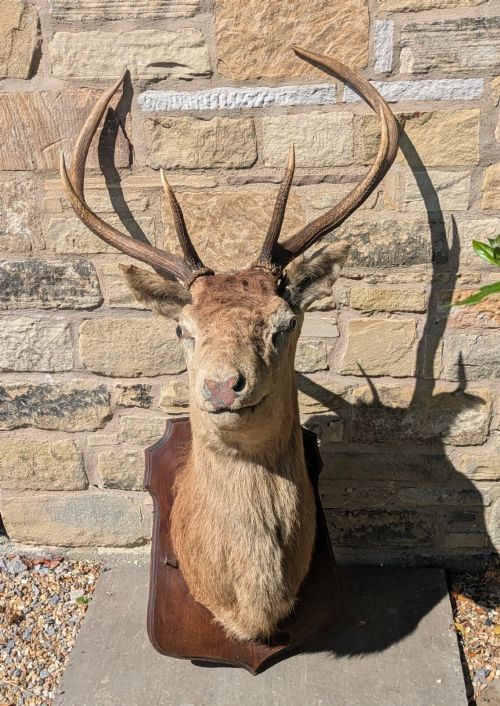
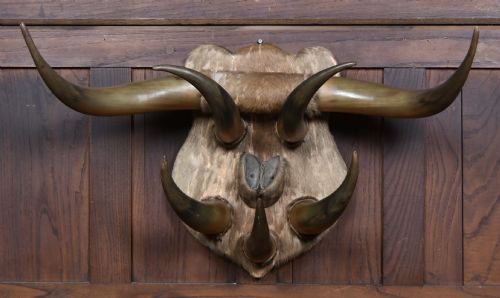
Most examples on this page take the form of wall decor, featuring stags' heads, antelope horns and mounted hooves. You also encounter functional items like inkwells and table lamps incorporating natural bone and horn.
Originating from British sporting traditions and Highland lodges, these items range from solitary roebuck antlers to large exotic antelope trophies. They reflect a Victorian and Edwardian fascination with wildlife and domestic display.
Materials and methods of construction
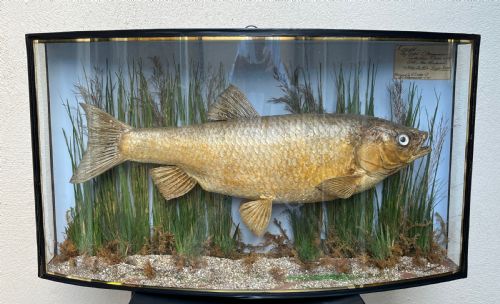
Taxidermists utilised natural hides, bone, hair and horns, pairing animal specimens with carved oak shields and wooden mounts. Glass cases protected delicate fish specimens like roach and rudd, preserving fragile scales and fin structures.
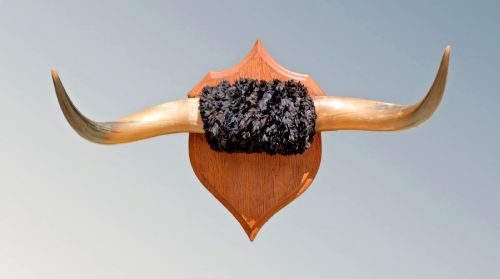
Mounts relied on sturdy wooden backings, frequently carved oak, to support heavy antlers and heads. Metal fittings, including brass and silver-plated elements, secured horns and provided structural reinforcement for wall hanging.
Even a fox hound named Dairy Maid found immortality on a mounting board.
Quality variations in historical mounts
The distinction between ordinary and exceptional pieces rests upon the taxidermist's skill in capturing anatomical realism. Master practitioners shaped the skin and expression with precision, whereas lesser work lacks natural posture.
Condition of the natural materials dictates the standing of a piece, particularly the preservation of hair, hide and horn surfaces. Original wooden shields and glass display cases also influence the overall integrity of the artefact.
Little and Co·Peter Spicer and Sons·Gerrard and Sons·Cooper and Sons
The Victorian Trophy Mount Glossary
- Taxidermy
- The art of preparing, stuffing, and mounting the skins of animals for display. This practice formed the foundation of Victorian natural history collections.
- Shield
- A wooden wall plaque, frequently carved in oak, used as the backing board for mounted animal heads and horns. These shields provided a secure anchor for heavy trophies.
- Mask
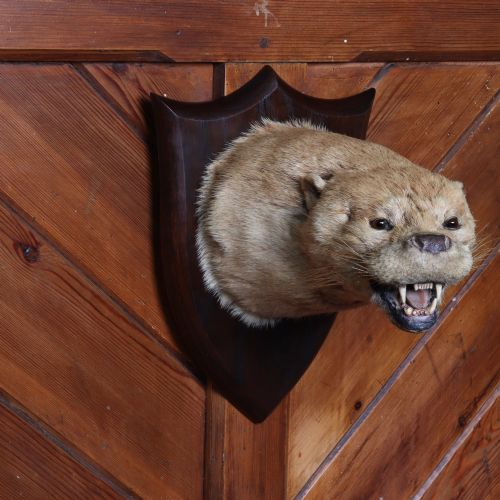
- The head and neck skin of a hunted animal, preserved and mounted as a wall trophy. Foxes and otters frequently appeared in this format.
- Horn
- The permanent hollow sheath of keratin surrounding a bony core, utilised in pairs or arrangements for decorative wall displays and functional objects.
- Antler
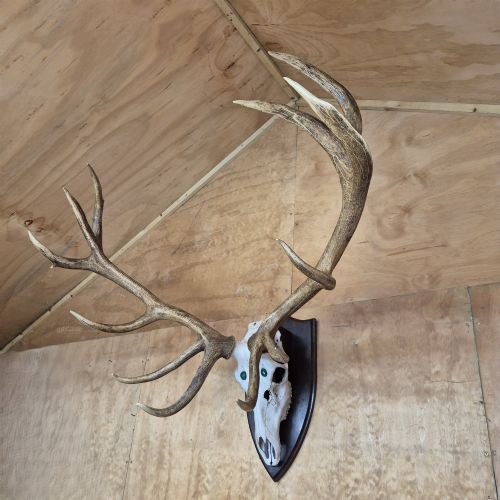
- The branched, bony appendage grown and shed annually by members of the deer family. These featured widely on carved oak shields.
Victorian Trophy Mount: Frequently Asked Questions
Were these trophies used indoors?
Victorian and Edwardian interiors frequently featured these pieces in libraries, halls and smoking rooms. They reflected contemporary sporting achievements and natural history collections.
Displaying them away from direct sunlight and damp conditions protects the natural hide, hair and horn from degradation over time.
What animals were commonly mounted?
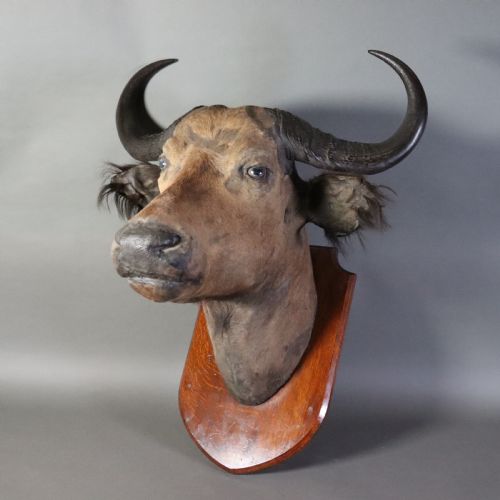
British species like red deer, roebuck, foxes and fish such as roach and rudd appear frequently alongside exotic game. Antelope, gazelle and buffalo also feature from broader colonial sporting pursuits.
Items ranged from single horns mounted on brass or wood to complete head mounts and functional desk accessories like inkwells.
How do I clean old taxidermy?
Remove surface dust gently using a very soft brush or a low-suction vacuum through a mesh screen. Take care around fragile hair, feathers and historical stitching.
Avoid using water, liquid cleaners or chemical sprays on natural hide and mounted specimens. Professional conservators should handle any deep cleaning or structural repairs.