



Victorian Trophy Cup
A victorian trophy cup honours past triumphs through the gleam of sterling silver, silver plate, or brass.
Victorian Trophy Cup
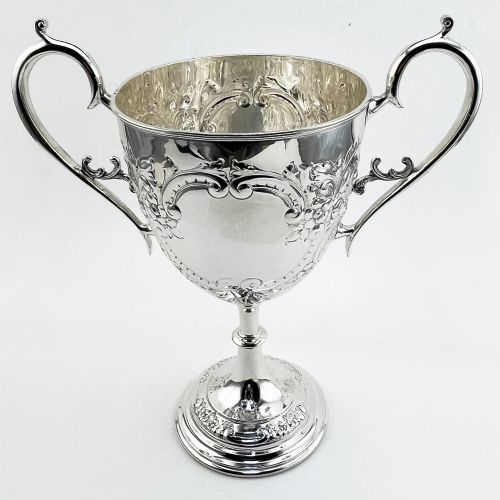
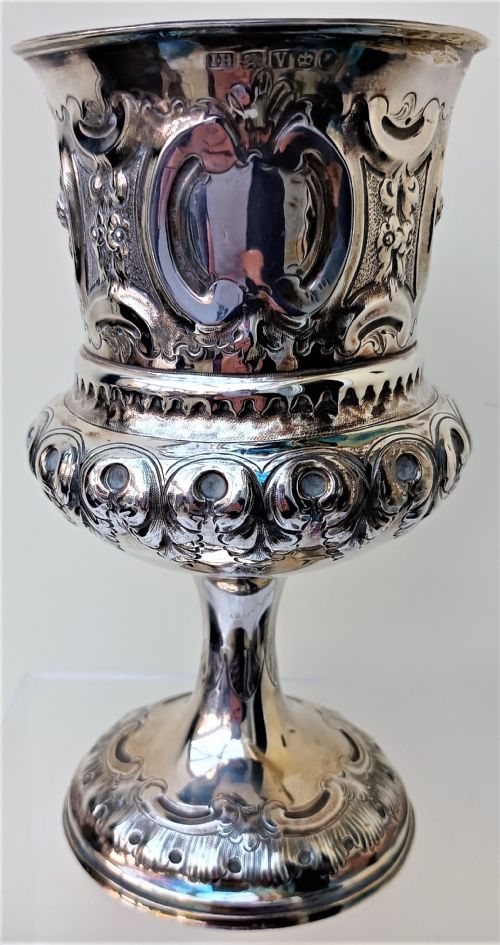
A victorian trophy cup stands as a testament to nineteenth-century competitive spirit, taking the form of chalices, loving cups, presentation goblets, and two-handled vases. These pieces commemorate athletic achievements and civic milestones, capturing the solemn pageantry of the era.
Most examples found here hail from the nineteenth century, ranging from simple sterling silver chalices to large silver plated loving cups and engraved presentation pieces. Workshops across England, alongside French makers and Indian artisans working in Kutch, shaped these vessels to meet the demands of collectors and competitors alike.
Buyers encounter everything from intimate parcel gilt goblets with accompanying tie pins to grand covered presentation cups resting on ebonised wood bases. Each object bridges utilitarian function and decorative commemoration, reflecting the varied tastes of Victorian society.
How they were made
Silversmiths and metalworkers shaped these vessels using sterling silver, silver plate, brass, and electroplated nickel silver, often applying gold gilt highlights to interior bowls and engraved details. Artisans utilised techniques such as hand-hammering, casting, and intricate surface engraving to build depth and texture across the metal.
Many items incorporate contrasting elements like ebonised wood stands or lids that add stability and visual weight to taller trophy cups and urns. French rococo revival influences and Anglo-Indian motifs appear in the chased decoration, demonstrating the global reach of Victorian design workshops.
Victorian Trophy Cup Retail Price Guide 2026
Typical asking prices for victorian trophy cup among the pieces listed under this phrase on Sellingantiques today, from the lower quarter to the upper quarter. They describe what is for sale here now, not the wider market.
Listings feature sterling silver, silver plate, and brass, spanning the nineteenth century with styles from french rococo revival to anglo-indian.
What varies in quality
The distinction between standard production and superior craftsmanship rests in the weight of the metal and the crispness of the hand-engraving. Heavier gauge sterling silver and deeply chased relief work indicate a higher grade of commission, whereas lighter silver plate represents more accessible commercial manufacturing.
Design complexity further separates the range, moving from plain utilitarian goblets to elaborate presentation cups featuring covers, multiple handles, and parcel gilt interiors. The precision of hallmarks and the integration of specialised regional styles, such as Kutch ornamentation, elevate the status of individual pieces.
Henry Tatton Son
The Victorian Trophy Cup Glossary
- Sterling Silver
- An alloy consisting of 92.5 percent silver and 7.5 percent other metals, typically copper, used widely for quality Victorian tableware and presentation pieces.
- Parcel Gilt
- A technique where specific areas of a silver object, usually the interior bowl, are coated in a thin layer of gold while the rest remains silver.
- Loving Cup
- A large drinking vessel featuring two or three handles, designed to be passed among guests during celebratory gatherings.
- Electroplated Nickel Silver
- A base metal of copper, zinc, and nickel coated with a thin layer of silver using an electrical current, introduced during the nineteenth century.
- Chasing
- A metalworking technique where the artisan pushes metal from the front using hammers and punches to create raised decorative designs without removing material.
Victorian Trophy Cup: Frequently Asked Questions
What is a victorian trophy cup used for?
These vessels originally commemorated sporting victories, shooting matches, and civic achievements, often presented as prizes to successful competitors.
Today, collectors display them as decorative centrepieces or utilise them as traditional drinking vessels during celebrations.
How do I clean sterling silver?
Sterling silver requires gentle cleaning with a soft microfibre cloth and specialised silver polish to remove tarnish without scratching the engraved surface.
Avoid harsh chemical dips that strip away the original patina and damage delicate gilt highlights.
How do I date a victorian trophy cup?
Dating relies on examining the stamped hallmarks which reveal the assay office, standard of metal, and year letter corresponding to the maker's register.
Stylistic clues such as french rococo revival curves or anglo-indian motifs also help narrow down the period of manufacture.
Are silver plated cups valuable?
Silver plated items hold value based on their aesthetic appeal, maker reputation, and overall condition rather than the intrinsic worth of the underlying metal.
Larger loving cups and pieces with detailed historical engravings remain sought after by collectors regardless of whether they are solid silver or plated.