

Victorian Trinket Container
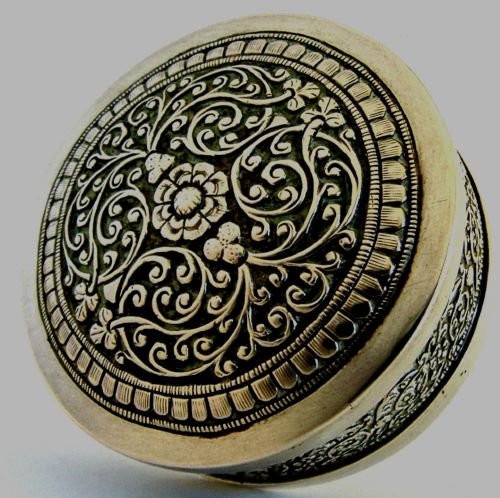
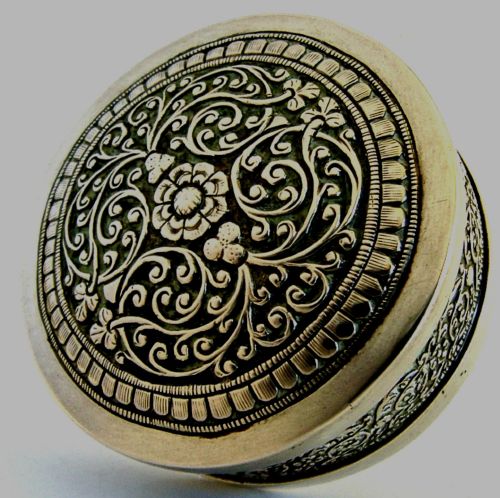
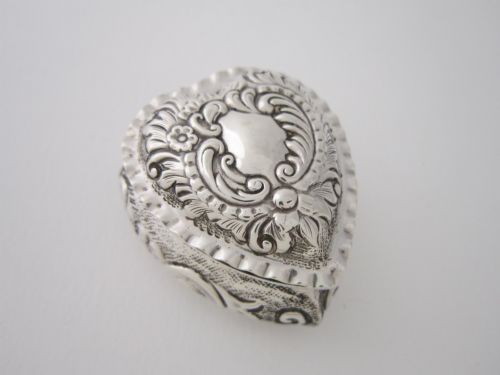
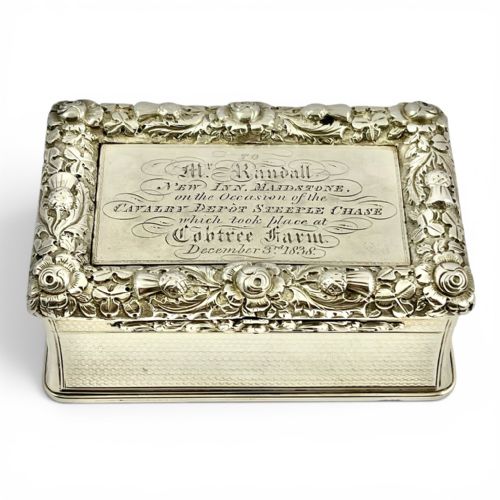
A victorian trinket container is a small lidded vessel designed for keepsakes, combining period metalwork, glass, or carved organics with domestic utility.
Victorian Trinket Container
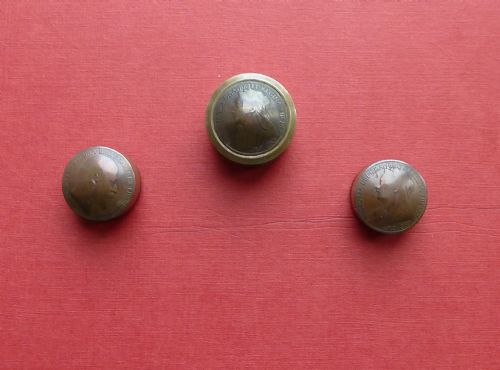
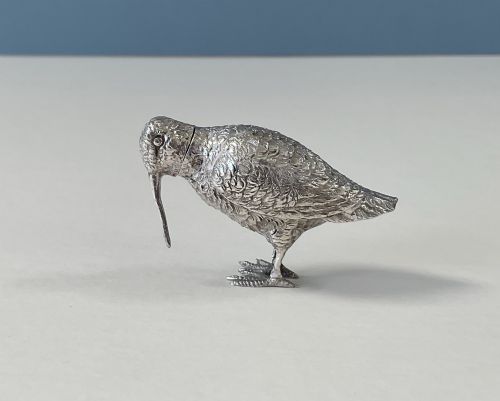
A victorian trinket container encompasses a diverse array of small receptacles used for personal items, personal grooming pieces, and small valuables. These items span the nineteenth century and the early twentieth century, incorporating periods like the Victorian and Edwardian eras.
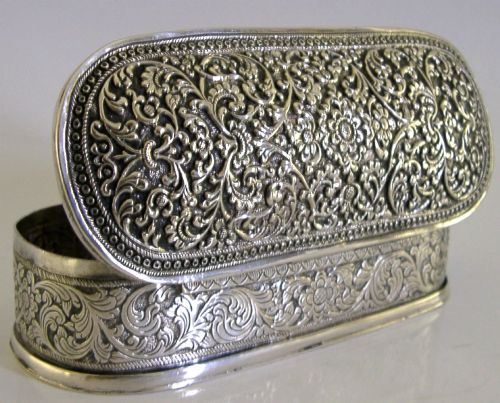
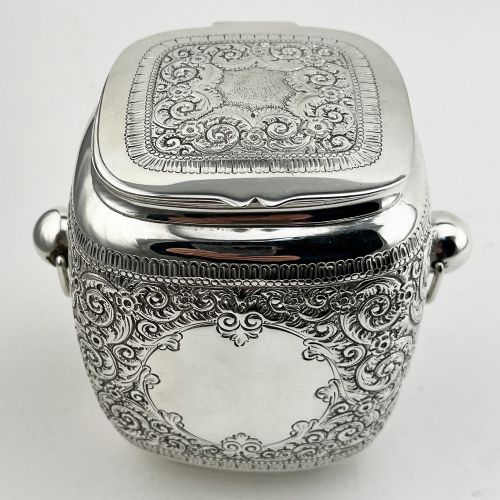
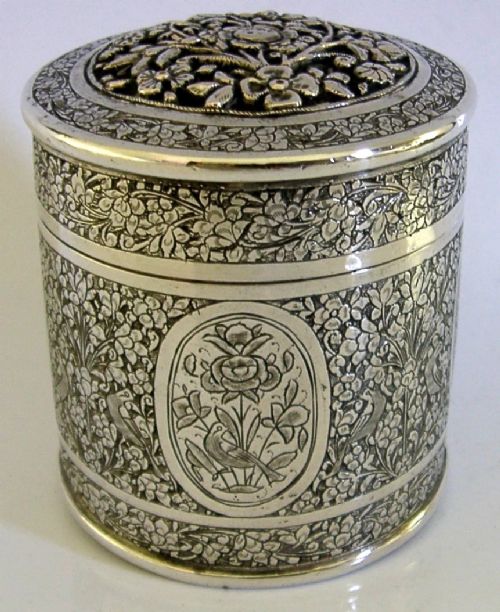
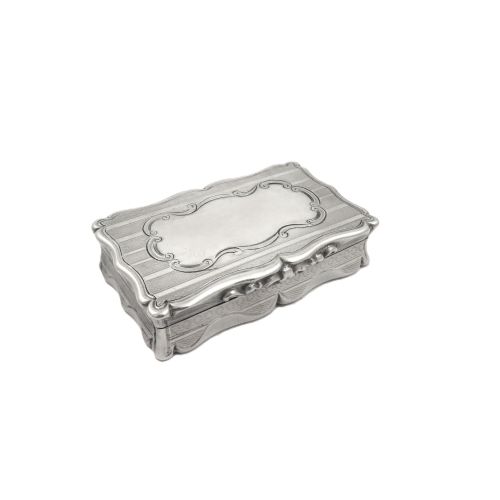
The objects frequently appear in forms such as snuff boxes, trinket boxes, tea caddies, pill boxes, and small decorative caskets. Buyers on this page commonly encounter sterling silver, silver plate, and various woods alongside occasional brass and glass examples.
How They Were Made
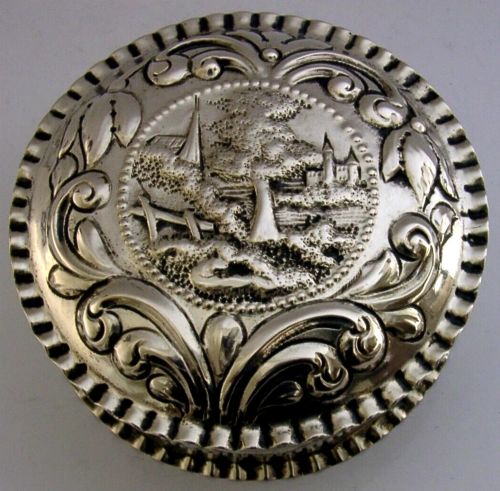
Metalsmiths utilised sterling silver and silver plate, often shaping them through casting, stamping, and intricate engraving to produce hinged boxes and lidded jars. Silversmiths applied hallmarks to date pieces and identify regional assay offices.
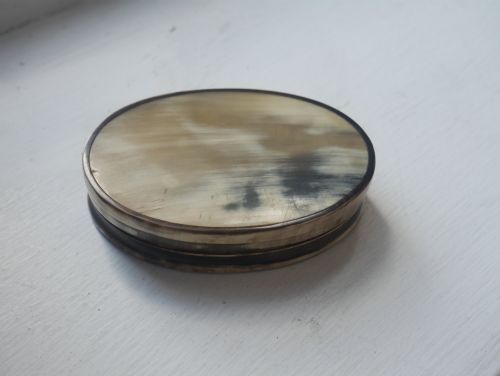
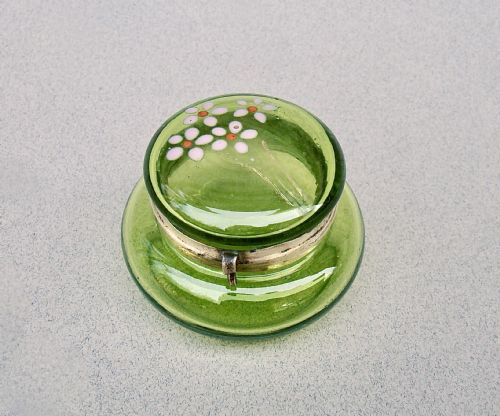
Woodworkers carved organic materials including coquilla nut, horn, tortoiseshell, and various specimen woods, frequently employing inlay techniques such as Tunbridge Ware. Glassmakers formed vessels with enamelled surfaces and cut details, while ceramic workers shaped porcelain and majolica models.
One unexpected survival is a lidded container fashioned specifically as a miniature metal steam boiler, complete with engraved mechanical details.
What Varies in Quality
The standard of a victorian trinket container rests upon the crispness of its surface decoration and the integrity of its construction. Hand-engraved motifs, precise hinge alignment, and well-fitted lids distinguish finer workshop output from simpler mass-produced variants.
Material choice and finishing methods also dictate overall merit. Solid silver specimens, finely carved hardwoods, and undamaged enamelled glass demonstrate superior craftsmanship compared to plain metalware or heavily worn plated items.
FA Barrett·Martin Hall And Co·Thomas Bradbury·Asprey·George Jones·Edme Samson Of Paris
The Victorian Trinket Container Glossary
- Castle top
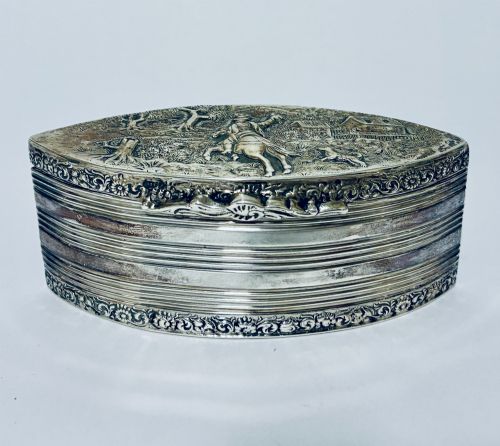
- A box lid featuring a high-relief architectural engraving of a famous landmark or building. These scenic lids are particularly sought after by collectors of nineteenth-century metalwork.
- Pyx box
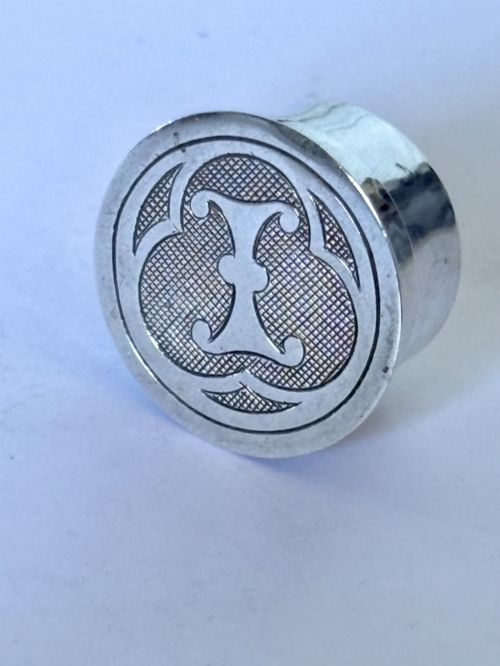
- A small circular container traditionally used to carry ecclesiastical wafers, adapted in secular contexts for tiny keepsakes. They usually feature secure friction or hinged lids.
- Tunbridge Ware
- Small wooden objects decorated with intricate mosaic patterns made from tiny coloured wood prisms. This technique creates detailed geometric or pictorial designs on boxes and caskets.
- Majolica
- A type of colourful lead-glazed earthenware popular during the Victorian period. It often appears in modelled animal and plant forms for decorative storage vessels.
- Coquilla nut
- The hard, dark brown seed of a South American palm tree used widely for turned and carved small boxes. Its dense texture allowed artisans to produce deeply sculpted relief details.
Victorian Trinket Container: Frequently Asked Questions
What were small antique boxes used for?
These containers served practical domestic functions, holding items like snuff, pills, tea leaves, or small pieces of jewellery. Wealthy households kept them on dressing tables, desks, and in pocket watches.
Over time, their roles shifted as owners repurposed them for modern keepsakes and small personal collections while maintaining their display function in domestic interiors.
How do I identify a Victorian silver box?
Examination of the metal usually reveals a set of British hallmarks stamped directly onto the surface. These small punch marks indicate the assay office, the specific year of manufacture, and the silversmith's mark.
Stylistic cues such as floral chasing, repoussé work, and monogram engravings further help place the object within the nineteenth-century timeline.
What is the difference between silver and silver plate?
Solid silver items consist entirely of precious metal throughout their structure, often marked with lion passant or standard sterling symbols. They carry intrinsic material value alongside their age and artistry.
Silver-plated pieces feature a thin layer of silver bonded over a base metal foundation like brass or copper. These items offer similar decorative appeal without the weight or cost of solid precious metal.
How should I care for antique organic materials?
Organic materials like tortoiseshell, horn, coquilla nut, and wood require stable environmental conditions away from direct sunlight and excessive moisture. Sudden temperature shifts can cause warping or cracking in delicate natural structures.
Gentle dusting with a soft, dry cloth is generally sufficient for maintenance. Avoid commercial chemical cleaners that might strip natural oils from the surface.