



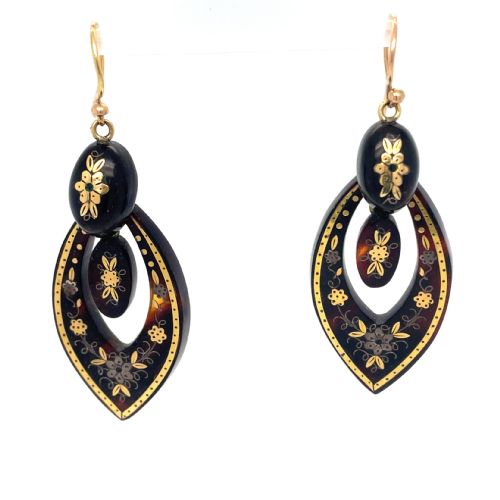


Victorian Tortoiseshell Jewellery
Victorian tortoiseshell jewellery brings warm amber tones and delicate metallic inlay together in wearable pieces that collectors prize for their rich historical charm.
Victorian Tortoiseshell Jewellery
Victorian tortoiseshell jewellery encompasses small personal adornments and decorative accessories created during the nineteenth century. The selection ranges from brooches and pendants to earrings and hair combs, often displaying warm translucent shell.
The pieces appearing here span the Victorian era alongside related Edwardian and nineteenth-century examples. Items frequently incorporate gold and silver elements, showcasing the distinctive mottled patterns of the material.
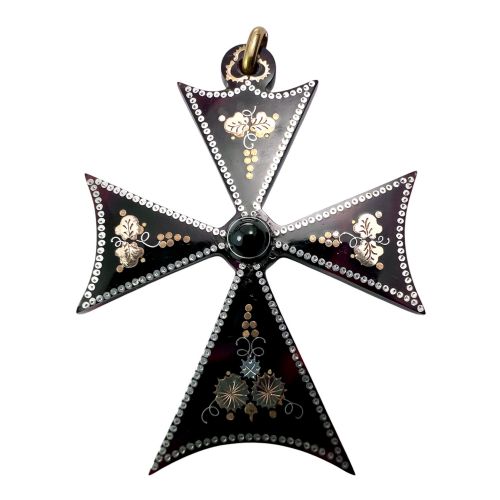
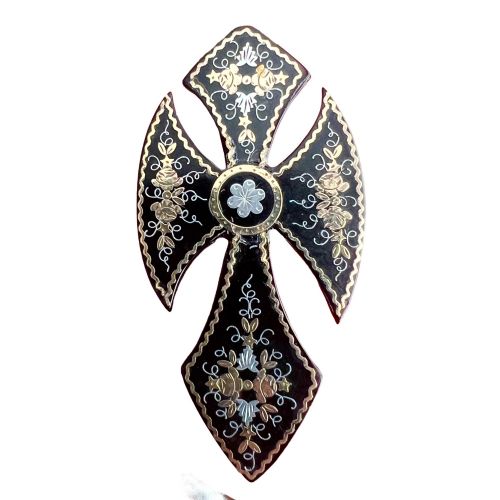
Forms include cross pendants, hoop earrings, and piqué work brooches mounted in precious metals. Each piece demonstrates the intricate personal accessories popular during the period.
Materials and Technique
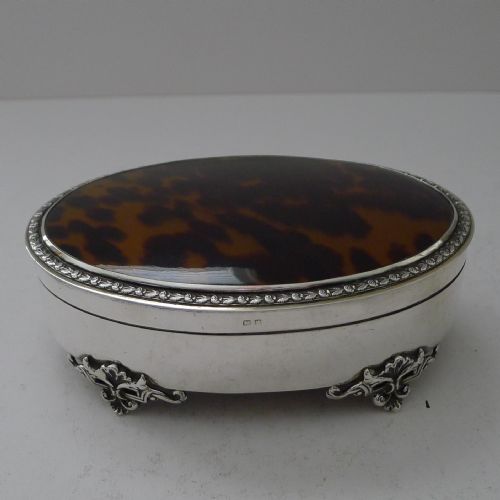
Craftsmen utilised genuine tortoiseshell combined with precious metals such as sterling silver, 9ct yellow gold, and brass wire. These materials were shaped into personal ornaments and fitted boxes.
Piqué work formed a central technique, where fine gold and silver inlay was pressed directly into heated shell to create geometric or floral motifs. Additional mounts often featured rope-edge designs or paste stones.
Victorian Tortoiseshell Jewellery Retail Price Guide 2026
Typical asking prices for victorian tortoiseshell jewellery among the pieces listed under this phrase on Sellingantiques today, from the lower quarter to the upper quarter. They describe what is for sale here now, not the wider market.
Listings feature items incorporating gold, silver, brass, and 9ct yellow gold alongside tortoiseshell and wood.
Judging Quality
Quality rests upon the precision of the metallic inlay and the depth of colour in the shell. Finer examples display meticulous piqué work where gold and silver pins sit flush with the polished surface.
The choice of mount and the condition of the organic material dictate the standing of a piece. Stronger structural integrity in the shell and secure precious metal settings distinguish superior items.
Lund Of Cornhill
The Victorian Tortoiseshell Jewellery Glossary
- Tortoiseshell
- A mottled brown and amber material sourced from the shell of certain marine turtles, utilised for ornamental objects and jewellery throughout the nineteenth century.
- Piqué
- A decorative technique involving the precise inlay of gold, silver, or brass pins and strips into tortoiseshell or ivory.
- Boulle
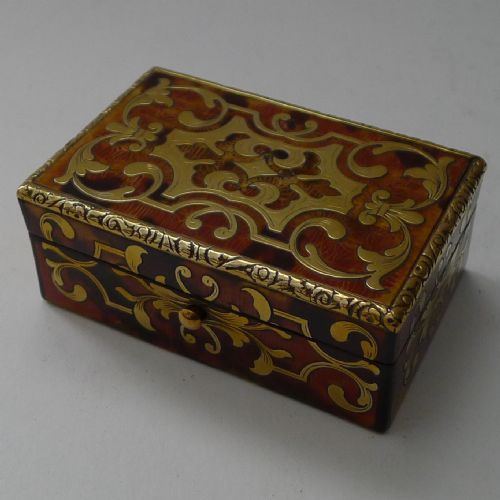
- A style of marquetry using brass and tortoiseshell, frequently applied to larger trinket and jewellery boxes from the period.
- Paste stones
- Faceted glass cut and polished to imitate gemstones, commonly set into hair combs and decorative mounts.
Victorian Tortoiseshell Jewellery: Frequently Asked Questions
What is piqué work jewellery?
Piqué work involves embedding microscopic pins of gold or silver into tortoiseshell to form intricate patterns.
Craftsmen heated the shell to soften it before tapping the metal into place.
How old is this jewellery?
Most pieces date from the nineteenth century during the Victorian era, alongside occasional Edwardian examples.
Design motifs and mounting styles help determine the precise period of manufacture.
What metals are used with the shell?
Items frequently combine tortoiseshell with sterling silver, yellow gold, and brass.
These metals serve as bezels, wire inlays, and structural mounts for earrings and brooches.
How should I care for tortoiseshell?
Tortoiseshell requires gentle handling and protection from direct sunlight and harsh chemicals.
Store pieces in dry conditions away from extreme temperature fluctuations to preserve the organic material.