

Victorian Timber Side Chairs
Victorian timber side chairs are sturdy and expressive seats found across dining rooms and halls, built to last through generations of daily use.
Victorian Timber Side Chairs
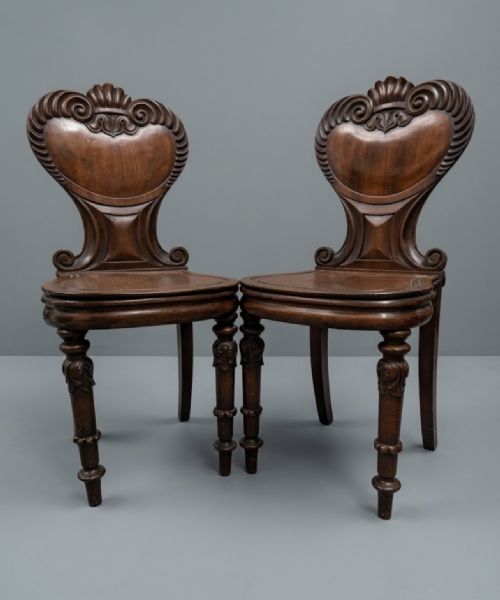
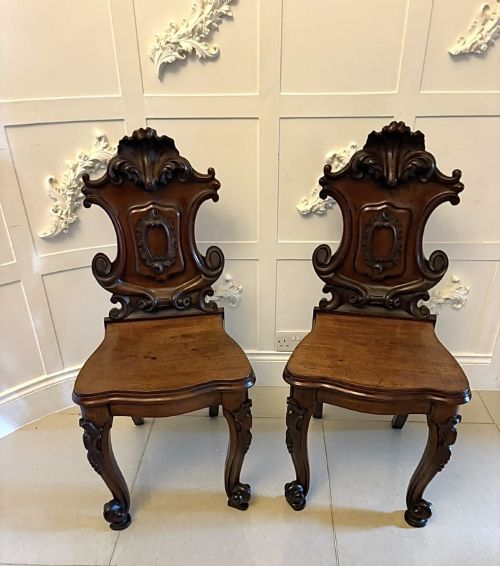
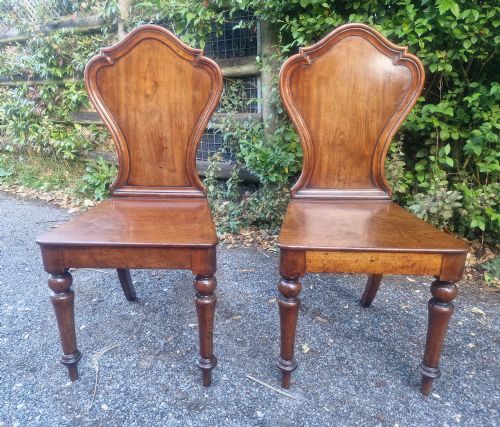
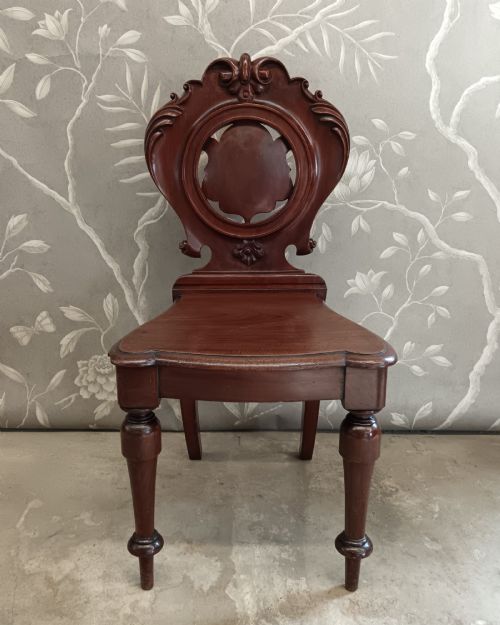
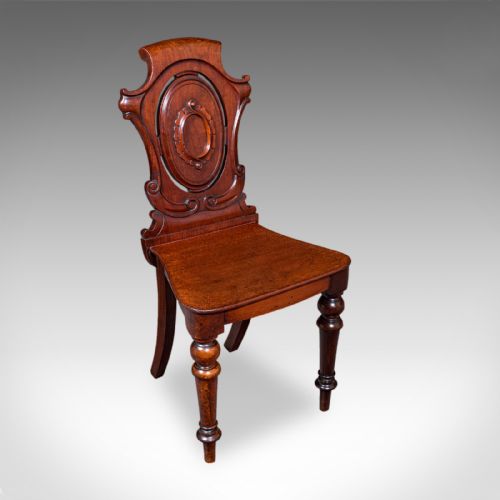
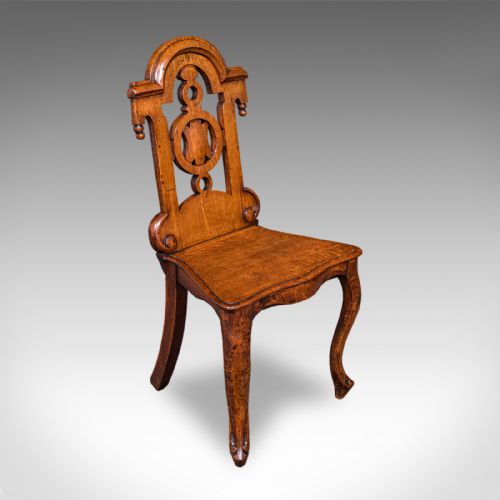
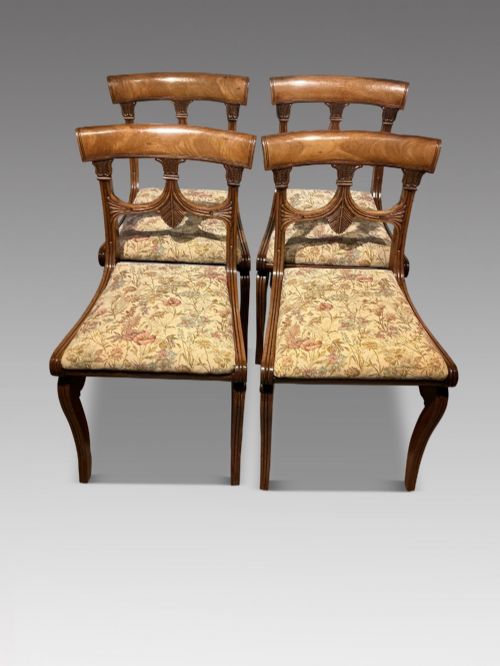
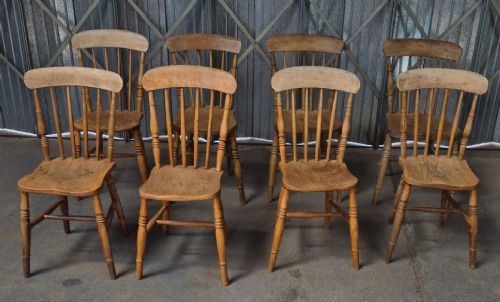
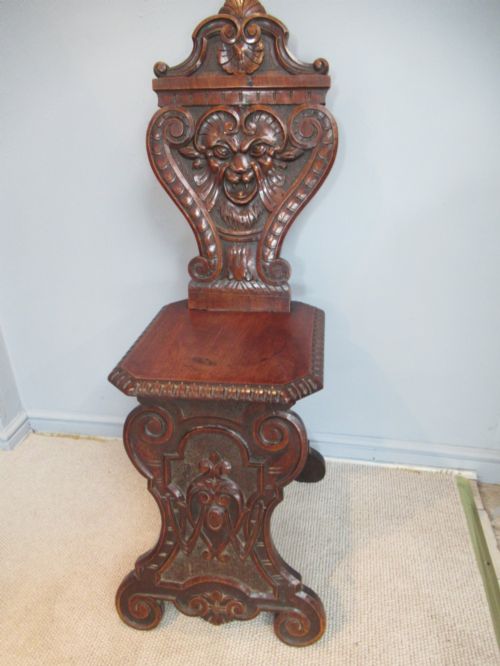
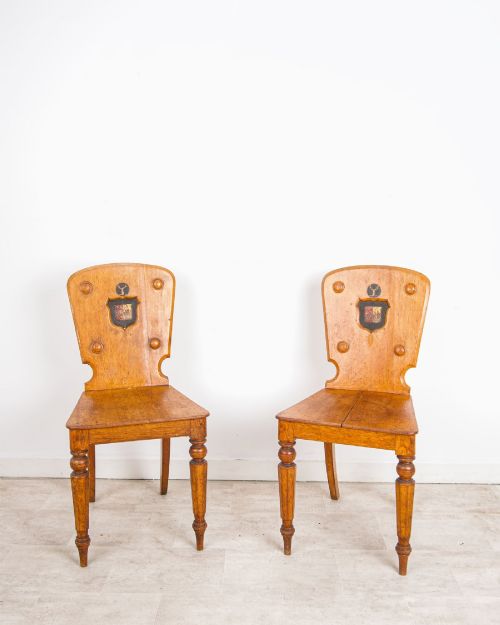
When you search for Victorian timber side chairs, you enter a diverse field spanning formal dining seats, robust kitchen Windsor chairs, and rigid hall chairs with carved shield backs. The selection leans heavily toward mahogany and oak dining or hall models, alongside country styles in elm, ash, and beech.
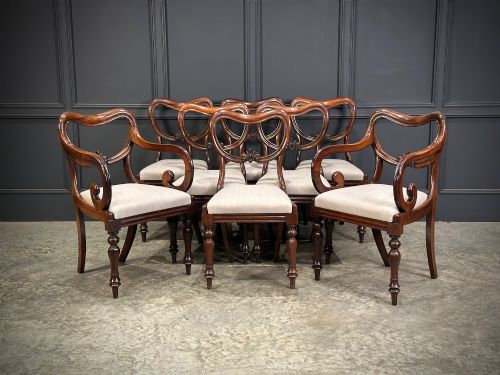
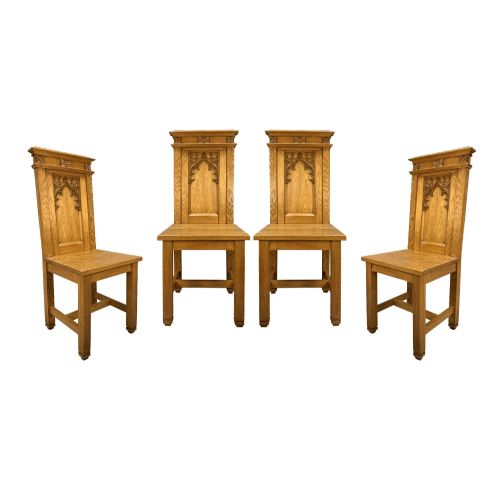
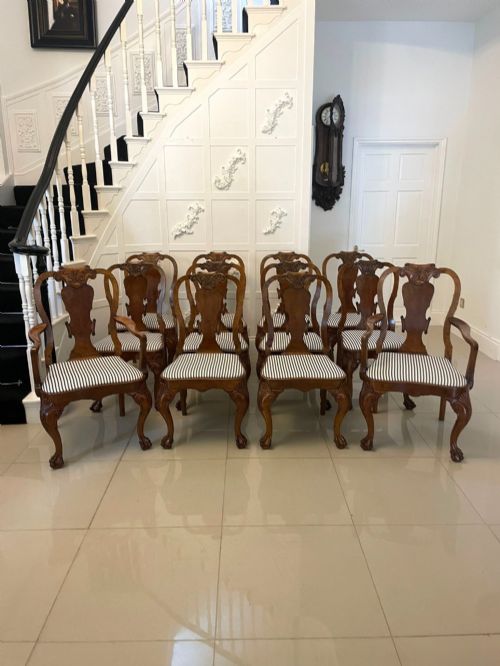
Makers of the period produced single seats, pairs, and large sets reaching up to ten pieces, designed to accommodate both domestic dining and formal reception rooms. The forms vary from balloon backs and carved rosewood bedroom chairs to Gothic Revival and Aesthetic Movement seating.
Most examples originate from the nineteenth century, capturing the evolution of taste from Regency survivals through mid-century revival movements to late Victorian Jacobean designs.
Materials and construction
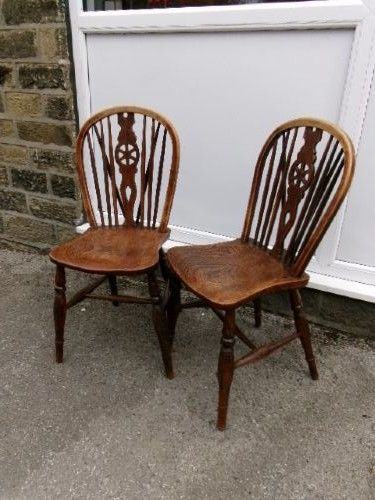
Cabinet makers utilised dense hardwoods like mahogany, walnut, rosewood, and padouk for formal dining and hall seating, applying hand-carving to shield backs and rails. Country workshops turned to native timbers including elm, oak, ash, and beech, constructing robust kitchen stick backs and Windsor wheelbacks.
Upholstered variants incorporate traditional stuffing finished with contemporary fabrics or velvet, while timber frames rely on pegged joints, turned spindles, and solid wood seats rather than modern adhesives.
Victorian Timber Side Chairs Retail Price Guide 2026
Typical asking prices for victorian timber side chairs among the pieces listed under this phrase on Sellingantiques today, from the lower quarter to the upper quarter. They describe what is for sale here now, not the wider market.
Listings feature mahogany, oak, walnut, rosewood, elm, ash, and beech across dining, hall, and bedroom forms.
Design integrity and execution
The distinction between ordinary seating and exceptional pieces rests upon the crispness of the timber carving and the density of the grain in woods like mahogany and rosewood. Superior sets display uniform matching across all pieces, whereas lesser examples show mismatched repairs or hurried turning.
Structural rigidity defines the better specimens, where tight joinery and heavy gauge timber survive centuries of use without excessive wobble or replaced components.
The Victorian Timber Side Chairs Glossary
- Shield back
- A chair back shaped like a heraldic shield, frequently embellished with carved crests or initials on nineteenth-century hall seating. This form was especially popular in mahogany and oak.
- Balloon back
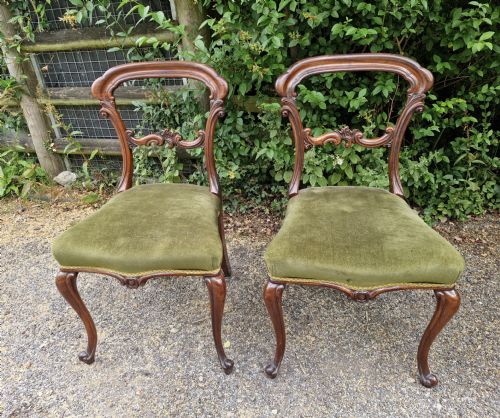
- An oval or loop-shaped chair back resembling a floating balloon, common on mid-Victorian dining seats. It provides ergonomic support through its curved wooden frame.
- Stick back
- A chair construction method where turned wooden spindles are inserted directly into a solid wooden seat. These are typical of country kitchen and farmhouse seating.
- Windsor wheelback
- A traditional wooden chair featuring a pierced central splat shaped like a cartwheel, framed by bentwood bows and spindles. Elm seats were standard for these durable forms.
- Bergere
- An enclosed upholstered armchair or side chair featuring canework panels on the back and sides. It reflects lighter aesthetic influences within the period.
Victorian Timber Side Chairs: Frequently Asked Questions
What is the difference between a hall chair and a dining chair?
Hall chairs are constructed entirely from solid timber with rigid wooden seats and decorative carved backs intended for occasional use in entranceways. Dining chairs prioritize seated comfort, frequently incorporating upholstered pads and ergonomic curved rails for extended sitting.
Dining models typically appear in matched sets of four to ten, whereas hall chairs are frequently found as single items or pairs.
How do I identify a Victorian Gothic chair?
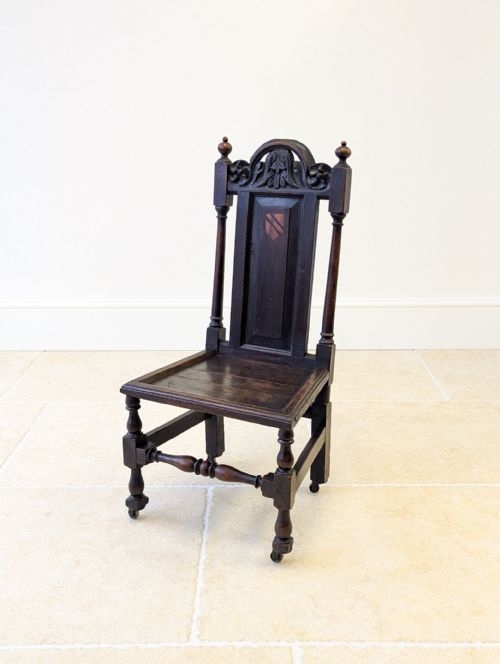
Victorian Gothic chairs feature architectural motifs drawn from medieval buildings, including pointed arches, trefoils, and heavy carved oak panels. These pieces often exhibit a solemn, monumental appearance compared to lighter balloon back designs.
They date primarily to the mid-nineteenth century during the Gothic Revival architectural movement.
Are these chairs suitable for daily dining use?
Most nineteenth-century timber chairs are structurally robust enough for daily use provided the joints remain tight and well-maintained. Hardwood frames in mahogany, oak, and walnut offer exceptional durability.
Buyers should inspect the leg joints and seat fixings periodically to ensure safe usage in modern homes.
How do I care for nineteenth-century wood finish?
Protect antique timber surfaces by avoiding direct sunlight and maintaining stable indoor humidity to prevent wood splitting. Regular dusting with a soft cloth preserves the natural polish without chemical buildup.
Apply traditional beeswax sparingly when the wood appears dry to maintain the historic lustre.