





Victorian Three Seater
A victorian three seater brings enduring presence to a room, offering generous seating rooted in nineteenth-century craftsmanship.
Victorian Three Seater
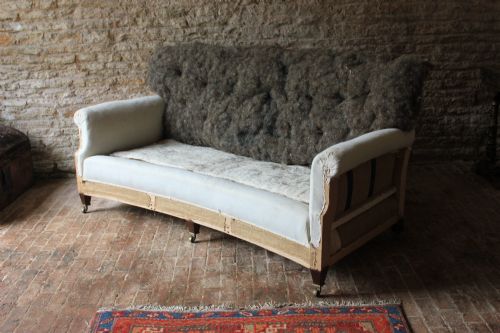
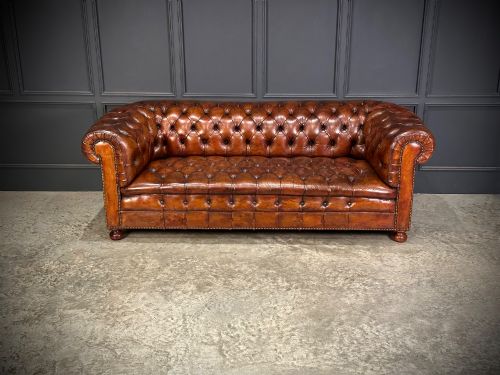
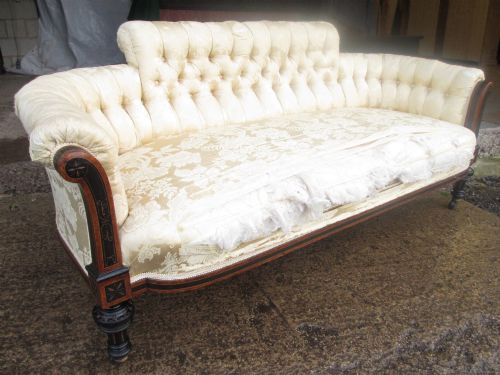
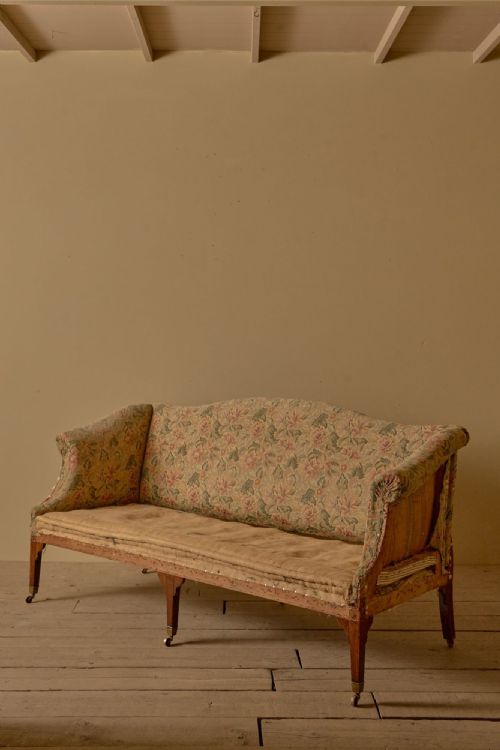
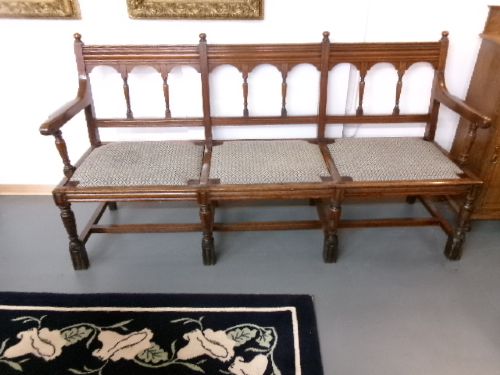
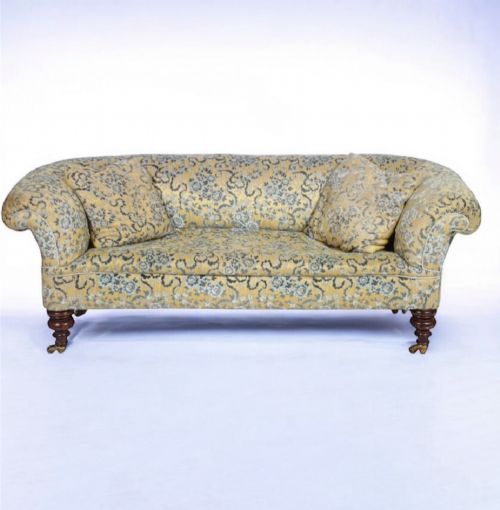
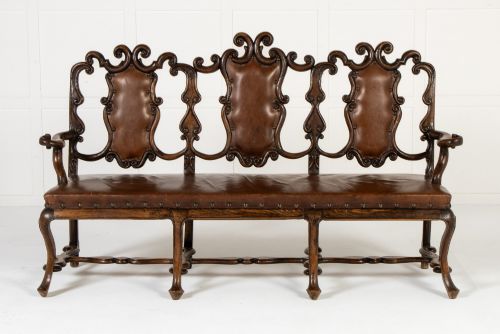
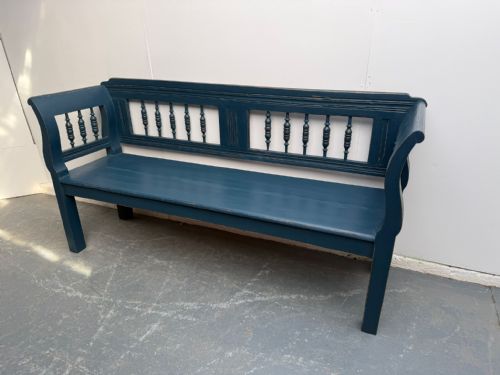
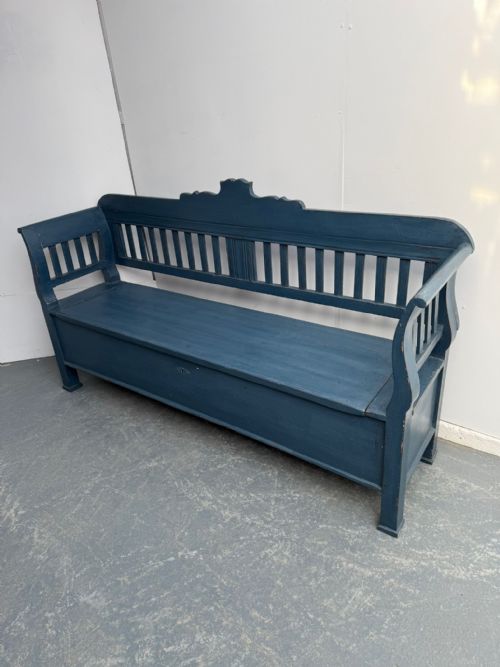
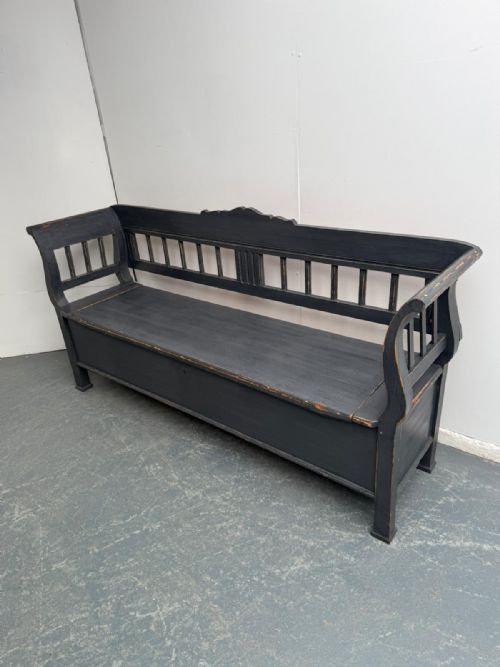
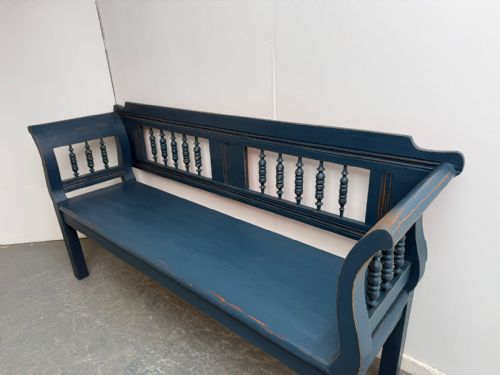
A victorian three seater encompasses a variety of substantial seating forms, most notably deep-buttoned leather Chesterfields, walnut and mahogany framed settees, and painted pine Hungarian settles or benches. These pieces originate from the nineteenth century, including specific dates such as eighteen-eighty and nineteen hundred, and span styles from rustic country to baroque revival and gothic revival.
Buyers most frequently encounter large leather Chesterfields alongside painted or waxed pine Hungarian benches and box settles on this page. Frameworks vary from mahogany and walnut to sturdy pine, while upholstery ranges from brown leather to decorative fabrics including Flora Soames designs.
Originating as practical yet imposing furniture for country houses, libraries, and parlours, these three-seater items provide substantial scale and deep comfort. Their diverse structural forms reflect both formal English traditional traditions and continental folk art influences.
How they were made
Construction relies heavily on sturdy timbers such as walnut, mahogany, and pine, forming the foundational frames and structural box settle compartments. Woodwork is shaped through traditional joinery and hand-carving, evident in details like hawk claw and ball feet.
Upholstery and surface treatments define the tactile nature of these items, employing brown leather for deep buttoning, fabric coverings, and applied paint or wax finishes on pine bodies. Brass details occasionally supplement the primary timber and leather construction.
Victorian Three Seater Retail Price Guide 2026
Typical asking prices for victorian three seater among the pieces listed under this phrase on Sellingantiques today, from the lower quarter to the upper quarter. They describe what is for sale here now, not the wider market.
Listings feature nineteenth-century materials including brass, wood, pine, leather, paint, mahogany, and walnut across various stylistic traditions.
What varies in quality
The distinction between tiers of quality rests in the integrity of the original frame construction and the fidelity of the materials used, from hand-carved mahogany to standard pine. Superior examples display refined cabinet-making, such as detailed hand carving on library study sofas or robust joinery on Hungarian box settles.
A further measure of quality lies in the preservation or execution of surface treatments, whether through patinated waxed pine, carefully dyed leather, or authentic period upholstery. Maker attribution also elevates a piece, as seen in works originating from documented workshops.
Hampton and Sons·Howard and Sons·William Birch
The Victorian Three Seater Glossary
- Chesterfield
- A large upholstered sofa traditionally characterised by deep buttoning and rolled arms of equal height to the back. These iconic pieces frequently feature brown leather upholstery.
- Box settle
- A wooden bench featuring a high back and a concealed storage compartment beneath the seat. Hungarian examples in painted or waxed pine are common.
- Settee
- An upholstered bench with a back and arms, designed to seat multiple people comfortably. They appear in walnut and mahogany frameworks across the nineteenth century.
- Deep buttoning
- An upholstery technique where buttons are pulled deep into the padding to create a padded, diamond-patterned surface. This method is typical on leather Chesterfield sofas.
Victorian Three Seater: Frequently Asked Questions
What is a victorian three seater bench?
A victorian three seater bench is a nineteenth-century seating form, often originating from Hungary, constructed from pine and finished with paint or wax.
These benches frequently incorporate box settle compartments beneath the seat, combining practical storage with robust wooden construction.
How do I style a leather chesterfield?
Leather chesterfields anchor a room with their substantial nineteenth-century presence and deep-buttoned upholstery. Pair them with traditional wooden furnishings to enhance their historic character.
Ensure adequate space around the sofa to highlight its generous width and rolled arms.
Are these sofas suitable for daily use?
Many nineteenth-century pieces are built with sturdy hardwood frames of walnut or mahogany designed for enduring utility. Some examples may require reupholstering or structural attention before heavy daily use.
Checking the condition of the internal webbing and leather will determine their readiness for modern living spaces.
What distinguishes an early victorian bench?
Early pieces often display distinct regional characteristics, such as continental folk art painted finishes on original pine framework. Distinctive colour applications like blue and grey set these apart from standard waxed finishes.
Their construction reflects traditional carpentry methods predating mass production.