



Victorian Tea Scoop
These victorian tea scoop pieces are practical domestic silver items made to measure loose tea, essential for any traditional tea service.
Victorian Tea Scoop
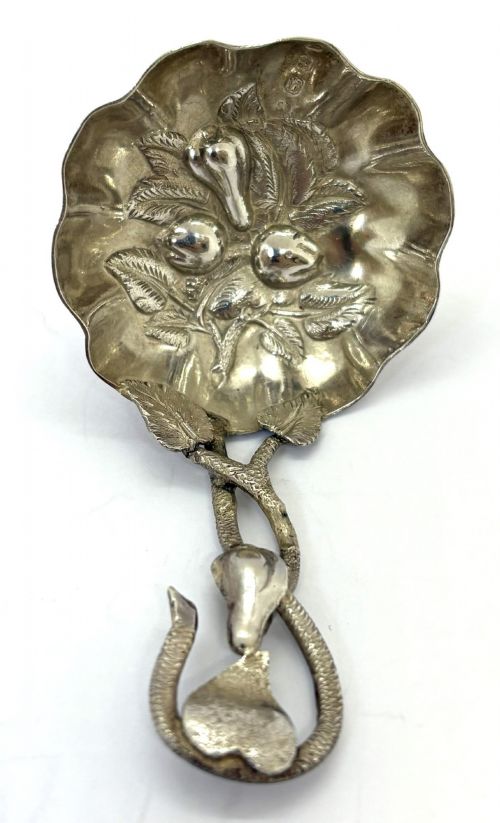
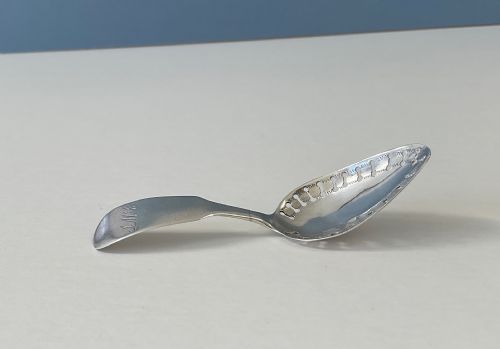
When you search for victorian tea scoop, you encounter items primarily catalogued as caddy spoons, sugar tongs, and tea caddy spoons. These pieces originate predominantly from the Victorian period, alongside Georgian items and later twentieth-century examples.
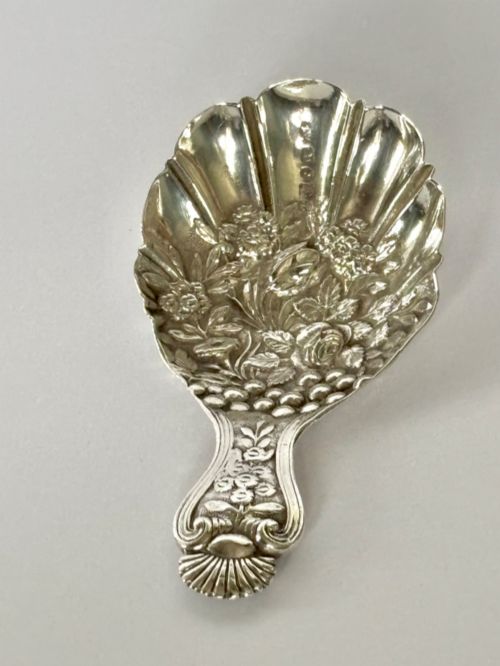
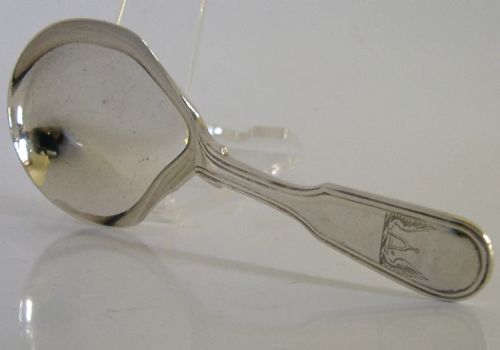
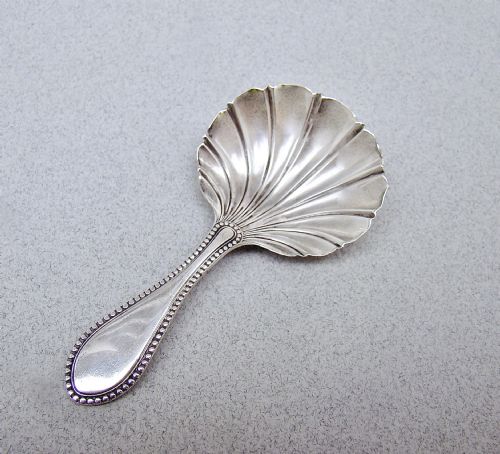
The form is straightforward, designed specifically for domestic use within the home. You meet rectangular bowls with foliate engraving, and occasionally novel forms shaped like a jockey's cap.
Makers and regional hubs represented include Sheffield, Glasgow, and specific silversmiths such as Martin Hall & Co, Mappin & Webb, and George Unite.
How they were made
The primary material recorded across these listings is sterling silver and silver, shaped into functional vessels and tongs. Smiths utilised metalworking techniques to form bowls and handles.
Decoration is applied directly to the metal surface through foliate engraving. This ornamentation defines the visual character of the bowls and handles without obscuring the function of the object.
Victorian Tea Scoop Retail Price Guide 2026
Typical asking prices for victorian tea scoop among the pieces listed under this phrase on Sellingantiques today, from the lower quarter to the upper quarter. They describe what is for sale here now, not the wider market.
One exceptional piece takes the literal form of a jockey's cap, proving silversmiths loved a wearable joke for the tea table.
What varies in quality
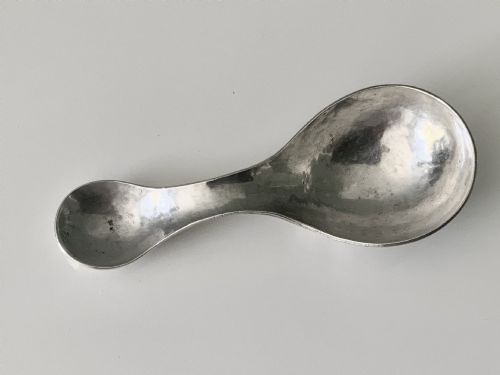
Quality rests in the crispness of the foliate engraving and the proportion of the handle to the bowl. Plain forms rely entirely on the weight of the silver and the balance of the silhouette.
Attribution to known makers such as George Unite or Mappin & Webb distinguishes standard domestic silver from pieces carrying distinct workshop provenance.
Martin Hall & Co·Mappin & Webb·George Unite
The Victorian Tea Scoop Glossary
- Caddy spoon
- A small spoon specifically designed for measuring dry tea leaves from a caddy into a teapot. These utensils developed diverse bowl shapes and decorative handles.
- Sterling silver
- A silver alloy containing proportions of silver and other metals to ensure durability in daily use. This material forms the basis of the listed pieces.
- Foliate engraving
- Surface decoration carved into metal representing leaves and foliage. This technique adds texture to the bowls and stems.
- Sugar tongs
- Springing implements used for lifting sugar lumps into a cup. They appear alongside spoons in silver service sets.
Victorian Tea Scoop: Frequently Asked Questions
How were these items used?
These pieces served inside the Victorian drawing room or parlour to transfer dry tea from storage caddies into pots. They were handled daily by domestic staff and family members.
Their compact size made them both functional tools and decorative tabletop accessories during formal tea services.
How do I identify the period?
Period identification relies on assay marks, style, and manufacturing techniques recorded on the silver. Victorian pieces often feature distinct hallmarks showing the year and maker.
Earlier Georgian pieces and later twentieth-century examples display subtle shifts in bowl shaping and engraving styles.
Are there different bowl shapes?
Yes, bowls vary from simple round forms to rectangular designs with detailed foliate engraving. Novelty shapes such as jockey caps also occur.
These variations reflect both the maker's artistic preference and the changing tastes of the tea-drinking public.