


Victorian Taxidermy
Victorian taxidermy preserves natural specimens in glass cases, domes and wall mounts to bring nineteenth-century natural history directly into domestic interiors.
Victorian Taxidermy
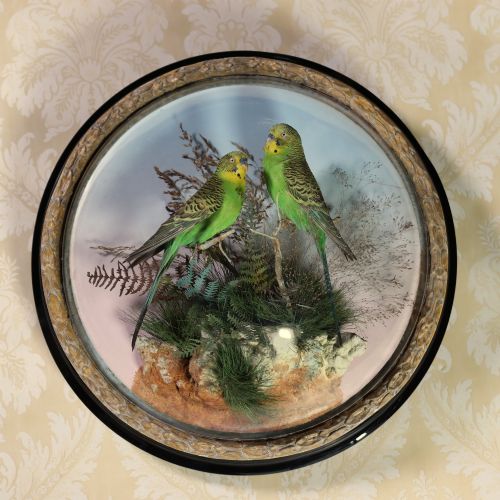
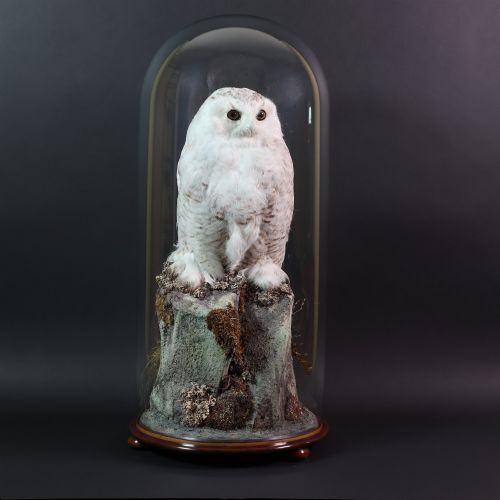
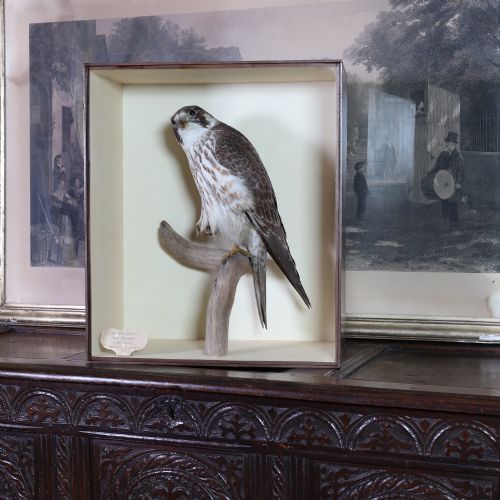
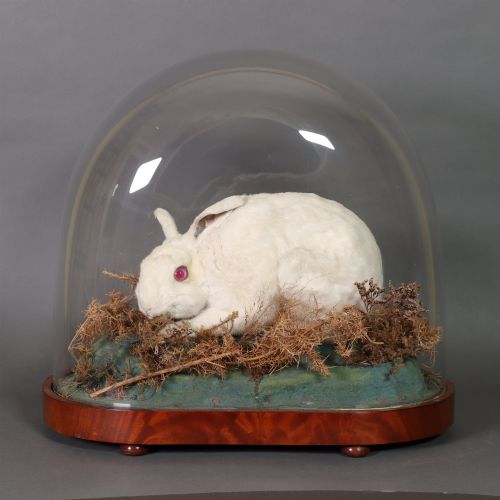
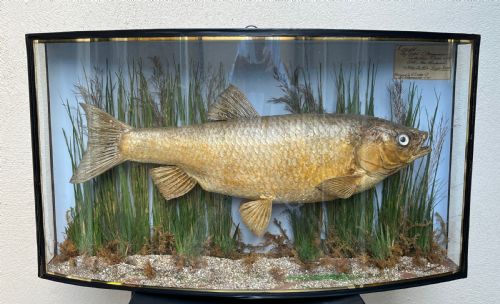
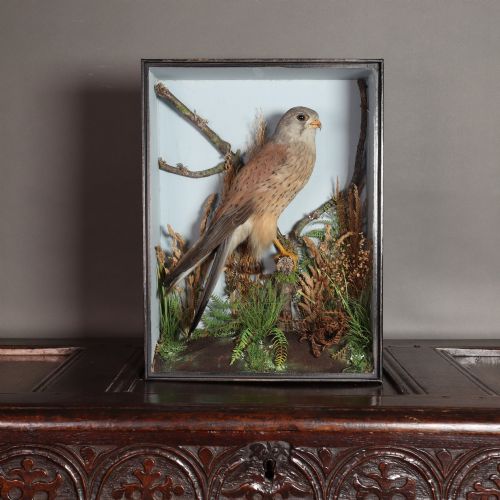
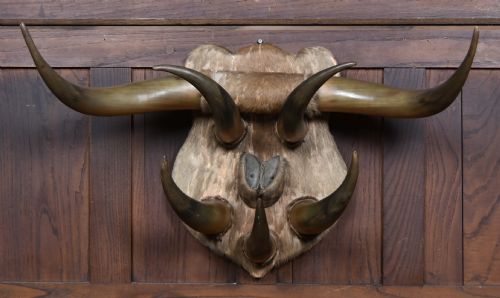
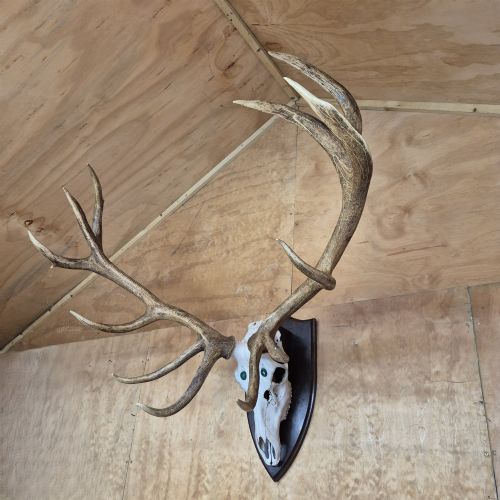
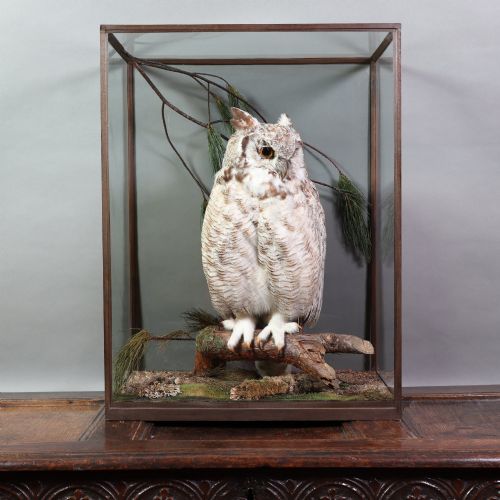
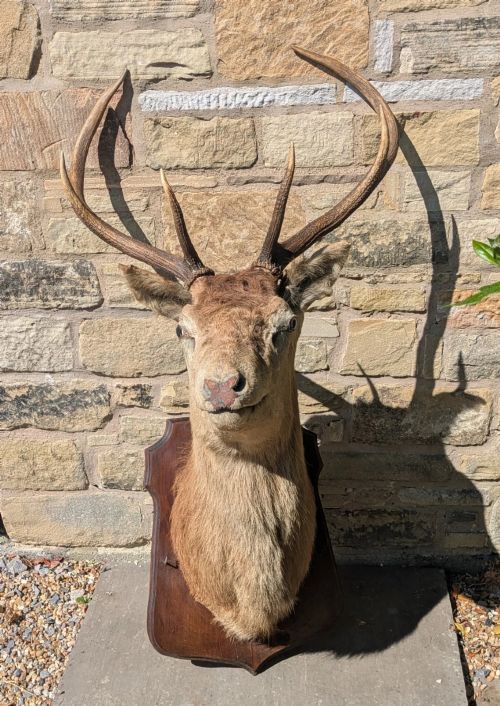
Victorian taxidermy encompasses preserved birds, mammals and reptiles displayed within glass cases, table domes or mounted directly onto timber shields. Specimens range from single birds like kingfishers and owls to elaborate multi-species compositions and large hunting trophies.
Materials and Construction
Makers constructed interior armatures using wood, wire and bone to support the preserved skins and feathers of specimens. Glass domes and timber framed display cases protected delicate mounts from dust and environmental damage.
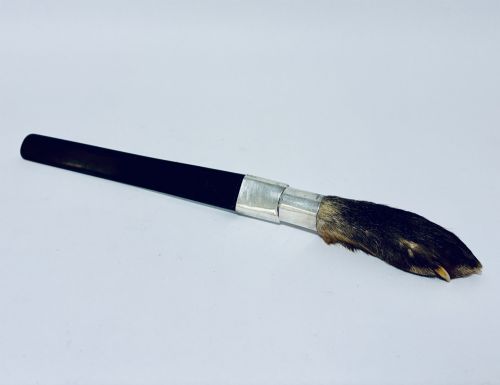
Trophies and functional items incorporate natural materials such as oak shields, silver mounts, horn and fur. Taxidermists arranged specimens within glazed enclosures using painted backgrounds and botanical elements to simulate natural habitats.
Victorian Taxidermy Retail Price Guide 2026
Typical asking prices for victorian taxidermy among the pieces listed under this phrase on Sellingantiques today, from the lower quarter to the upper quarter. They describe what is for sale here now, not the wider market.
Listings feature specimens mounted during the Victorian, Edwardian and early twentieth-century periods, utilising glass, wood, feathers, paper, oak, horn, fur and bone.
Standards of Preservation and Setting
Quality rests on the anatomical accuracy of the mounting and the condition of the preserved specimen over time. Skilled taxidermists maintained natural postures and plumage integrity, whereas lesser work resulted in rigid or distorted forms.
The quality of the housing equally defines the piece, from simple wooden frames to elaborate glass domes and bespoke cases. Original cases with intact glass and undisturbed interior settings command greater attention than later replacements.
Little & Co·J Griffiths of Burford·James Gardner of London·Rowland Ward Ltd·T. E. Gunn·William Bazeley & Sons·Peter Spicer & Sons·John Hancock·Henry Ward London·Gerrard & Sons London·S. King
The Victorian Taxidermy Glossary
- Cloche
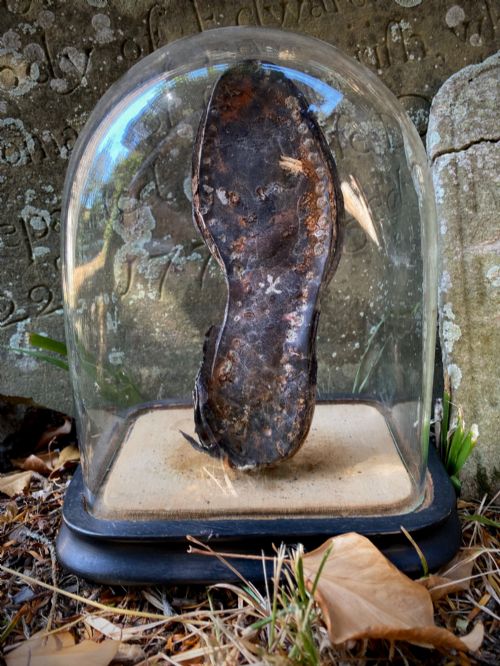
- A bell-shaped glass cover used to protect delicate taxidermy specimens on table displays. These glass covers rest upon wooden or mirrored bases.
- Case
- A glazed wooden enclosure built to house single specimens or complex natural history dioramas. Cases protected fragile feathers and fur from household dust and insects.
- Shield
- A wooden wall mount shaped like a heraldic shield used for displaying animal heads and antlers. Oak and other timbers served as the backing board for trophies.
- Page turner
- A reading accessory featuring a tapering blade attached to an ornamented handle. Nineteenth-century examples frequently utilised animal bone, ivory or horn mounted in silver.
- Torchiere
- A tall stand designed to hold a light source or decorative object. In natural history contexts, these occasionally incorporated structural antlers.
Victorian Taxidermy: Frequently Asked Questions
Can I mount heavy antlers on plaster walls?
Heavy red deer antlers and large mammal trophies require secure fixings into structural wall studs rather than surface plaster alone. The weight of mounted heads demands robust weight-bearing hardware.
Consult a professional installer if the timber shield lacks pre-drilled hanging points. Balance and stability prevent the display from shifting over time.
Where should I place taxidermy in a room?
Position glass cases and wall mounts away from direct sunlight and strong heat sources. Ultraviolet rays fade plumage and fur, while fluctuating temperatures dry out historic materials.
Maintain stable indoor humidity to preserve the integrity of both the specimens and their wooden mounts. Placing pieces in low-traffic zones minimises accidental bumps.
How do I identify a Victorian bird case?
Examine the construction of the wooden frame and the characteristics of the window glass. Nineteenth-century glass often displays subtle bubbles, ripples and minor imperfections.
Look for painted paper backgrounds and hand-written specimen labels inside the case. Early mount styles typically feature naturalistic painted foliage rather than modern synthetic materials.