





Victorian Taxidermy Decor
Victorian taxidermy decor brings the natural history of the nineteenth and early twentieth centuries into the room through preserved specimens, horns, and carapaces.
Victorian Taxidermy Decor
Victorian taxidermy decor encompasses natural history specimens, mounted animal heads, bird display cases, and functional items like inkwells made from hooves. These pieces reflect the period fascination with natural philosophy and sporting pursuits, ranging from grand Highland hunting lodges to domestic curiosity cabinets.
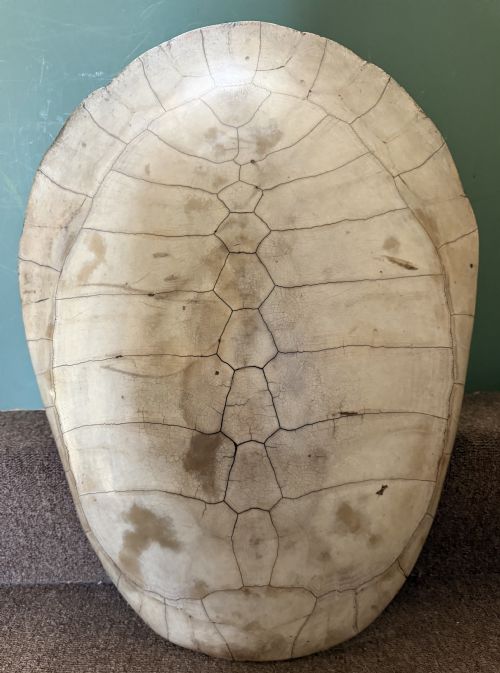
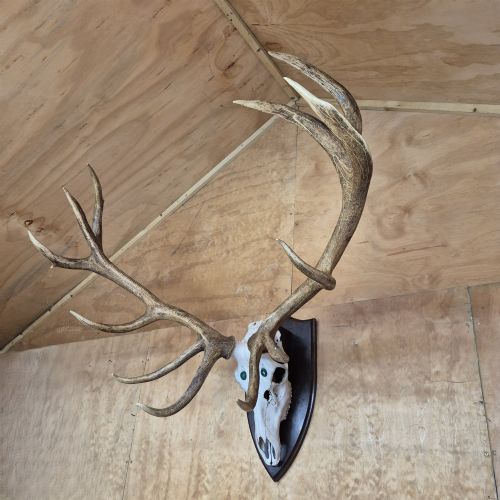
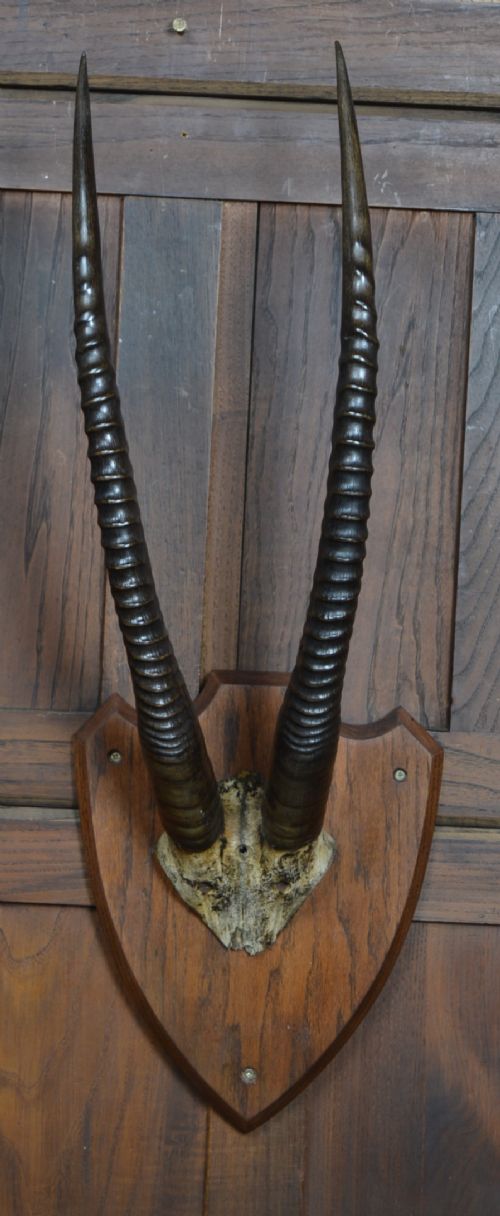
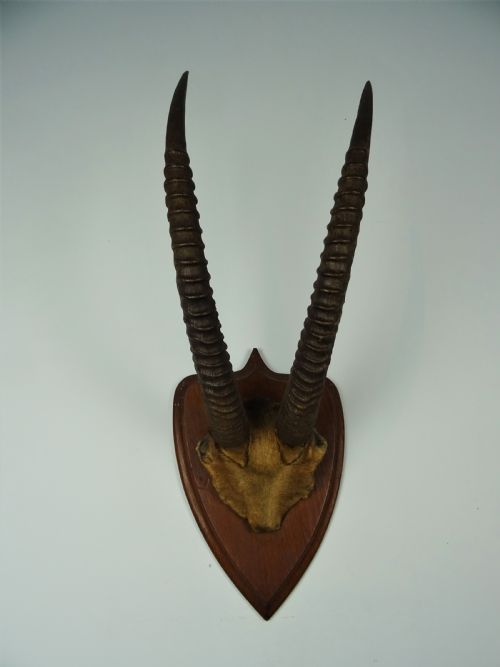
Buyers on this page are most likely to encounter mounted antlers on carved wooden shields, turtle shell carapaces, and framed feather arrangements dating from the nineteenth century to the Edwardian era. The selection also includes whole specimens such as crocodiles and Eurasian jays preserved in glazed display cases.
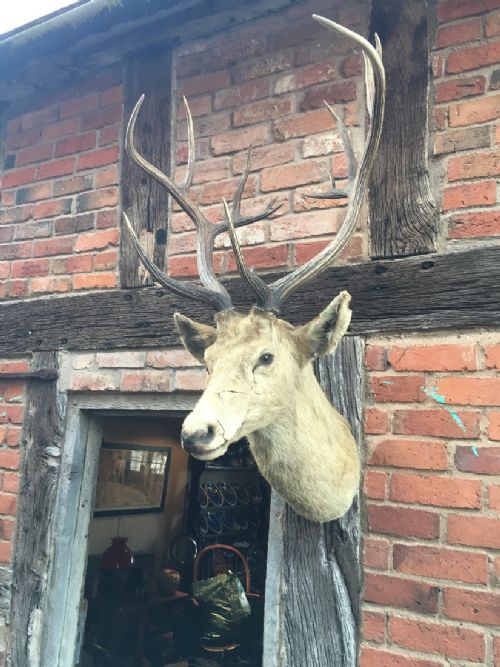
The aesthetic merges interior decoration with natural history, utilising animal parts to create striking wall art and table ornaments. Items vary from massive red deer stags heads to small pony hoof inkwells, showing how extensively animal forms were integrated into period living spaces.
How they were made
Taxidermy preparation combined traditional preservation methods with carpentry to mount specimens securely onto wood, bone, and horn backings. Artisans fitted glass cases around delicate bird displays to protect feathers from dust and damage.
Antlers and horns were mounted onto carved wooden shields, utilising metal fixings concealed behind bone and keratin structures. Shell carapaces like the Amazonian River turtle were polished to highlight natural patterns while retaining their structural integrity.
Victorian Taxidermy Decor Retail Price Guide 2026
Typical asking prices for victorian taxidermy decor among the pieces listed under this phrase on Sellingantiques today, from the lower quarter to the upper quarter. They describe what is for sale here now, not the wider market.
Listings feature items from the nineteenth century, the Edwardian era, and the 1920s, utilising wood, bone, glass, and horn.
What varies in quality
Quality in these pieces depends on the taxidermist's skill in capturing anatomical proportion and lifelike posture in the preserved specimen. Finer examples retain the original coloration of feathers and fur without heavy restoration.
The mounting work dictates the overall standard, distinguishing between hurried commercial output and superior craftsmanship from established firms like Edward Gerrard and Sons. Carved wooden shields and polished wooden bases show varying levels of artistic detail and finish.
Edward Gerrard and Sons
The Victorian Taxidermy Decor Glossary
- Carapace
- The hard upper shell of a turtle or tortoise, frequently polished and displayed as wall decor in the nineteenth century.
- Taxidermy
- The art of preserving, stuffing, and mounting animal skins to represent their natural living forms for display.
- Natural history
- The study of animals and plants, which heavily influenced domestic interior decoration during the Victorian period.
- Curiosity cabinet
- A specialised display case used to house eclectic collections of natural specimens and taxidermy specimens.
- Keratin
- The fibrous protein material forming the outer covering of horns, hooves, and feathers seen across these mounted pieces.
Victorian Taxidermy Decor: Frequently Asked Questions
How do I clean taxidermy decor?
Dust feathers and fur gently with a soft, dry brush to avoid damaging delicate preserved materials. Keep glass display cases clean using standard glass cleaner applied to a cloth rather than the specimen.
Avoid using water or chemical cleaners directly on skin, bone, or horn surfaces. Maintaining a stable room temperature away from direct sunlight protects the materials from fading and drying out.
Are these antique mounts original?
The pieces on this page date from the nineteenth and early twentieth centuries, reflecting the manufacturing techniques and styles of those specific periods. Materials such as wood, bone, glass, and horn correspond to historical usage.
Examining the mounting style, such as the carved wooden shields and glass cases, helps confirm the period origin. Workshops from the era produced these items for domestic display and sporting lodges.
How were horn and hoof items used?
Animals parts were frequently converted into practical household objects during the Victorian period, combining utility with natural history display. Items such as pony hooves were adapted into inkwells for writing desks.
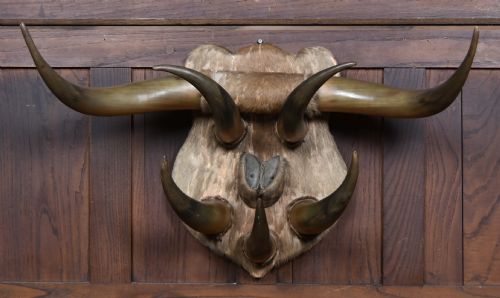
Cattle horns and hooves were also arranged into decorative wall mounts or furniture accents. These objects demonstrated the owner's interest in hunting and the natural world.
Where should I hang heavy mounts?
Large items like red deer antlers mounted on carved wooden shields require secure fixings into wall studs or solid masonry. The substantial weight of nineteenth-century wood and bone demands proper load-bearing support.
Position mounts away from humid areas like kitchens and bathrooms to protect the organic materials. Adequate wall space allows larger pieces, such as crocodile specimens or spread antlers, to sit comfortably without crowding.