



Victorian Tall Shelving
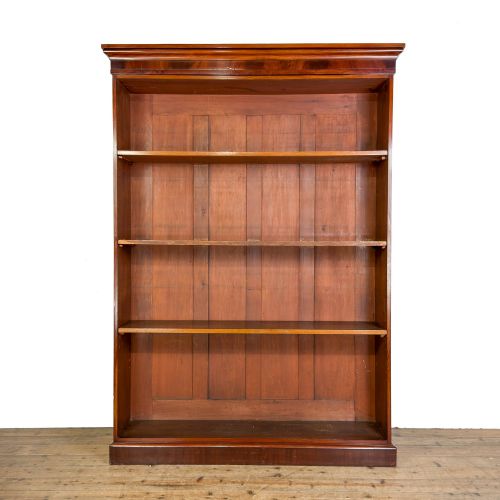
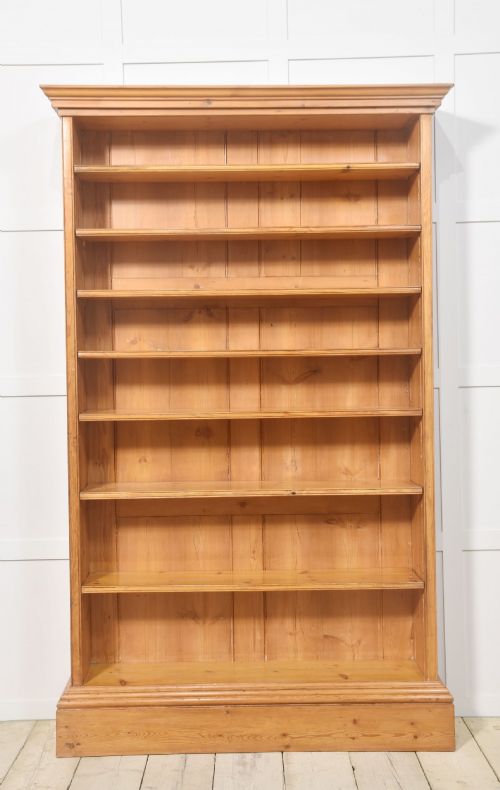
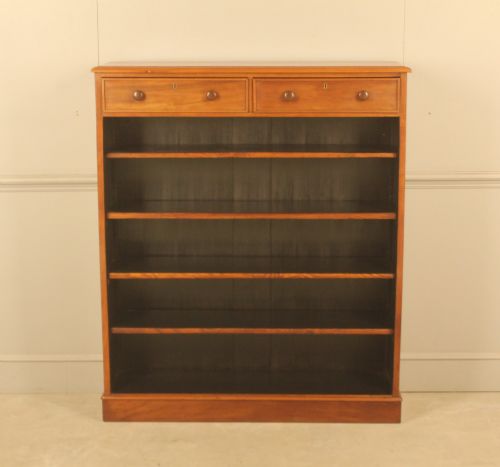
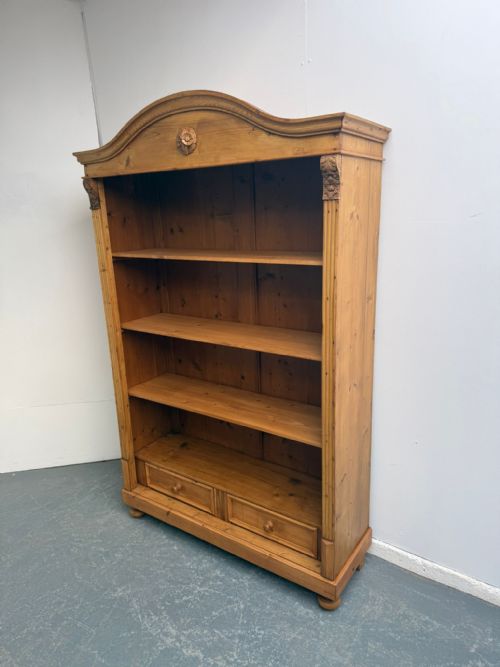
Victorian tall shelving comprises upright bookcases, whatnots and display stands designed to organise volumes and display objects vertically in period interiors.
Victorian Tall Shelving
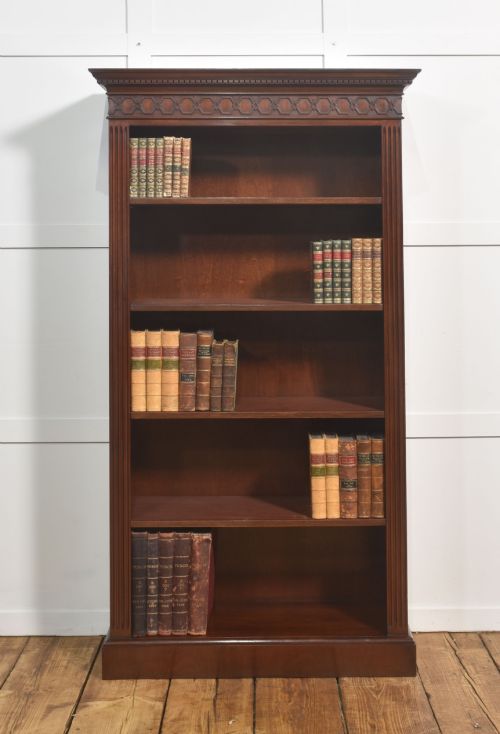
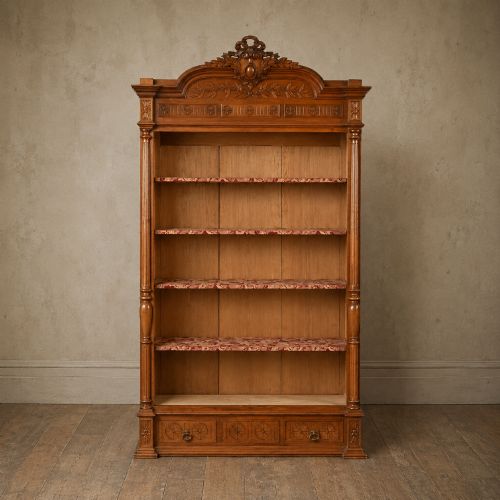
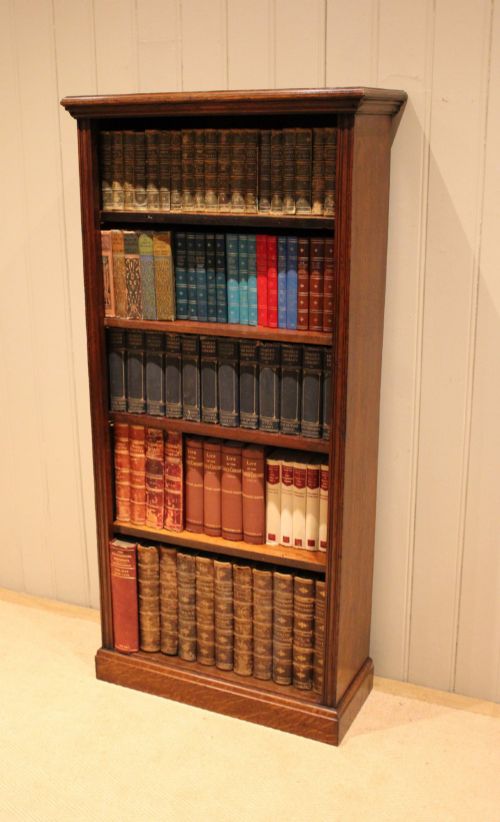
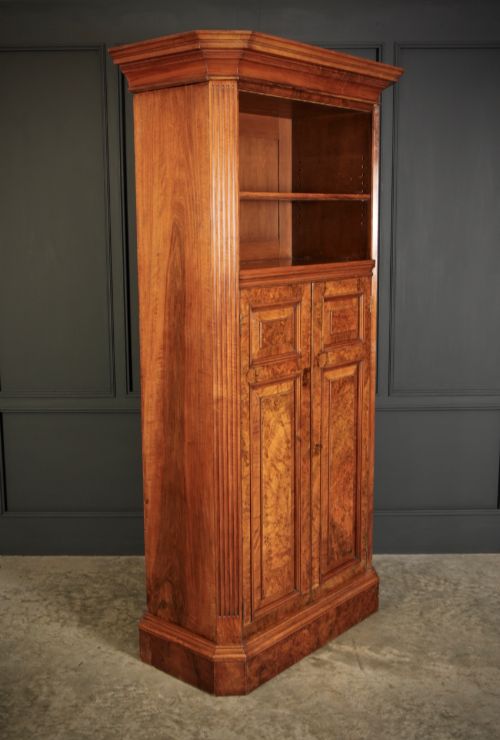
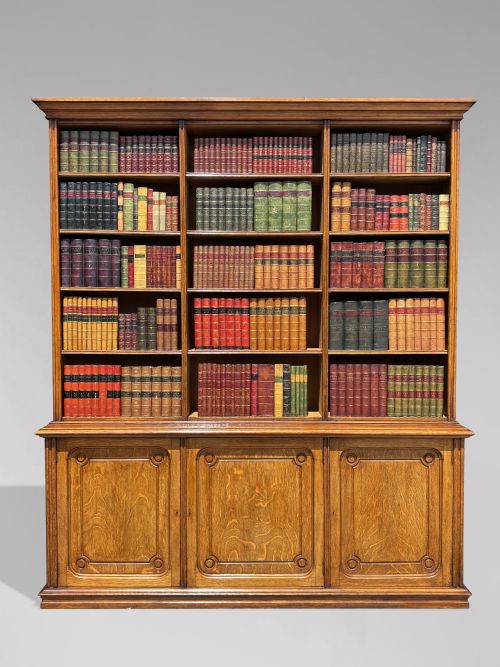
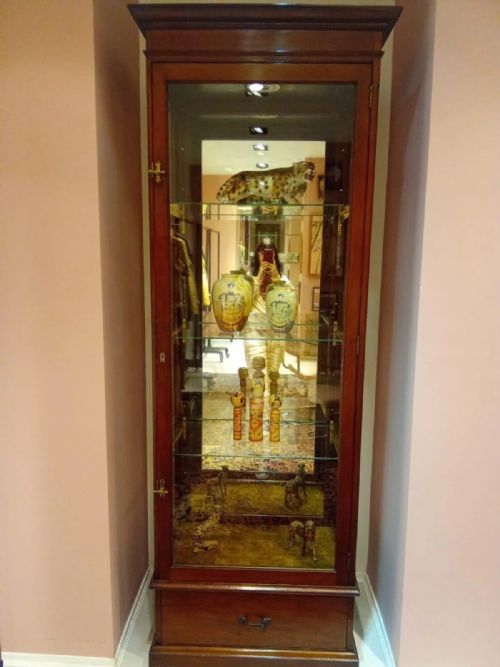
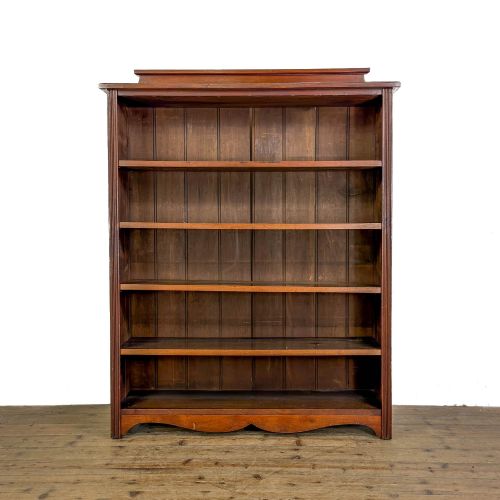
When you search for victorian tall shelving, you encounter tall open bookcases, shop display cabinets, tiered whatnots and plant stands spanning the nineteenth century into the early twentieth century. These vertical storage pieces range from compact pine and deal wood utility shelves to large breakfront mahogany library bookcases and carved oak Renaissance revival units.
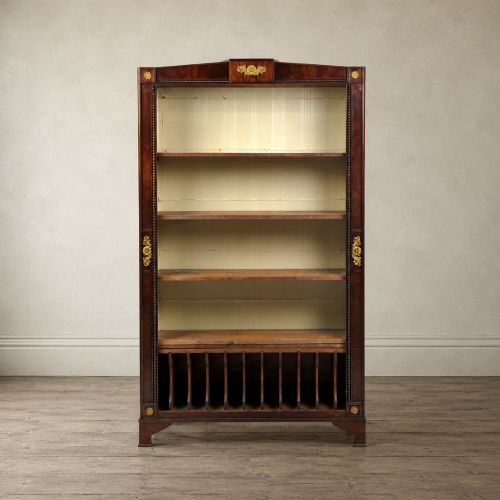
The version most commonly met on this page is the tall open mahogany or oak bookcase featuring adjustable shelves, built to house substantial private library collections. Alongside these library staples appear French Empire style rosewood bookcases, Edwardian glass-shelf display cabinets, and multi-tiered whatnots constructed from teak or walnut.
How they were made
Cabinet makers constructed these tall upright structures primarily using dense hardwoods such as mahogany, oak, walnut, rosewood and satinwood, alongside softer utilitarian timbers like pine, deal and elm. Heavier library bookcases often incorporated solid wood carcases with carved architectural detailing, while specialist display pieces utilised brass, iron, ormolu mounts and glass panels.
Internal mechanisms focused heavily on practicality, integrating adjustable wooden or glass shelving supported by timber ratchets, brass pegs or metal strips. Finishing techniques relied on traditional waxing to enhance the grain of the timber, alongside painted surfaces on softwood racks and pot stands.
Listings span the nineteenth century into the 1930s, featuring mahogany, oak, pine, walnut, rosewood, satinwood, teak, brass and iron.
What varies in quality
The grade of timber selection and depth of carving fundamentally distinguish standard utility shelving from high-end library pieces. Superior examples utilise figured mahogany, burr walnut or solid quarter-sawn oak with crisp, hand-carved Renaissance revival motifs and meticulous joinery.
Structural complexity also dictates standard, moving from plain deal wood storage racks and softwood open shelves up to breakfront architectural bookcases with ormolu mounts, brass details and finely fitted adjustable shelving systems.
The Victorian Tall Shelving Glossary
- Open Bookcase
- A tall shelving unit lacking doors, designed for immediate access to books and decorative items.
- Whatnot
- A multi-tiered piece of freestanding furniture featuring several levels of open shelves supported by upright columns or slender posts.
- Breakfront
- A large cabinet or bookcase where the central section projects forward from the flanking outer wings.
- Ormolu
- Gilded bronze ornamentation applied as decorative mounts to high-status nineteenth-century furniture.
- Deal Wood
- A traditional term for softwood timber, specifically fir or pine, utilised in less formal utilitarian furniture.
Victorian Tall Shelving: Frequently Asked Questions
What are Victorian tall shelving units used for?
These upright pieces serve primarily to hold books, organise office documents and display decorative objects in vertical spaces.
Their open tiers and adjustable shelves also accommodate plant collections, shop goods and assorted household items.
How do I tell an oak bookcase from a mahogany one?
Mahogany exhibits a deep reddish-brown tone with a tight, straight grain that often takes a high-gloss polished finish.
Oak displays a pronounced, coarse grain pattern with characteristic medullary rays visible across the timber surface.
Are the shelves in these bookcases adjustable?
Many nineteenth-century and Edwardian tall bookcases feature adjustable wooden or glass shelving supported by internal peg systems or tracks.
Simpler utilitarian softwood racks and older fixed-shelf units maintain stationary tiers secured directly into the carcase sides.
How do I integrate tall shelving into a modern room?
Position tall bookcases against solid walls to anchor vertical space in high-ceilinged rooms without occupying excessive floor area.
Use open-backed whatnots or narrow open bookcases to divide zones or display collections of books and ceramics.