

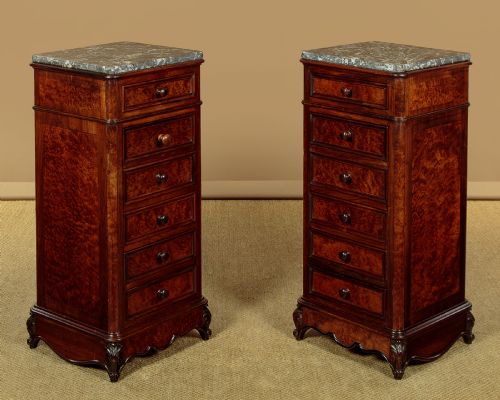


Victorian Table Top Chest
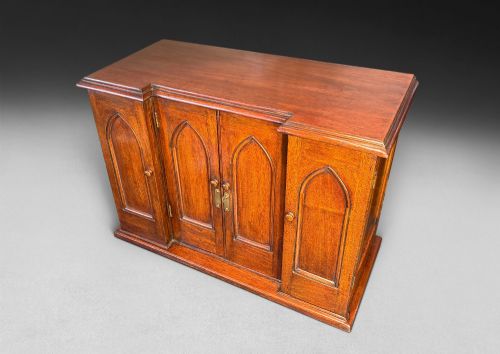
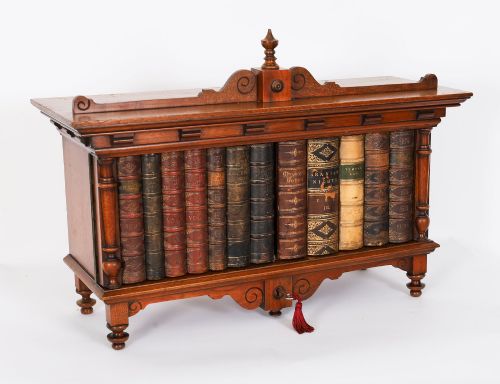
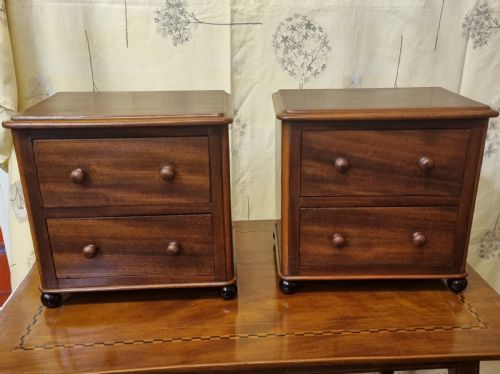
These Victorian table top chest pieces are compact storage units for valuables, offering period craftsmanship designed to sit comfortably upon larger furniture.
Victorian Table Top Chest
A victorian table top chest provides purposeful small-scale storage, typically encountered as miniature drawer units, jewellery boxes, or collectors cabinets originating from the nineteenth century.
The selections span various iterations including solid walnut collectors cabinets, burr walnut domed boxes, and faux bamboo dressing chests designed to occupy desk surfaces or larger furniture tops.
Originating largely within the Victorian era and the broader nineteenth century, these pieces reflect the domestic storage needs of the period through compartmentalised internal layouts.
Materials and construction methods
Cabinet makers utilised dense hardwoods such as mahogany, walnut, and burr walnut, frequently applying decorative veneers to visible exterior surfaces.
Joinery often incorporates brass hardware, including campaign-style handles, lock escutcheons, and hinges that secure drop-front doors or hinged lids.
Interior fittings frequently feature glass panels, leather linings, and meticulous partitioning tailored for jewellery, letters, or specimens.
Victorian Table Top Chest Retail Price Guide 2026
Typical asking prices for victorian table top chest among the pieces listed under this phrase on Sellingantiques today, from the lower quarter to the upper quarter. They describe what is for sale here now, not the wider market.
Listings feature nineteenth-century materials including mahogany, walnut, brass, glass, and leather applied to miniature cabinet forms.
Distinctions in craftsmanship and finish
Superior examples display balanced grain selection, particularly in burr walnut or mahogany surfaces, alongside precise dovetail joinery on small drawer frames.
Quality reveals itself in the integration of original working locks, bevelled glass panels, and substantial brass mounts rather than replacement hardware.
The refinement of internal partitions and the condition of original fitted linings distinguish standard utilitarian boxes from workshop-produced luxury pieces.
Edwards & Roberts
The Victorian Table Top Chest Glossary
- Burr walnut
- A highly figured wood grain obtained from walnut tree growths, prized for its swirling patterns on cabinet fronts.
- Collectors cabinet
- A miniature piece featuring multiple small drawers designed for storing geological specimens, coins, or small artefacts.
- Dovetail joinery
- An interlocking corner joint formed by wedge-shaped fingers, indicating sound cabinet construction in drawer assembly.
- Escutcheon
- A protective brass plate surrounding a keyhole, often styled in various nineteenth-century revivals.
- Bevelled glass
- Glass panes with angled edges, commonly used in drop-front doors to catch light and showcase internal contents.
Victorian Table Top Chest: Frequently Asked Questions
What were victorian table top chest pieces used for originally?
These compact pieces served primarily to store high-value personal effects, including jewellery, letters, coins, and small collector specimens.
Their tabletop placement allowed owners to keep precious items secure and immediately to hand within private chambers or studies.
How do I care for a wood and brass chest?
Maintain the timber surfaces by applying appropriate wax polish periodically, avoiding direct sunlight or excessive heat sources that cause wood to split.
Keep brass hardware clean using a soft dry cloth, steering clear of harsh chemical cleaners that might damage surrounding veneers.
Are keys usually included with these cabinets?
Many nineteenth-century locking cabinets survive without their original keys due to generations of domestic use and separation.
Locksmiths can often supply replacement keys if the mechanism remains functional, though many owners simply use the pieces unlocked.
How do I identify a nineteenth-century piece?
Examine the construction methods, interior secondary woods, and hand-cut dovetail joints which differ significantly from twentieth-century mass production.
Stylistic cues such as Gothic revival motifs, burr walnut veneers, and traditional brass escutcheons further point to the Victorian period.