



Victorian Table Salts
Victorian table salts are small vessels for serving salt at the dining table, combining practical tableware with the sculptural whimsy of the nineteenth century.
Victorian Table Salts
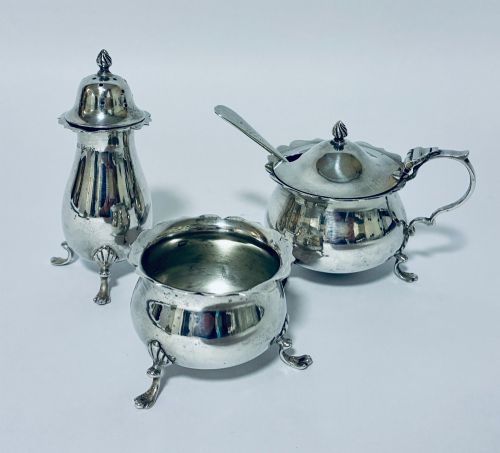
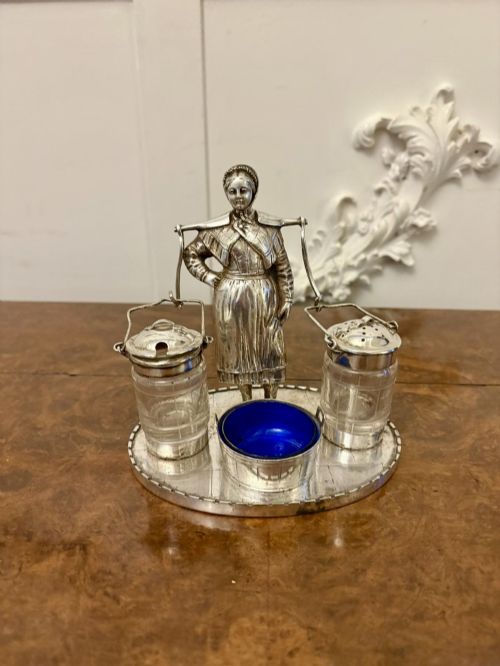
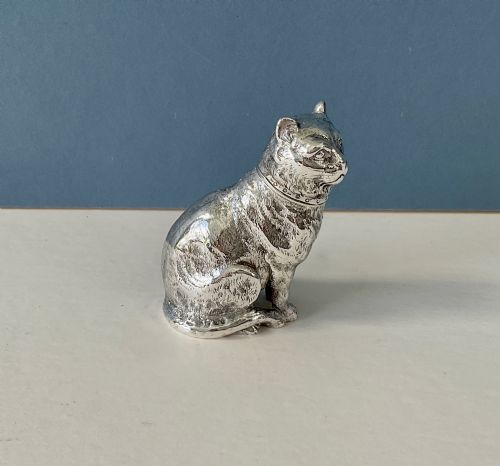
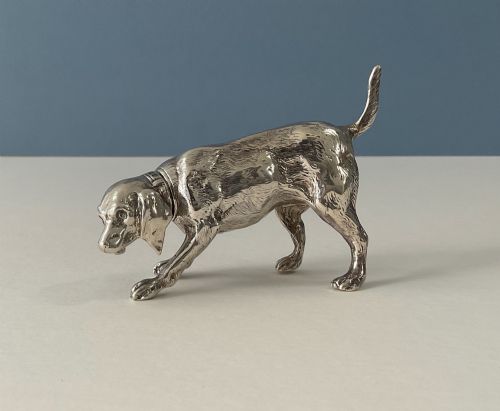
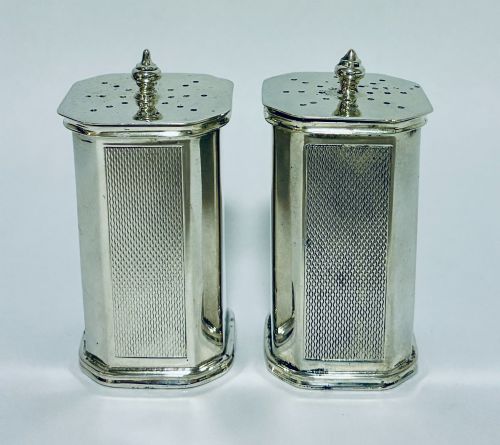
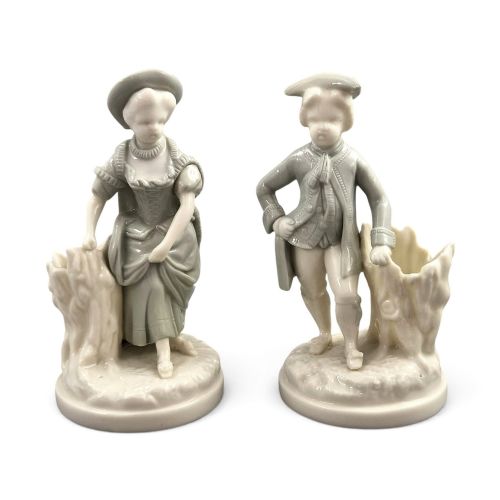
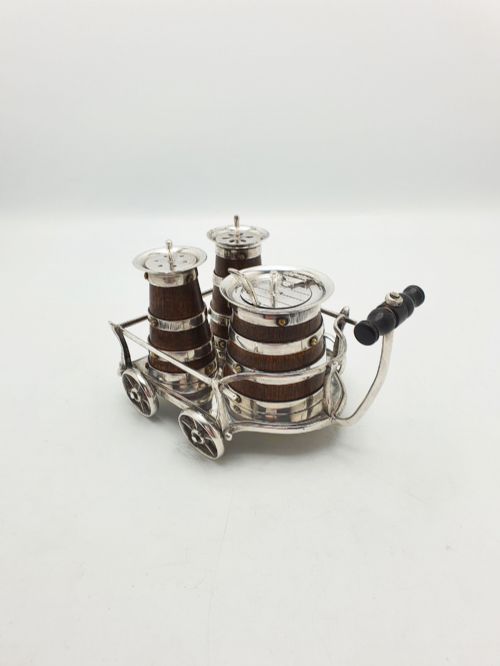
The material combinations span sterling silver, silver plate, cut glass, and coloured glass liners in cobalt or blue. Alongside standard circular and serpentine salt cellars, makers produced animal and character forms including swans, owls, dogs, and farmyard figures.
While the dominant aesthetic is Victorian, the inventory stretches from earlier Georgian influences into Edwardian and later periods up to nineteen twenty. These pieces reflect formal dining rituals where salt held a central place on the table.
Materials and Construction
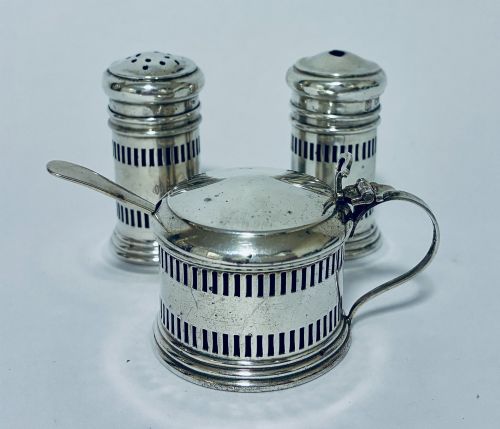
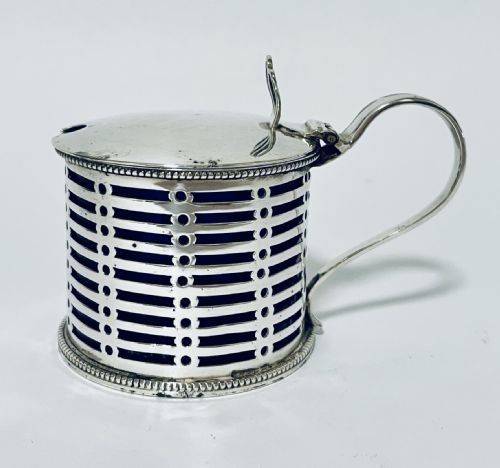
Silversmiths utilised sterling silver and silver plate to form bodies through casting, piercing, and hammering. Pierced silver work created delicate openwork galleries, which were typically fitted with removable glass liners in blue or cobalt to protect the metal from corrosion.
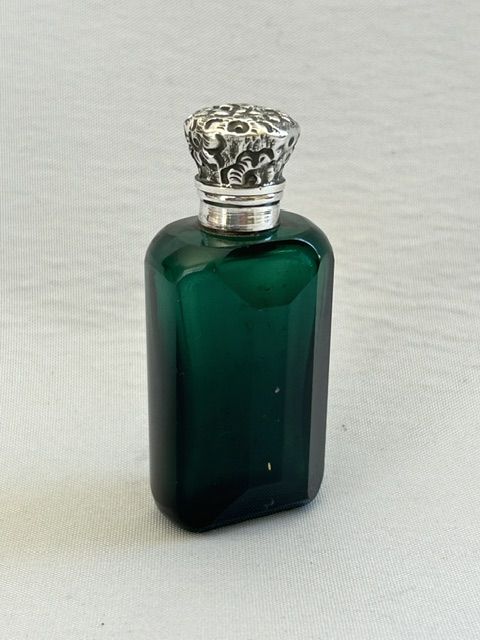
Glass production played a vital role, yielding heavy cut glass bodies and coloured glass inserts designed to fit precisely within silver mounts. Other constructions combined organic materials such as carved horn bowls fitted with silver mounts.
Novelty items employed detailed casting techniques to shape figural subjects like birds, animals, and literary characters into functional pepperettes and salt cellars. Hallmarks stamped into the silver provide records of assay offices and manufacturing dates.
Victorian Table Salts Retail Price Guide 2026
Typical asking prices for victorian table salts among the pieces listed under this phrase on Sellingantiques today, from the lower quarter to the upper quarter. They describe what is for sale here now, not the wider market.
Victorian diners seasoned their meals watched over by silver owls, cockatoos, and Mr Punch's dog Toby.
Craftsmanship and Preservation
Quality rests in the crispness of the casting and the precision of pierced decorative work on the silver body. Superior pieces retain intricate detail in figural models, such as feathers on birds or facial expressions on character peppers, without softening from wear or over-polishing.
The integrity of secondary elements dictates standard, particularly the presence of matching original glass liners that fit the contours of the salt cellar correctly. Hallmarks remaining clear and legible add structural and historical assurance to the piece.
Overall balance and weight distinguish finer examples from standard production tableware. Pieces that retain their original fitted cases or matching spoons demonstrate higher initial investment and careful preservation over time.
Thomas Smily·Sampson Mordan·Thomas Johnson
The Victorian Table Salts Glossary
- Open Salt
- A small open dish used for serving salt before the invention of shaker bottles. Guests used a tiny spoon or pinched the salt directly from the container.
- Cauldron Salt
- A small salt cellar shaped like a traditional cooking pot, usually raised on three diminutive feet. This form became particularly popular in silver during the Victorian period.
- Cruet Set
- A matched collection of bottles, jars, or cellars mounted in a stand for condiments such as oil, vinegar, salt, and pepper. They occupied the centre of the dining table.
- Pepperette
- A small shaker or container for ground pepper, often styled as a companion piece to open salt cellars. Many Victorian examples took elaborate novelty shapes.
- Blue Glass Liner
- A removable insert made from coloured glass placed inside open silver salt cellars. It prevented the corrosive action of salt from damaging the outer metal.
- Hallmark
- A series of official marks stamped onto silver items indicating the metal purity, assay office, maker, and year of manufacture. They serve as a reliable guide to authenticity.
Victorian Table Salts: Frequently Asked Questions
How were Victorian table salts used?
Victorian table salts held dry salt for individual diners or small groups at the dining table. Guests transferred salt to their plates using miniature spoons or by pinching it directly from the open vessel.
Because salt corrodes metals quickly, these cellars relied on removable glass liners or gilt interiors to protect the silver body from direct contact with the seasoning.
Are glass liners original?
Original glass liners were blown or moulded to fit the exact dimensions of the silver salt cellar frame. They feature smooth rims and sit level without rocking inside the mount.
Replacement liners often differ slightly in colour shade, thickness, or height compared to the silver housing, though many surviving pieces retain their matched factory inserts.
How do I clean antique silver salts?
Antique silver salts require gentle cleaning with a soft cloth and a specialised silver polish formulated to remove tarnish without abrasive scratching. Harsh dips can strip the natural patina and damage delicate engraved details.
Glass liners and horn components should be washed separately in warm soapy water and dried thoroughly before being returned to the metal mounts.