
Victorian Table on Castors
A victorian table on castors brings robust mobility and rich timber to the room, built for easy repositioning.
Victorian Table on Castors
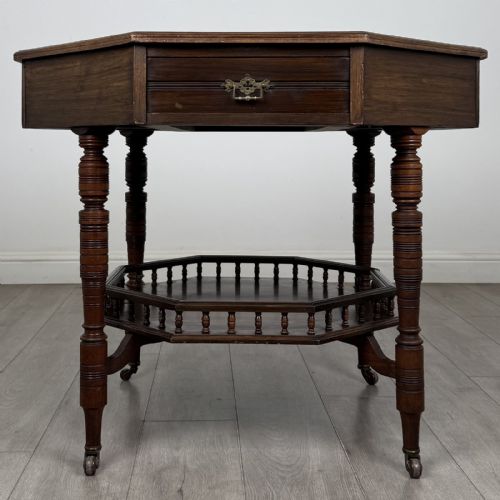
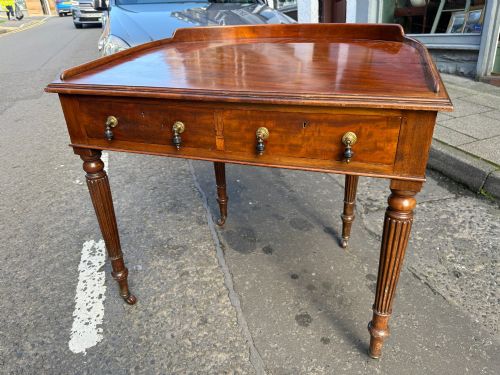
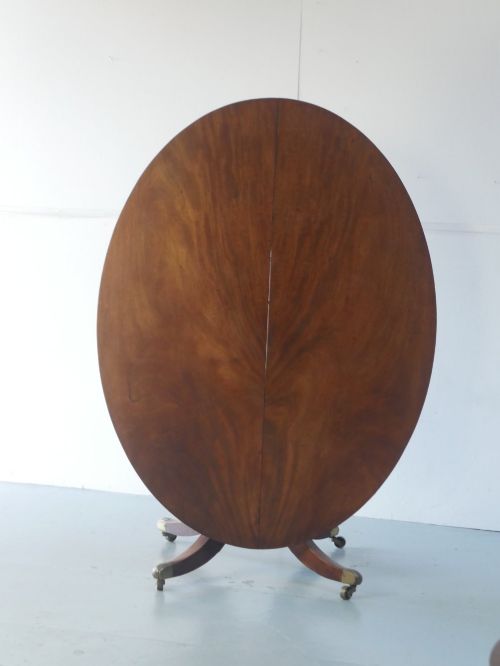
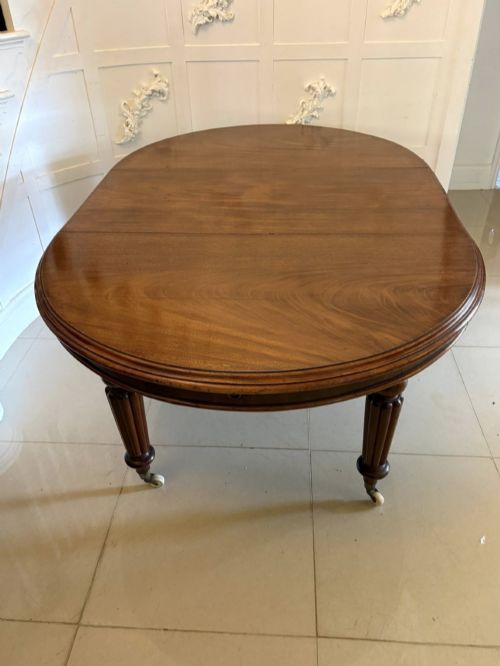
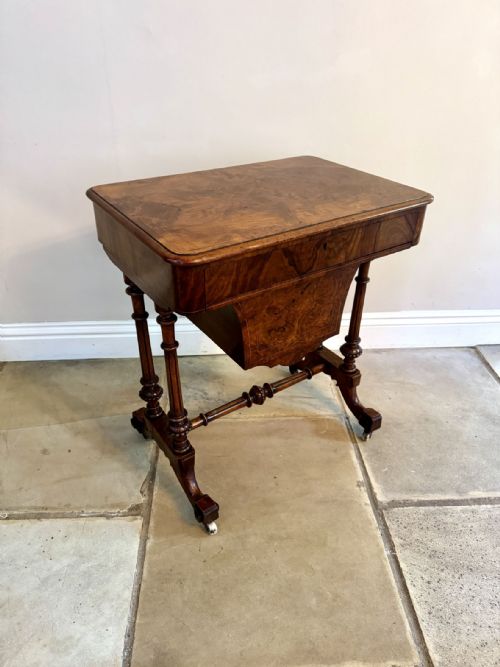
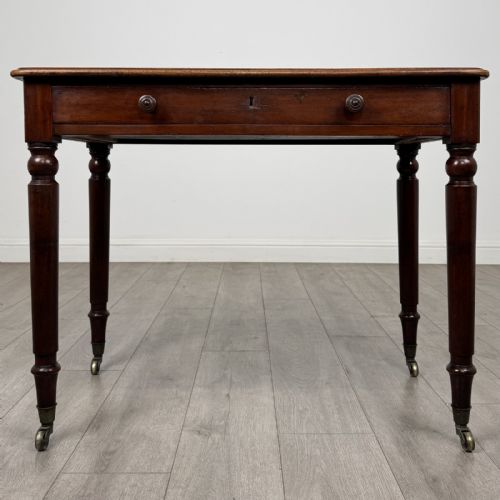
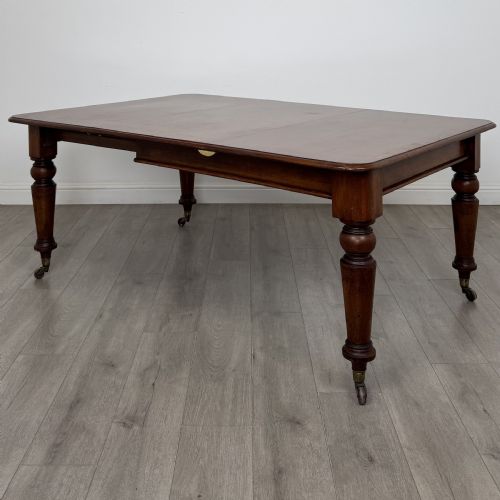
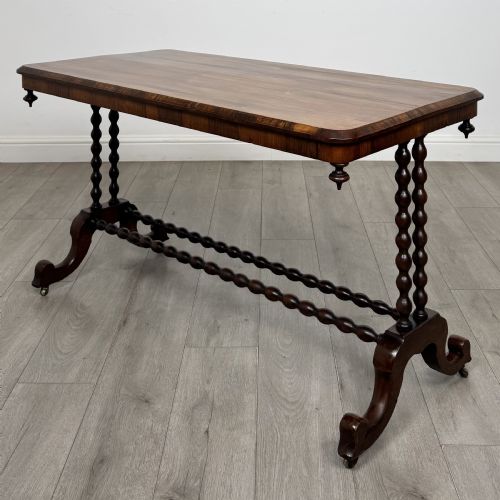
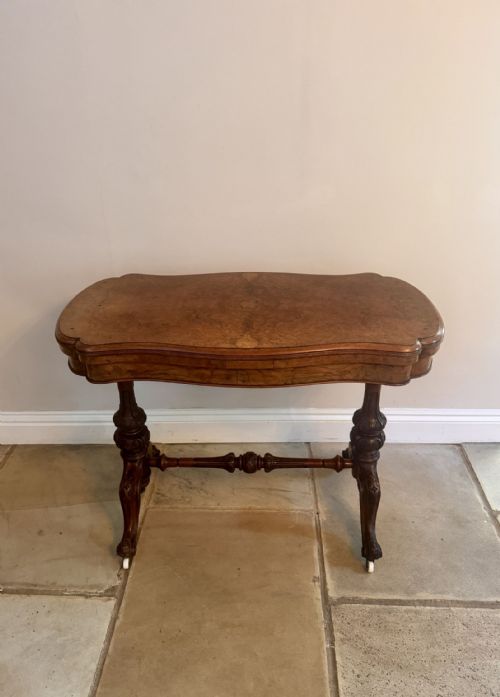
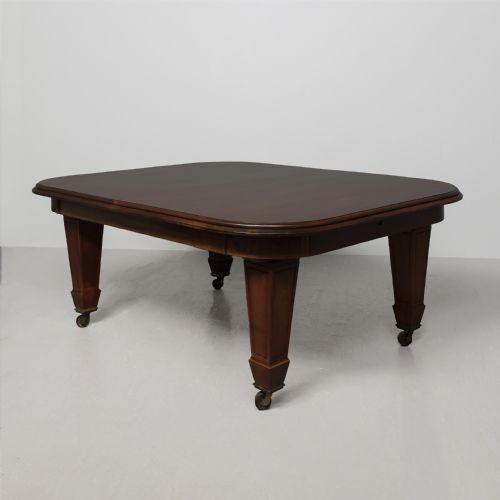
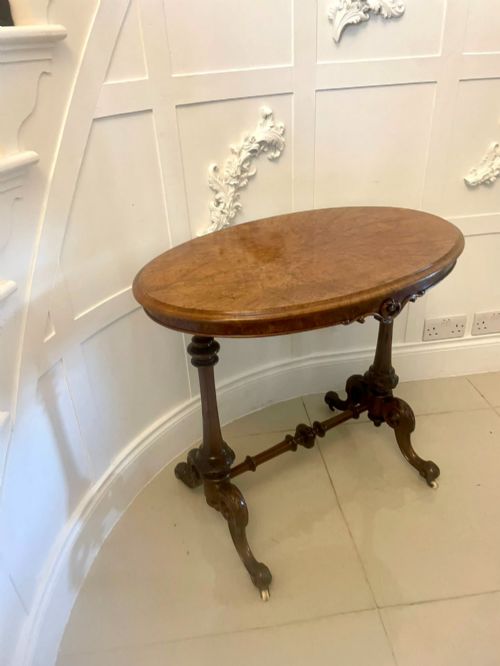
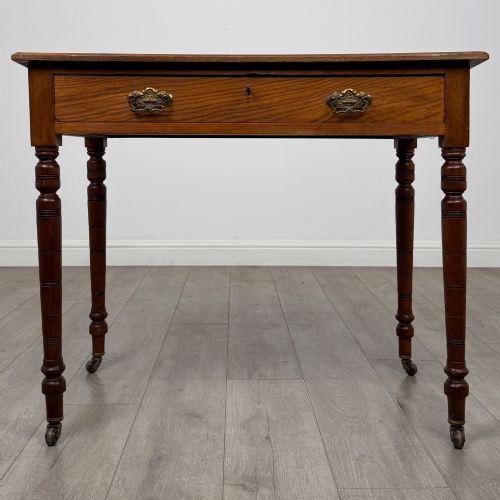
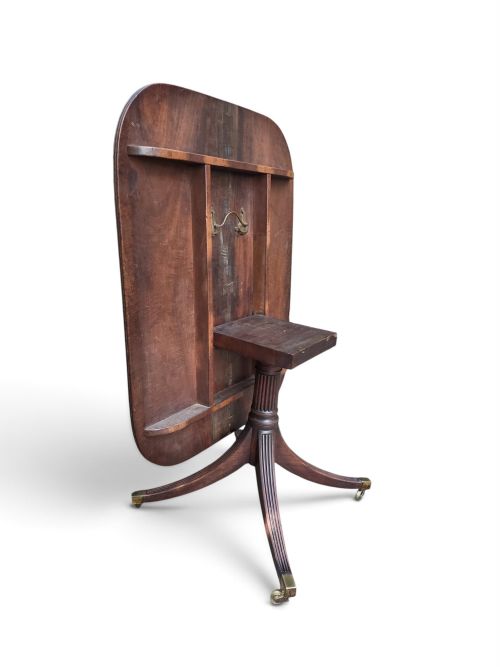
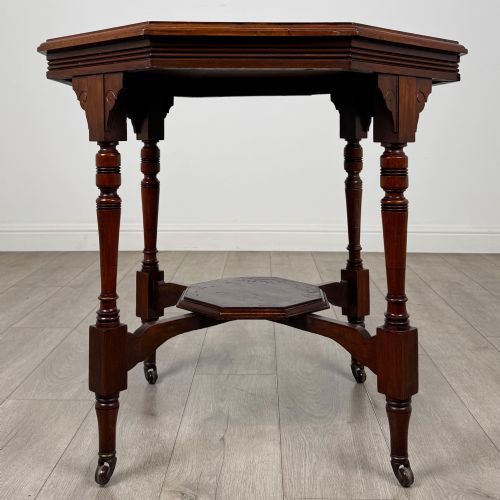
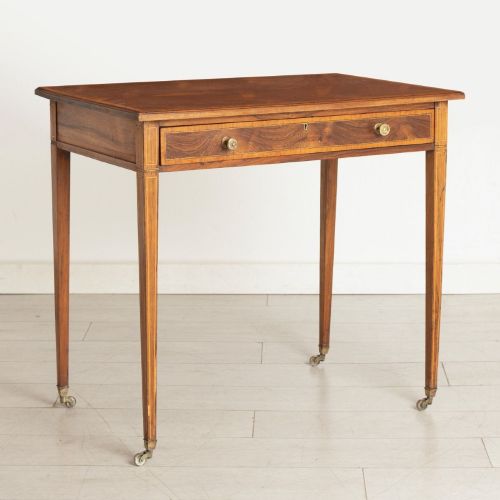
A victorian table on castors encompasses a wide variety of domestic furniture designed to be moved across the floor with minimal effort. The most common forms on this page are mahogany dining tables, writing tables, and side tables fitted with brass or ceramic wheels below the legs.
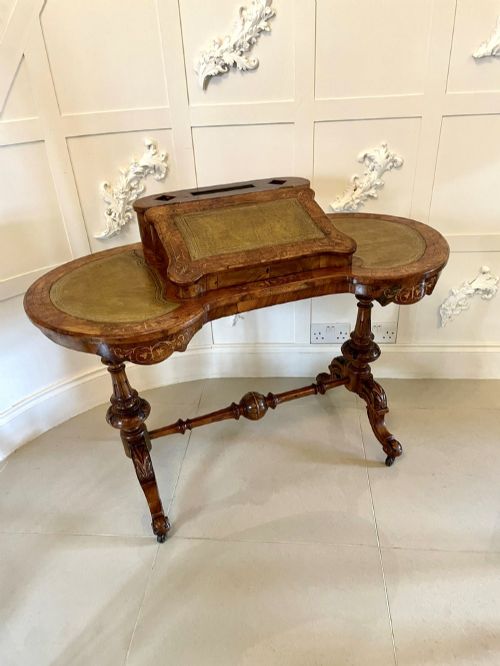
The pieces span the nineteenth century, including specific dates from eighteen-fifty to nineteen-hundred, alongside pieces attributed to the Edwardian period and earlier Regency styles. Buyers encounter everything from large extending dining tables with multiple leaves to compact kidney-shaped writing desks and occasional lamp tables.
Origins and materials vary widely, showing the adaptability of nineteenth-century cabinet making. Alongside standard mahogany and walnut, listings include rosewood, pitch pine, satin birch, and burr walnut, often shaped into Pembroke, card, or envelope configurations.
How they were made
Cabinet makers relied heavily on dense hardwoods such as mahogany and walnut for structural stability, frequently applying decorative veneers like burr walnut and satinwood to visible surfaces. Turned legs, inlays, and leather writing inserts demonstrate traditional joinery and finishing techniques typical of the period.
Mobility relied on metal castors, often cast in brass or paired with ceramic wheels, secured directly to the foot of each leg. These fittings allowed heavy dining tables and partners desks to glide across carpets and wooden floorboards without damaging the timber base.
A solitary silver pepper pot shaped like a boy stands among the heavy timber dining tables and writing desks.
What varies in quality
The distinction between standard utility furniture and top-tier pieces rests on timber selection and secondary details. Grain figuring in burr walnut or rosewood, original brass castor fittings, and subtle additions like boxwood stringing elevate certain writing and card tables above plain pine or utilitarian side tables.
Structural integrity and maker attribution also drive the range. Pieces bearing workshop stamps or attributed to notable cabinet makers display finer hand-turned legs, well-fitted drawers, and intact original leather writing surfaces that mark them out from unsigned regional pieces.
Gillows·Gregory and Co·Johnstone and Jeanes·J A Mein Edinburgh
The Victorian Table on Castors Glossary
- Castor
- A small wheel mounted on a swivel assembly attached to the bottom of a furniture leg. It allows heavy pieces to be moved across a room easily.
- Pembroke table
- A small occasional table featuring two hinged drop leaves on opposite sides. This form allows the footprint to expand or contract according to space.
- Card table
- A folding table designed for playing games, often featuring a turnover top that opens to reveal a baize-lined surface. Many examples include internal storage wells for cards and counters.
- Partners desk
- A large double-sided writing table designed for two people to sit opposite each other. These typically feature banks of drawers on both sides.
- Wind out mechanism
- An internal screw device operated by a crank handle that extends a dining table to insert extra leaves. This system kept large tables stable while expanding.
Victorian Table on Castors: Frequently Asked Questions
What rooms suit a victorian table on castors?
These tables adapt well to living spaces, studies, and dining rooms where flexibility of layout matters. Smaller side and lamp tables fit comfortably beside seating.
Larger extending dining tables and writing desks anchor principal rooms, providing functional workspace or hosting gatherings.
How do I protect floors from the castors?
Nineteenth-century castors distribute weight through small metal or ceramic wheels which can indent soft timber or modern carpets. Placing small saucers or discrete castor cups beneath each wheel prevents marking.
Regular cleaning of the wheel axes also ensures smooth rolling without scuffing the floorboards.
Are the castors on these tables original?
Many tables retain their period brass or ceramic castors, though replacements are common due to nineteenth-century wear. Inspecting the fixing screws and the patina on the metal helps determine age.
Subtle mismatches in wear between the legs and the castors often suggest later replacements.
How should I care for the leather writing surfaces?
Many writing desks feature inlaid leather surfaces that require gentle maintenance to prevent drying and cracking. Dusting with a dry cloth and occasionally applying neutral leather cream preserves the hide.
Avoiding direct sunlight prevents the coloured leather from fading over time.