
Victorian Sword Stick Cane
A victorian sword stick cane combines polite disguise with concealed steel, offering discreet defence for the gentleman about town.
Victorian Sword Stick Cane
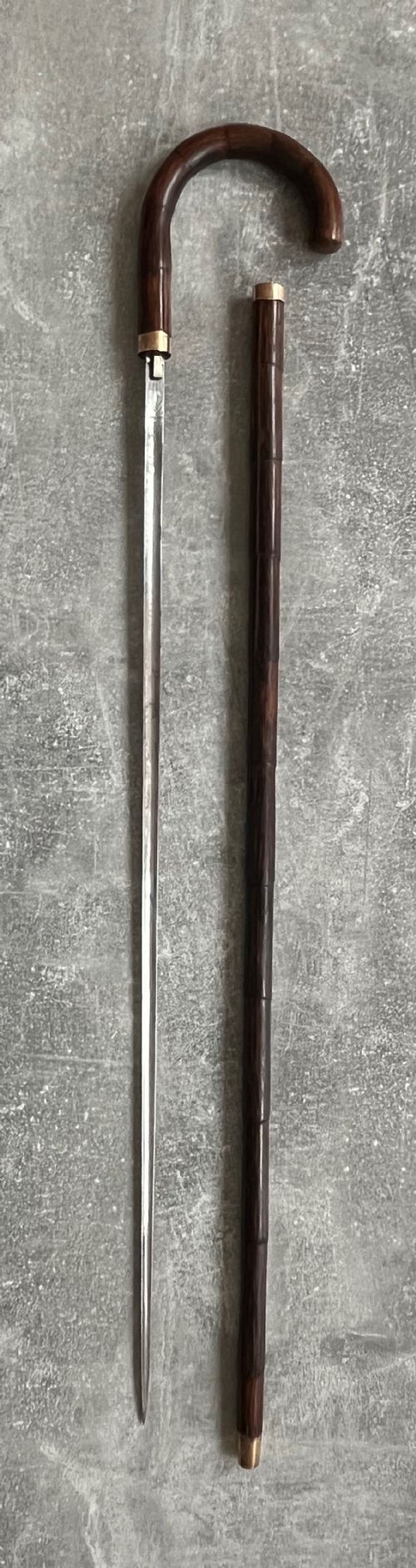
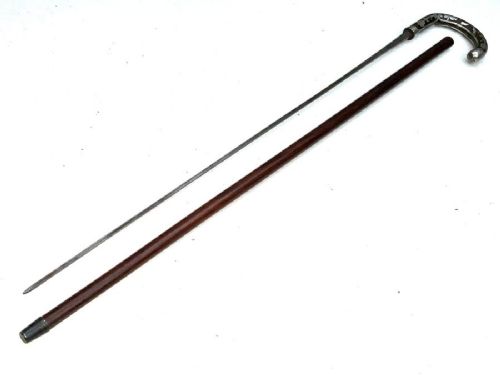
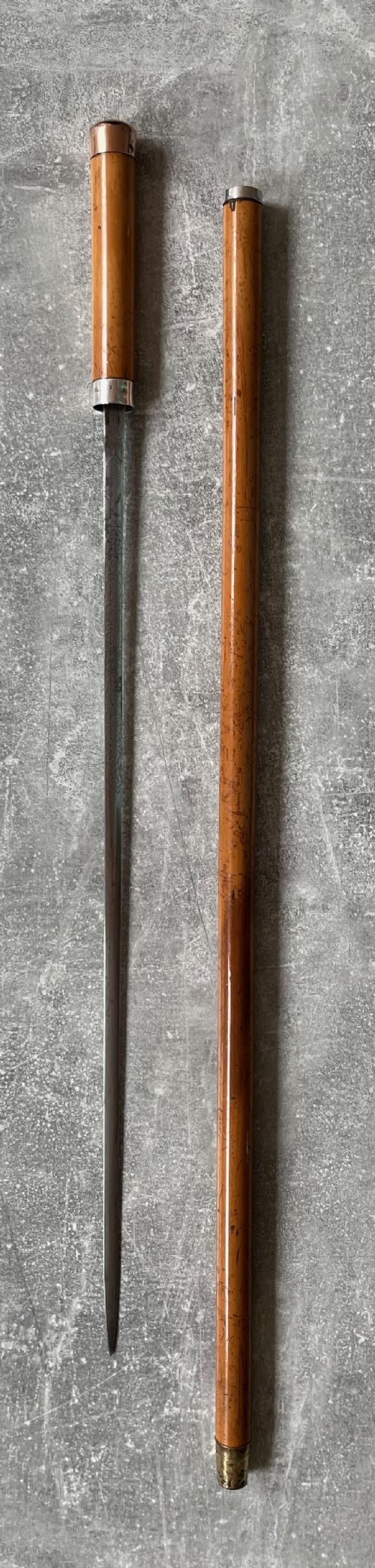
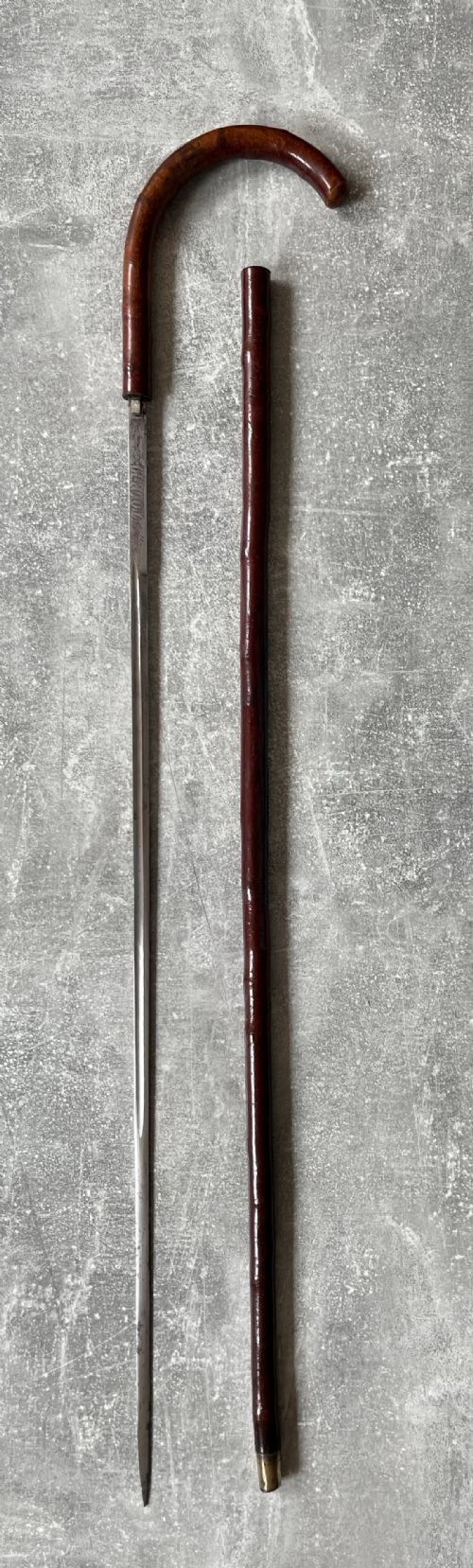
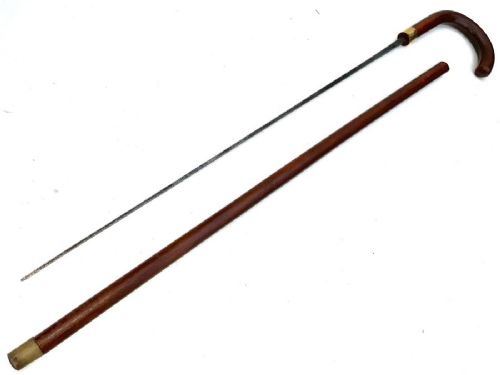
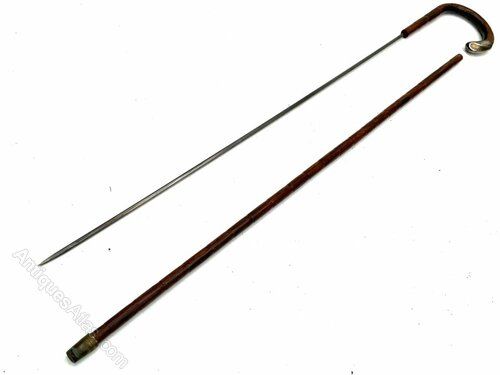
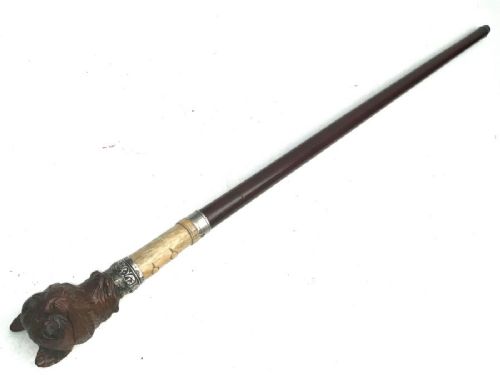
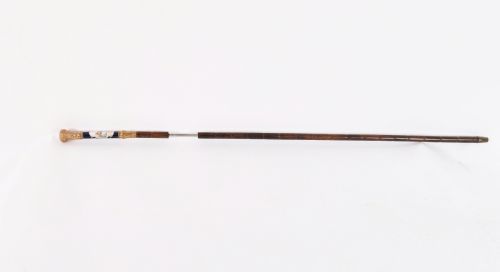
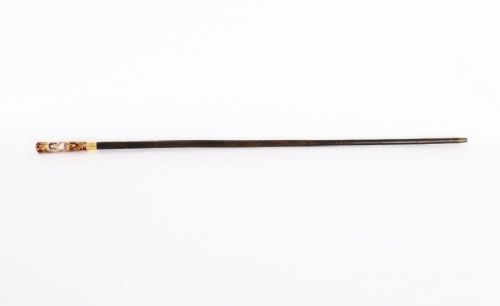
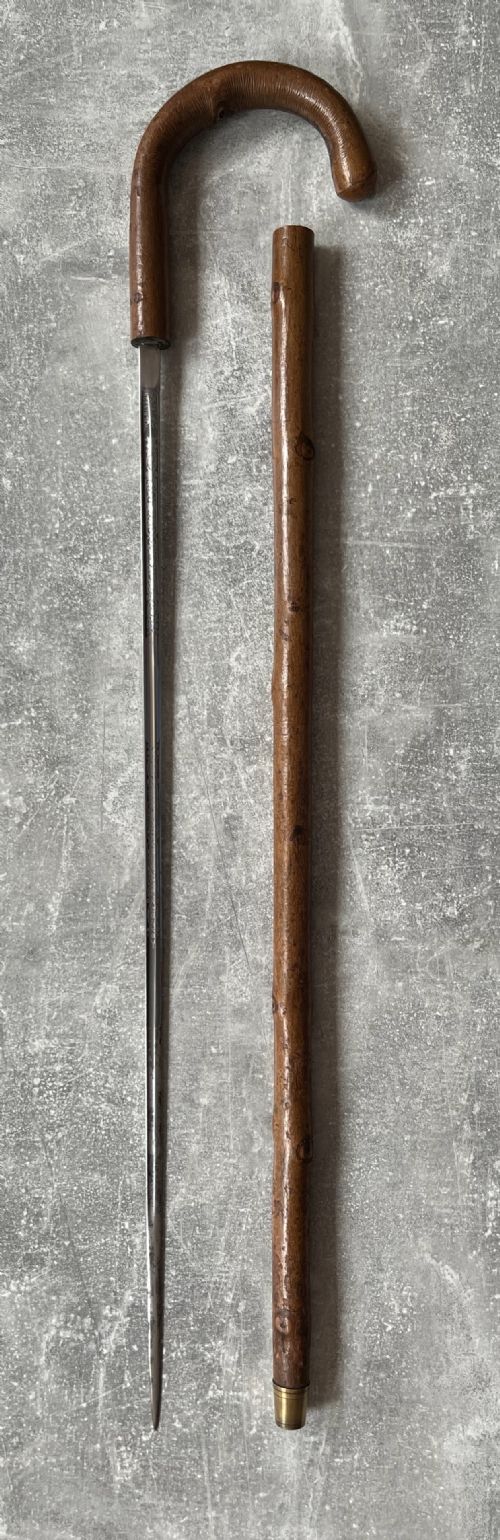
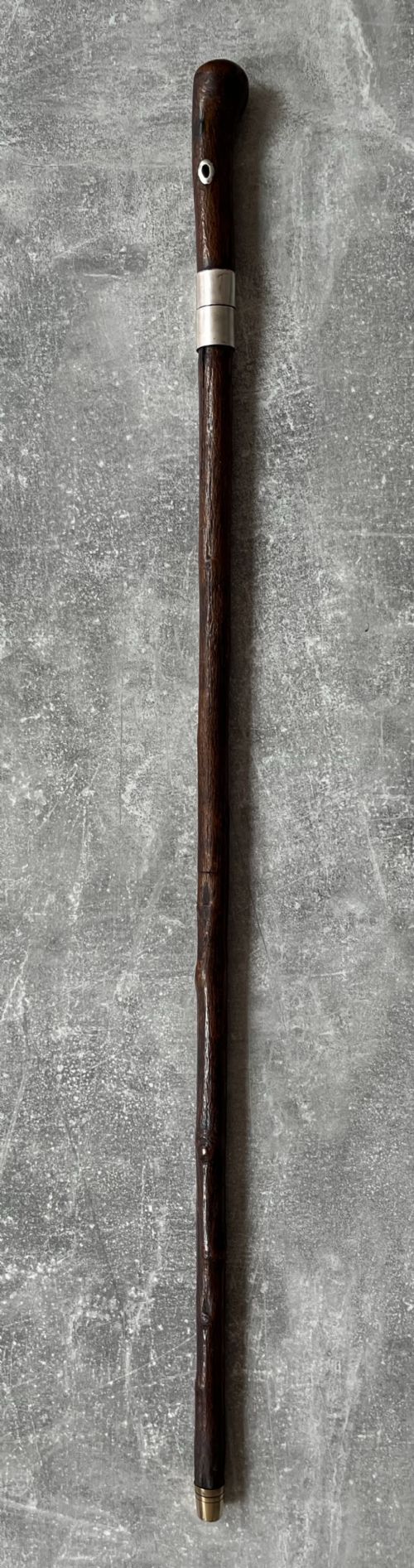
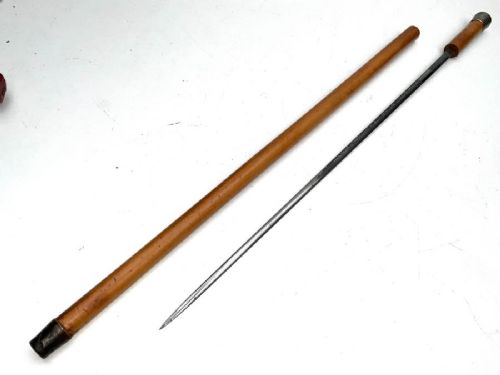
A victorian sword stick cane takes the appearance of an ordinary walking support while housing a hidden blade within its shaft. These pieces emerge predominantly from nineteenth-century workshops, spanning the Victorian and Edwardian eras.
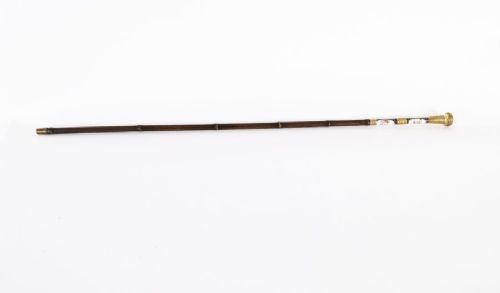
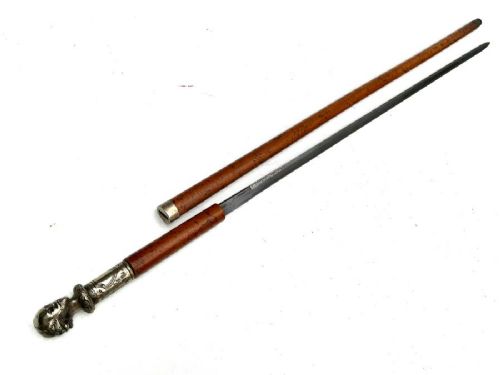
Makers fashioned these items from everyday woods such as partridge wood, cherrywood, hazel wood, and malacca cane. Some examples display simple crook handles, whilst others feature novel grips, bone knops, or silver tops.
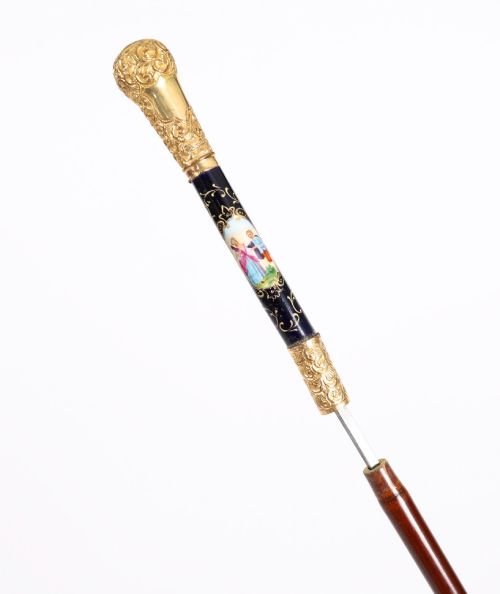
Military officers, doctors, and civilian gentlemen carried these dual-purpose items for protection during urban walks. The selection includes French porcelain mounted pieces, masonic variations, and military officer swagger sticks.
Materials and Construction
Artisans combined natural timbers like rosewood, ebonised wood, and bamboo with metal components to create a seamless exterior. Shafts house steel blades, secured by button release mechanisms or fitted collars.
Mounts incorporate silver, brass, and gold plate, frequently complementing handles formed from horn, bone, or Sevres porcelain. Blades range from etched Toledo steel to specialised Wilkinson production.
Listings feature woods like malacca, partridge wood, rosewood, and hazel alongside silver, brass, and porcelain mounts from the Victorian and Edwardian eras.
Craftsmanship and Distinction
Quality rests in the precision of the joinery between the wooden shaft and the handle, ensuring the concealed blade seats firmly without looseness. Superior examples feature robust locking mechanisms and substantial silver or gold-plated mounts rather than simple brass fittings.
Blade manufacturing distinguishes standard items from high-end pieces, with etched Toledo steel or maker-marked Wilkinson blades representing superior metalwork. The choice of handle material, from delicate Sevres porcelain to durable horn, likewise elevates the piece.
Brigg·Wilkinson
The Victorian Sword Stick Cane Glossary
- Malacca cane
- A mottled rattan stem imported from Southeast Asia, prized for strength and flexibility in walking sticks. It provides a lightweight yet durable housing for a concealed blade.
- Toledo blade
- A steel blade produced in the Spanish city renowned for historic sword-making traditions. These blades denote high-quality forging.
- Swagger stick
- A short, light cane carried by military officers as a symbol of authority. Versions with hidden blades combine parade dress with personal defence.
- Knop
- A rounded knob or ornamental handle at the top of a stick. Materials range from carved bone to porcelain.
- Collar
- A metal band encircling the shaft just below the handle, often bearing silver hallmarks or decorative engraving.
Victorian Sword Stick Cane: Frequently Asked Questions
How do you release the blade?
Many examples utilise a simple button release mechanism set into the collar or upper shaft to unlatch the blade from the scabbard.
Other pieces rely on a friction fit where a firm pull separates the handle section from the main body of the cane.
Were these used by the military?
Military officers frequently carried swagger sticks or service variations during the nineteenth and early twentieth centuries.
These items served both as part of an officer's daily walking dress and as a discreet personal weapon.
What woods are most common?
Makers frequently utilised malacca cane, partridge wood, hazel wood, and ebonised timber for the outer shafts.
More robust options like cherrywood and blackthorn also appear across the surviving nineteenth-century examples.
How do you date a piece?
Dating relies on material fashion, period styles such as Victorian or Edwardian, and any accompanying silver hallmarks.
Blade signatures and mounting styles also help place the manufacture within the nineteenth or early twentieth century.