




Victorian Style Ring
These pieces gather the romantic symbolism, intricate settings and rich gemstones of a victorian style ring into wearable treasures.
Victorian Style Ring
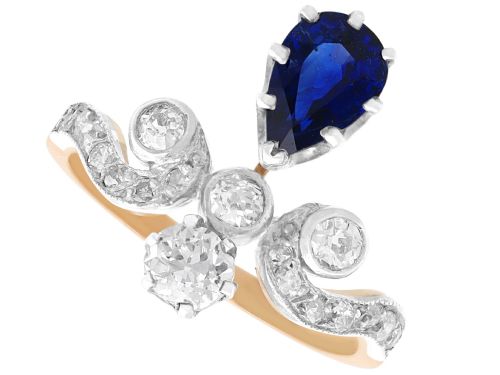
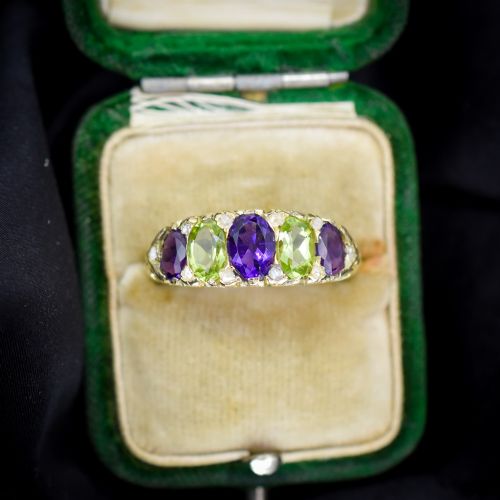
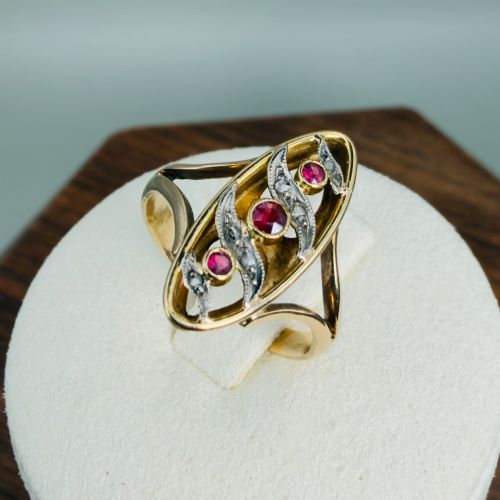
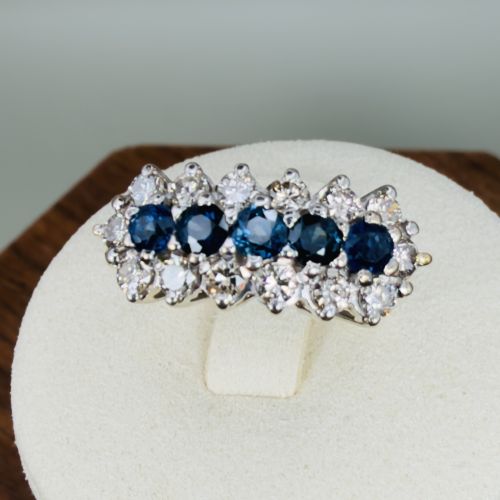
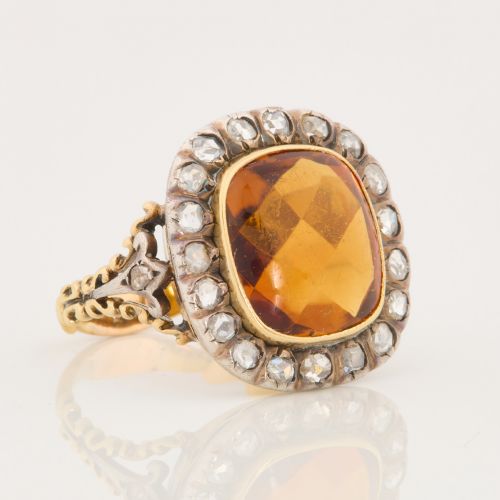
A victorian style ring encompasses genuine period pieces alongside later revivals, capturing the essence of nineteenth-century design through enduring motifs like boat clusters, navette shapes and multi-stone settings. The selection unites diverse periods ranging from the Victorian era itself into the Edwardian years and mid-century revivals.
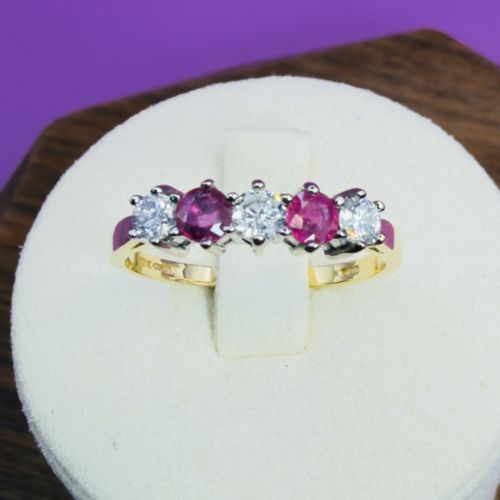
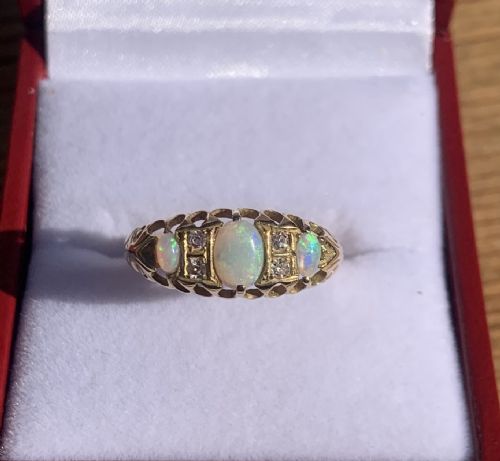
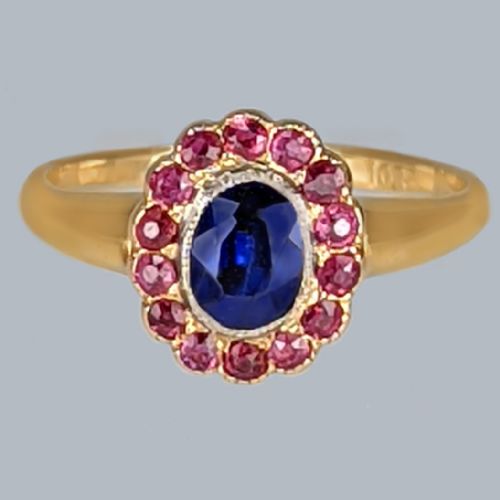
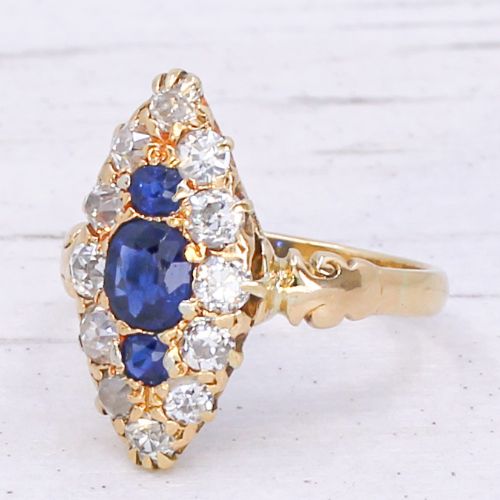
Buyers encounter numerous variations in form, from five-stone diamond bands and trilogy arrangements to serpent coils and halo rings. Materials span rich 18ct and 9ct yellow gold, silver and platinum, framing precious stones such as sapphires, rubies, opals and emeralds.
Beyond standard rings, the broader groupings include diverse items influenced by the aesthetic, yet rings remain the primary focus. Each piece channels the ornamental character associated with a victorian style ring.
How They Were Made
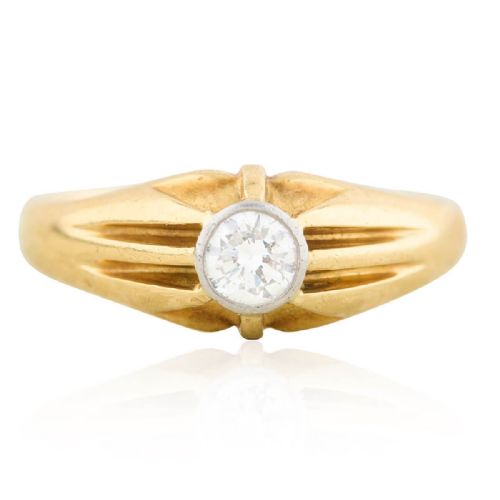
Goldsmiths utilised high-purity yellow gold, rose gold and silver to forge substantial mountings that securely housed old-cut diamonds and coloured gemstones. Metalworking techniques relied heavily on hand-fabrication, casting and detailed hand-engraving.
Gemstones including natural opals, sapphires, rubies and turquoise were meticulously claw-set, bezel-set or flush-set within elaborate boat, cluster and navette configurations. Artisans incorporated intricate flourishes such as openwork galleries and delicate milgrain edging to enhance the visual depth of each mounting.
Victorian Style Ring Retail Price Guide 2026
Typical asking prices for victorian style ring among the pieces listed under this phrase on Sellingantiques today, from the lower quarter to the upper quarter. They describe what is for sale here now, not the wider market.
A few rings double as miniature hair repositories, preserving human memory quite literally within the gold.
What Varies in Quality
The standard of a victorian style ring rests upon the clarity, cut and natural origin of its central gemstones paired with the weight and integrity of the gold or silver mount. Superior examples exhibit well-matched stone groupings with minimal inclusions and robust shank thickness that withstands decades of wear.
Fine craftsmanship is evident in the precision of the hand-carved details, the crispness of the bezels and the secure seating of every individual diamond or pearl. Pieces displaying exceptional artistry command greater appreciation than mass-produced later iterations.
The Victorian Style Ring Glossary
- Navette ring
- A ring featuring a pointed, boat-shaped cluster designed to elongate the appearance of the finger. This distinctive silhouette frequently houses a central cluster of diamonds and coloured gems.
- Boat ring
- A curved mounting holding a row of graduated gemstones resembling the hull of a vessel. The design was exceptionally popular during the nineteenth century.
- Trilogy ring
- A three-stone ring symbolising the past, present and future. These settings often combine diamonds with sapphires, rubies or opals.
- Old-cut diamond
- A diamond faceted by hand before modern symmetrical standards were established, possessing a smaller table and a high crown that yields a distinctive candlelight glow.
- Belcher ring
- A heavy gold band featuring flush-set gemstones recessed directly into the metal. The setting provides robust everyday protection for the stones.
Victorian Style Ring: Frequently Asked Questions
How do I care for a vintage ring?
Clean these delicate pieces gently using warm soapy water and a soft brush, avoiding harsh ultrasonic cleaners that can damage softer gems like opals and pearls.
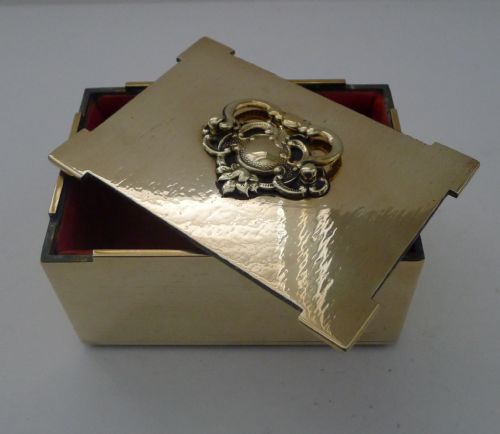
Store each ring separately in a fabric-lined box to prevent the metals and harder diamonds from scratching neighbouring surfaces.
Can these rings be resized easily?
Most gold and silver bands can be adjusted by a skilled jeweller, though intricate shoulders or heavy engraving require careful laser work to preserve the original metalwork.
Consult a specialist who understands antique construction before attempting any alterations to hollow or highly detailed shanks.
Are all listed rings from the nineteenth century?
The selection includes authentic pieces from the Victorian and Edwardian eras alongside later revivals from the mid-twentieth century that faithfully replicate historical motifs.
Examining the hallmarks and metal alloys helps determine the precise period of manufacture for each individual piece.
What stones are common in these designs?
Diamonds, sapphires, rubies and opals appear frequently, often complemented by turquoise, amethysts, garnets and seed pearls arranged in meaningful clusters or memorial formations.
These varied minerals reflect the Victorian fascination with colour, symbolism and sentiment expressed through jewellery.