

Victorian Style Mirror
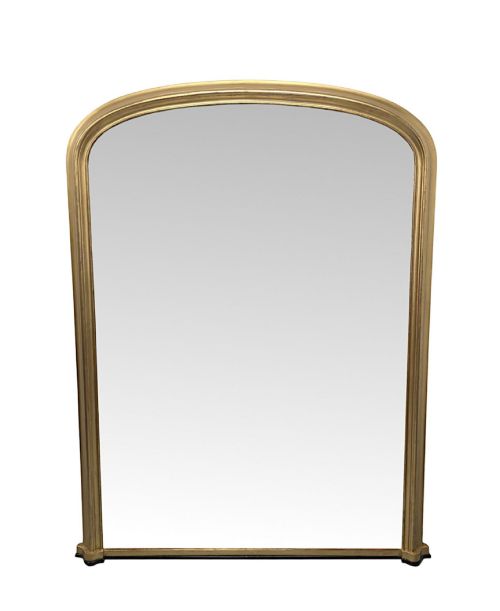
A victorian style mirror brings generous proportion and reflective light into a room, taking form as grand overmantels or carved wall hangings.
Victorian Style Mirror
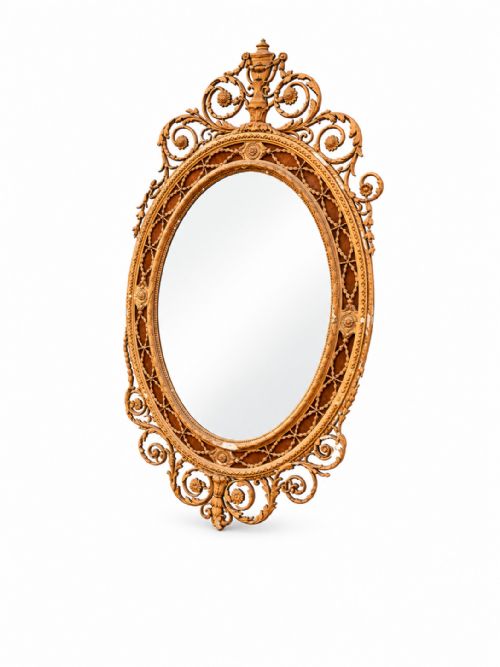
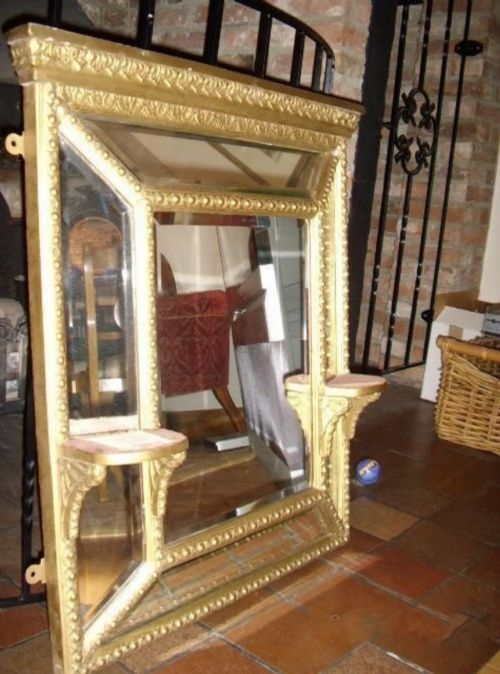
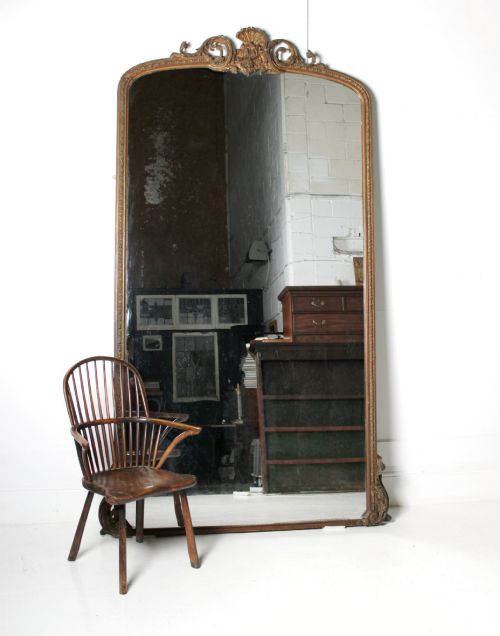
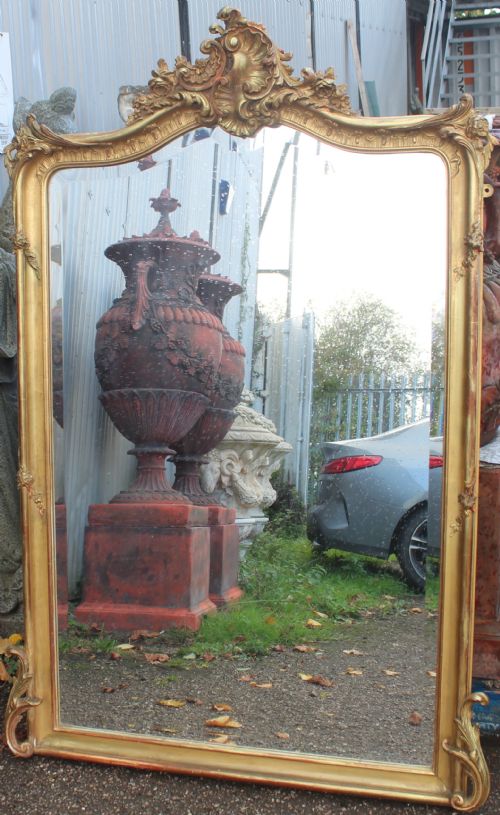
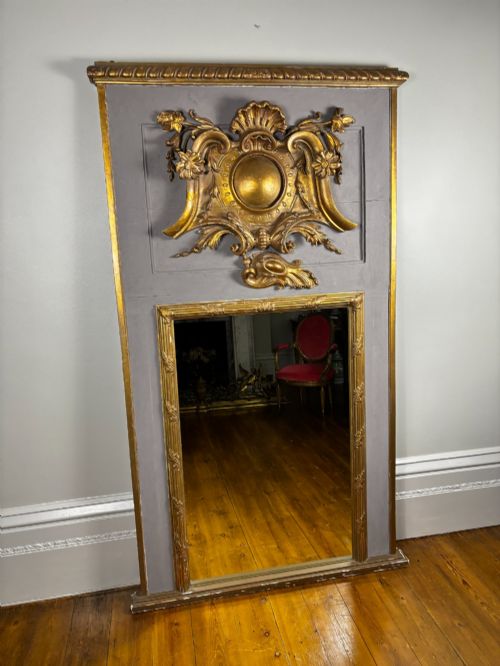
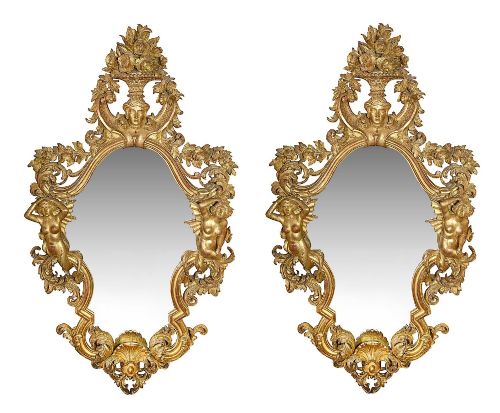
When searching for a victorian style mirror, a buyer encounters large overmantel frames and carved wall mirrors dating primarily from the nineteenth century. These pieces reflect historical revivals, including Rococo and Chippendale styles alongside French aesthetic movements.
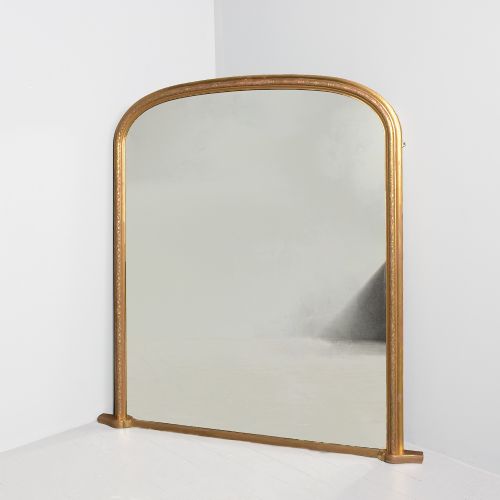
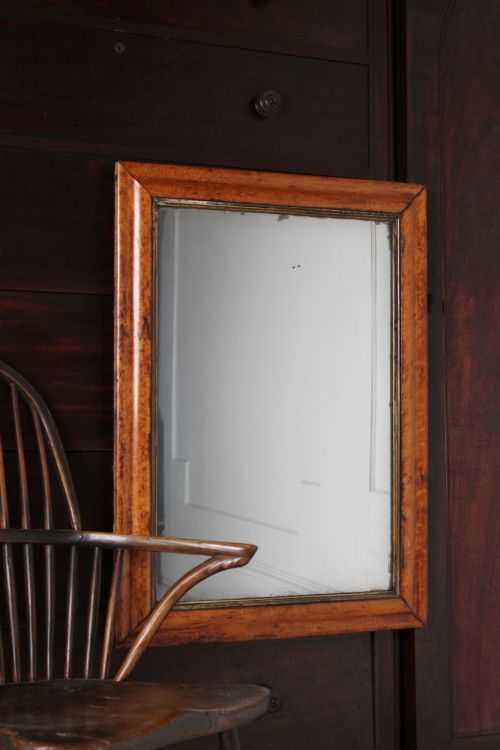
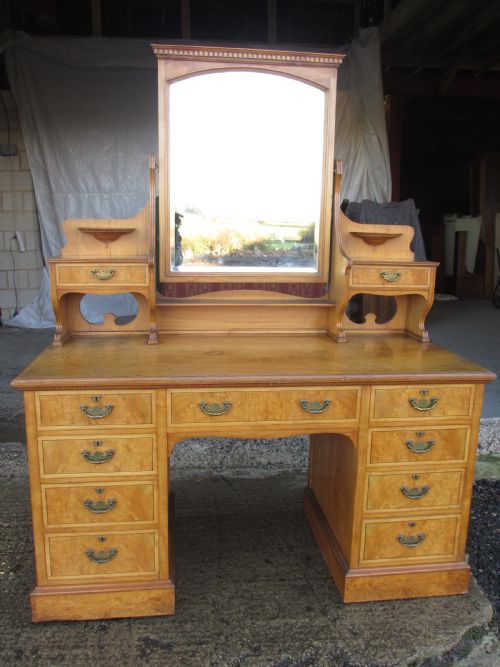
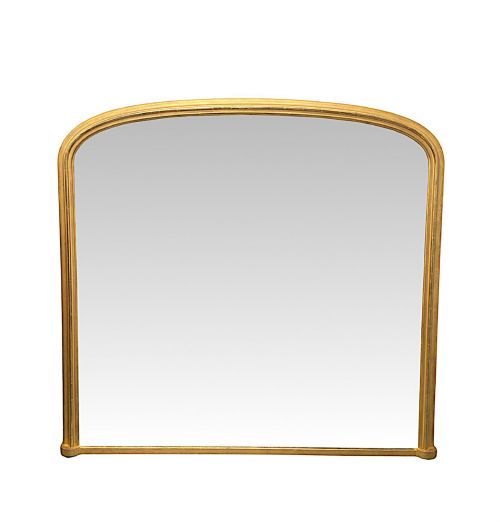
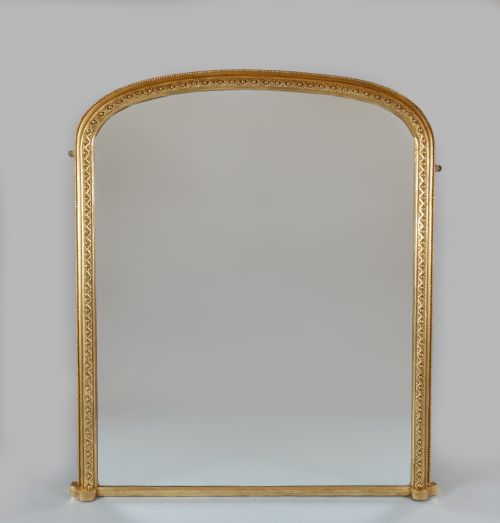
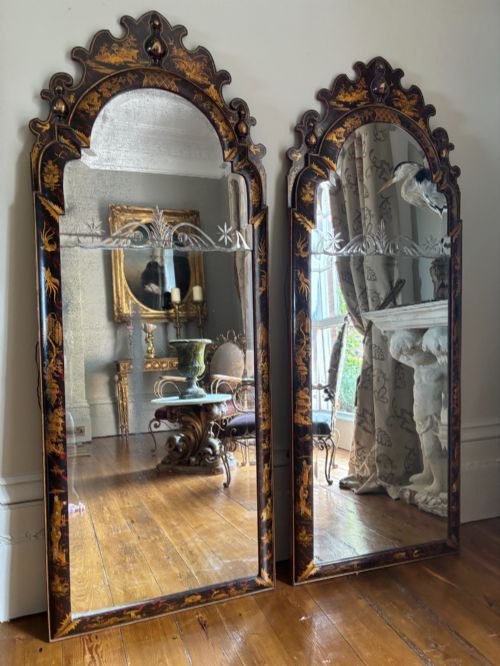
The most common form on this page is the substantial giltwood overmantel, shaped with arched tops or rope twist frames designed to sit above a fireplace. Wall mirrors and tall leaner mirrors also appear frequently, constructed from materials like oak, mahogany, and satin birch.
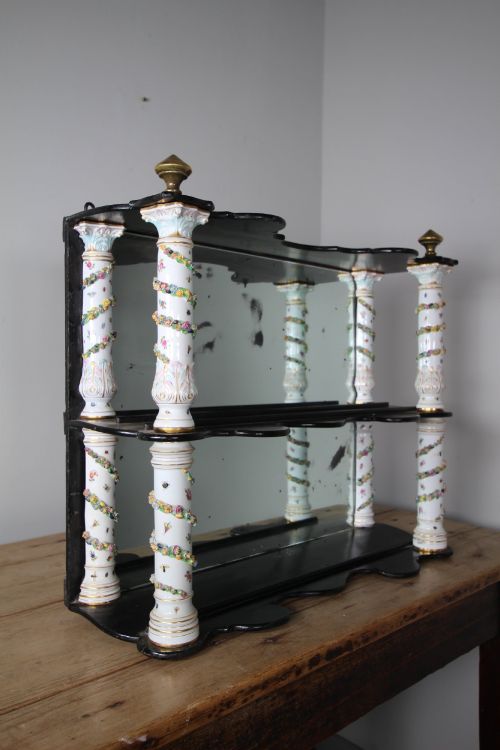
Makers and workshops of the period produced both ornate gilded showpieces and restrained wooden frames. Pieces range from large scaled statement items down to smaller faux bamboo and fretwork variations.
How they were made
Frames rely heavily on carved wood foundations built from timber such as oak, mahogany, and satin birch. Artisans applied layers of gesso over the wood substrate to build up crisp relief ornament before applying gold leaf or parcel gilt finishes.
Glass plates within these frames reflect the techniques of the nineteenth century, sometimes featuring bevelling and heavy silvering. Joinery techniques secure the substantial weight of large overmantel and cheval formats.
Victorian Style Mirror Retail Price Guide 2026
Typical asking prices for victorian style mirror among the pieces listed under this phrase on Sellingantiques today, from the lower quarter to the upper quarter. They describe what is for sale here now, not the wider market.
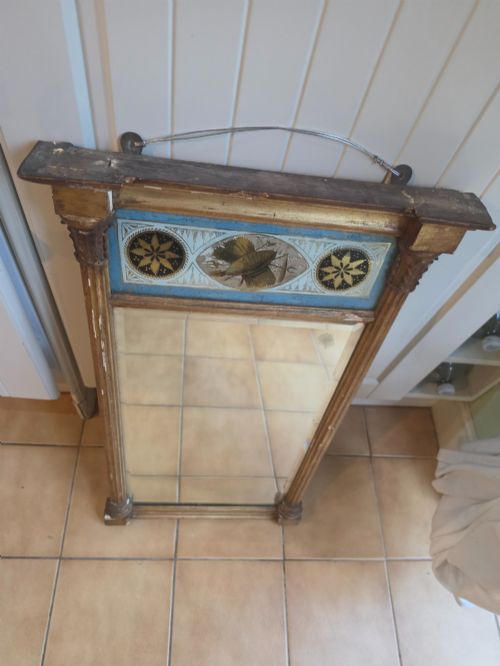
Some nineteenth-century mirrors feature cunningly concealed wooden pegs behind the frame to hang pocket watches.
What varies in quality
Quality rests in the crispness of the hand-carved wood and gesso ornament, where deeper undercut foliage and sharply defined scrollwork distinguish superior examples from softer castings. The proportion and weight of the timber frame dictate its structural integrity over time.
The application of gold leaf and the preservation of the original mirror glass plate contribute significantly to the standing of a piece. Finer examples retain their original gilding patination and heavy glass without excessive distortion.
Edwards and Roberts
The Victorian Style Mirror Glossary
- Gesso
- A plaster-like mixture applied to wood frames to create a smooth surface for subsequent gilding or painting. Artisans carved intricate decorative motifs directly into this dried compound.
- Giltwood
- Timber coated with gold leaf or metallic powder to imitate solid gold. This finish catches candlelight and natural illumination within nineteenth-century interiors.
- Overmantel mirror
- A large horizontal mirror designed specifically to hang on the wall directly above a fireplace mantelpiece. These pieces often feature arched tops or heavy decorative crestings.
- Fretwork
- Openwork ornamentation carved or pierced from a thin board of timber. This technique appears frequently on Chippendale style frames.
- Girandole
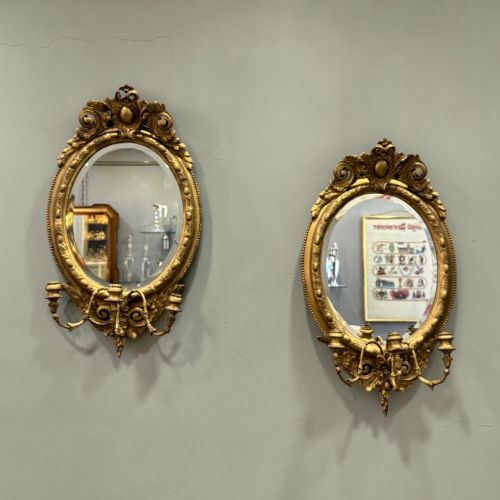
- A wall mirror equipped with attached candle sconces or arms. The candleholders multiply the available light by reflecting it across the glass plate.
Victorian Style Mirror: Frequently Asked Questions
Where should I hang an overmantel mirror?
These mirrors are traditionally positioned on the chimney breast directly above a fireplace mantel. Their generous horizontal proportions balance the hearth beneath them.
Alternatively, a large overmantel works effectively as a leaner mirror placed directly on the floor against a main wall. This placement maximises reflected light and creates a sense of expanded room depth.
How do I identify a Rococo Revival frame?
Rococo Revival frames display asymmetrical scrolls, C-scrolls, and naturalistic shell or floral motifs. The carved ornament feels fluid and energetic rather than strictly symmetrical.
These designs draw inspiration from French eighteenth-century aesthetics but were reinterpreted by nineteenth-century carvers using gesso and giltwood.
What is faux bamboo?
Faux bamboo refers to wooden frames carved or turned by hand to imitate the segmented stalks of natural bamboo. This decorative technique gained popularity during the nineteenth century under Asian design influences.
Makers applied this finish to smaller wall mirrors and occasional furniture to introduce exotic texture into domestic spaces.
Are these mirrors heavy?
Nineteenth-century mirrors constructed from solid timber, thick gesso, and heavy glass plates possess substantial weight. They require secure wall fixings anchored directly into masonry or solid studs.
Larger overmantel and leaner formats demand professional installation to support their considerable load safely.