




Victorian Style Gemstone Ring
A victorian style gemstone ring brings coloured stones and gold together in traditional settings that capture nineteenth-century tastes.
Victorian Style Gemstone Ring
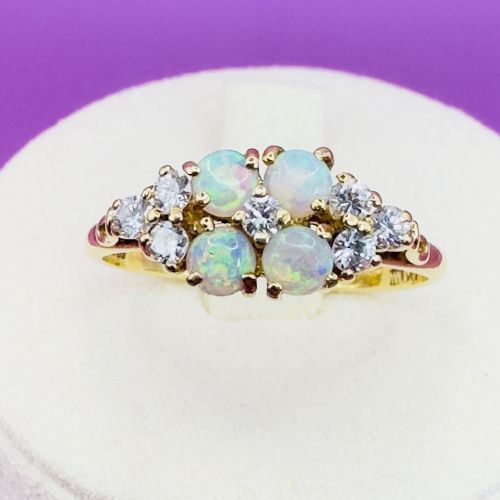
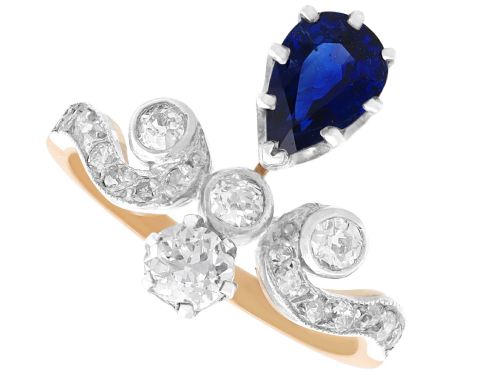
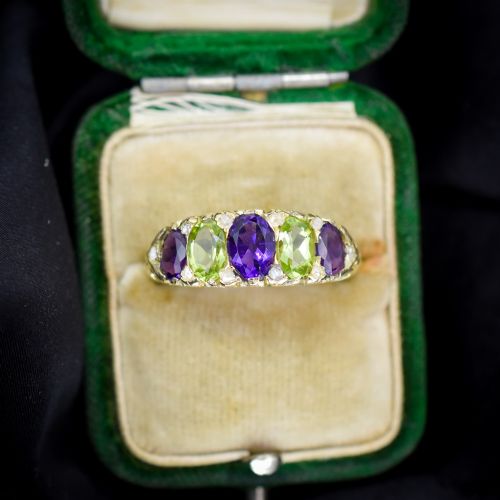
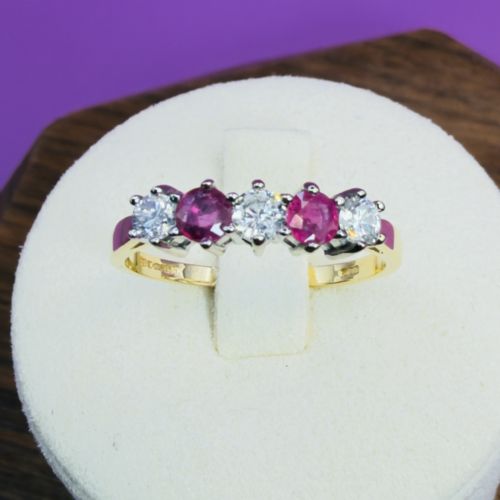
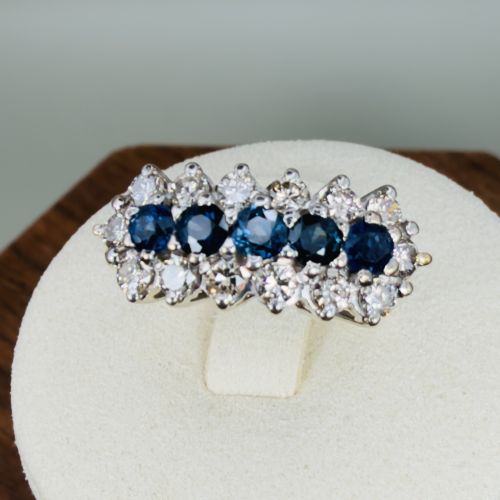
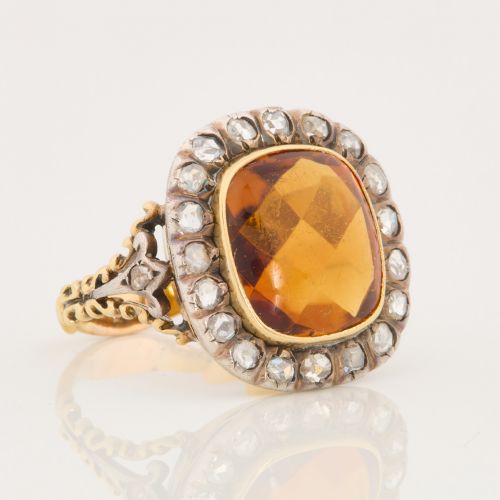
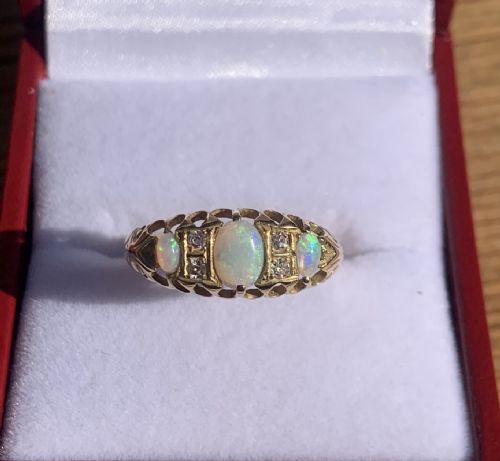
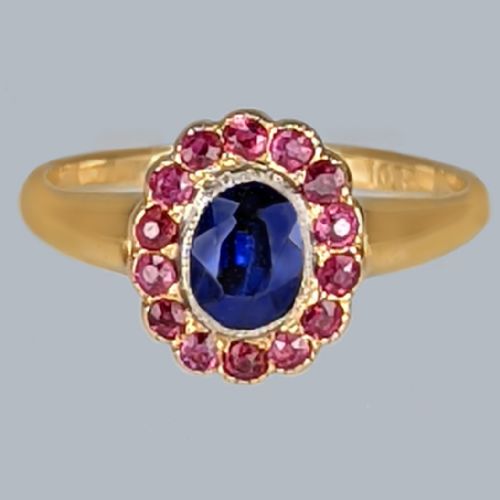
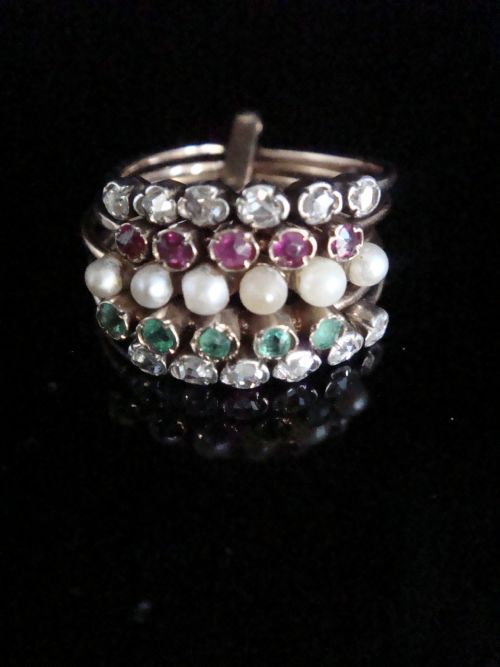
When you search for a victorian style gemstone ring, you encounter pieces that span genuine nineteenth-century examples alongside later revivals from the Edwardian and mid-century periods. These rings utilise classic configurations such as cluster, boat, five-stone, and trilogy formats that place coloured gems alongside diamonds in gold bands.
Materials and construction methods
These rings rely on gold as the primary metal, appearing in 9ct, 14ct, 15ct, and 18ct yellow or rose variations. Goldsmiths mounted stones using claw, bezel, and halo arrangements tailored to the specific geometry of the gem.
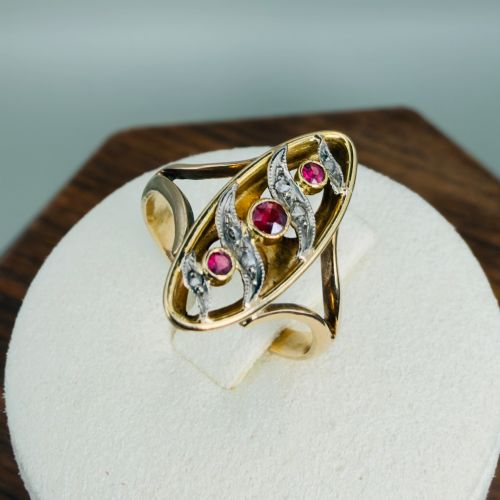
Maker techniques incorporate detailed handiwork such as navette shaping, serpent motifs, and multi-stone settings. Hallmarks stamped into the metal bands frequently indicate assay offices like Birmingham and London alongside specific production years.
Victorian Style Gemstone Ring Retail Price Guide 2026
Typical asking prices for victorian style gemstone ring among the pieces listed under this phrase on Sellingantiques today, from the lower quarter to the upper quarter. They describe what is for sale here now, not the wider market.
Among the serpents and clusters hides a double serpent ring, proving that Victorians liked their romance with a serpentine twist.
Assessing quality in period rings
Quality rests upon the natural characteristics and saturation of the central gemstones, whether they are amethyst, ruby, sapphire, opal, or emerald. Higher-tier examples display superior clarity and depth of colour paired with well-matched accent diamonds.
The integrity of the gold work and the preservation of original settings distinguish finer pieces. Structural robustness in delicate forms like boat rings and serpent designs ensures the piece withstands regular wear while retaining its decorative detail.
The Victorian Style Gemstone Ring Glossary
- Navette style
- A boat-shaped or marquise-like setting that tapers to points at either end. This elongated silhouette sits prominently across the finger.
- Cluster ring
- A central gemstone surrounded by a border of smaller stones, typically diamonds. This arrangement maximises visual impact and light reflection.
- Trilogy ring
- A three-stone ring representing the past, present, and future. It commonly pairs a central gem with two flanking stones.
- Boat ring
- A curved, boat-like mounting that arches gently across the finger. The design accommodates multiple stones in a graduating row.
- Hallmark
- An official stamp applied to precious metals indicating purity, origin, and assay office. These marks help date the ring accurately.
Victorian Style Gemstone Ring: Frequently Asked Questions
How do I care for a vintage opal ring?
Opals contain natural water content and require gentle handling to prevent drying or cracking. Avoid exposing them to harsh chemicals, ultrasonic cleaners, and sudden temperature changes.
Store the ring in a dedicated compartment away from harder gemstones that might scratch the surface. Clean the metal and stone gently with a soft, damp cloth.
Can these rings be resized easily?
Most gold rings can be altered by a skilled jeweller depending on the band design and engraving. Simple bands present straightforward adjustments.
Pieces featuring intricate shoulder work or continuous stones around the band require careful evaluation. Consult a specialist to preserve any historical hallmarks.
What is a suffragette ring?
Suffragette jewellery incorporates specific gemstone combinations representing the movement's colours. Green, white, and violet symbolise give women votes through emerald or peridot, pearls or diamonds, and amethyst.
These pieces date primarily from the late nineteenth and early twentieth centuries. They combine strong political symbolism with traditional gemstone craftsmanship.
How do I distinguish Victorian from Edwardian pieces?
Victorian rings often display heavier gold weights, warmer yellow hues, and robust romantic motifs such as serpents or turquoise clusters. Stones are frequently deep and saturated.
Edwardian pieces tend to favour lighter platinum accents, delicate filigree work, and brighter diamond clusters. The transition reflects shifting aesthetic preferences toward airier, lace-like mountings.