

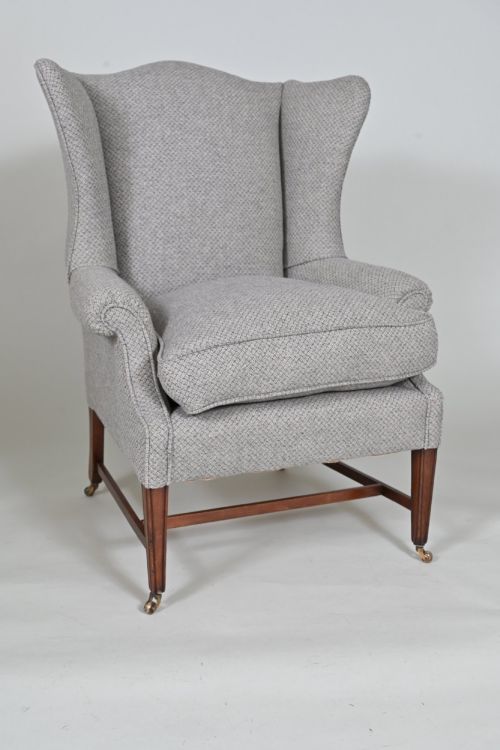
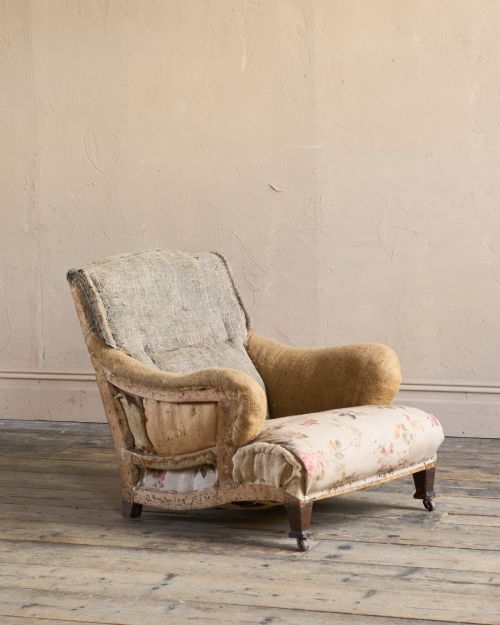
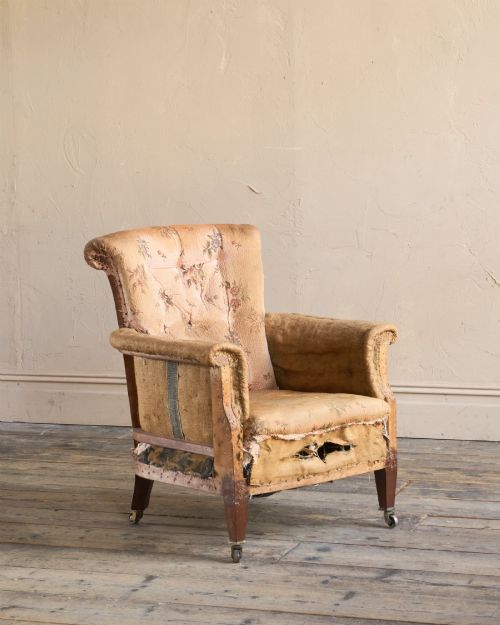
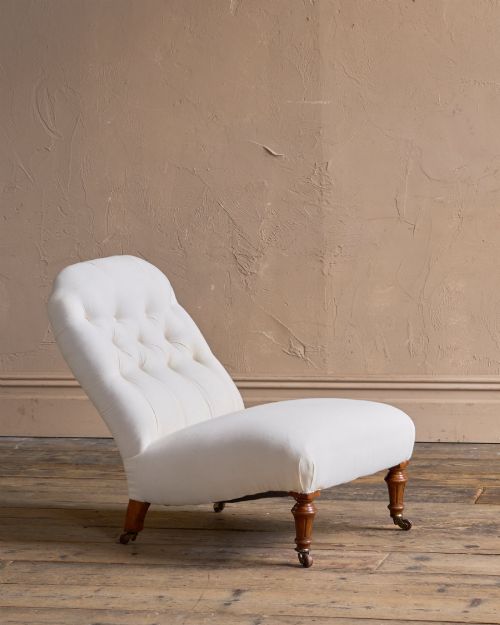
Victorian Style Chair
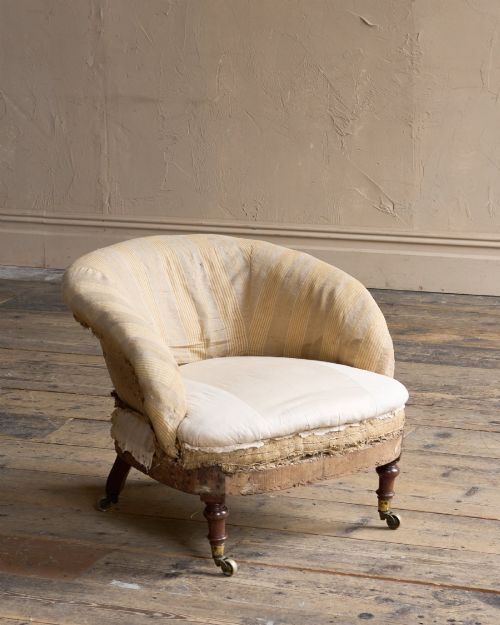
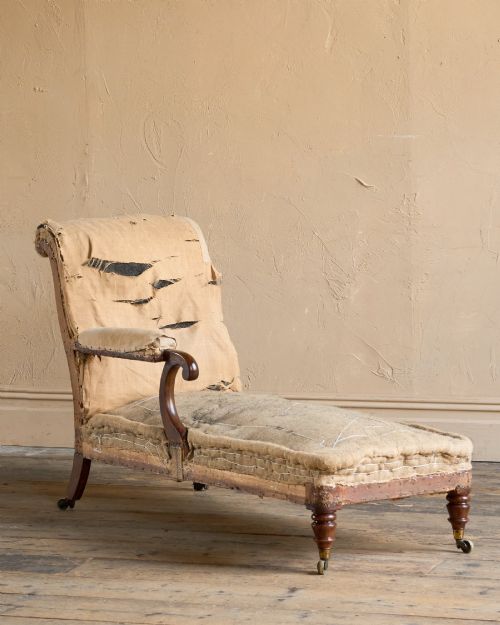
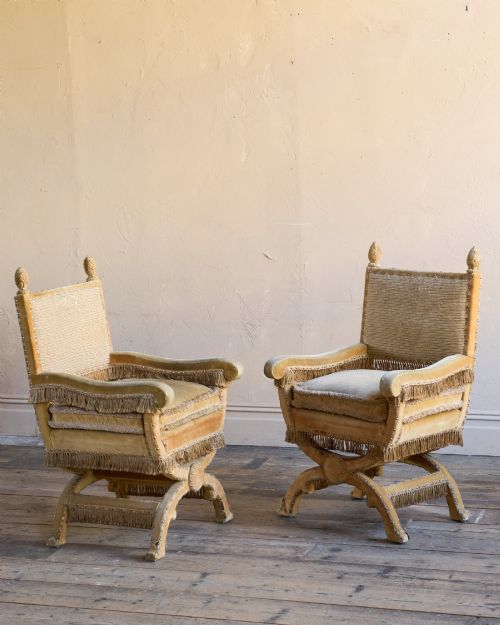
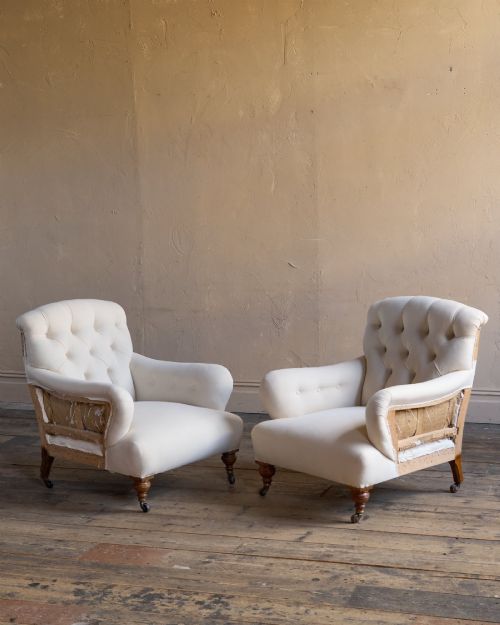
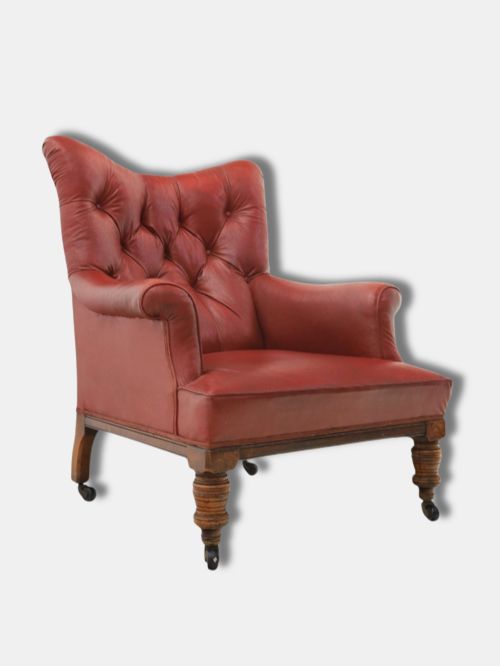
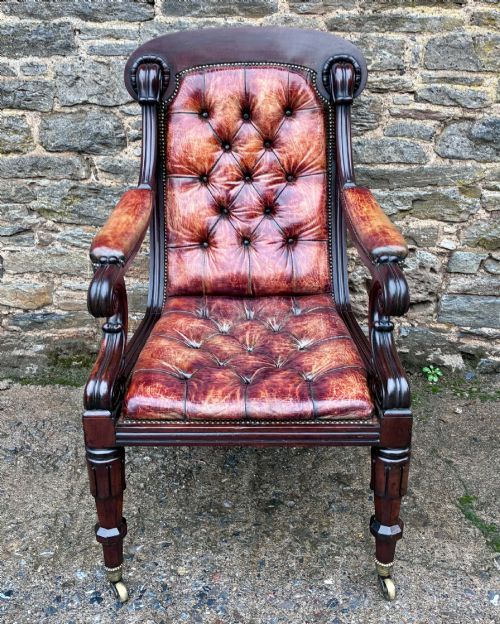
These Victorian style chair examples span sturdy kitchen windsors, carved walnut dining sets and upholstered library seating.
Victorian Style Chair
A victorian style chair encompasses the diverse seating produced during the nineteenth century, ranging from formal dining sets to functional library and desk furniture. The selection on this page demonstrates the period's preference for historical revivalism and robust domestic comfort.
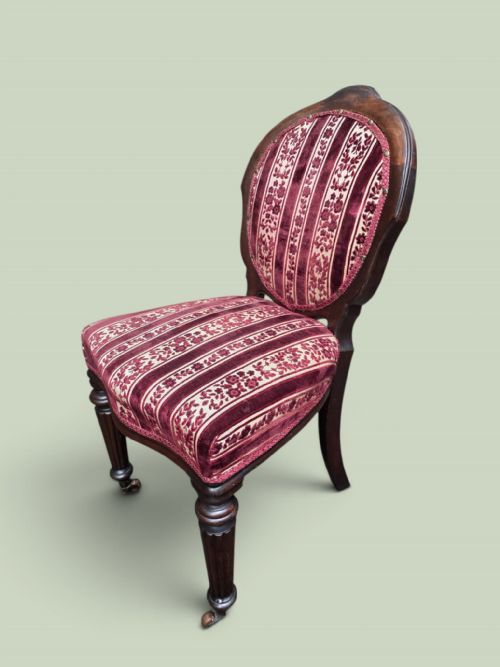
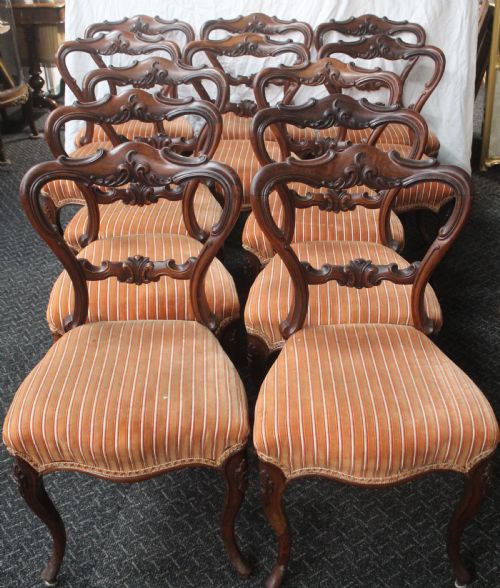
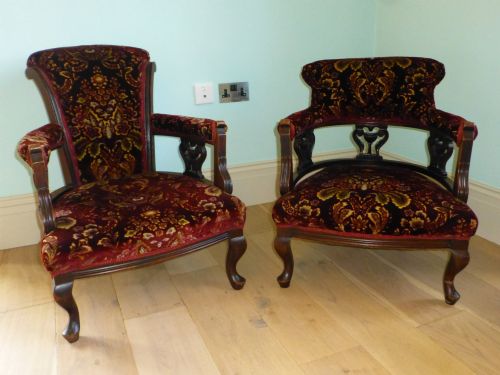
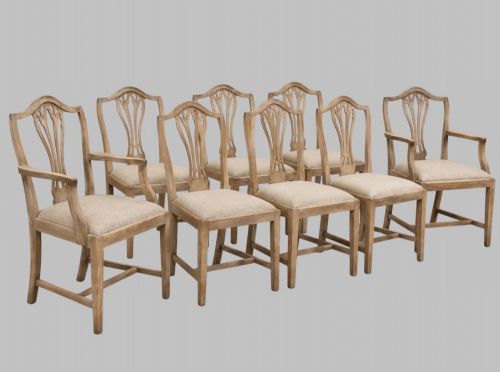
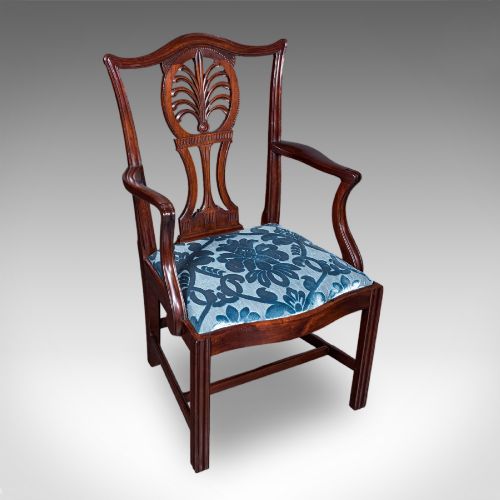
Buyers will encounter distinct forms including balloon back dining chairs, open armchairs, and heavy oak or mahogany carvers. Many pieces draw directly on earlier eighteenth-century designs such as Chippendale and Hepplewhite while incorporating Victorian proportions.
Seating extends beyond the formal parlour to include rustic Windsor kitchen chairs, Gothic revival hall chairs, and iron garden furniture. This variety ensures that options exist for both formal dining spaces and relaxed everyday rooms.
How they were made
Cabinetmakers relied heavily on dense hardwoods, utilising mahogany, walnut, and oak to construct durable frames that could support intricate hand-carved ornamentation. Secondary timbers such as elm and yew appear in regional Windsor seating.
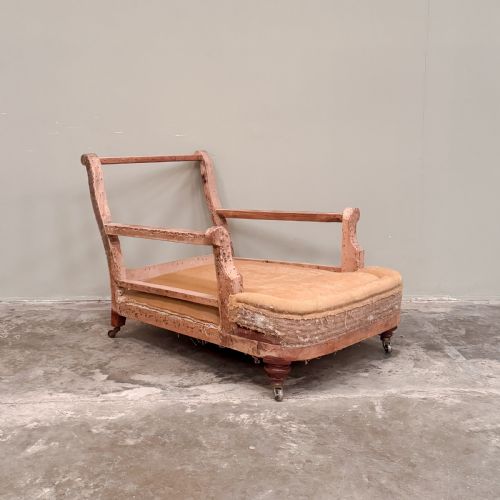
Upholstered items integrate traditional stuffing methods with quality coverings including leather, velvet, and woven fabric. Brass accents and mother-of-pearl inlay frequently decorate the more elaborate exhibition pieces and aesthetic movement designs.
Victorian Style Chair Retail Price Guide 2026
Typical asking prices for victorian style chair among the pieces listed under this phrase on Sellingantiques today, from the lower quarter to the upper quarter. They describe what is for sale here now, not the wider market.
The selection includes formal dining sets alongside campaign chairs and iron garden benches.
What varies in quality
Quality rests in the crispness of the timber carving and the structural integrity of the frame joints. Superior sets display uniform grain selection and careful hand-finishing across every component.
The distinction between standard domestic furniture and exceptional workshop production lies in the depth of the timber relief work and the original state of the upholstery supports. Matching sets carrying maker attribution command greater attention.
E.W Godwin·Philip Webb
The Victorian Style Chair Glossary
- Carver
- An armchair designed with arms, traditionally placed at the head of a dining table alongside matching side chairs. These often feature more elaborate carving on the crest rail.
- Windsor
- A wooden chair constructed with a solid saddle-shaped seat into which the legs and back spindles are wedged. These rely on steam-bent elements for their characteristic arched backs.
- Balloon Back
- A rounded, oval-shaped chair back resembling a balloon, which became a defining silhouette for Victorian dining seating during the mid-nineteenth century.
- Shield Back
- A chair back shaped in the outline of a heraldic shield, popularised during the eighteenth century and revived by Victorian makers inspired by Hepplewhite designs.
- Gothic Revival
- An architectural and decorative style drawing on medieval forms, featuring pointed arches, trefoils, and heavy structural timber.
Victorian Style Chair: Frequently Asked Questions
How do I identify a Victorian chair?
Examine the timber choice, construction methods, and stylistic revival cues. Mahogany, walnut, and oak predominate, often shaped into balloon backs or heavily carved frames.
Look closely at the joinery and turning beneath the seat. Nineteenth-century pieces typically utilise hand-cut joinery and period-appropriate hardware rather than modern fixings.
Are these chairs suitable for daily dining?
Many sets were built for robust domestic use and remain entirely practical for contemporary dining rooms. Solid hardwood frames provide lasting stability.
Consider the seat height and depth relative to modern dining tables. Some nineteenth-century seats sit lower than contemporary standards.
How do I care for antique wood?
Keep wooden furniture away from direct heat sources and strong sunlight to prevent the timber from splitting. Regular dusting with a soft cloth preserves the polish.
Apply a quality beeswax polish occasionally to nourish the surface of mahogany and walnut without building up heavy residue.