

Victorian Style Artwork
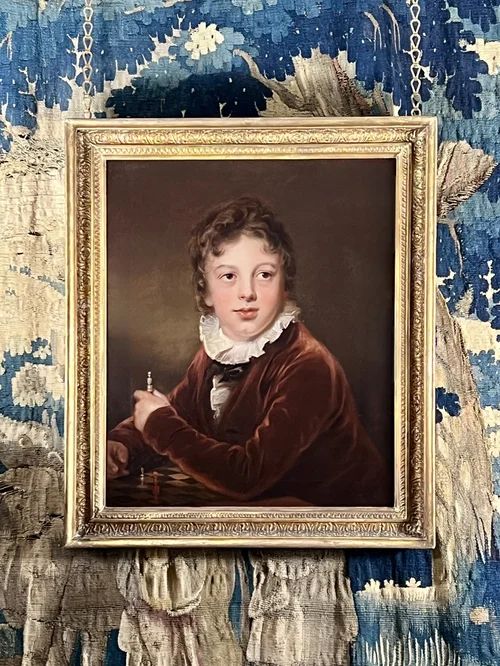
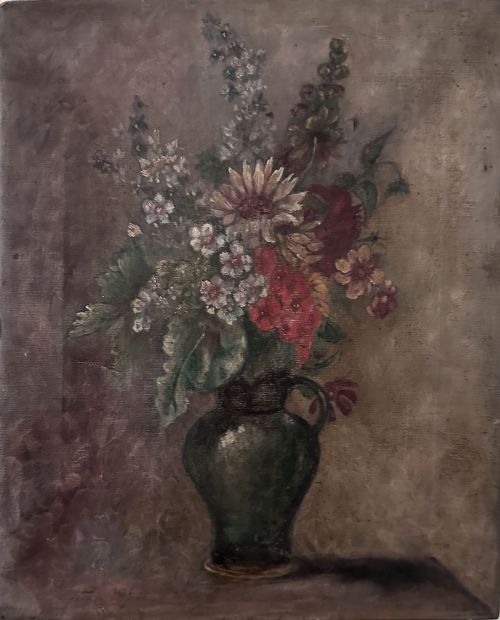
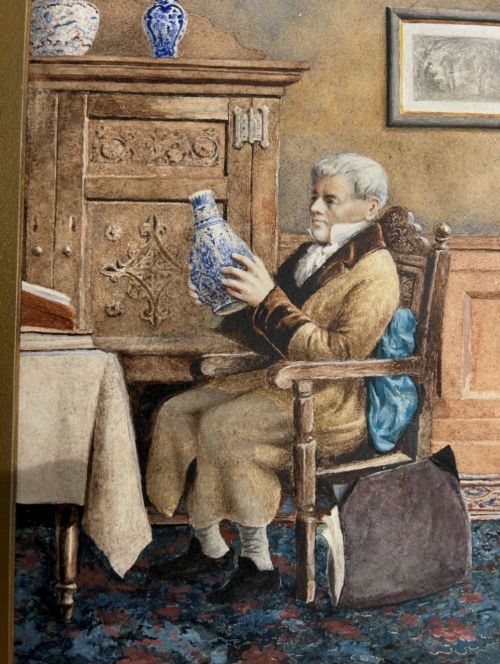
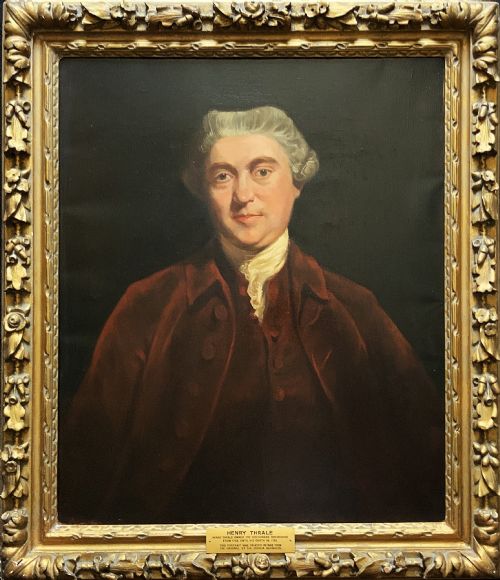
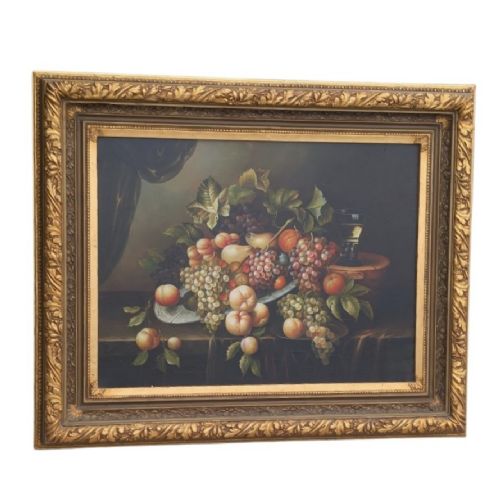
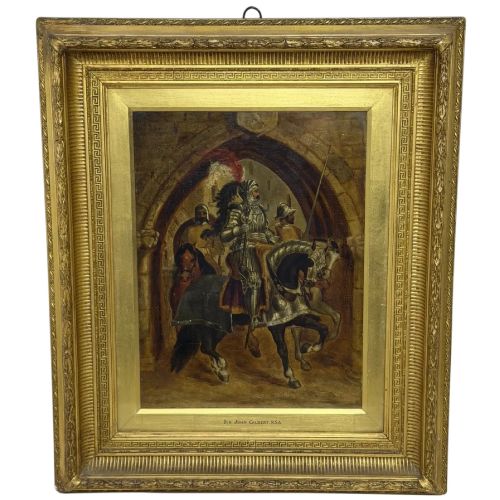
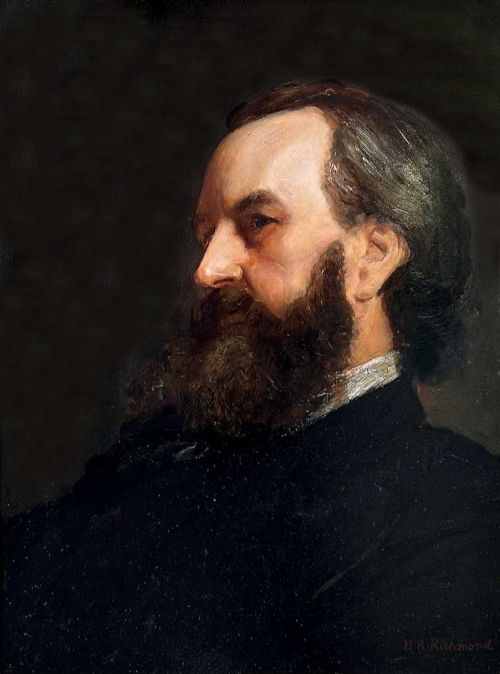
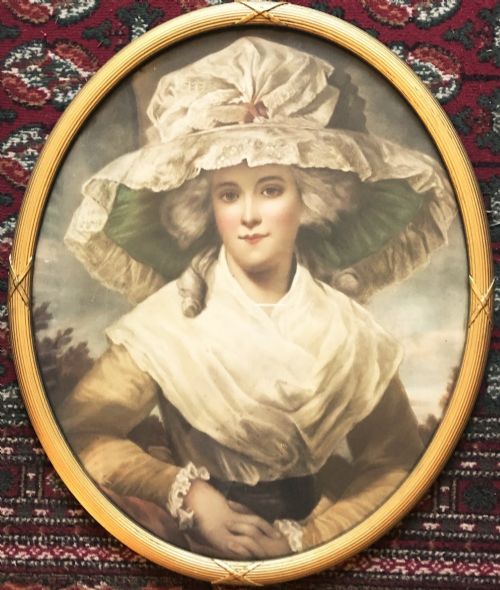
These pieces of victorian style artwork capture the rich portraiture and narrative scenes characteristic of the nineteenth century.
Victorian Style Artwork
Victorian style artwork encompasses oil paintings, watercolours, and charcoal drawings produced across the nineteenth century and subsequent revival periods. These pieces include romantic landscapes, detailed character portraits, and historical scenes reflecting academic and folk traditions.
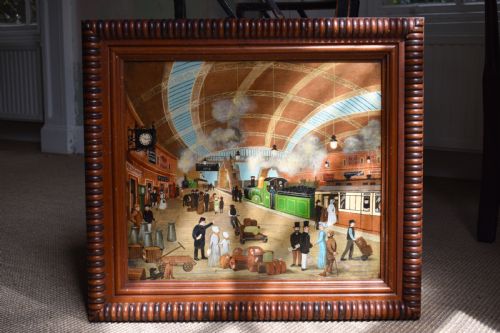
Buyers frequently encounter framed oil paintings on canvas and paper drawings originating from the 1850s through to the turn of the twentieth century. The selections range from intimate coastal gatherings to classical portraiture.
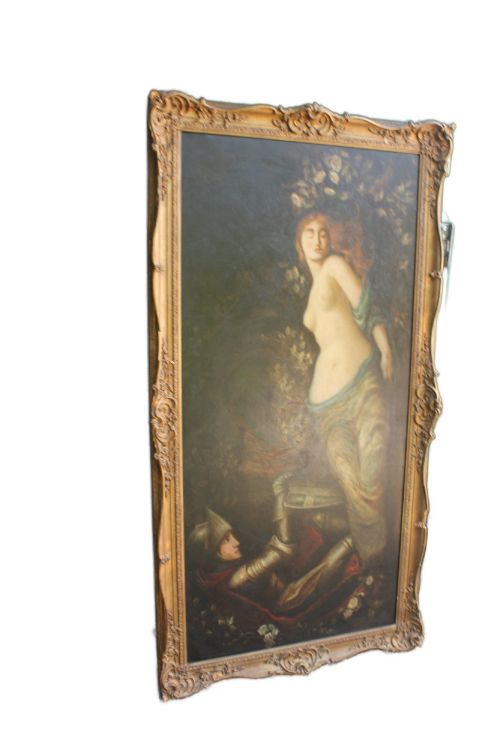
Works span various influences, including Pre-Raphaelite compositions, Post-Impressionist seaside studies, and Barbizon-influenced landscapes. Each item demonstrates the diverse visual output associated with the period.
Materials and execution
Artists relied primarily on oil on canvas, watercolour, and charcoal on paper or canvas to create their imagery. Pigments were frequently applied with traditional brushwork techniques to achieve depth in landscapes and portraits.
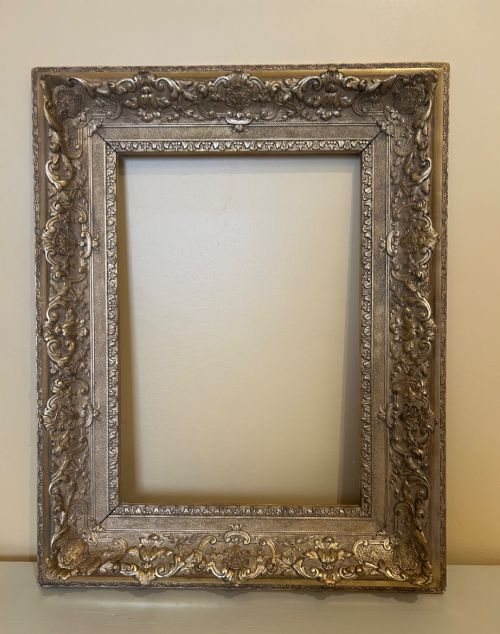
Frames incorporate gilt wood, gesso, and glass glazing to protect and display the paper or canvas works. These decorative enclosures form an integral part of the physical presentation.
Draftsmanship is evident in pencil underdrawings, gouache highlights, and pastel applications on canvas. The physical construction combines sturdy wooden stretchers with layered preparatory grounds.
Listings feature oil paintings, watercolours, and charcoal drawings from the nineteenth century.
Distinctions in quality
Quality rests upon the precision of the draftsmanship, the handling of light and shadow, and the depth of the composition. Skilled tonal balance distinguishes accomplished studio pieces from simpler folk or naive works.
The preservation of the original canvas, paper, and framing materials influences the standing of a piece. Intricate gesso mouldings and well-maintained gilt surfaces enhance the overall integrity of the presentation.
Richard Sebastian Bond·Dumini Leopoldo·Henry Stacy Marks·Sir Joshua Reynolds·Leon Sprinck·Samuel De Wilde·Gian Paolo Pace·Sir John Gilbert·William Blake Richmond·Herbert Gustave Schmaltz·Nicholas Condy·Alfred Arthur Brunel de Neuville·Miles Birkett Foster·Philip Richard Morris·André Charles Voillemot·Alice Anne Renshaw·Thomas Sidney Cooper
The Victorian Style Artwork Glossary
- Gesso
- A plaster-like mixture applied to wood frames before gilding. It provides a smooth base for intricate decorative mouldings.
- Photogravure
- A printmaking process that produces photographic images from an engraved copper plate. It offers tonal richness similar to an original photograph.
- Pre-Raphaelite
- An artistic movement focused on detailed observation of nature and bright colours. It draws inspiration from fifteenth-century Italian art.
- Pastel
- A medium consisting of powdered pigment and a binder formed into a stick. It produces rich, velvety colours on paper or canvas surfaces.
Victorian Style Artwork: Frequently Asked Questions
What defines nineteenth-century portraiture?
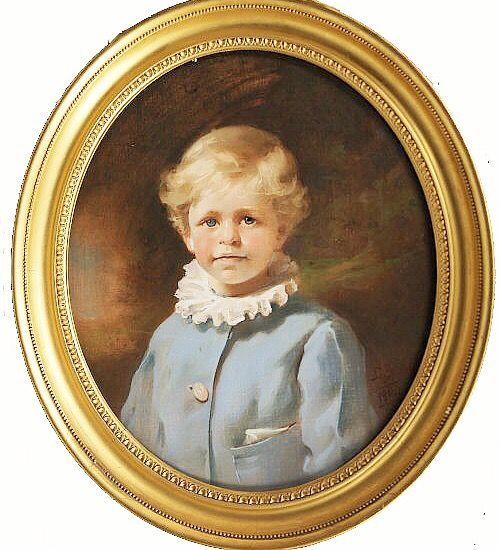
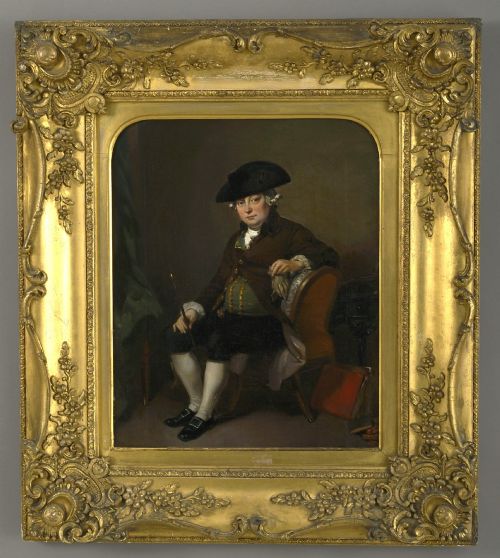
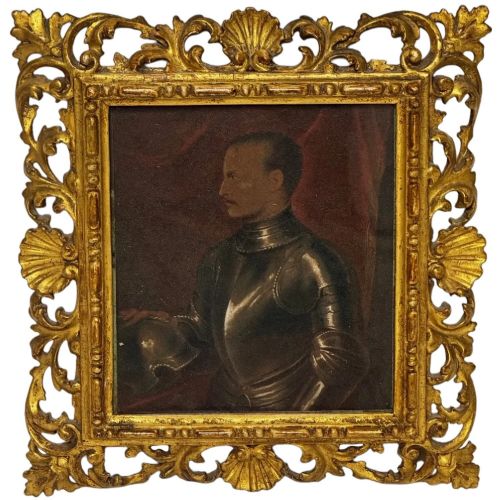
Nineteenth-century portraiture focuses on realistic depiction of sitters, often incorporating dramatic lighting and detailed period costume. Artists utilised oil on canvas or pastel to capture individual likenesses and character.
Subjects ranged from historical militia figures and actors in character to children and nobility. These works reflect the academic conventions and romantic ideals prevalent during the era.
How are charcoal drawings mounted?
Charcoal drawings from this period are typically executed on paper or prepared canvas surfaces. They frequently utilise fixatives to preserve the delicate carbon marks.
Many examples are preserved behind glass within wooden frames to protect the fragile medium from environmental damage.
What are Barbizon-influenced landscapes?
Barbizon-influenced landscapes emphasise atmospheric conditions, natural light, and rustic scenery. Painters working in this style sought a direct connection with the English or European countryside.
These pieces often feature muted tonal palettes and visible brushwork that capture the changing moods of forests and riverbanks.
How do you date a gilded frame?
Gilded frames are dated by the composition of the underlying gesso, the style of the wooden moulding, and the fastening techniques used at the corners. Victorian frames often feature elaborate moulded ornamentation.
Examining the backing boards and nail types provides additional clues regarding the age of the framing assembly.