




Victorian Stopper Bottle
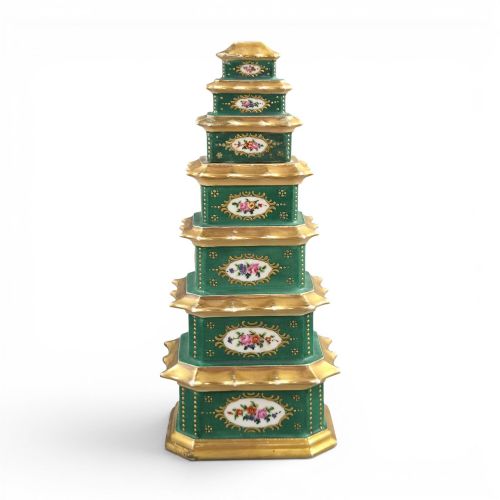
A victorian stopper bottle brings tactile weight and rich colour to a room, functioning as a small piece of functional glass or silver artistry from the nineteenth century.
Victorian Stopper Bottle
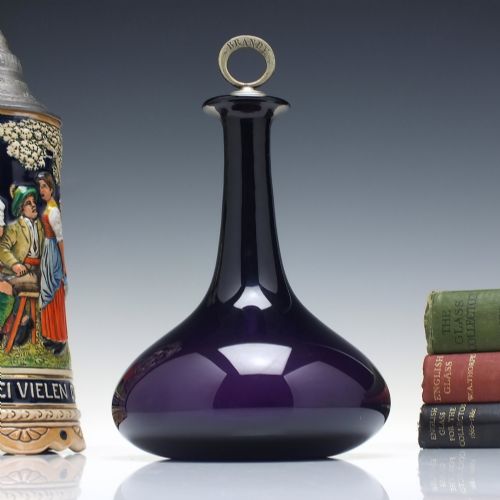
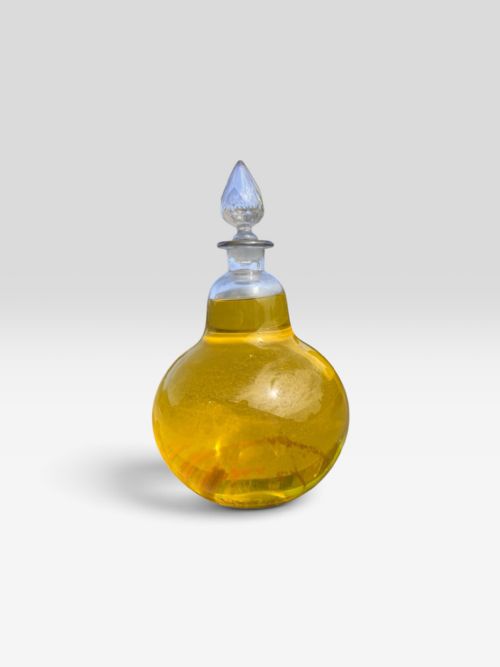
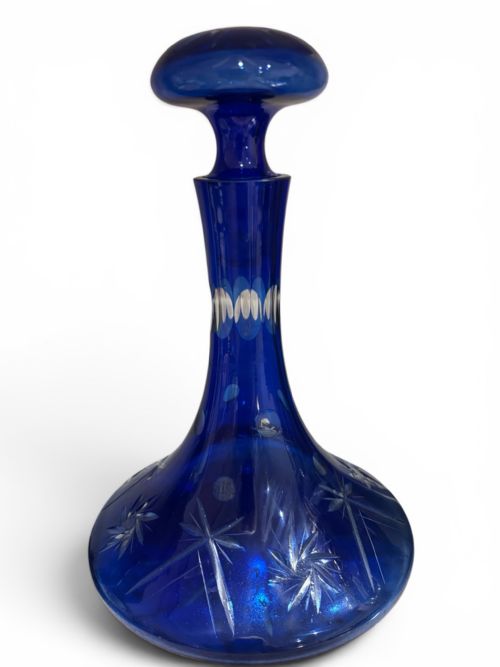
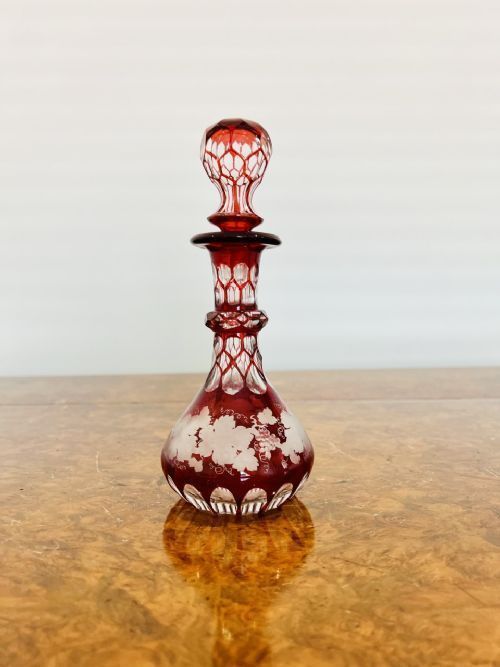
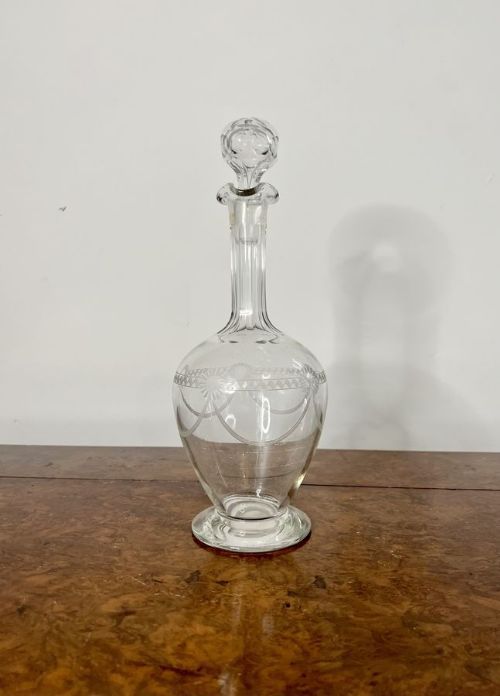
When searching for a victorian stopper bottle, a buyer encounters a diverse range of items including decanters, apothecary jars, perfume bottles, and standalone bottle stoppers designed to seal spirits and scents securely. The pieces span the nineteenth century, with forms appearing in clear glass, cut crystal, and striking coloured glass like cranberry, Bristol blue, and deep amethyst.
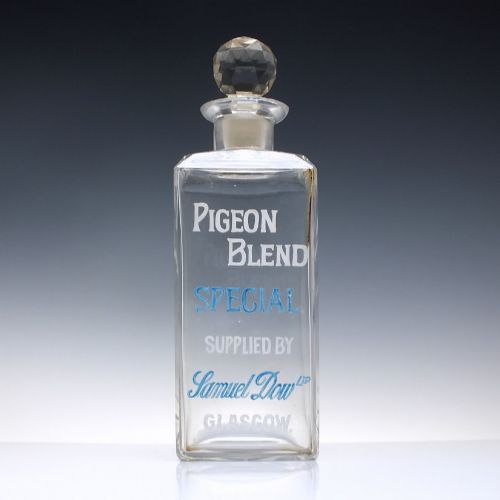
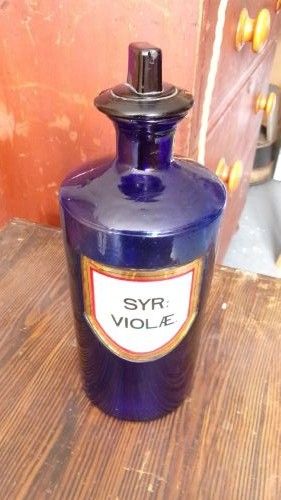
Many examples take the form of heavy spirit decanters with matching blown stoppers, while others include pharmacy carboys and small scent flasks fitted with silver collars. French and Bohemian influences sit alongside English productions, showing variations from simple blown shapes to elaborate etched and enamelled surfaces.
Stand-alone bottle stoppers also feature prominently, often fashioned from solid silver with novelty figures such as cats or revellers. Buyers are most likely to meet decanters and chemist bottles displaying distinct period characteristics like shaft and globe profiles or lollipop stoppers.
Materials and Working Methods
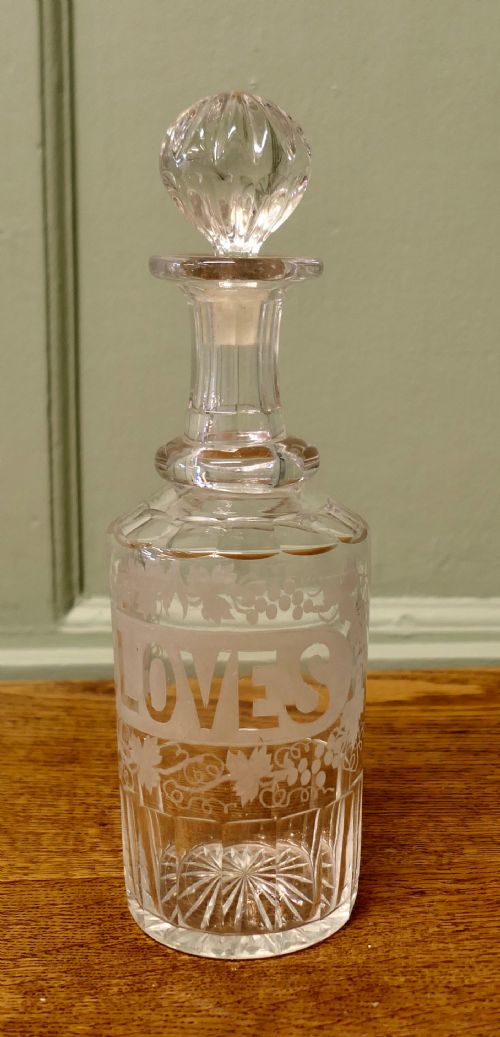
Makers fashioned these pieces primarily using glass and lead crystal, shaped through hand blowing, optical blowing, or heavy cutting to catch the light. Skilled hands applied techniques like overlay, where a coloured glass layer sits over clear glass before cutting through to reveal the contrast beneath.
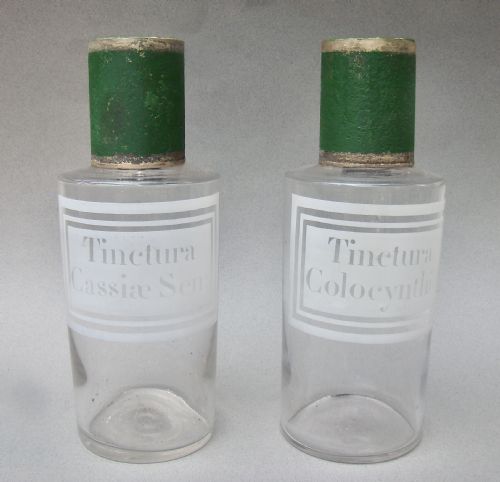
Metal components also played a central role, incorporating silver plate, gold leaf, and hallmarked silver mounts or collars. Enamelling and acid etching frequently decorated the glass surfaces, adding intricate floral patterns or bold lettering for Scottish whisky decanters and apothecary jars.
Some Victorian wine bottle stoppers depict silver cats wearing sandwich boards and drunken revellers celebrating late into the night.
Factors That Distinguish Quality
Quality rests upon the clarity and weight of the glass, alongside the precision of the cut facets and the snugness of the original stopper fit. Finer decanters display hand-blown optical effects and well-balanced proportions rather than heavy, industrial moulding.
The integration of precious metals marks the upper tier, where hallmarked silver mounts, detailed silver stoppers, or crisp hand-painted enamel work elevate simple utilitarian vessels into decorative objects of note.
James Powell·Jacob Petit·Stevens and Williams·Joseph Angell·Charles Reily and George Storer
The Victorian Stopper Bottle Glossary
- Lollipop Stopper
- A flat, circular glass stopper resembling a lollipop, frequently found on large chemist and apothecary bottles. It provides a tight seal for volatile contents.
- Carboy
- A large, bulbous glass vessel used in pharmacies and laboratories for holding liquids. These items often feature thick, hand-blown walls and substantial proportions.
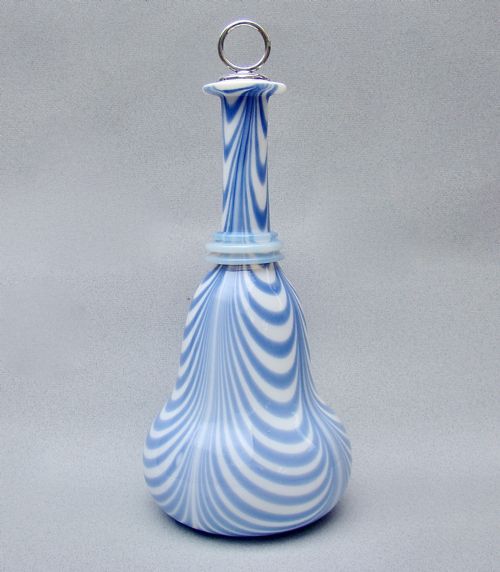
- Nailsea Glass
- A distinctive type of glass characterised by looped or splashed threads of white or coloured glass within a clear or tinted body. It originated in the Somerset glassworks.
- Silver Plate
- A thin layer of silver fused to a base metal core, commonly utilised for decorative collars and wine bottle stands. It offers the appearance of solid silver at a different cost.
- Overlay
- A technique involving two or more distinct layers of glass fused together before cutting away the outer layer to expose the contrasting colour underneath.
Victorian Stopper Bottle: Frequently Asked Questions
How do I know if the stopper is original?
An original stopper typically shares the exact shade, wear patterns, and grinding marks of the neck it inhabits. Many antique pieces show matching numbered markings or slight irregularities that confirm they were ground together during manufacture.
Looking closely at the base of the stopper and the interior rim of the neck reveals corresponding frosted glass textures. If the fit is loose or the colour diverges sharply, the stopper likely belongs to a different vessel.
What were apothecary bottles used for?
Chemist and apothecary bottles held liquid medicines, volatile compounds, and dry ingredients in nineteenth-century dispensaries. Their dark glass protected sensitive contents from degrading sunlight.
Large carboys sat in shop windows to signal the trade, while smaller labelled bottles lined wooden shelves behind the counter. Today, these vessels survive as striking decorative objects displaying rich colours like cobalt and emerald.
Can I use these bottles for serving wine?
Many nineteenth-century decanters function perfectly well for decanting modern red wines and spirits. Checking the interior for heavy cloudiness or residue ensures the vessel is clean enough for consumption.
Silver-mounted or enamelled pieces demand hand washing rather than immersion in water to protect the metal and glass bonds. Using them daily brings historic craftsmanship into active contemporary use.