




Victorian Sterling Tray
A victorian sterling tray brings genuine silver weight and period craftsmanship to a desk, dressing table, or serving surface.
Victorian Sterling Tray
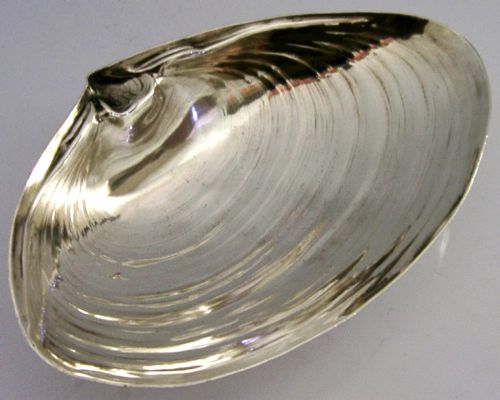
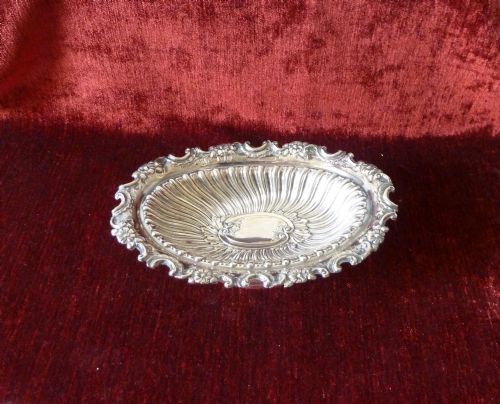
A victorian sterling tray encompasses an array of functional silverware ranging from small trinket dishes and bonbon dishes to large serving salvers and elaborate desk inkstands. Most pieces encountered on this page date from the nineteenth century, including specific years like eighteen seventy-eight, eighteen ninety, and eighteen ninety-eight.
Forms include oval serving dishes, heart dishes, jewellery bowls, fruit baskets, and double inkstands complete with chambersticks. Origins span London, Sheffield, Birmingham, and Chester hallmarkers, alongside Indian colonial examples and Irish silver variations.
How they were made
Makers shaped these items from solid sterling silver, silver plate, and cut glass, often incorporating velvet and satin linings within presentation cases. Metalworking techniques involved piercing, casting, and repoussé detailing to achieve rococo revival curves and intricate borders.
Assay office hallmarks stamped into the silver record the assay town, date letter, and standard, providing a reliable guide to the metal composition and year of manufacture.
Victorian Sterling Tray Retail Price Guide 2026
Typical asking prices for victorian sterling tray among the pieces listed under this phrase on Sellingantiques today, from the lower quarter to the upper quarter. They describe what is for sale here now, not the wider market.
Listings feature nineteenth-century materials including sterling silver, cut glass, velvet, and satin across various regional assay offices.
What varies in quality
Quality rests in the crispness of the chased decoration and the structural integrity of pierced galleries and handles. Substantial gauge silver provides a reassuring weight and prevents distortion of the tray or dish over time.
The distinction between standard production items and workshop pieces by notable silversmiths influences the character of the chasing and the precision of the engraved monograms or crests.
William Comyns·James Hennell·Martin Hall·Charles Boyton·Robert Garrard·Elkington and Co·Tiffany and Co
The Victorian Sterling Tray Glossary
- Sterling silver
- An alloy comprising ninety-two point five percent silver by mass, with the remainder being other metals, usually copper. This standard composition guarantees the purity of the metal.
- Salver
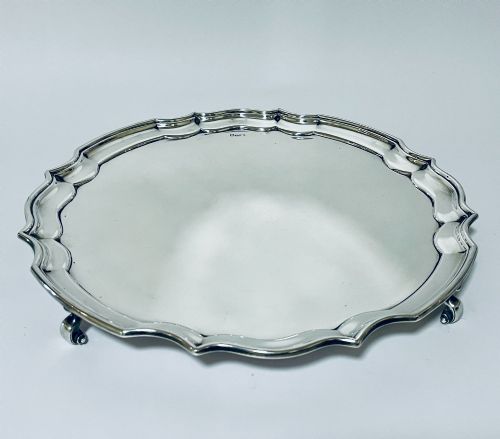
- A flat tray, typically made of silver and supported on feet, used for presenting items or serving drinks. Larger examples often feature substantial cast borders.
- Hallmark
- An official mark stamped on items made of precious metals in the United Kingdom. It certifies the standard of purity and identifies the assay office and maker.
- Repoussé
- A metalworking technique in which a malleable metal is ornamented or shaped by hammering from the reverse side. This creates raised relief designs on the surface.
- Pierced work
- A decorative technique involving the cutting or piercing of openings through the metal sheet. It creates openwork patterns common on baskets and sweetmeat dishes.
Victorian Sterling Tray: Frequently Asked Questions
How do I clean a silver tray?
Use a specialised silver polish and a soft cloth to remove tarnish without abrading the metal surface. Avoid harsh chemical dips that strip the natural dark patina from recessed areas.
Wash the piece in warm soapy water and dry thoroughly after polishing to maintain the finish.
Can I use these trays daily?
Solid silver is durable enough for regular daily use on a desk or dressing table. Take care to avoid abrasive scouring pads and acidic foods that might pit the metal.
Store items safely when not in use, particularly pieces lined with original velvet or satin.
What is the difference between a tray and a salver?
Salvers are typically circular trays raised on small feet, traditionally used for serving beverages or presenting visiting cards. Flat trays without feet serve various domestic functions, from vanity organisation to desk storage.
Both forms utilise sterling silver or silver plate within nineteenth-century manufacturing traditions.
How do I read the date letter?
British silver hallmarks include a specific letter stamp that corresponds to the exact year the item was assayed. Reference charts for London, Sheffield, Birmingham, and Chester offices match the letter font and shield shape to the manufacturing date.
Additional marks indicate the lion passant for sterling standard and the maker's registered punch.