

Victorian Sterling Silver Chain
These pieces of victorian sterling silver chain range from sturdy pocket watch albert chains to delicate collars, offering enduring craftsmanship and distinct period character.
Victorian Sterling Silver Chain
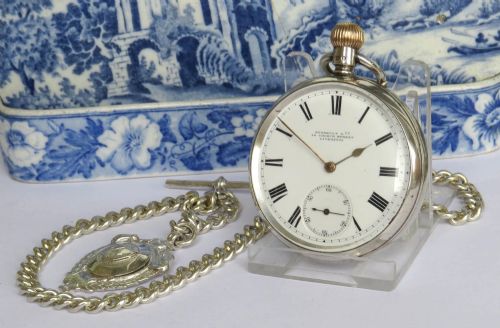
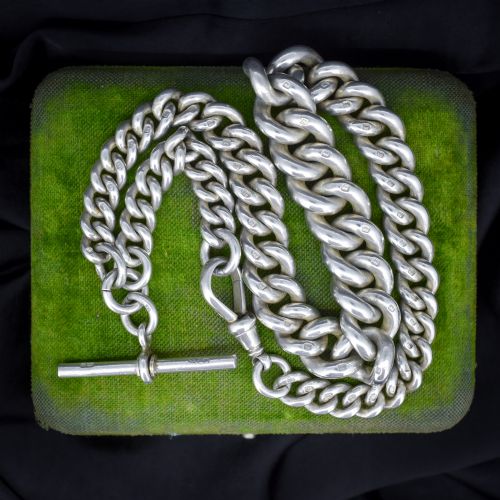
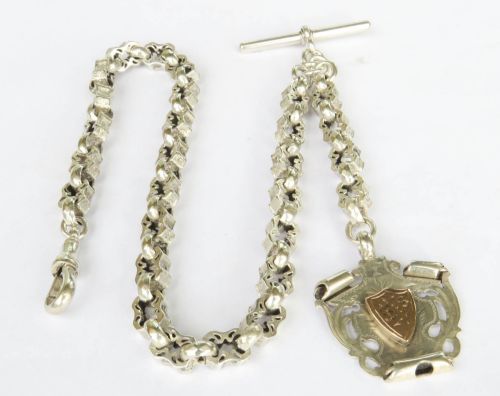
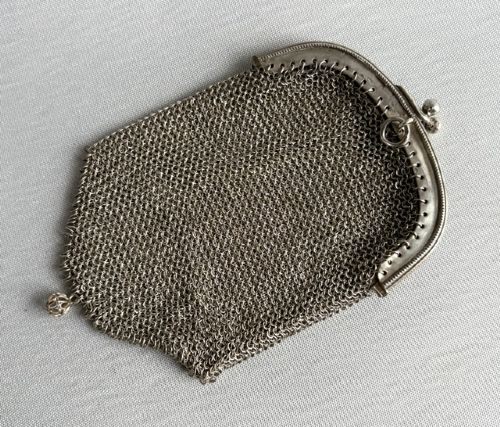
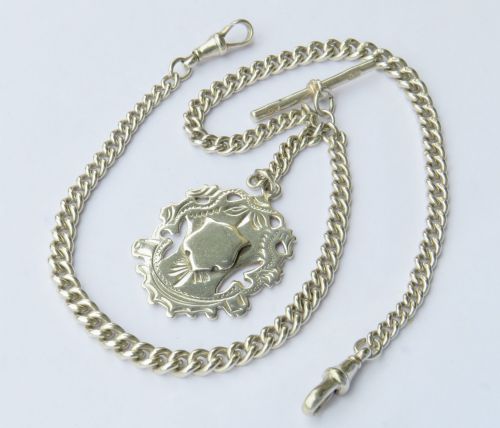
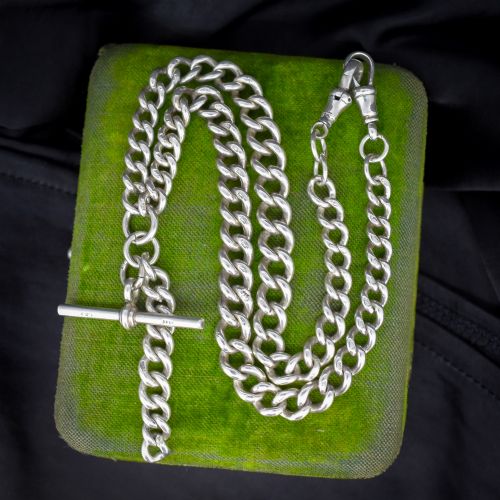
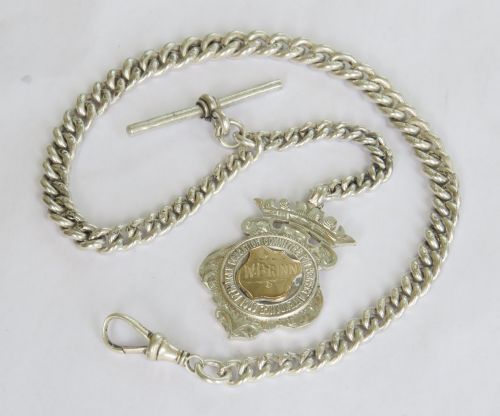
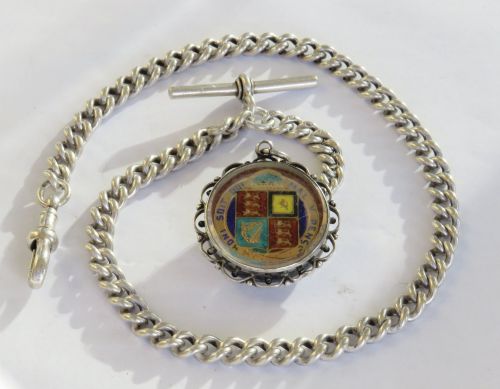
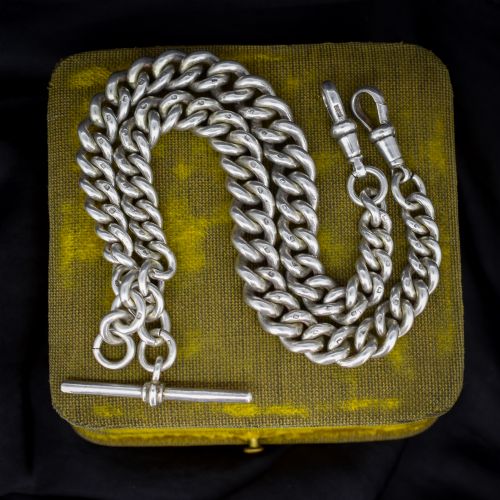
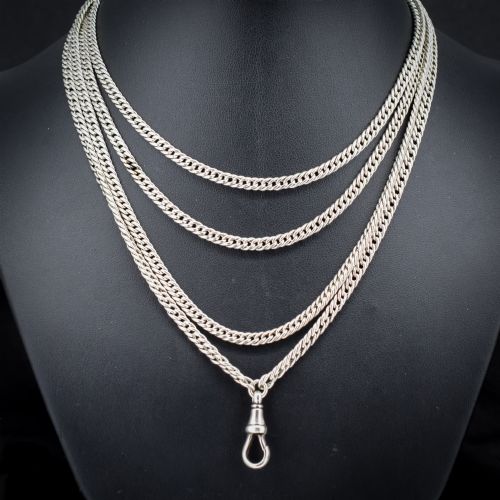
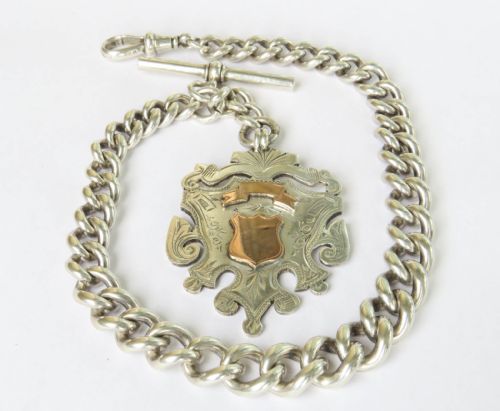
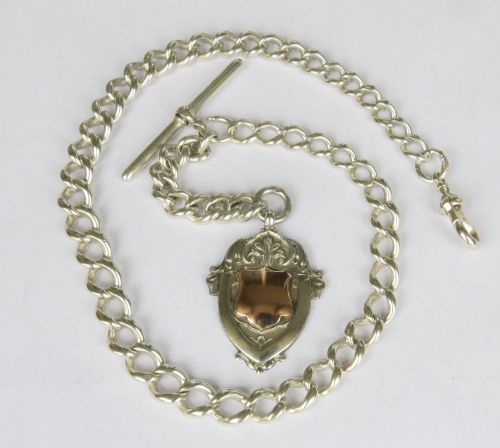
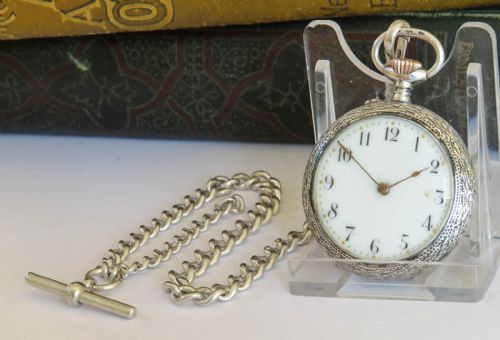
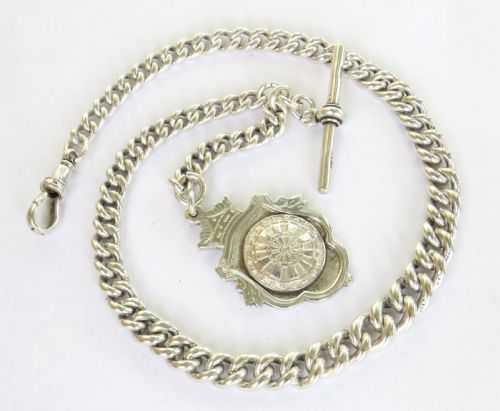
A victorian sterling silver chain typically takes the form of a pocket watch albert chain, curb link necklace, or ornate collar designed for personal adornment and utility. Many examples incorporate traditional components such as T-bars, dog clips, and swivel fobs that reflect their original function.
The pieces available span the nineteenth century and extend into the early twentieth century, showing styles from plain utilitarian links to elaborate Victorian aesthetic designs. Buyers will frequently encounter double albert chains, heavy curb links, and varied ornamental bracelets.
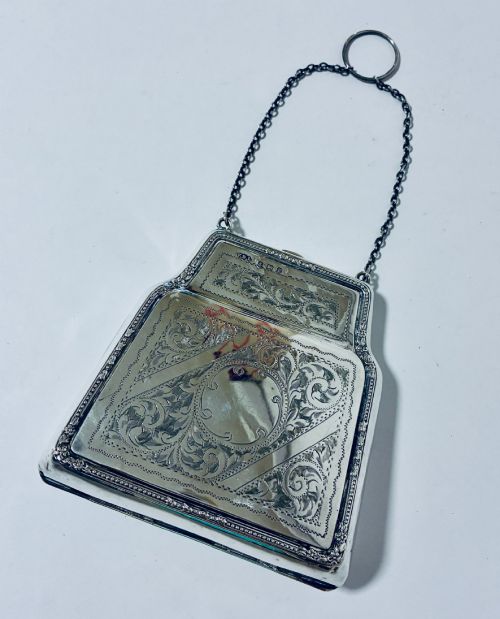
Beyond standard neckchains, the selection encompasses chatelaines, sautoir guard chains, and specialised collar link chains with fringe or bead details. These versatile items bridge the gap between historical horological accessories and wearable antique jewellery.
How they were made
Silversmiths utilised sterling silver wire and sheet metal, forming individual links by hand or employing early mechanical stamping for uniform patterns such as curb, trombone, and figaro links. Many components show meticulous hand-engraving, chased surface patterns, and soldered attachments.
Assemblies frequently integrate functional silver hardware including spring-loaded dog clips, swivel connectors, and solid T-bars designed to secure timepieces or keys. Accents of gold, enamel, glass, or rose gold are occasionally applied to highlight specific links and attached fobs.
Victorian Sterling Silver Chain Retail Price Guide 2026
Typical asking prices for victorian sterling silver chain among the pieces listed under this phrase on Sellingantiques today, from the lower quarter to the upper quarter. They describe what is for sale here now, not the wider market.
Among the functional fobs are tiny silver thimble buckets and novelty striker tinder boxes designed to keep nineteenth-century fingers equipped.
What varies in quality
The substance and weight of the metal distinguish utilitarian pieces from elaborate presentation items, with heavier gauge links providing a more substantial feel. The intricacy of the link design, from simple uniform curbs to complex trombone and love knot patterns, marks the standard of manufacture.
Completeness of original components, such as matching dog clips, functional T-bars, and associated fobs like lockets or vests, influences the integrity of the piece. The clarity of hallmarks stamped into the silver links and components indicates the origin and standard of the metal.
The Victorian Sterling Silver Chain Glossary
- Albert chain
- A type of watch chain designed to attach a pocket watch to a waistcoat or garment, featuring a T-bar at one end and a drop for a fob. These were widely worn by men and women during the nineteenth century.
- T-bar
- A short transverse bar attached to a watch chain, used to pass through a buttonhole and secure the chain. It remains a defining feature of many antique albert chains.
- Dog clip
- A spring-loaded swivel clasp used on watch chains to fasten pocket watches, fobs, or charms securely. This mechanism allows the attached item to rotate without twisting the chain.
- Albertina
- A multi-strand variation of the albert chain, typically finer and more decorative, often worn as a bracelet or necklace. They frequently incorporate tassels and small slide ornaments.
- Vesta case
- A small pocket container designed to hold matches, often matching the silver chain or suspended from it alongside a pocket watch.
Victorian Sterling Silver Chain: Frequently Asked Questions
How do I wear a pocket watch chain as a necklace?
Many double and single albert chains feature lengths that allow them to be fastened around the neck using the dog clip and T-bar as a clasp.
Leaving the T-bar or swivel fob to drop as a decorative pendant creates an authentic period look using original hardware.
What is the difference between a curb link and a trombone link?
Curb links consist of uniform, slightly flattened interlocking links that lie flat against the skin or clothing for a classic appearance.
Trombone links combine alternating long rectangular bars with smaller circular rings, creating a distinctive geometric rhythm popular in the nineteenth century.
Were these chains made exclusively for men?
While traditional albert chains were originally utilised by men to secure pocket watches to waistcoats, many variations were adapted by women.
Shorter collars, finer albertinas, and sautoir guard chains were specifically worn as necklaces and bracelets by women of the period.
How can I identify the period of a silver chain?
Hallmarks stamped onto the links, dog clips, or T-bars provide assay office marks and date letters that indicate the exact year of manufacture.
Stylistic elements such as aesthetic period engraving or the presence of specific fob attachments like sovereign cases also help narrow down the date.