



Victorian Sterling Mug
When you handle a victorian sterling mug, you hold a tangible piece of nineteenth-century silver craftsmanship designed to mark childhood milestones or daily refreshment.
Victorian Sterling Mug
A victorian sterling mug typically takes the form of a small vessel intended for christening gifts or general use, frequently appearing alongside larger pint tankards in the surviving record. These silver pieces date primarily from the nineteenth century, spanning decades from the eighteen-forties through the end of the Victorian era and into the Edwardian period.
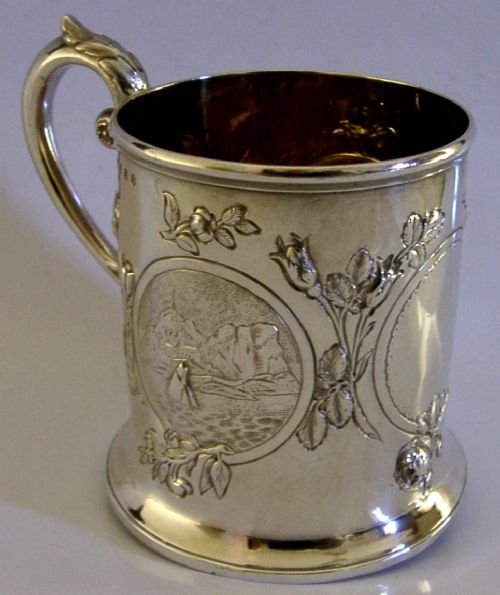
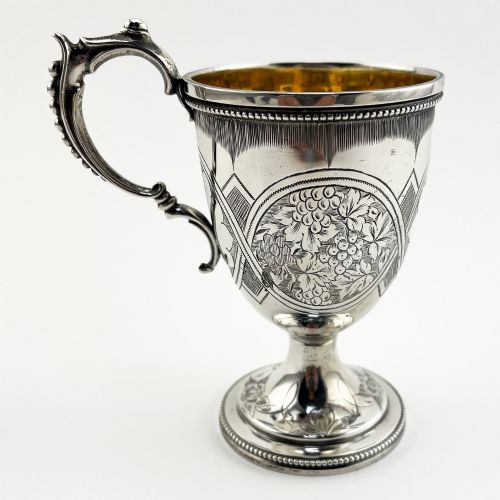
The dominant iteration on this page is the christening mug, often shaped with a baluster body or an octagonal profile, accompanied by dedicated tankards. Makers utilised sterling silver almost exclusively, occasionally incorporating silver gilt or interior gold washes to enhance the visual depth of the vessel.
How they were made
Silversmiths constructed these vessels using solid sterling silver, shaping the metal into baluster or cylindrical forms that often incorporated sturdy handles welded to the main body. Many examples display detailed surface treatments, ranging from floral and bird motifs to embossed scrollwork.
Techniques such as hand engraving and chasing dominate the production, creating textured designs across the exterior wall. Hallmarks stamped directly into the silver record the assay office, date letter, and standard, providing a reliable paper trail for origin.
Victorian Sterling Mug Retail Price Guide 2026
Typical asking prices for victorian sterling mug among the pieces listed under this phrase on Sellingantiques today, from the lower quarter to the upper quarter. They describe what is for sale here now, not the wider market.
Listings feature sterling silver, silver gilt, and gold plate across nineteenth-century forms.
What varies in quality
The gauge of the silver dictates the physical heft and structural resilience of the mug, separating substantial vessels from lighter alternatives. A thicker wall prevents dents and contributes to a balanced, weighty feel in the hand.
The clarity and depth of the chased or engraved decoration determine the artistic merit of the piece. Crisp lines and intricate pictorial themes, such as fable motifs or flora, distinguish superior examples from plain or heavily worn specimens.
Mappin And Webb
The Victorian Sterling Mug Glossary
- Sterling silver
- An alloy consisting of ninety-two point five percent silver and seven point five percent other metals, typically copper. This standard composition provides the durability required for functional drinking vessels.
- Baluster
- A vertical architectural form with a swelling lower portion tapering toward the top. In silver mugs, this profile creates a classic urn-like silhouette.
- Chasing
- A metalworking technique where the silversmith hammers metal from the front to push the design inward and create relief patterns. This method produces the textured surface seen on decorated mugs.
- Hallmark
- A series of official marks stamped onto precious metal objects to guarantee the purity of the silver. These symbols typically identify the maker, assay office, and year of manufacture.
- Gilt
- Silver that has been coated with a thin layer of gold on the interior or exterior surface. This treatment provides a contrasting golden sheen against the bright white metal.
Victorian Sterling Mug: Frequently Asked Questions
What is a christening mug?
A christening mug is a small silver vessel traditionally given to an infant to mark a baptism or naming ceremony. These pieces served as keepsakes intended to last a lifetime.
Many examples feature personalised engravings with names or dates, recording the original recipient for posterity.
How do I date a silver mug?
Dating relies primarily on the stamped hallmarks found on the exterior or base of the vessel. Each assay office utilised specific date letters corresponding to particular years.
Style also offers clues, as Rococo Revival scrolls and aesthetic movement motifs align with distinct decades within the nineteenth century.
Can I use these mugs daily?
These historical silver vessels are robust enough for occasional use, though many owners prefer to display them as decorative antiques. Solid sterling silver handles and thick gauges withstand gentle handling.
Regular washing in warm soapy water keeps the metal bright without damaging the antique surface.
Why are some interiors gold?
An interior gold wash, or silver gilt, protected the underlying sterling silver from acidic beverages like wine or fruit juices. This technique also added a decorative contrast when looking inside the vessel.
The gold layer was applied using mercury amalgamation or electrochemical methods depending on the exact decade of production.