



Victorian Specimen Jars
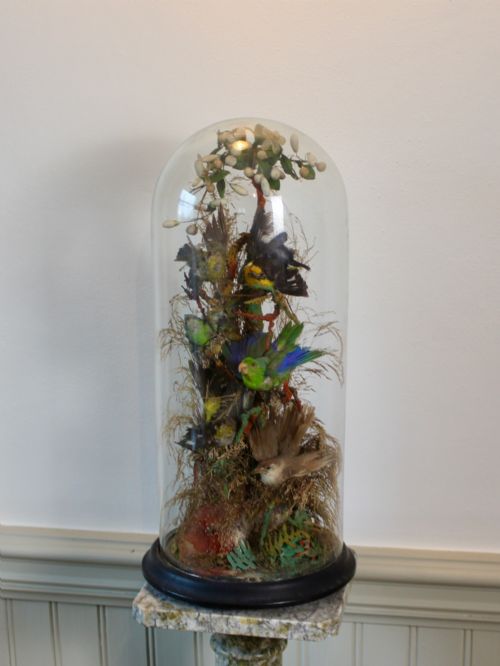
These victorian specimen jars and associated display domes house everything from delicate birds to botanical studies, bringing the curious atmosphere of the nineteenth-century study straight into your home.
Victorian Specimen Jars
When you search for victorian specimen jars, you enter a world of nineteenth-century scientific curiosity where natural history meets domestic display. These pieces range from glass display domes and cloches to apothecary bottles and dedicated collector's showcases.
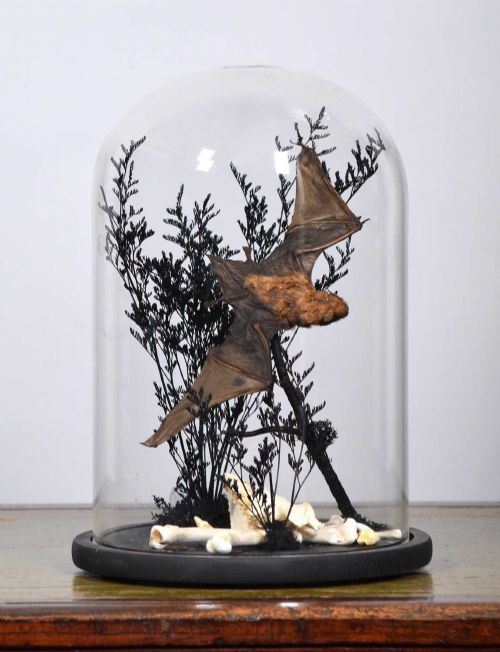
The most common items on this page are glass display domes housing taxidermy specimens, often resting on wooden or ebonised bases. You will also encounter tall professor's specimen domes and collections of apothecary bottles dating from the Victorian and Edwardian eras.
Makers and creators of the period produced these enclosures to protect delicate flora and fauna from dust while allowing close inspection. Whether containing a taxidermy bat, colourful birds, or feathers, each object reflects the Victorian passion for classifying the natural world.
Materials and construction
The primary materials recorded in these listings are clear glass paired with wood, frequently ebonised wood for the bases. Interior displays incorporate taxidermy specimens, bone, feathers, and fabric such as velvet to cushion or back the specimens.
Glass is blown or cast to form tall domes, clock cases, and apothecary bottles designed to sit securely on timber plinths. Taxidermy composition requires careful arrangement of birds and small animals within the glazed confines of the showcase.
Victorian Specimen Jars Retail Price Guide 2026
Typical asking prices for victorian specimen jars among the pieces listed under this phrase on Sellingantiques today, from the lower quarter to the upper quarter. They describe what is for sale here now, not the wider market.
Listings span the Victorian and Edwardian eras, utilising glass, ebonised wood, bone, feathers, and taxidermy specimens.
Assessing quality in antique display pieces
Quality in these specimens rests upon the clarity and integrity of the original glass dome alongside the condition of the ebonised wood base. Hand-blown glass with subtle imperfections and substantial timber stands distinguish finer examples from standard items.
The preservation of the interior taxidermy or botanical specimens dictates the overall desirability of the piece. Well-composed arrangements of colourful birds or delicate bats demonstrate a higher level of Victorian taxidermy skill.
The Victorian Specimen Jars Glossary
- Glass dome
- A blown or formed glass cover designed to protect fragile objects from dust and damage. These transparent covers sit atop wooden or ceramic bases.
- Ebonised wood
- Timber treated with a finish to imitate expensive ebony wood. This dark, polished surface is typical of Victorian display bases.
- Taxidermy specimen
- Preserved animal skin mounted in a lifelike posture. These objects formed the centrepiece of many nineteenth-century natural history collections.
- Apothecary bottle
- Glass container utilised for storing medicines and chemical preparations. These bottles often appear in collections from the late nineteenth and early twentieth centuries.
- Collector's dome
- A specialised glass enclosure built to house botanical or zoological specimens. They provide an airtight environment for studying delicate natural history items.
Victorian Specimen Jars: Frequently Asked Questions
What is inside a victorian specimen dome?
These domes typically contain taxidermy specimens such as bats, colourful birds, or botanical arrangements composed of feathers and bone. Some examples house delicate biological preparations created for study or display.
Interior settings often feature fabric or velvet backgrounds to highlight the specimens. The glass cover protects these organic materials from humidity and handling.
How do I display a glass dome at home?
Place your display dome on a sturdy sideboard, desk, or bookcase away from direct sunlight to protect the fragile interior elements. Ensure the wooden base rests on a level surface so the glass sits evenly.
Because these pieces have a strong presence, they work well as standalone focal points in a study or living room. Pair them with other natural history objects to echo their original Victorian context.
How can I tell a Victorian dome from a later one?
Victorian and Edwardian domes often feature thick, hand-blown glass with minor bubbles or waviness in the surface. The wooden bases usually show traditional joinery and period finishes like ebonising.
Later reproductions generally use modern, uniform glass and machine-processed timber. Examining the construction of the base and the materials used for the interior specimen helps confirm the period.