






Victorian Small Stool
These Victorian small stool selections are compact low seating pieces that bring nineteenth-century character to any room.
Victorian Small Stool
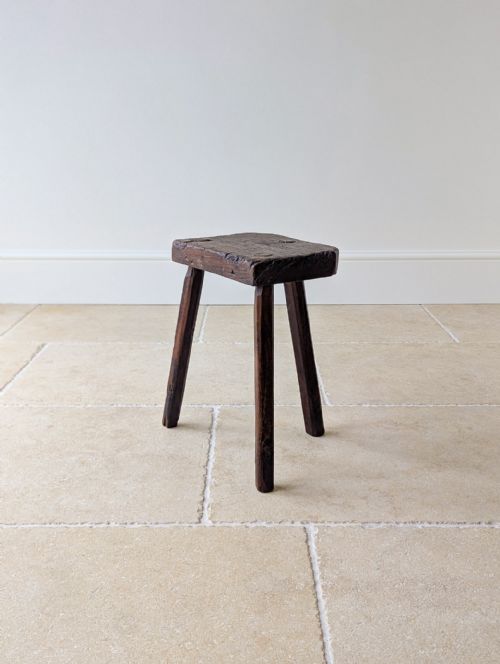
A victorian small stool serves as a low seat or footrest, frequently appearing in forms like upholstered footstools, turned wood workshop seats, and carved occasional frames. Buyers investigating this phrase encounter various timber structures, from walnut and mahogany frames to elm work stools and oak joint designs.
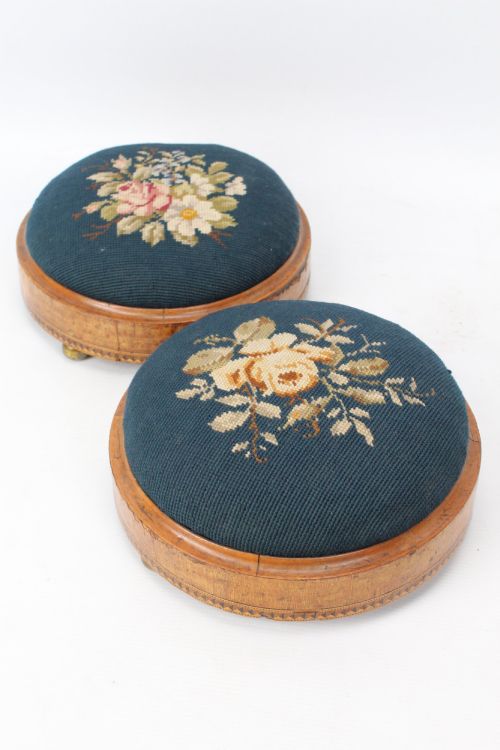
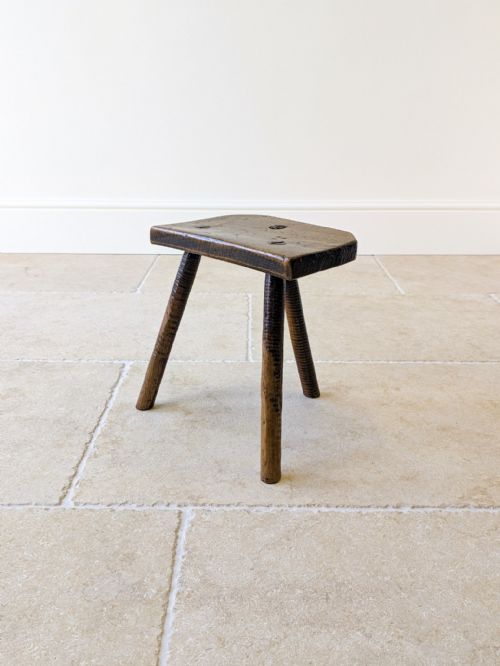
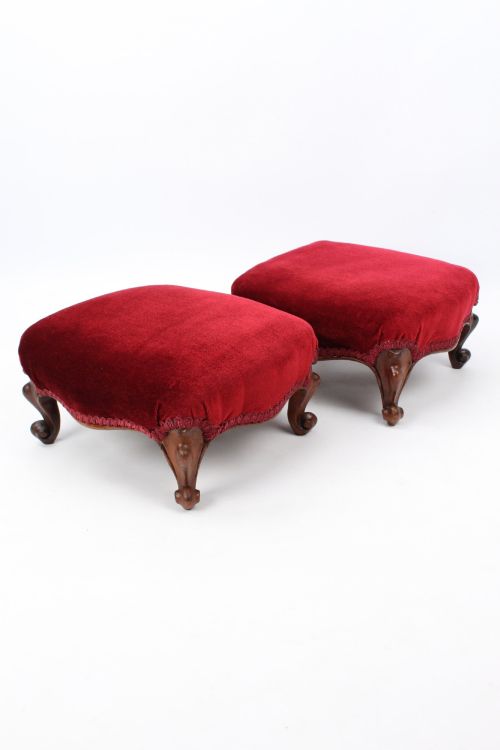
The pieces on this page span low fireside footstools with needlepoint covers to turned beech and ash workshop seating. Domestic examples often feature wool tapestry, velvet, or tweed linen upholstery, while utilitarian workshop variants rely on exposed timber tops.
Materials and Construction
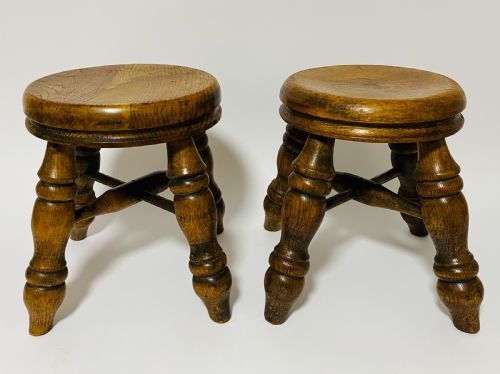
Cabinet makers utilised dense hardwoods such as oak, mahogany, walnut, and elm for frames, turning legs on lathes or carving supports by hand. Joinery methods include traditional joint construction and sturdy pegging to ensure daily load-bearing stability.
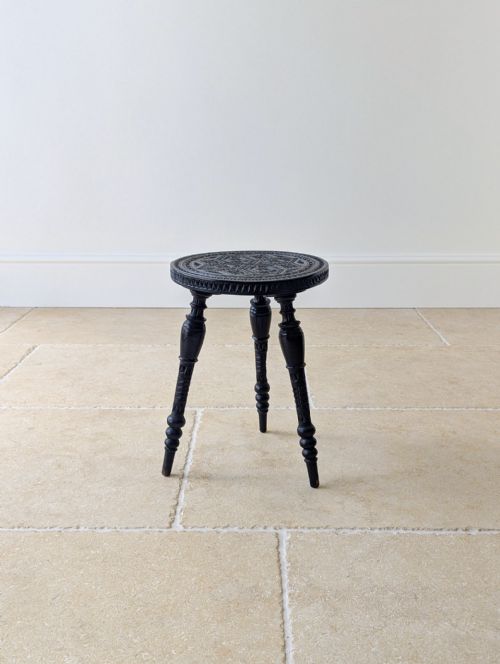
Upholstered variants incorporate stuffed padding beneath wool tapestry, needlepoint, or geometric kilim coverings, occasionally secured with decorative brass studs. Surface finishes range from ebonised treatments and parcel gilt highlights to natural polished timber grains.
Victorian Small Stool Retail Price Guide 2026
Typical asking prices for victorian small stool among the pieces listed under this phrase on Sellingantiques today, from the lower quarter to the upper quarter. They describe what is for sale here now, not the wider market.
Listings feature woods including oak, mahogany, walnut, burr yew, elm, ash, and pitch pine across domestic and workshop forms.
Assessing Quality
Quality rests in the crispness of timber carving, the precision of turned spindle work, and the structural integrity of the frame joints. Superior examples display dense grain matching in timbers like burr yew or pollard oak alongside tightly preserved original needlepoint or tapestry needlework.
Lesser versions show loose joinery, heavy modern reupholstery that obscures original framing proportions, or generic replacement parts. The finest specimens maintain their original surface patination and specialised functional details without clumsy structural alterations.
The Victorian Small Stool Glossary
- Tunbridge Ware
- Woodworking technique involving small mosaic tiles created from naturally coloured timbers to form geometric or pictorial surface patterns. This detailed inlay frequently decorates the borders of nineteenth-century small tables and footstools.
- Ebonised
- Timber treated with a dark stain or chemical process to imitate expensive ebony. Makers applied this finish extensively during the nineteenth century to achieve a formal, dramatic aesthetic.
- Joint Stool
- Sturdy wooden seating constructed with mortise and tenon joints rather than turned legs. These traditional frames date back centuries but saw revival designs produced during the Victorian era.
- Needlepoint
- Embroidery stitched onto a stiff open-weave canvas ground to create durable decorative covers. Victorian makers utilised this textile technique heavily for footstool tops and fireside furnishings.
- Tripod
- Support structure utilising three legs joined to a central column or underside. This configuration prevents rocking on uneven historical flooring.
Victorian Small Stool: Frequently Asked Questions
What is a victorian small stool used for?
These compact pieces primarily served as footrests before firesides or as low seats in parlours and bedrooms.
Workshop variants also functioned as specialised seating for tradespeople like jewellers and cutlers who required low stability.
How do I clean the wood on a victorian small stool?
Apply a mild wax polish using a soft cloth to nourish dry historical timber and remove surface dust.
Avoid modern liquid cleaners or harsh solvents that strip original polish and vintage patination.
Are upholstered tops original on these stools?
Many retain period needlepoint, tapestry, or tweed linen textiles, though frequent heavy wear necessitates historical reupholstery.
Examine the underside webbing and tacks to determine whether the textile dates to the nineteenth century or a later restoration.
How do I distinguish early Victorian from later pieces?
Early nineteenth-century examples often display restrained classical mahogany or walnut framing with hand-carved details.
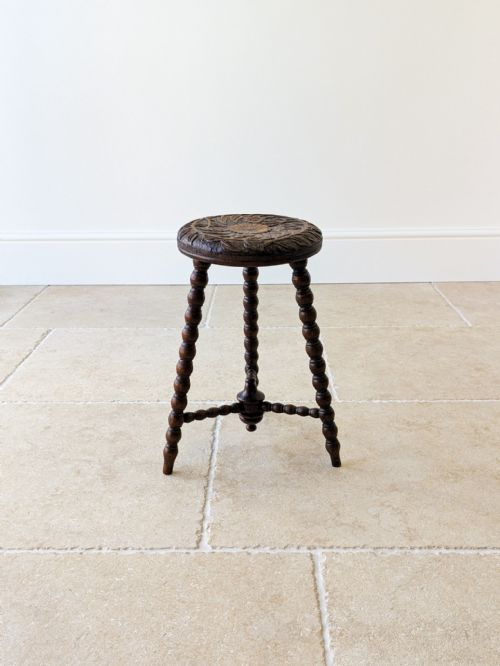
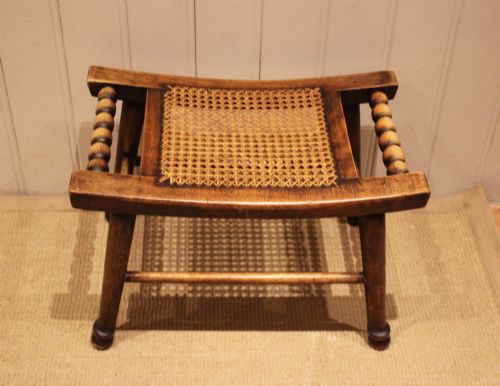
Later Victorian output from the eighteen-eighties and nineties frequently introduces ebonised finishes, aesthetic movement influences, or bobbin-turned supports.