


Victorian Small Cupboards
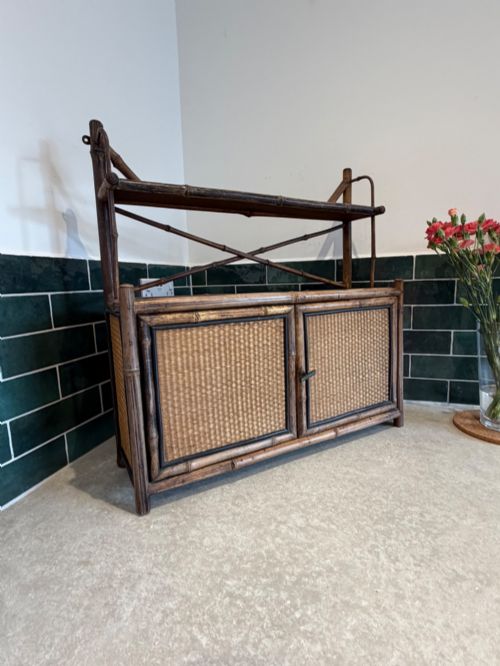
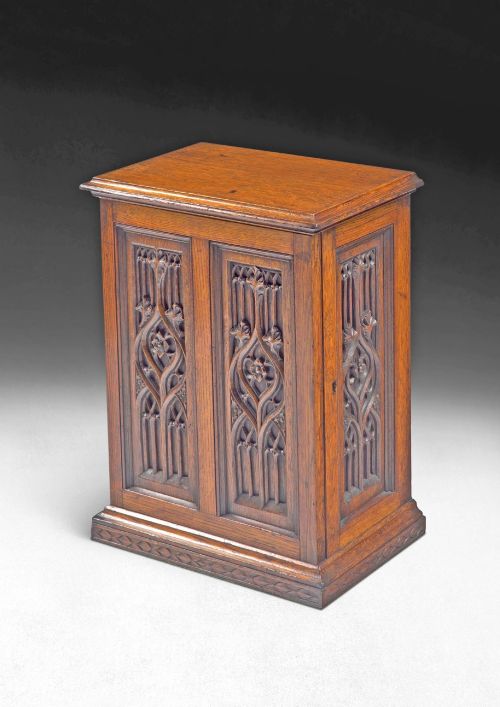
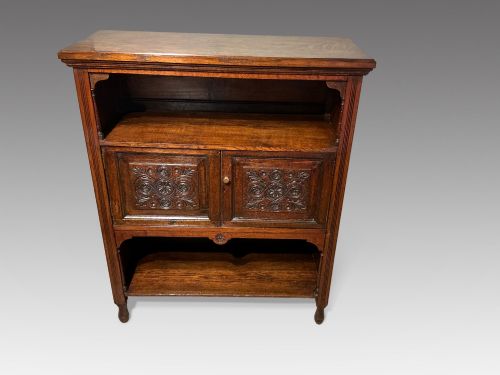
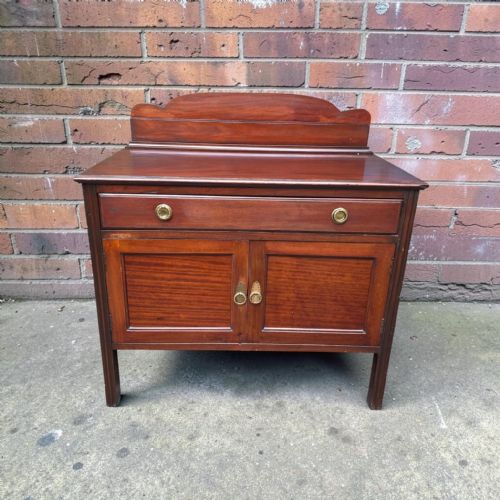
Victorian small cupboards are compact pieces of period furniture designed for bedside storage or display, offering utility and character in limited spaces.
Victorian Small Cupboards
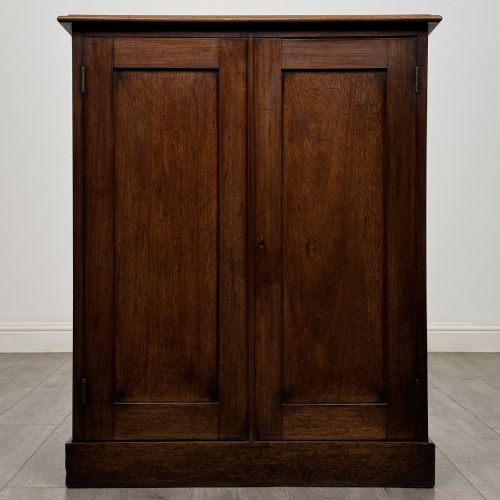
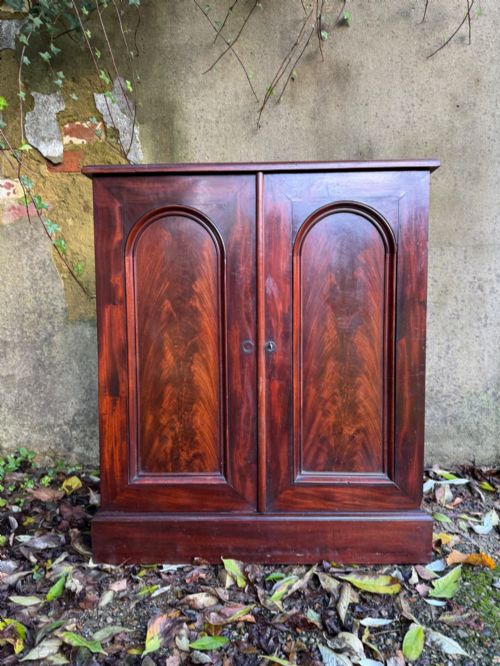
Victorian small cupboards encompass a varied group of compact storage furniture, including bedside cabinets, night lockers, pot cupboards and miniature chests. These pieces originate predominantly from the nineteenth century, reflecting the domestic requirements of the period for bedroom and parlour organisation.
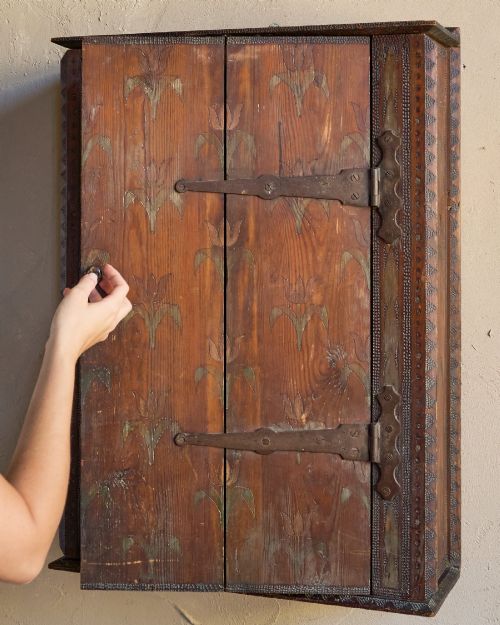
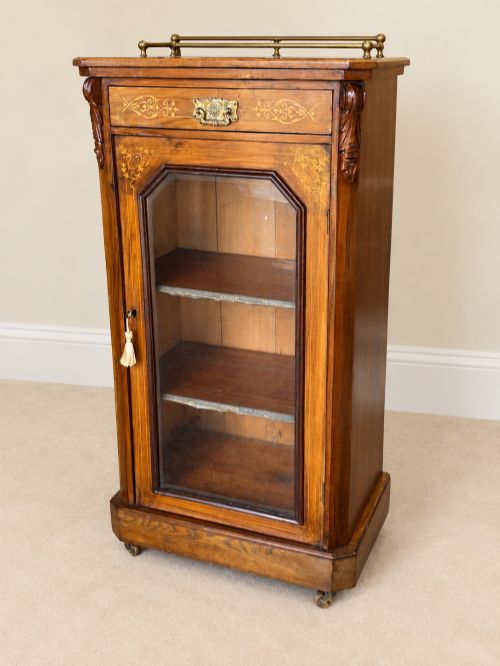
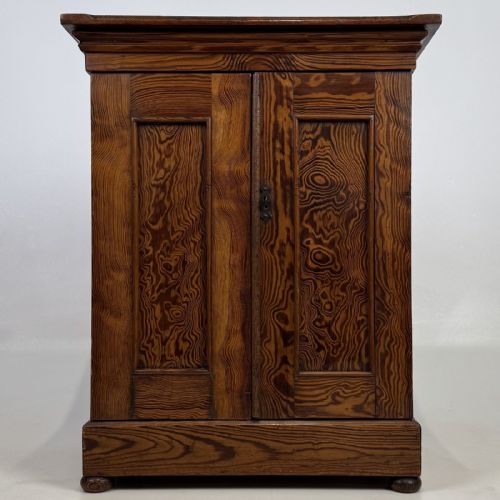
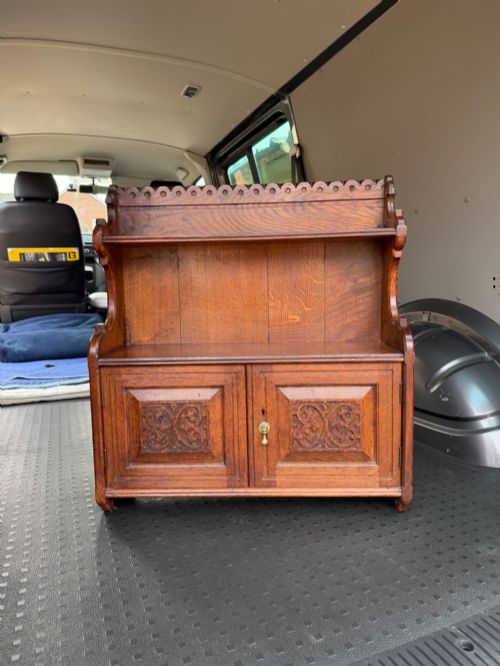
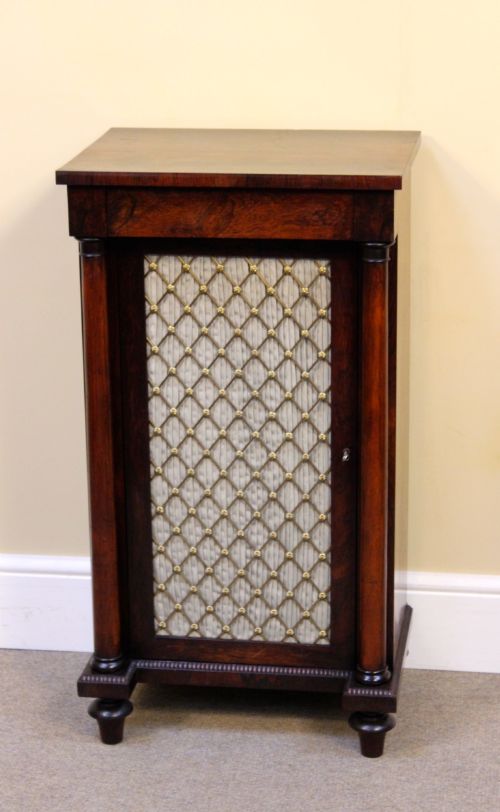
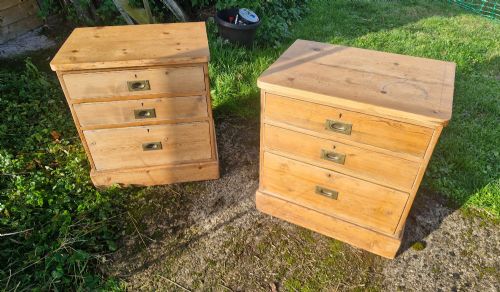
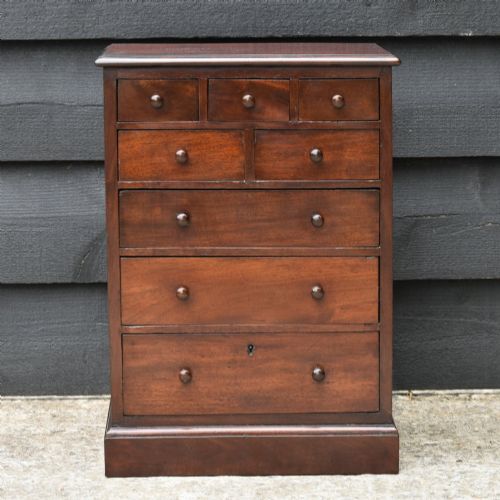
Buyers most frequently encounter bedside cabinets and small side cabinets executed in mahogany, walnut and pine. Forms range from simple single-door cupboards to elaborate glazed display cabinets and miniature apprentice pieces with multiple small drawers.
Materials and construction
Cabinetmakers utilised dense hardwoods such as mahogany and walnut, frequently selecting burr veneers and applying satinwood inlay or marquetry for decorative effect. Secondary woods like pine appear in carcass construction and drawer linings.
Construction techniques include traditional dovetailing for drawers and mortise and tenon joints for frames. Brass hardware, glazed doors and turned feet complete the assembly of these compact nineteenth-century items.
Victorian Small Cupboards Retail Price Guide 2026
Typical asking prices for victorian small cupboards among the pieces listed under this phrase on Sellingantiques today, from the lower quarter to the upper quarter. They describe what is for sale here now, not the wider market.
A tiny twenty-five-drawer bank once helped someone in Ilfracombe organise an immense collection of very small things.
Quality variations
Quality rests upon the selection of timbers, such as figured burr walnut or dense mahogany, and the precision of decorative elements like marquetry inlay and carved mouldings. Superior examples display refined proportions and intact original brass fixtures.
The standard of internal construction differentiates standard utilitarian pieces from exceptional cabinetwork. Tight joints, hand-dovetailed drawer boxes and well-fitted doors indicate higher workshop standards.
The Victorian Small Cupboards Glossary
- Pot cupboard
- A small bedside cabinet originally designed to house a chamber pot. These pieces usually feature a single door enclosing a shelf.
- Pier cabinet
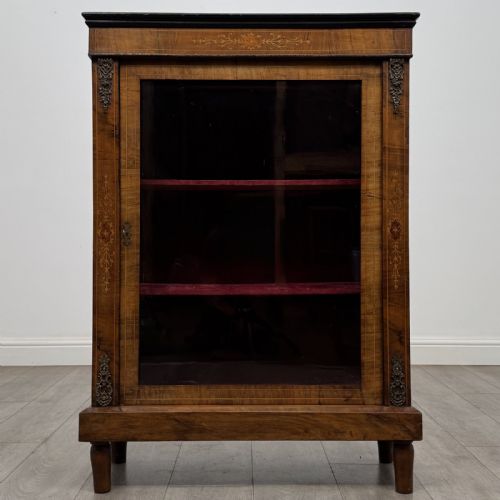
- A low display cabinet designed to fit the narrow wall space between windows. They often incorporate glazed doors and velvet-lined shelves.
- Marquetry
- Decorative woodwork where pieces of veneer are fitted into a background to form geometric or floral designs. This technique enhances the visual richness of cabinet doors.
- Dentil cornice
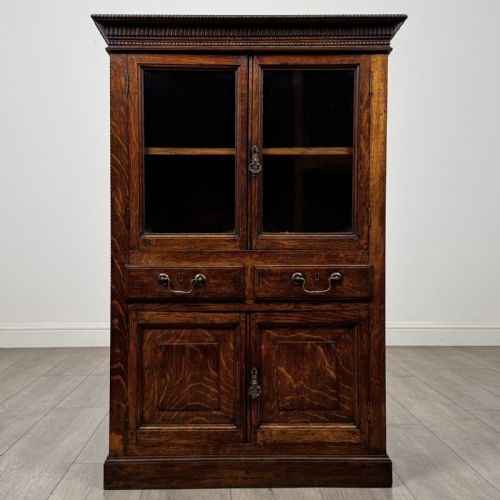
- A architectural moulding characterised by a repeating pattern of small rectangular blocks. It appears along the upper edge of display cabinets and bookcases.
Victorian Small Cupboards: Frequently Asked Questions
What is a Victorian pot cupboard?
A Victorian pot cupboard is a compact bedside cabinet designed to hold a chamber pot behind a single door.
Over time, these versatile pieces transitioned into general bedside storage tables used for lamps and books.
How do I identify an apprentice piece?
Apprentice pieces are miniature chests of drawers or cabinets built by trainees to prove their mastery of woodworking techniques.
They scale down full-sized furniture precisely while retaining proper joinery and functional drawers.
Where do I place a pier cabinet?
Pier cabinets fit neatly into the narrow wall space between two windows, known as the pier.
Their shallow depth and glass doors make them ideal for displaying small collections without obstructing room flow.
What wood was most commonly used?
Mahogany and walnut predominate in nineteenth-century cabinetmaking, often chosen for their durability and rich grain.
Pine and oak also appear frequently, particularly in country pieces and utilitarian bedroom furniture.